

Gold Ormolu Desk Clock
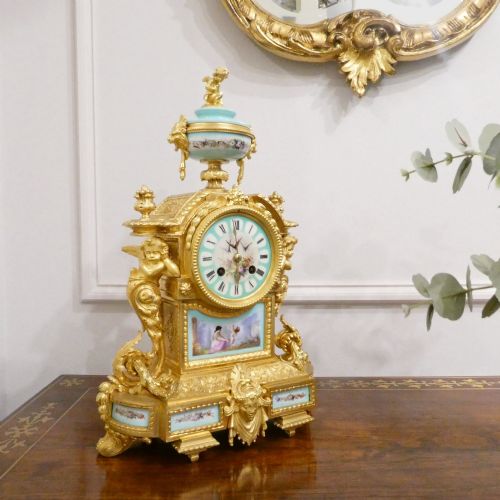
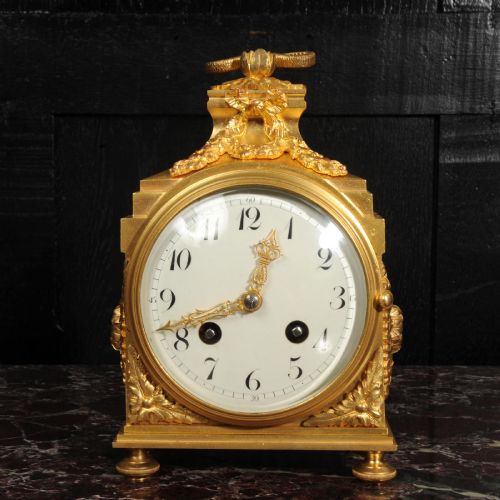
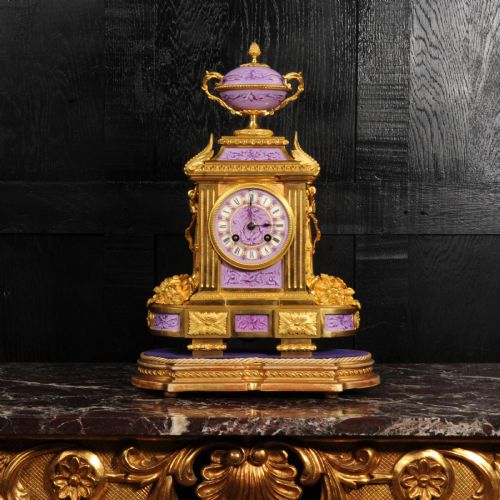
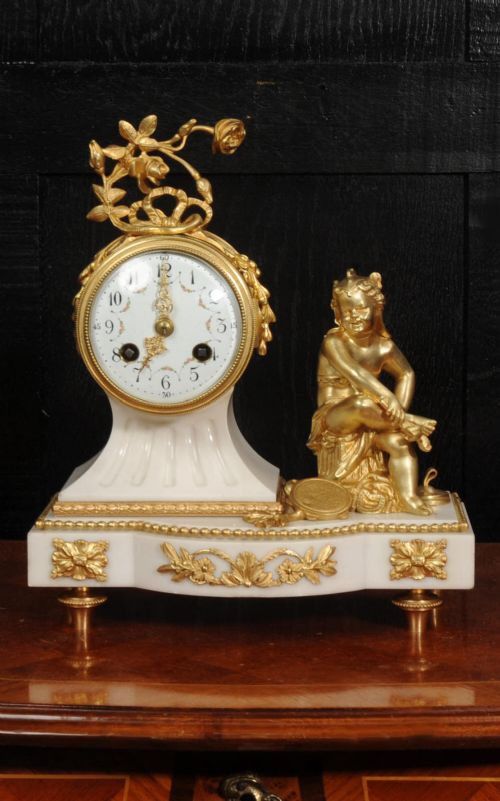
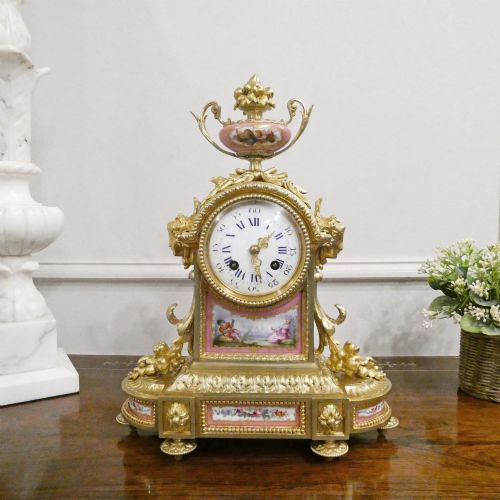
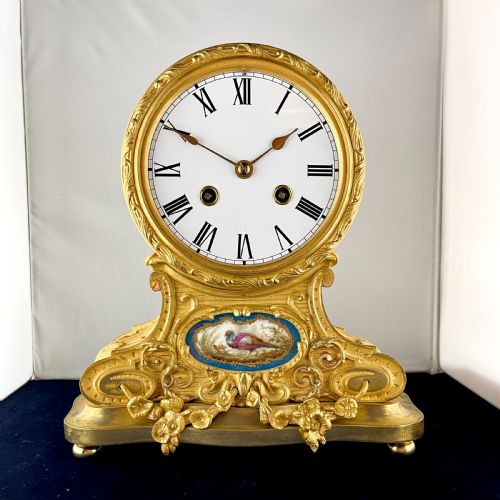
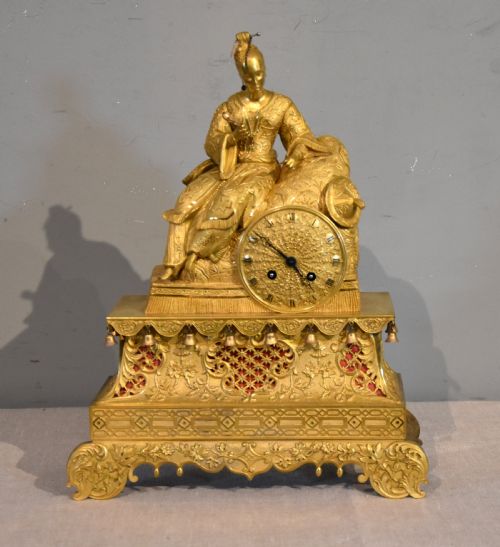
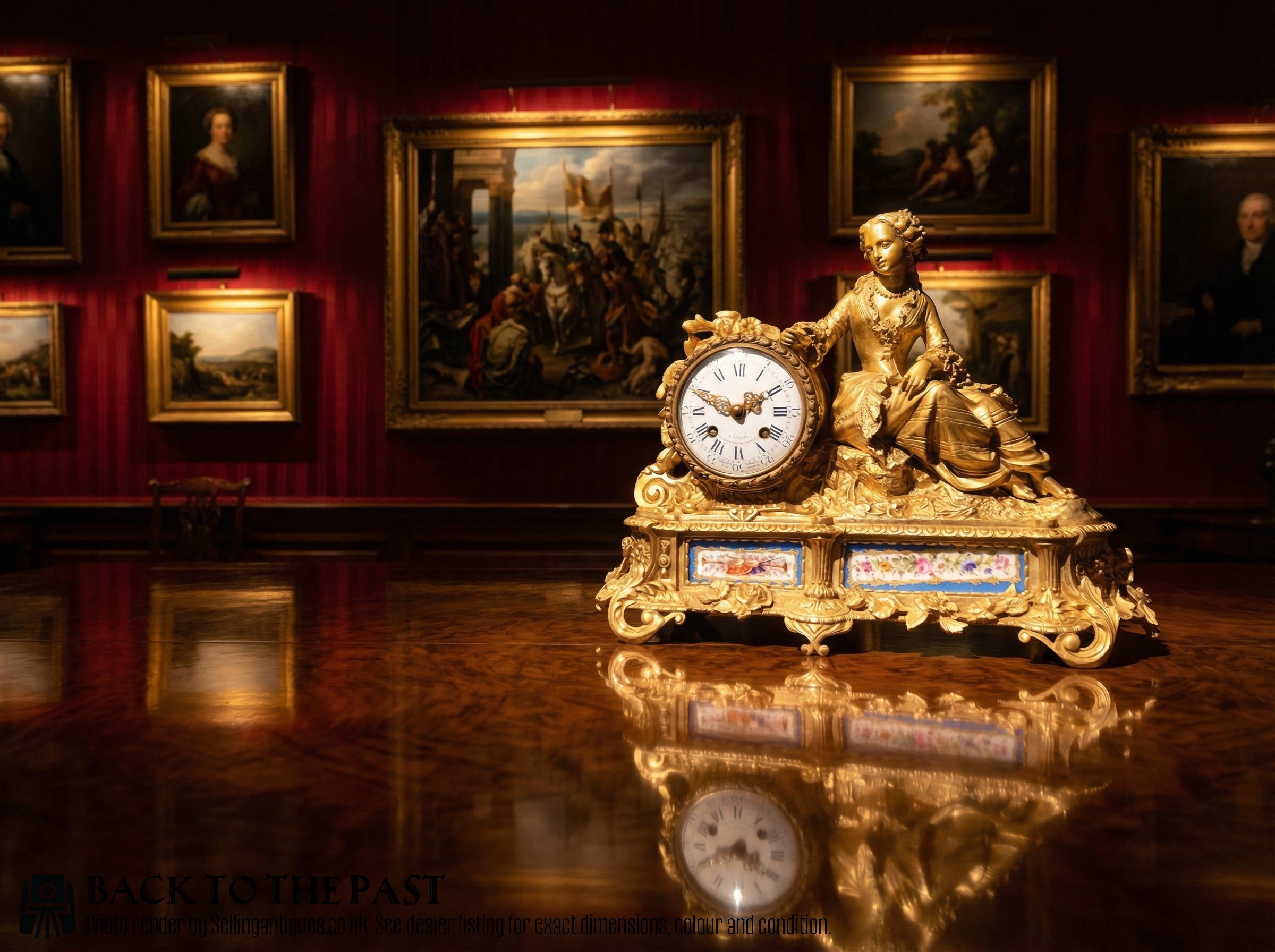
A gold ormolu desk clock brings the polished warmth of mercury-gilt bronze and classical French design directly to a mantelpiece.
Gold Ormolu Desk Clock
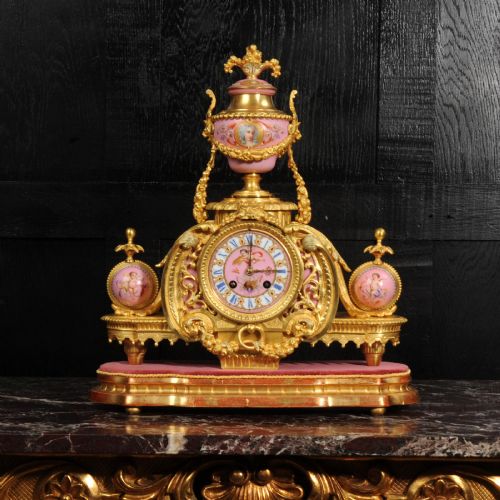
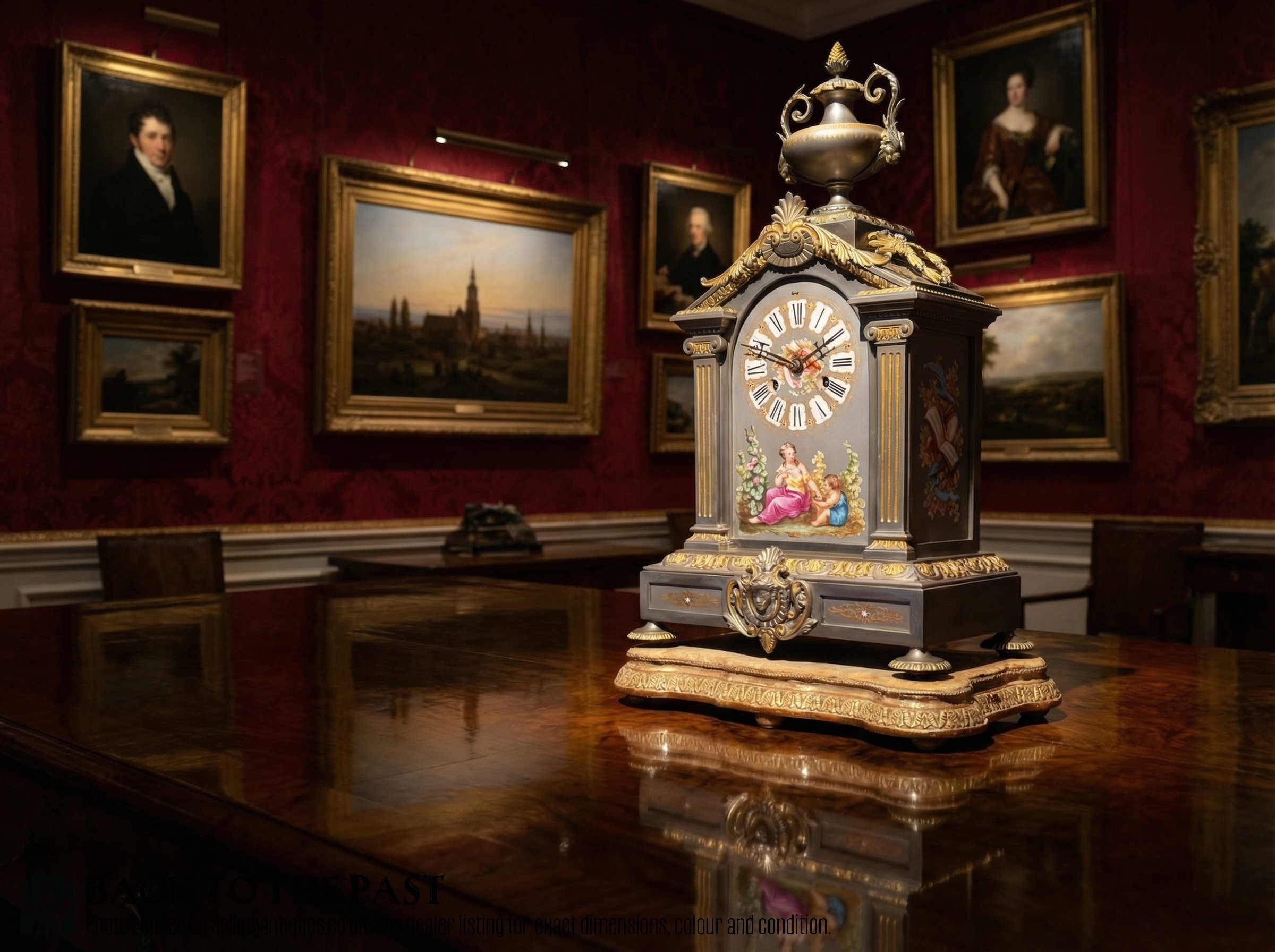
The objects combine heavy cast metal housings with functional mechanical movements, frequently incorporating porcelain plaques or hand-painted enamel dials. Most examples originate from French workshops and makers adhering to Louis XVI, Rococo Revival, or Baroque stylistic vocabularies.
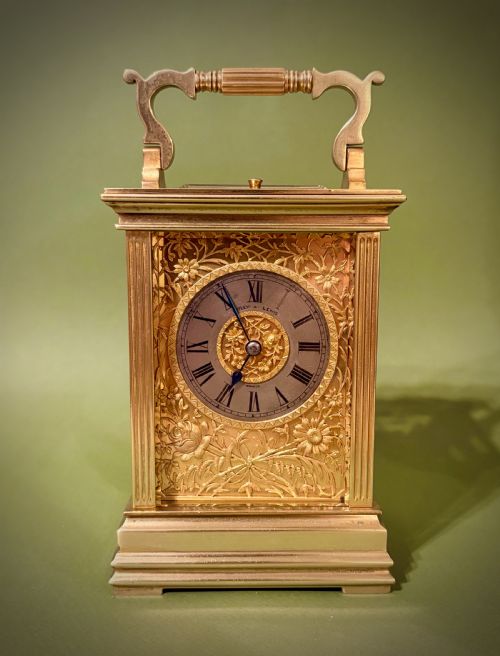
Buyers meet variations ranging from compact carriage clocks to substantial marble-based mantel pieces. While the core materials remain consistent, the decorative motifs shift from classical restraint to exuberant scrolling foliage.
Materials and construction
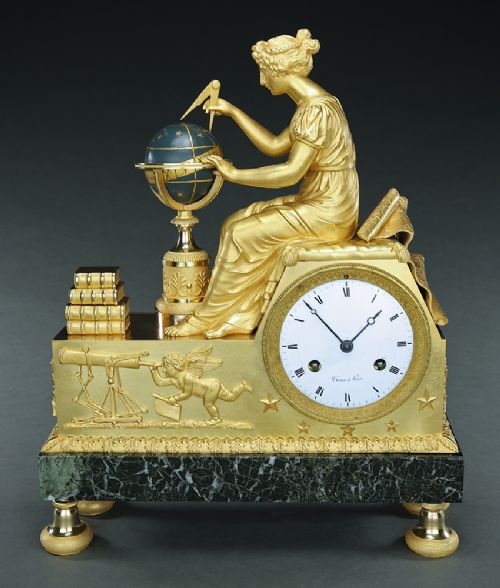
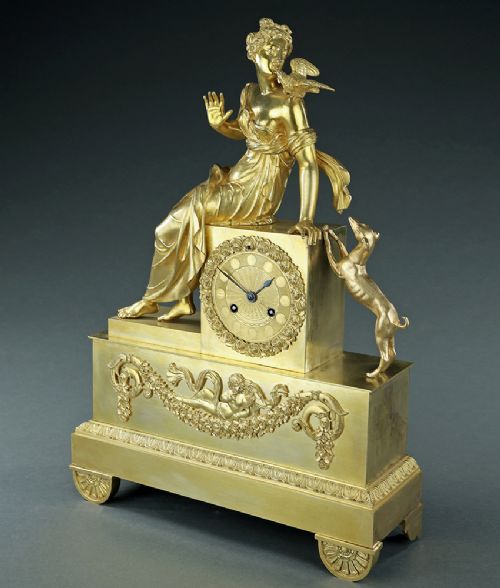
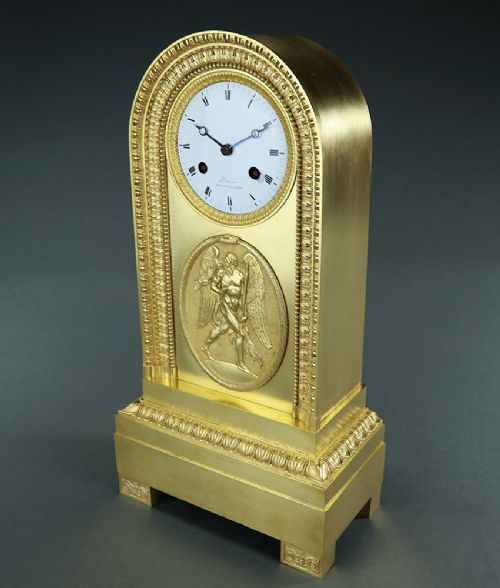
Makers formed the primary housings using cast bronze, brass, or gilt metal, often combined with white marble plinths, cut crystal, and porcelain elements. The signature surface finish relies on ormolu, applying a fine layer of gold amalgam to the bronze base through traditional fire-gilding or electrogilding methods.
Gold Ormolu Desk Clock Retail Price Guide 2026
Typical asking prices for gold ormolu desk clock among the pieces listed under this phrase on Sellingantiques today, from the lower quarter to the upper quarter. They describe what is for sale here now, not the wider market.
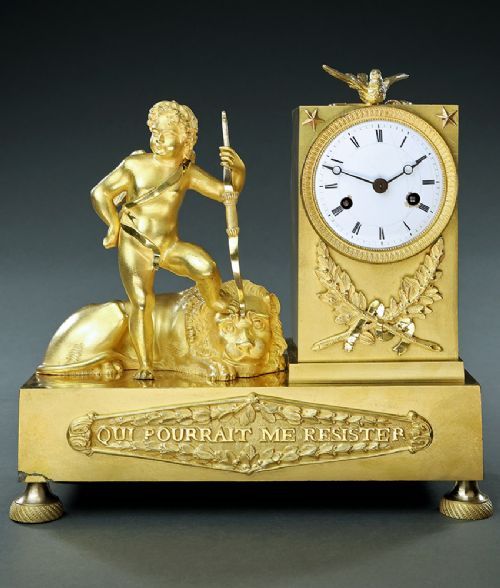
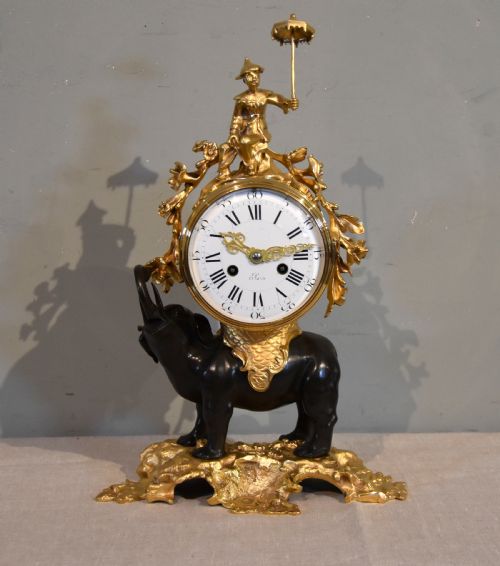
Several Victorian models disguise their timekeeping purpose inside sculptures of elephants, lions, and astronomical allegories.
Assessing quality
The distinction between standard production and superior craftsmanship rests in the crispness of the bronze chasing and the depth of the gilding. Master founders carved and polished the cast metal surfaces by hand after casting, ensuring sharp relief in floral scrolls and figural anatomy.
Movement sophistication also separates output levels, with signed Parisian and London movements demonstrating superior gear finishing and reliable timekeeping. The integration of high-fired Sèvres porcelain panels or intact champlevé enamel work further elevates the standing of an individual piece.
Achille Brocot·Japy Freres·Canaillor of Paris·Le Roy, Paris·Samuel Marti
The Gold Ormolu Desk Clock Glossary
- Ormolu
- A gilded bronze surface finish applied to metal decorative objects. The technique utilises powdered gold amalgamated with mercury and heated to bond with the bronze beneath.
- Portico clock
- An architectural clock case shaped like a classical portico with supporting pillars. This style often encloses a suspended pendulum visible within the central opening.
- Champlevé
- An enamelling technique where troughs are gouged into the metal surface and filled with coloured vitreous paste before firing. The resulting pattern sits flush with the surrounding brass or bronze mount.
- Fusee
- A conical pulley used in clock movements to maintain even driving force as the mainspring unwinds. This mechanical device improves the chronological accuracy of the timepiece.
Gold Ormolu Desk Clock: Frequently Asked Questions
How do I wind a mechanical desk clock?
Winding requires inserting a small key into the designated arbour holes on the dial face and turning gently until resistance is met. Care must be taken not to overwind the mainspring.
Most movements run for eight days per winding cycle. Establishing a regular weekly routine helps maintain consistent tension within the gear train.
Where should I place an ormolu clock?
These heavy metal and marble objects require a stable, level surface such as a sturdy mantelpiece, chest of drawers, or executive desk. Placement should avoid direct sunlight and damp environments to protect the mercury-gilt finish.
Because the mechanical balance depends on level ground, small adjustment feet underneath the base help correct minor surface slants.
How do I identify a French Empire style clock?
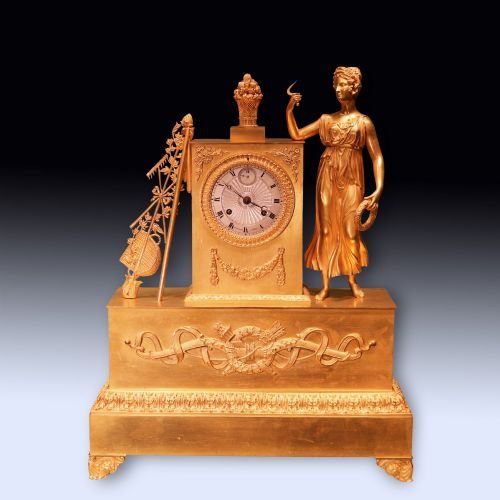
Empire pieces draw heavily on classical antiquity, featuring motifs like military trophies, sphinxes, columns, and figures from Greek or Roman mythology. The bronze work often displays a combination of matte and polished burnished gold surfaces.
Unlike the asymmetrical curves of the later Rococo Revival, Empire designs favour strict symmetry, architectural balance, and geometric dignity.
What maintenance do antique clock movements need?
Vintage mechanical movements benefit from professional cleaning and lubrication every few years to prevent wear on the brass pivots and gears. Dust accumulation inside the glass case should be cleared carefully with a soft brush.
Moving the clock requires securing the pendulum to prevent damage to the suspension spring during transit.