


Victorian Gilded Glass
When you search for victorian gilded glass, you enter a world of reflective surfaces, glittering vessels, and ornamented frames from the nineteenth century.
Victorian Gilded Glass
The term victorian gilded glass covers a diverse group of domestic objects, ranging from heavy mirrors and table vessels to decorative glassware enhanced with gold leaf and enamel. Buyers searching this phrase look for authentic nineteenth-century craftsmanship that combines functional utility with ornamental brilliance.
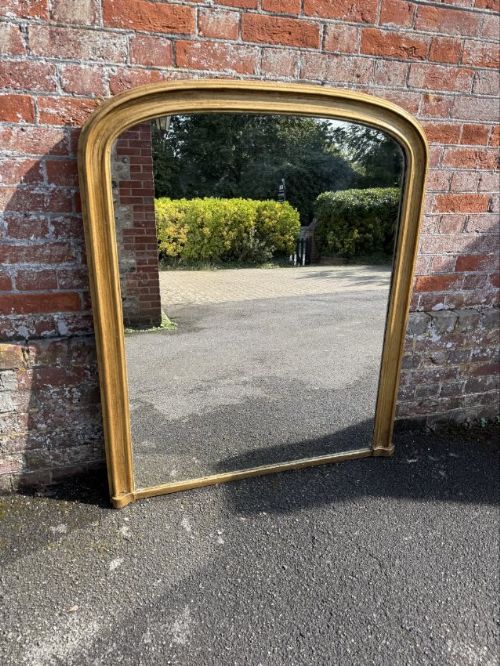
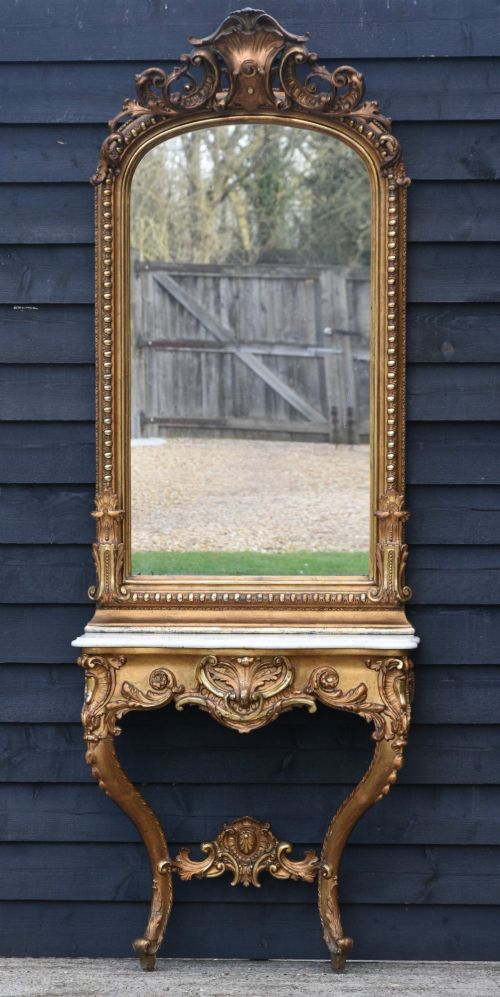
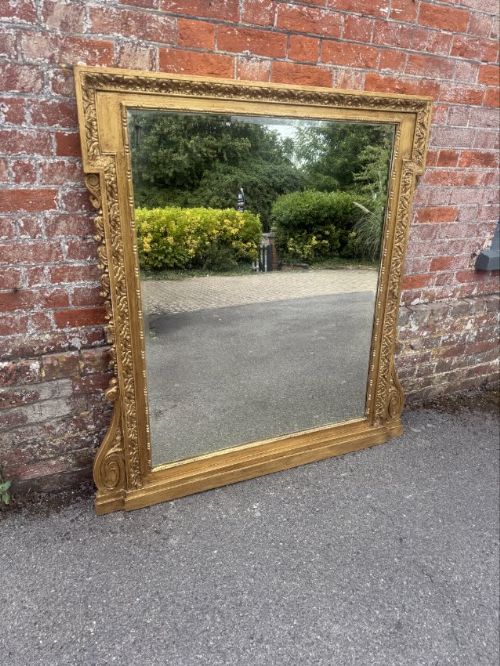
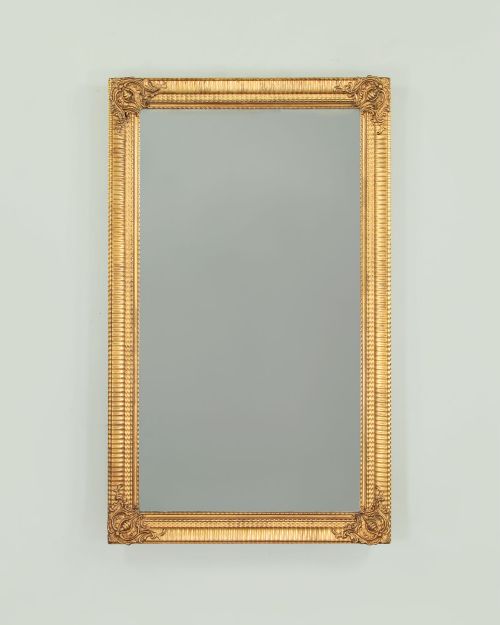
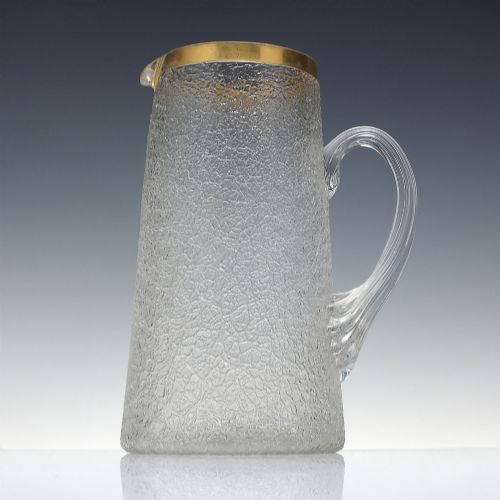
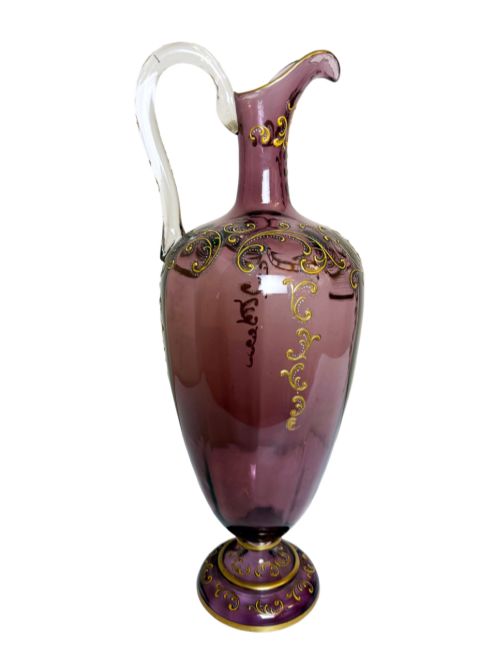
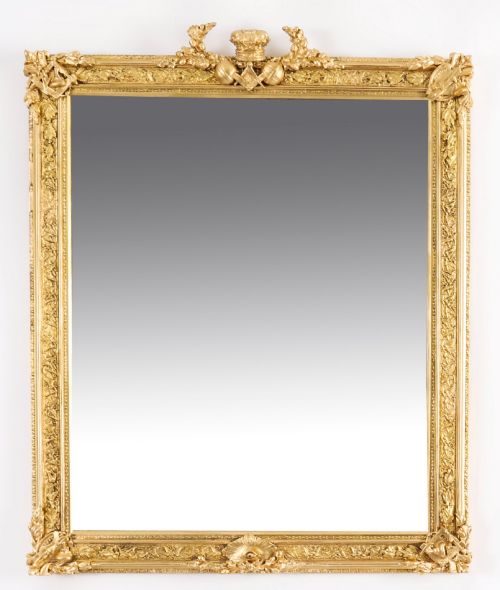
On this page, you are most likely to meet two distinct categories of items. The first comprises large wall mirrors and overmantle mirrors featuring heavy gilded frames, while the second includes table glass such as jugs, decanters, vases, and goblets adorned with gilded rims and hand-painted motifs.
How they were made
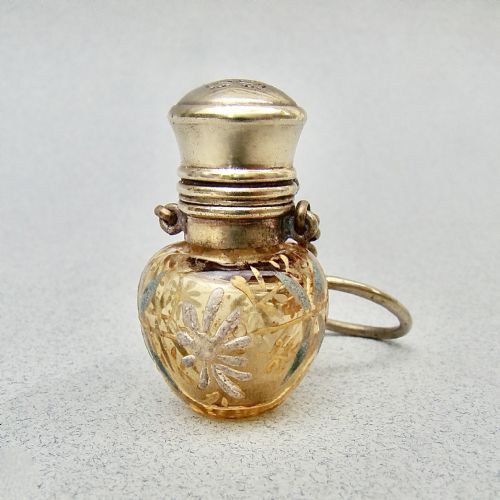
Makers utilised traditional techniques involving blown glass, cased glass, and overshot glass surfaces, applying gold leaf, paint, or enamel directly onto the material. Glassware pieces often received intricate hand-painted gilding or applied gold appliqués before undergoing a firing process to bond the metal to the vessel.
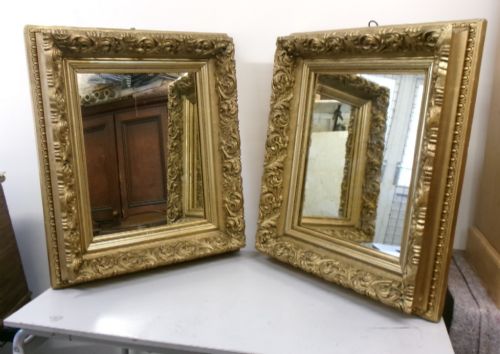
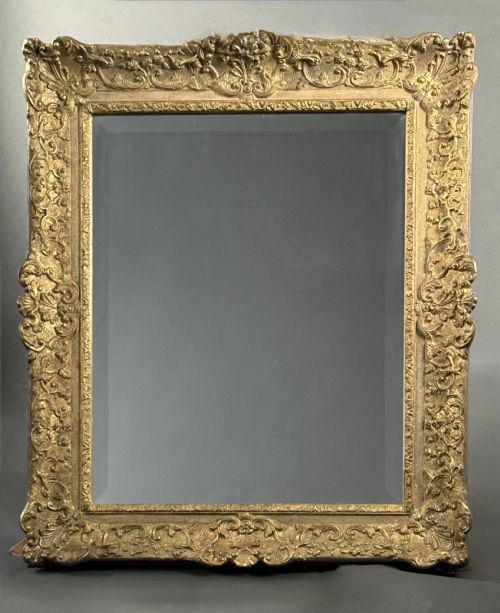
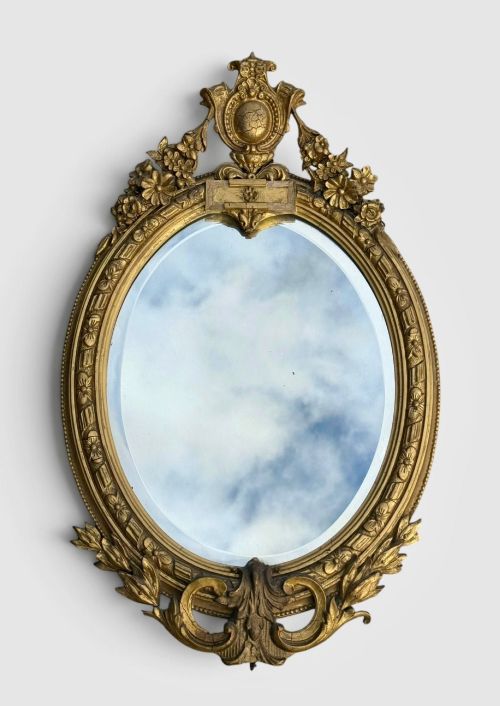
For mirrors and frames, artisans built wooden structures coated in gesso, which were then carved and finished with gold leaf or gilding. This combination of carved wood, composition ornament, and mirror glass created the ornate visual depth characteristic of the period.
Listings feature items from the nineteenth century, including Victorian, William IV, and Edwardian periods, utilising glass, giltwood, gesso, and gold leaf.
What varies in quality
Quality in these pieces depends heavily on the precision of the hand-applied decoration and the crispness of the carving or engraving. Finer glass vessels show delicate, even gilding and sophisticated enamelling, whereas simpler examples display heavier, more rudimentary gold applications.
In framed pieces, the depth and intricacy of the gesso work separate standard items from superior examples. The preservation of the original gold leaf and the clarity of the mirror plate also determine the standing of each piece.
Moser
The Victorian Gilded Glass Glossary
- Gesso
- A plaster-based mixture applied to wooden frames as a smooth surface for gilding. Artisans carved intricate decorative motifs directly into this dried layer before applying gold leaf.
- Overshot glass
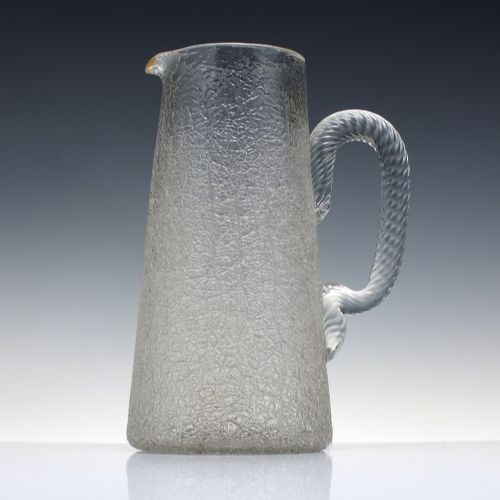
- A type of glassware characterised by a fine, thread-like web of glass trailed across the surface. This technique created a textured exterior often paired with a gilded rim.
- Cased glass
- A method where a layer of coloured glass is fused inside or outside a clear or contrasting layer. Cutting through the outer layer revealed the different colour beneath.
- Overmantle mirror
- A large horizontal mirror designed to sit directly above a fireplace mantel. These architectural pieces often featured elaborate carved wood and gesso frames.
- Enamel
- Opaque glass paste applied to the surface of a vessel and fired for decoration. It frequently accompanied gilding on nineteenth-century table glass.
Victorian Gilded Glass: Frequently Asked Questions
What is victorian gilded glass?
Victorian gilded glass refers to decorative and functional glassware produced during the nineteenth century featuring applied gold leaf, enamel, or painted gold details. These items include pitchers, decanters, vases, and goblets made across Britain and Europe.
Collectors prize these pieces for their intricate surface decoration and the distinct manufacturing methods of the period, such as overshot glass and cased glass techniques.
How were gilded mirrors made?
Gilded mirrors from this era were constructed using a wooden base coated in layers of gesso. Artisans carved architectural details and ornamentation into the gesso before applying gold leaf or liquid metal finishes.
These frames were then paired with silvered mirror glass, sometimes featuring bevelled edges or aged foxing developed over time.
How do I clean gilded glass?
Cleaning gilded glass requires caution to protect delicate gold leaf and enamel decorations from abrasion. Use a soft, dry cloth to remove dust and avoid harsh chemical cleaners that can strip the metallic finish.
For glass surfaces without gilding, a mild glass cleaner applied to a cloth rather than sprayed directly on the piece ensures safety for nearby metallic trims.
Where were these pieces used?
Glassware items were typically used in dining and entertaining settings for serving wine, water, or cordials. Larger decorative vessels served as centrepieces or mantel ornaments in wealthy nineteenth-century homes.
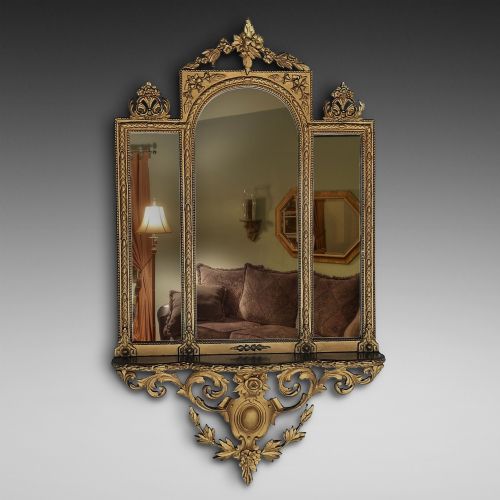
Mirrors and console tables were placed in hallways, drawing rooms, and above fireplaces to reflect light and create an illusion of greater interior space.