




Antique Glass Vessel Pair
An antique glass vessel pair brings matched brilliance to a room, offering functional symmetry and decorative weight through centuries of craft.
Antique Glass Vessel Pair
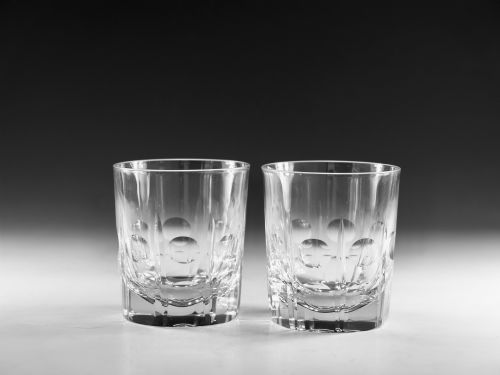
An antique glass vessel pair spans functional drinking ware, storage jars, and purely decorative display pieces originating from the nineteenth and early twentieth centuries. These duos survive from periods including the Victorian, Edwardian, and Art Deco eras, reflecting the domestic habits of past households.
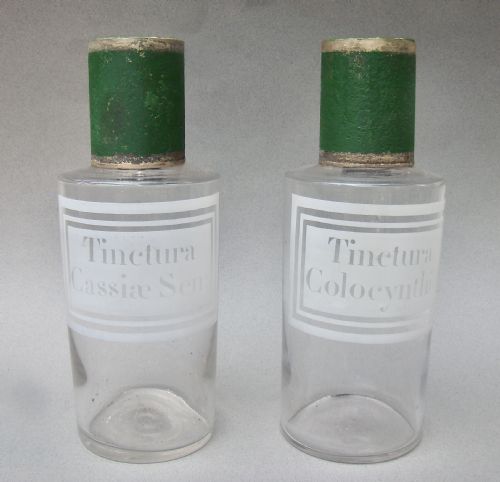
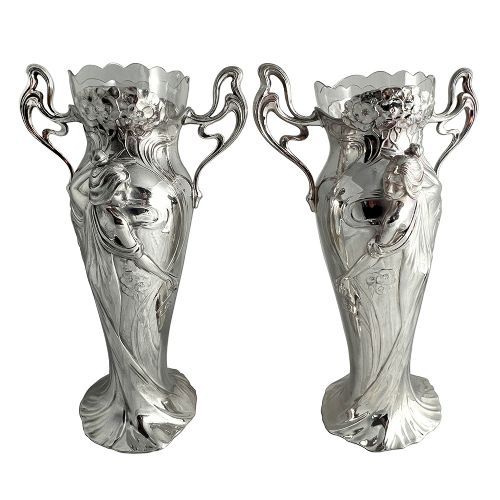
The most common forms encountered in this search include decorative vases, decanters, apothecary jars, and finger bowls. English, French, and Bohemian workshops dominate the origin of these items, showing varied regional preferences in colour and silhouette.
Makers utilised distinct methods for domestic display and service, creating balanced pairs intended for mantelpieces, sideboards, and dining tables. Each matched set demonstrates the historical demand for symmetrical interior decoration.
Materials and production methods
Makers relied primarily on glass and lead crystal, shaping molten material through blowing and moulding techniques. Clear glass formed the base for many pieces, while others incorporated ruby, amber, blue, and cranberry pigments directly into the melt.
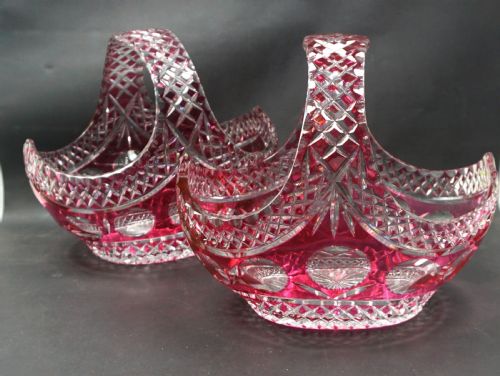
Decoration required specialised secondary processes such as cutting, etching, enamelling, and gilding with gold leaf. Some items feature overlay techniques, where multiple layers of coloured glass were fused together before being cut away to reveal contrasting depths.
Metal mounts and stands occasionally housed these glass bodies, combining pewter frames with blown vessels to achieve secure structural support and distinct aesthetic contrast.
Listings for an antique glass vessel pair span nineteenth-century Victorian forms through to early twentieth-century Art Deco designs in glass and lead crystal.
Quality factors in glass vessels
Superior examples display precise symmetry between the two items in a pair, showing uniform wall thickness and consistent colour saturation across both pieces. The clarity of the glass and the sharpness of any cut or etched patterns distinguish higher grade output from simpler domestic wares.
The complexity of the manufacturing technique elevates the standing of a pair, such as triple-cased Bohemian layers or detailed enamel work featuring fish and water plants. Well-executed gilding and intact applied gold leaf also indicate superior workshop standards.
Condition remains central to quality, with pristine surfaces, minimal wear to high points, and original matching components securing the integrity of the ensemble.
Val St Lambert·Harrach·Loetz·J Reinemann
The Antique Glass Vessel Pair Glossary
- Lead crystal
- A type of glass containing lead oxide, which increases the weight, clarity, and refractive index of the material. This composition allows for deep, sharp wheel-cutting.
- Cased glass
- Glass formed of two or more distinct layers of different colours, often associated with Bohemian production. Craftsmen cut through the outer layer to expose the contrasting colour beneath.
- Apothecary jar
- A large vessel originally used by pharmacists to store dry drugs or liquids. In domestic settings, these large lidded containers served decorative purposes.
- Rummer
- A large drinking glass with a short stem and a capacious bowl, popular in the nineteenth century for serving wine or punch.
- Decalcomania
- A decorative technique involving the transfer of printed designs onto glass surfaces. It appeared frequently on Victorian decorative vases.
Antique Glass Vessel Pair: Frequently Asked Questions
Were these pairs always intended for display?
Many vessel pairs served active household functions, such as decanters holding spirits, finger bowls used at dining tables, or apothecary jars containing dry goods. Over time, their utility shifted as interior fashions embraced purely ornamental display.
Matching sets often occupied prominent positions on mantelpieces or sideboards to demonstrate household refinement and symmetry.
How can I tell Bohemian glass from English glass?
Bohemian pieces frequently employ vibrant coloured grounds, heavy gilding, and complex cased layers that showcase deep cutting techniques. English production of the same era often favoured clear lead crystal, delicate etching, or specific regional colours like cranberry and blue.
Examining the weight, tint, and surface ornamentation usually reveals the likely country of origin.
What does a carboy denote in glass history?
A carboy is a large, globular vessel designed to hold liquids securely during storage and transport. Nineteenth-century examples often feature thick, heavy walls produced to withstand industrial or domestic use.
In modern interiors, these large glass bodies are frequently repurposed as decorative floor vases or sculptural objects.