




19th Century Bohemian Glass
These colourful 19th century bohemian glass items bring striking Victorian display and function to any room through rich coloured and cased glass.
What 19th century bohemian glass pieces are
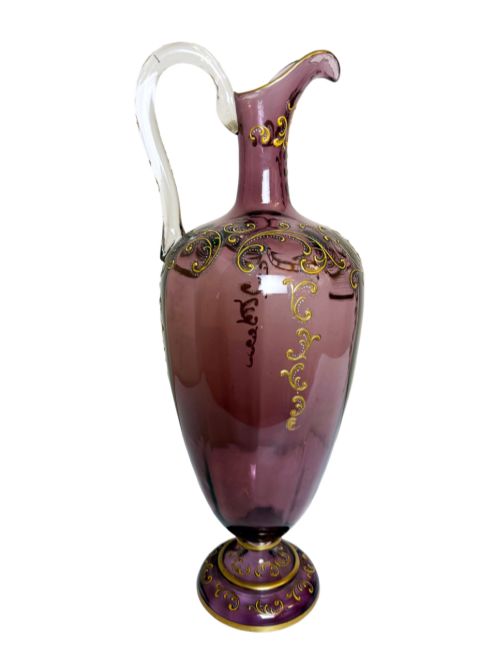
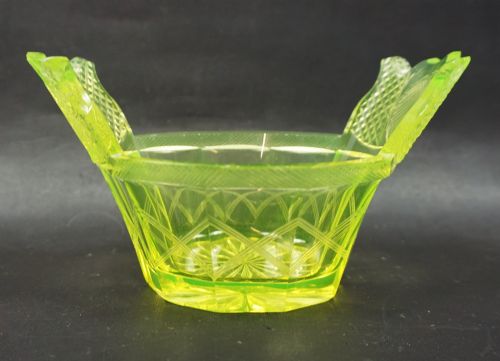
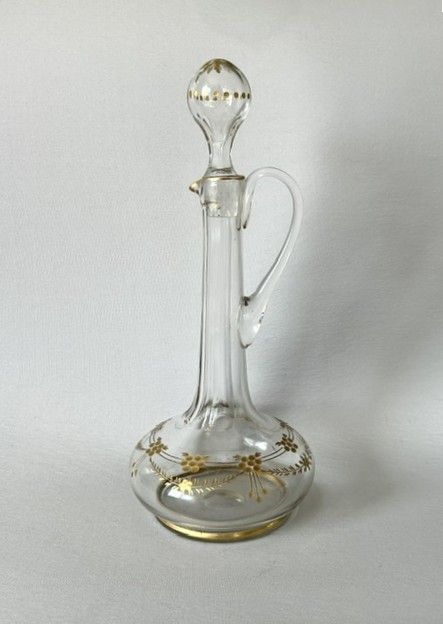
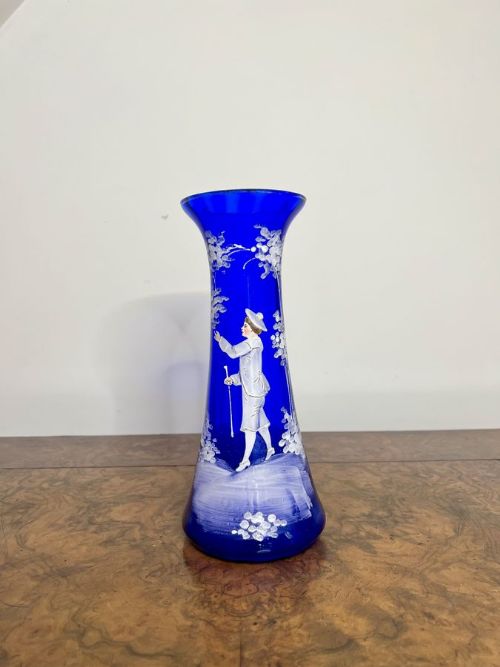
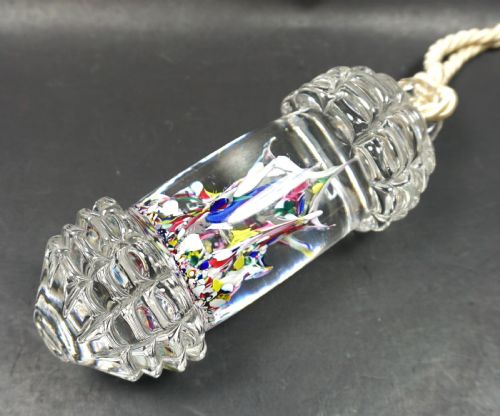
When you search for 19th century bohemian glass, you encounter a wide selection of decorative objects and tableware spanning the Victorian era. The most frequent finds on this page include vases, scent bottles, and various drinkware such as goblets, wine glasses, and carafes.
Makers produced these decorative glassware items across several decades, with pieces recorded from the 1830s through to the end of the century. Forms range from large standing bowls and decanters to small shot glasses and perfume bottles, often appearing in pairs.
The selection reflects both Victorian taste and the distinct output of Bohemian glasshouses. Buyers regularly find items grouped under Victorian, Victorian Bohemian, and Bohemian styles.
How they were made
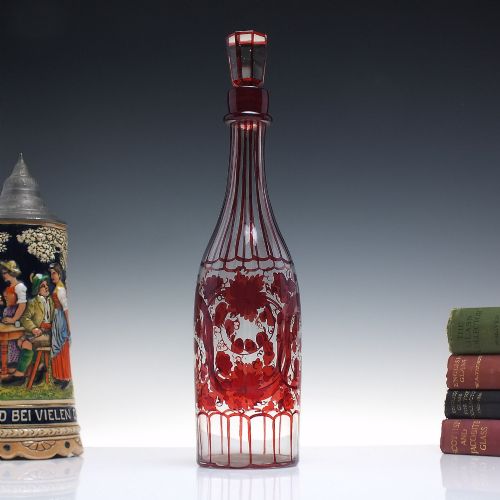
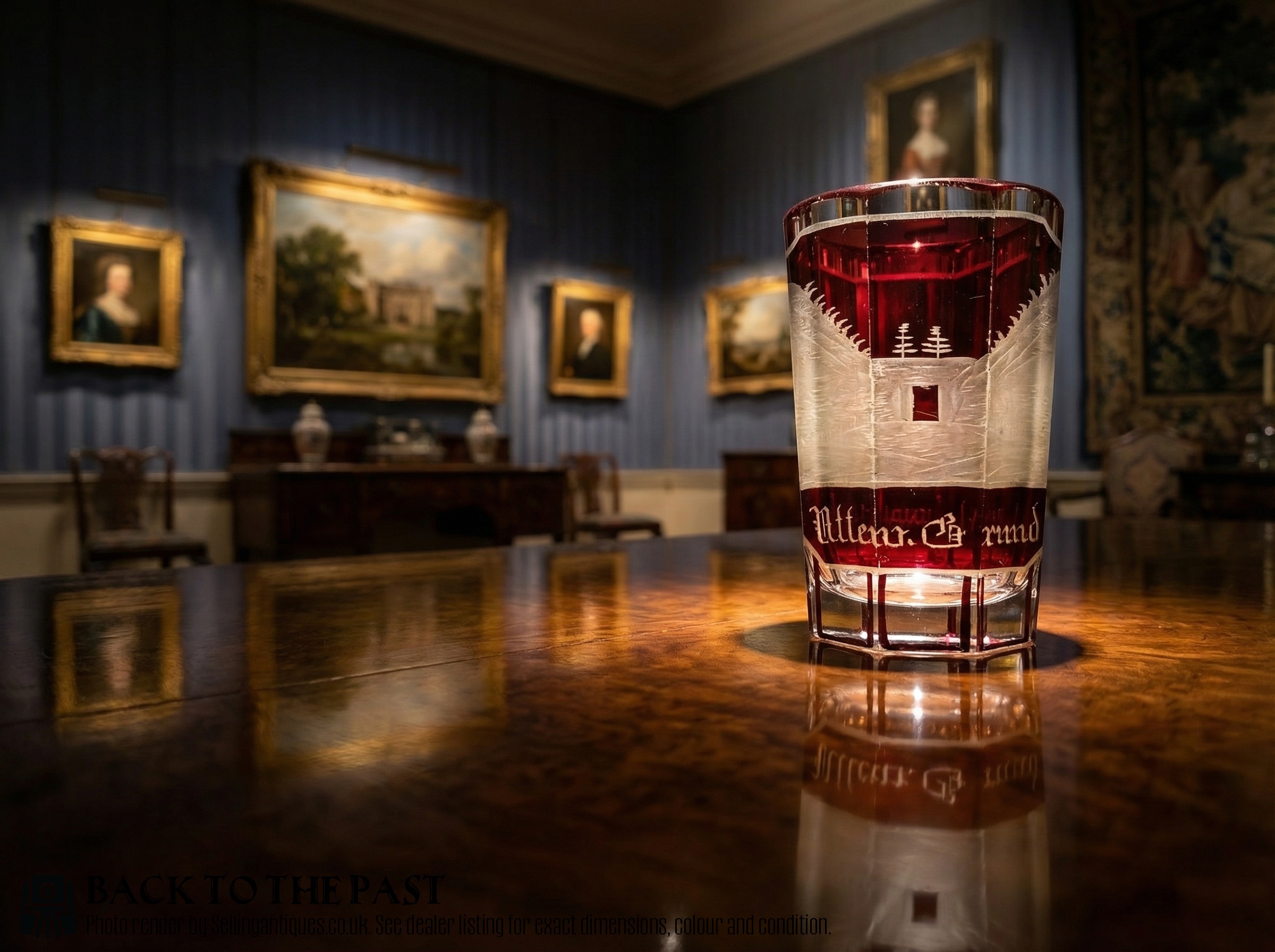
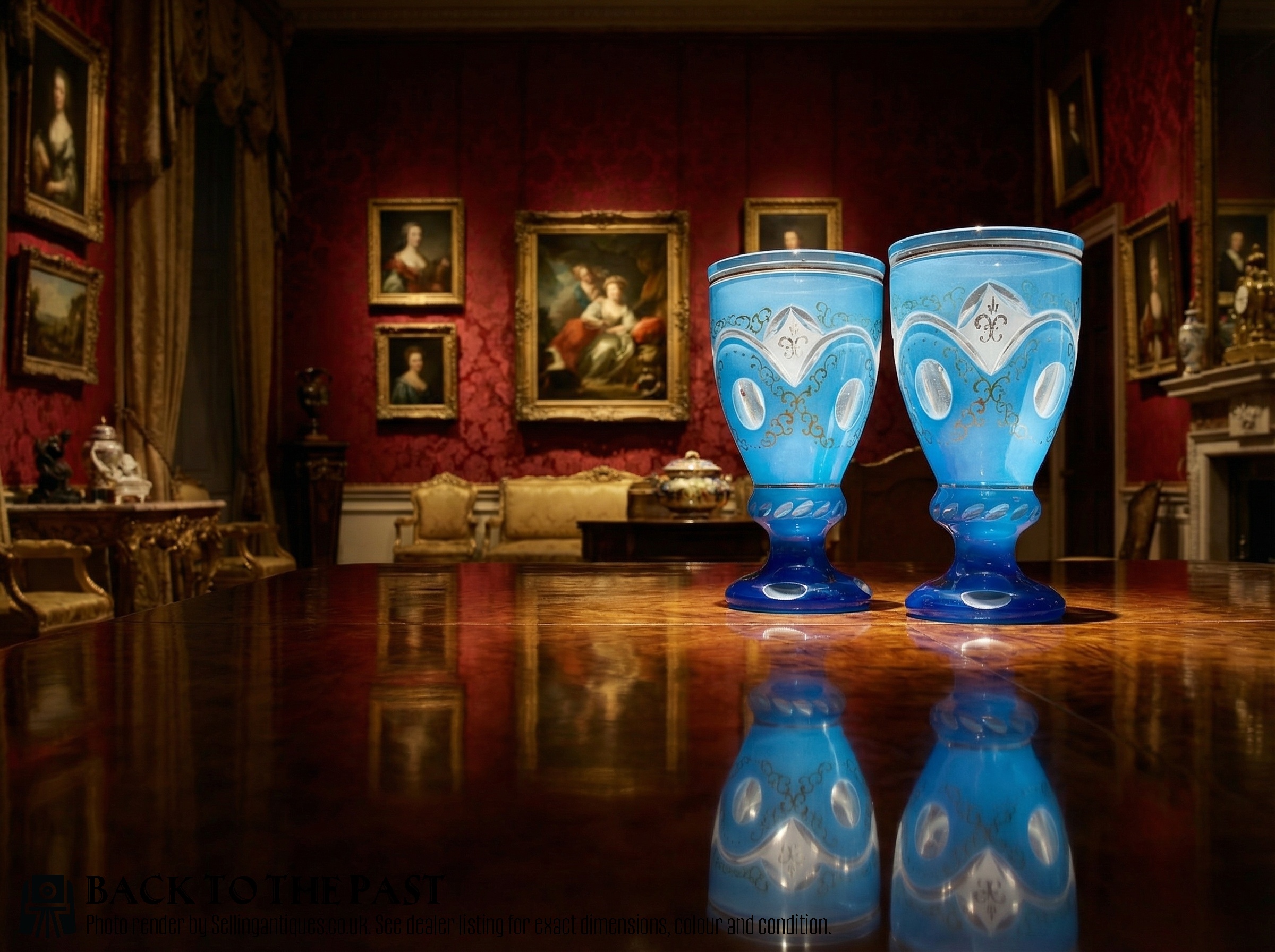
Craftsmen utilised various glass techniques including cased glass, ruby flashed glass, opalescent glass, and trailed glass. Many pieces involve layering distinct coloured glass to achieve deep tones like ruby, green, blue, and amber.
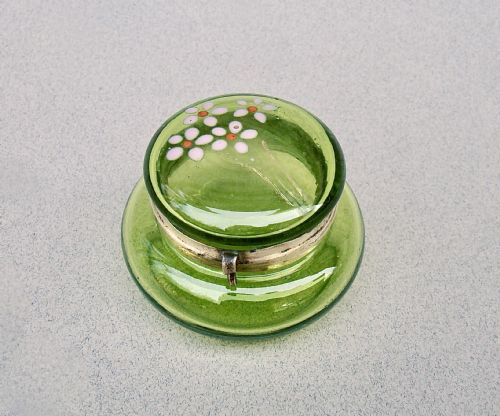
Decoration often involved gold leaf application, enamel work, and detailed surface engraving. Certain vessels incorporate silver or silver gilt mounts alongside the glass bodies.
The 19th century bohemian glass listings on this site record items from the 1830s, 1860s, 1870s, and 1880s.
What varies in quality
Quality differences appear in the complexity of the glass structure, such as triple cased layers rather than simple single-colour fabrication. The depth and precision of surface engraving or the intricacy of enamel and gold leaf detailing separate standard items from finer works.
The presence of precious metal mounts, including silver or silver gilt collars on scent bottles, elevates the standing of a piece. Artisanal skill in handling ruby flash and oxide cut techniques also distinguishes the range.
Harrach
The 19th Century Bohemian Glass Glossary
- Cased Glass
- Glass made from multiple distinct layers of different colours, often fused together while hot. This technique allowed craftsmen to cut through the outer layer to reveal the contrasting colour underneath.
- Ruby Flashed Glass
- Clear or tinted glass coated with a thin layer of ruby-coloured glass before being blown or shaped. The outer layer was frequently engraved or cut away to create patterns.
- Opalescent Glass
- Glass that has a milky, semi-translucent appearance with pearlescent highlights. It scatters light to show shifting tones.
- Trailed Glass
- Molten glass threads applied to the surface of a vessel for decoration. These trails add texture and raised linear patterns.
- Spa Beaker
- A type of drinking vessel traditionally used at European mineral spring resorts during the period. They often feature specific regional engravings.
Frequently Asked Questions
How do I identify 19th century bohemian glass?
Look for characteristic Victorian forms, distinct material treatments like ruby flash or cased layers, and traditional decorative techniques including enamel and gold leaf.
Examining the weight, the precision of any cut or engraved details, and the colour depth helps confirm the period origin.
Were these glass items used daily?
Many pieces such as wine glasses, goblets, carafes, and decanters served practical dining functions in 19th-century households.
Other items like scent bottles and decorative vases were primarily intended for display on dressing tables or mantelpieces.
What colours are most common?
Ruby red is particularly prominent among surviving examples, alongside green, blue, and amber tones.
Opalescent and clear glass with gold or enamel embellishments also appear frequently across the inventory.
How should I clean antique glass?
Wash pieces gently by hand using lukewarm water and mild soap, avoiding abrasive sponges or harsh chemicals that might damage gold leaf or enamel.
Take extra care with items featuring silver mounts or delicate surface engraving.