
Victorian Gentlemans Cane
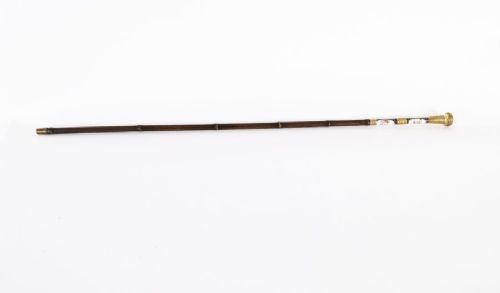
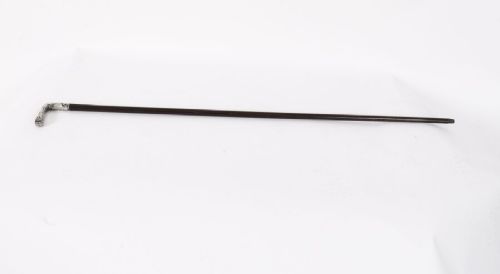
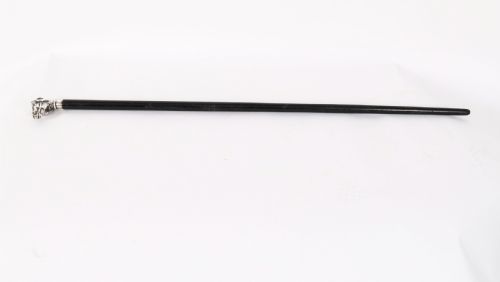
A victorian gentlemans cane is a functional accessory of status, and these pieces offer carved animal handles, precious metal mounts and concealed blades.
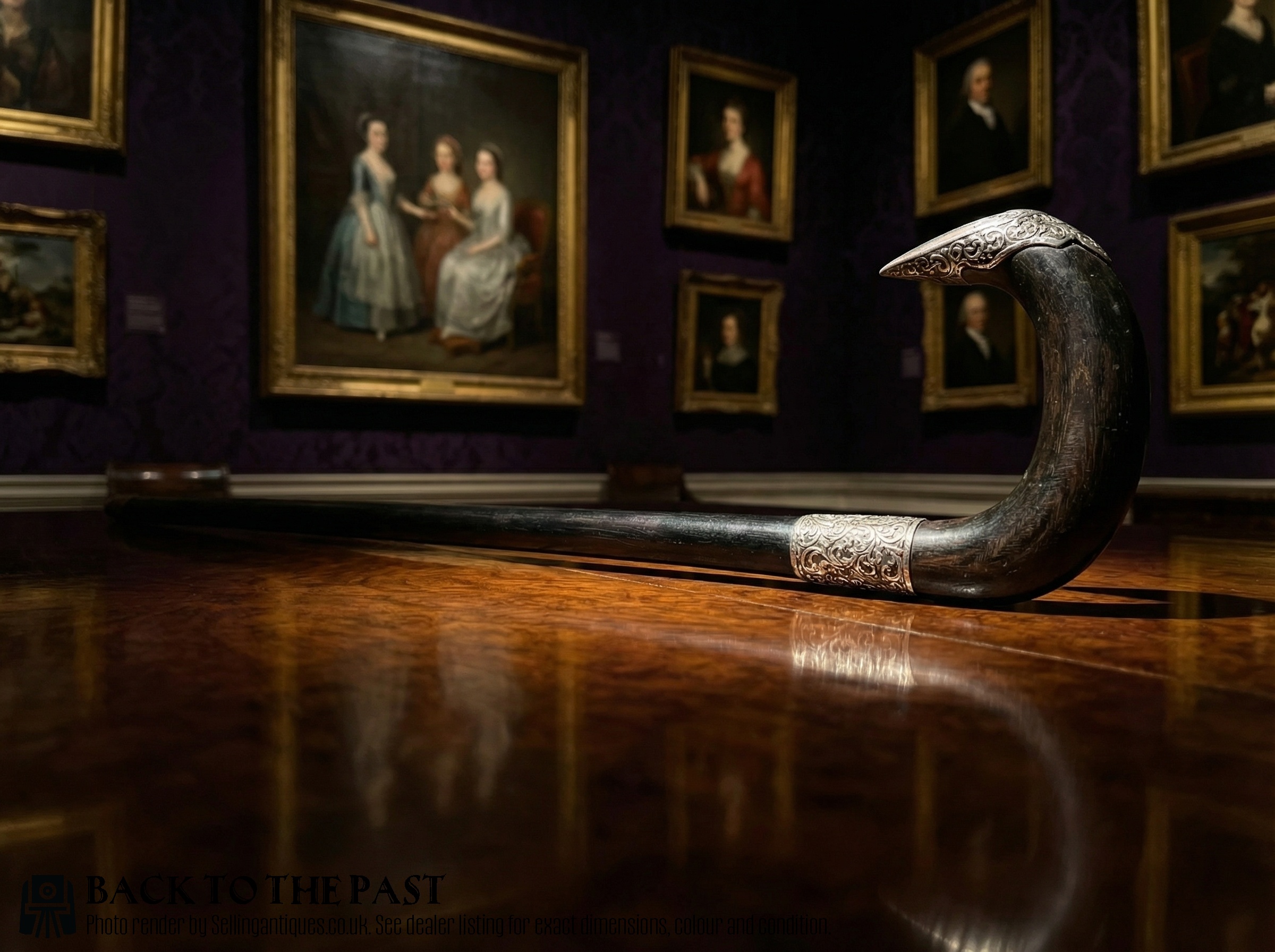
Victorian Gentlemans Cane
The specimens appearing most frequently on this page originate from the nineteenth century, including specific dates across the victorian and edwardian eras. Makers utilised diverse materials ranging from simple hardwoods to precious metals, creating both everyday accessories and elaborate presentation pieces.
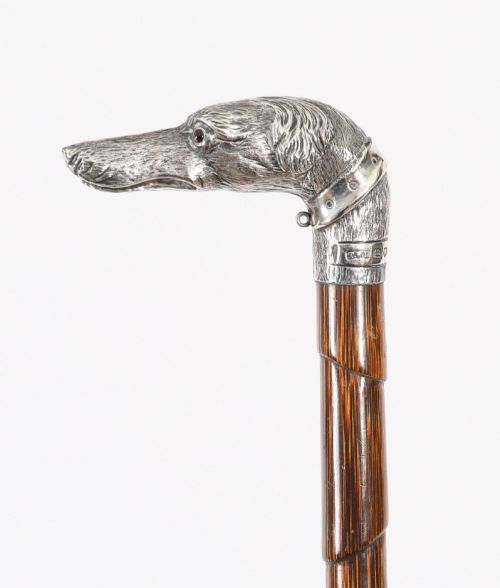
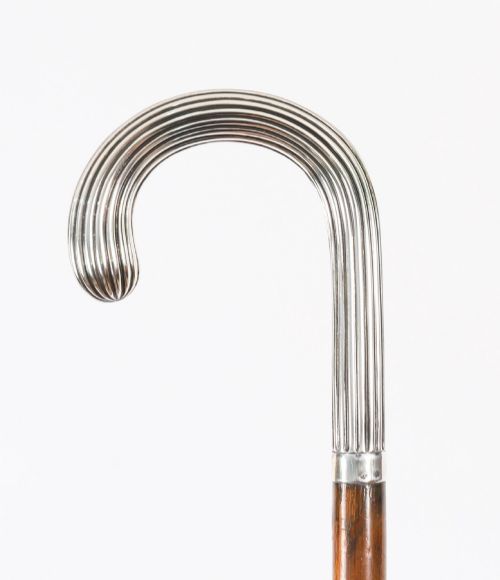
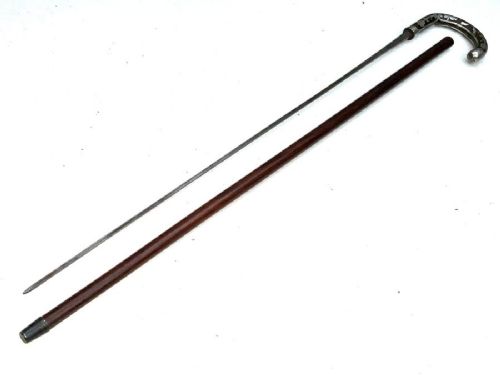
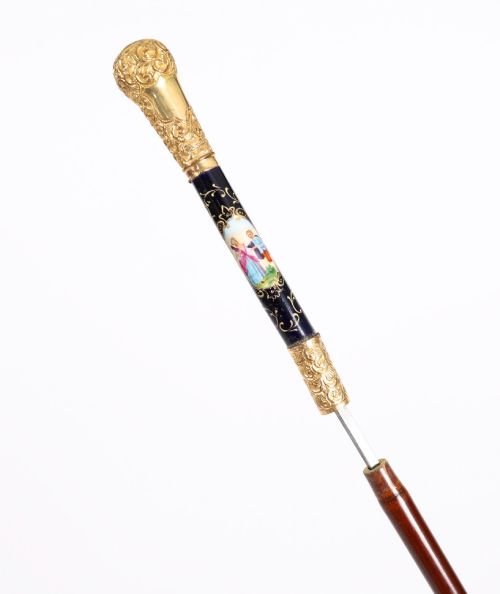
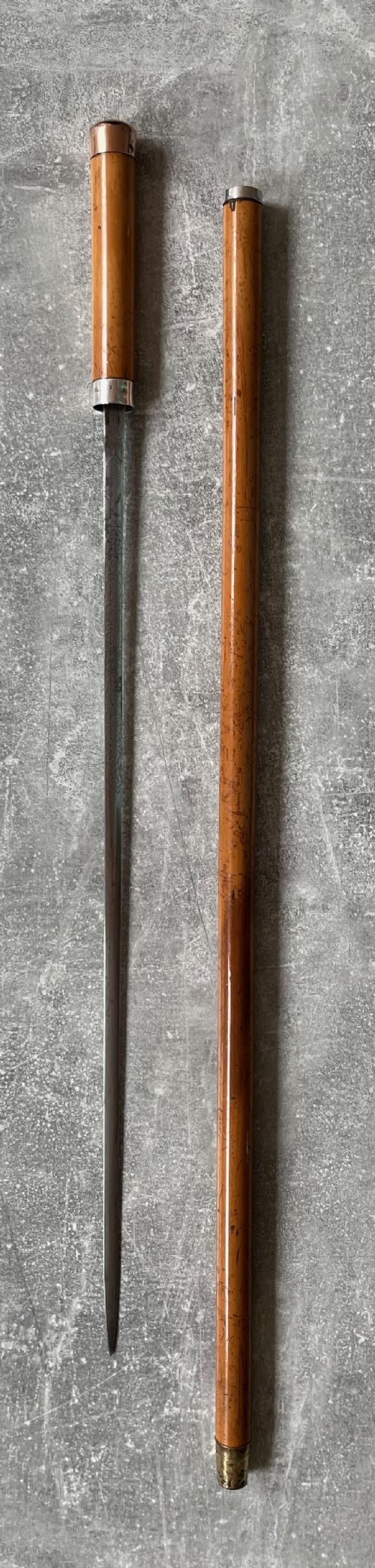
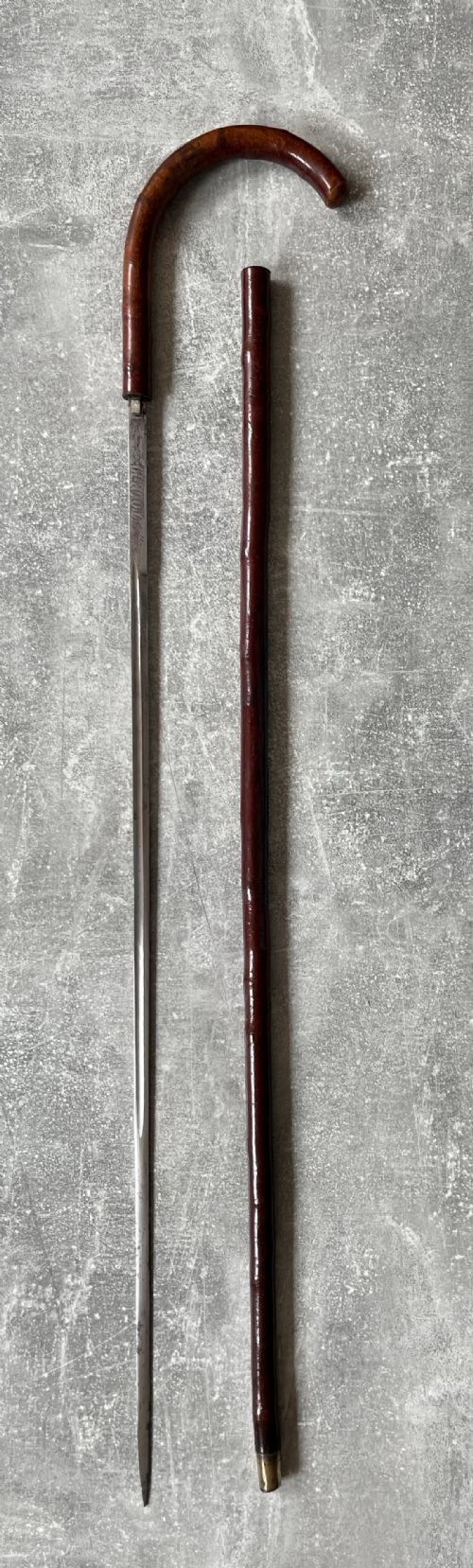
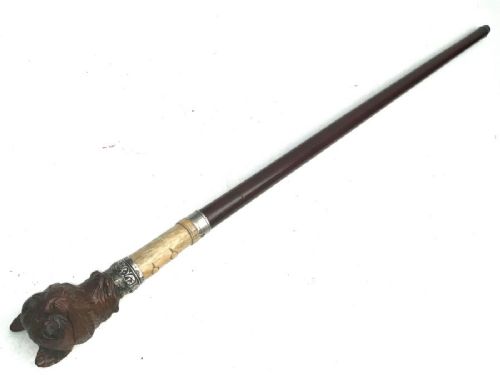
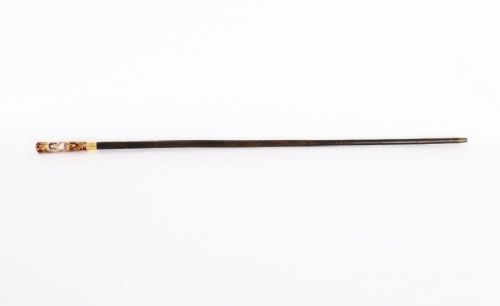
Forms vary from simple crook-handled walking sticks to ornate items featuring silver animal heads, porcelain sections, or military associations. Collectors encounter examples spanning from plain cherrywood shafts to sophisticated silver-mounted malacca pieces with etching upon the blade.
Materials and construction methods
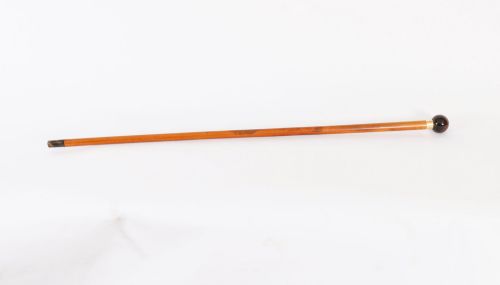
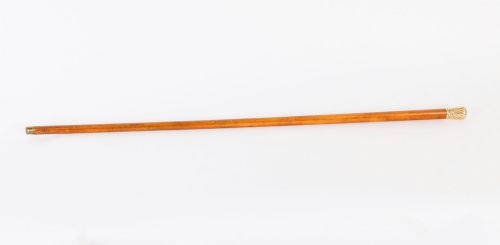
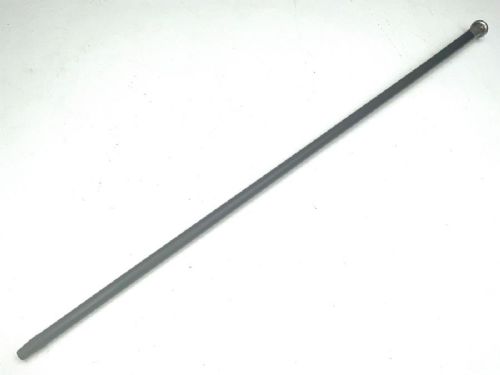
Craftsmen built shafts from sturdy natural materials such as malacca, partridge wood, cherrywood, hazel, snakewood, ebony, and ebonised wood. These timbers provided the necessary rigidity and resilience for daily support and housing concealed elements.
Handles and collars incorporate metals including silver, gold plate, brass, and steel, often joined with natural horn and porcelain components like sevres porcelain. Many incorporate detailed figural pommels shaped as greyhounds, horses, boars, and pheasants.
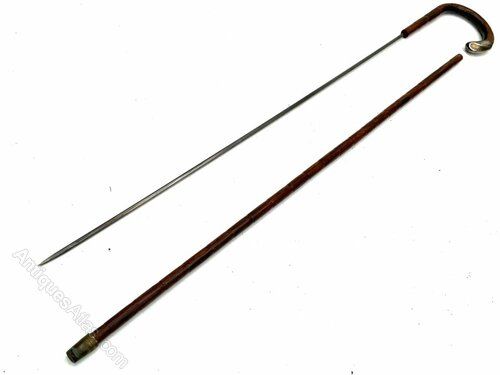
Swords contained within the shafts feature tempered steel blades, with notable examples bearing signatures from makers like Wilkinson or originating from Toledo. Complex mechanisms utilise button releases to secure the internal blade or gadget safely within the wooden shaft.
Listings feature periods spanning from the nineteenth century through to the edwardian era, utilising materials such as silver, steel, horn, and various hardwoods.
Distinguishing quality and execution
The standard of a victorian gentlemans cane depends heavily upon the precision of its metalwork, the artistry of the handle carving, and the integrity of the concealed mechanism. Superior specimens exhibit finely chased silver pommels, fully functional hidden compartments, and robust blade integration.
Material selection dictates overall grade, where solid gold or high-grade silver mounts paired with exotic woods like malacca or snakewood outclass simpler plated hardware and common timbers. Hallmarked silver and documented maker signatures elevate the authority and desirability of the piece.
Thomas Johnson·Brigg·Wilkinson·Wang Hing and Company
The Victorian Gentlemans Cane Glossary
- Pommel
- The decorative handle at the top of a walking stick. These often take the form of metal caps, animal heads, or carved horn.
- Sword stick
- A walking cane designed with a concealed internal blade. A button release or friction fit typically secures the blade inside the wooden shaft.
- Gadget cane
- A multi-functional walking stick incorporating hidden mechanisms. Examples include items housing watches, snuff boxes, or operating as operational toolkits.
- Malacca
- A type of rattan cane prized for its strength and distinctive brown mottled surface. Makers frequently used this material for high-quality sword sticks.
- Ebonised wood
- Timber treated to resemble ebony through staining and polishing. This technique provided a uniform black finish for formal walking canes.
Victorian Gentlemans Cane: Frequently Asked Questions
What is a sword stick?
A sword stick is a walking cane that houses a concealed steel blade within its hollow wooden shaft. The blade remains locked securely inside until released by a button or a pull mechanism.
These pieces combined the utility of a walking support with personal defence. They were carried by gentlemen during the nineteenth and early twentieth centuries.
How do you open a gadget cane?
Gadget canes usually open through concealed latches, unscrewing sections, or spring-loaded button releases near the handle collar. The mechanism depends entirely on the specific function housed within the cane.
Careful inspection of the collar and handle join reveals the operational seam. Many hide snuff boxes, watch movements, or concealed compartments behind seemingly solid metal mounts.
What woods were used for shafts?
Shafts were constructed from durable natural timbers including malacca, partridge wood, cherrywood, hazel, snakewood, ebony, and rosewood. Woods were chosen for their straight grain, flexibility, and strength.
Some timbers received ebonisation treatments to achieve a deep black finish suitable for formal wear. Others retained their natural grain and mottled patterns, such as malacca and partridge wood.
Are these canes hallmarked?
Many silver and gold mounts feature British hallmarks or continental silver stamps indicating the assay office and year of production. These marks assist in dating the metal components of the cane.
Not all mounts carry full hallmarks due to wear or foreign origin. Unmarked silver and gold plate remain common across continental and export pieces from the period.