

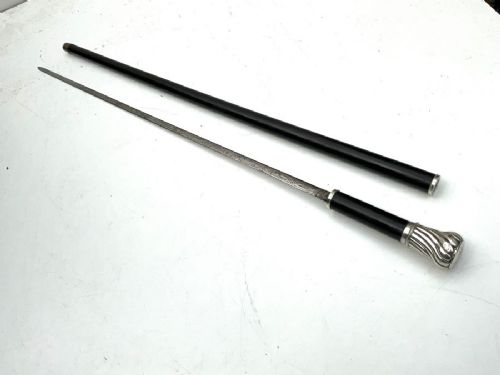
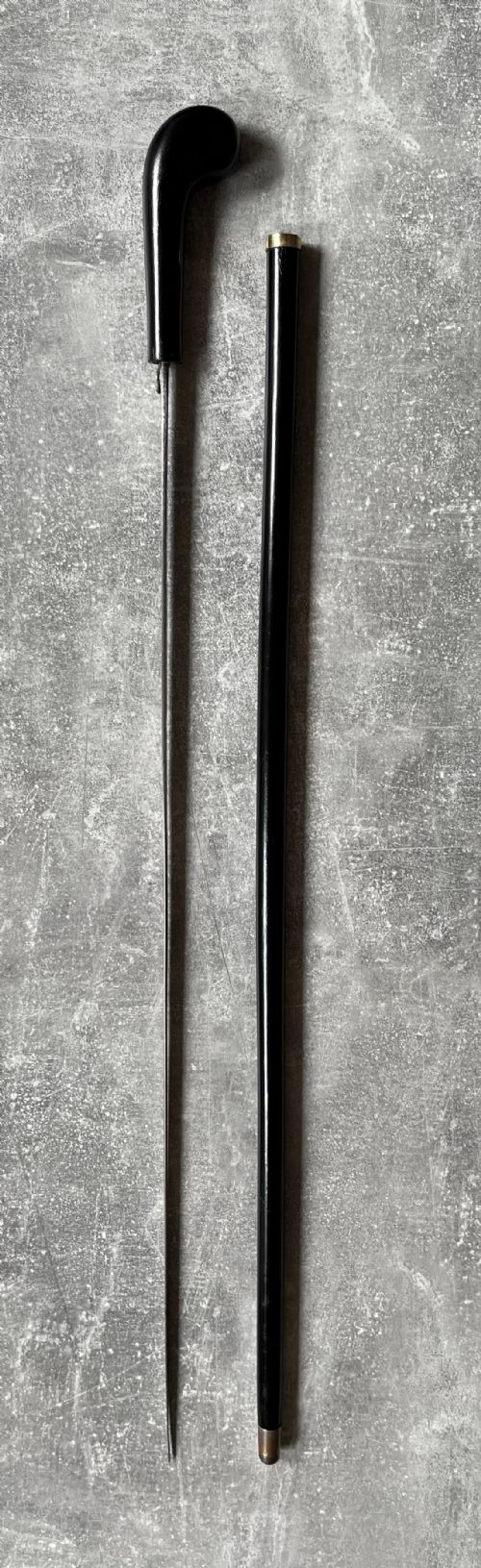


Antique Cane Defence Weapon
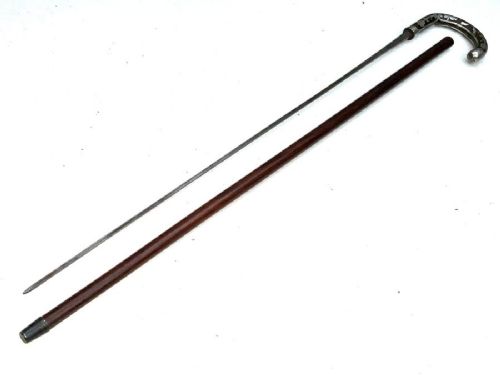
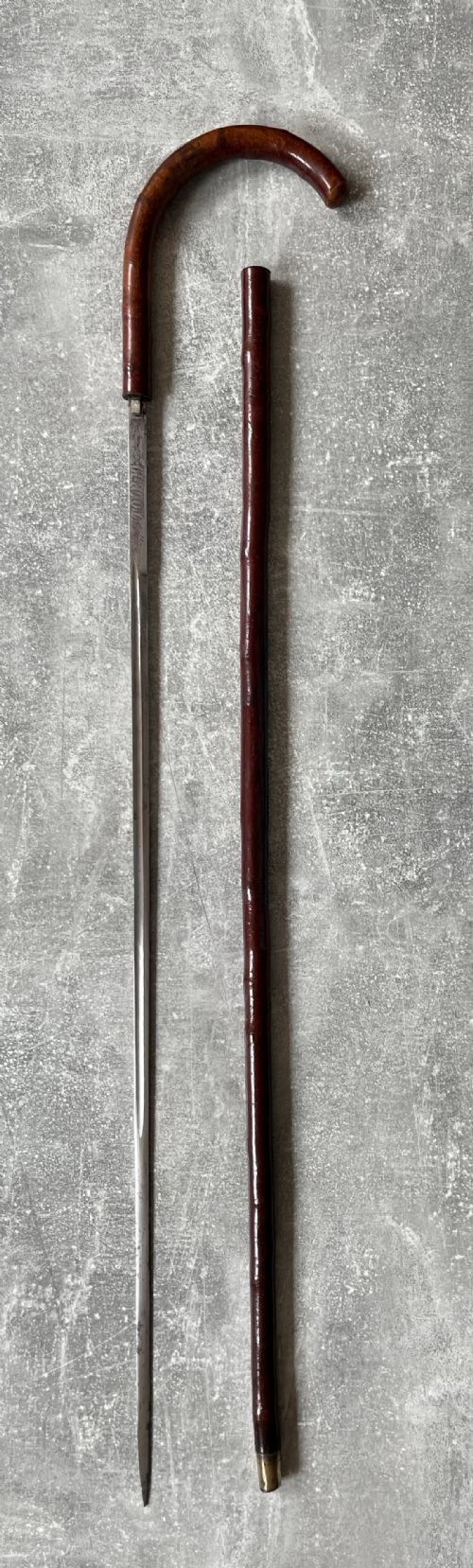
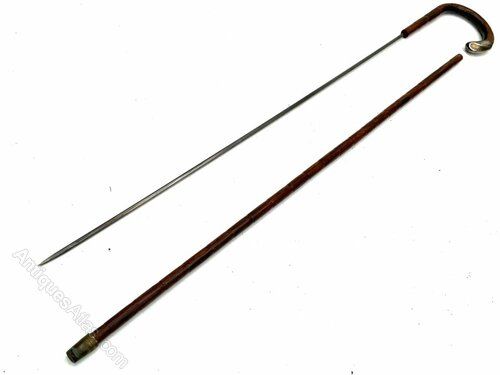
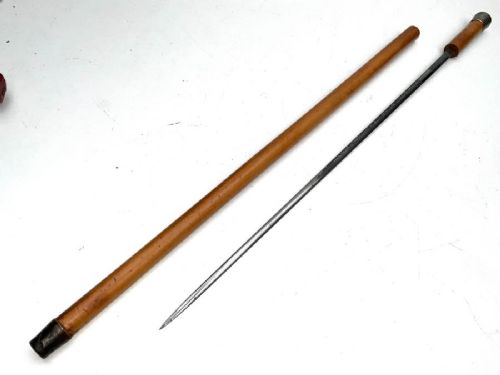
These antique cane defence weapons are practical personal protection pieces disguised as everyday walking sticks, offering a fascinating glimpse into historical self-defence.
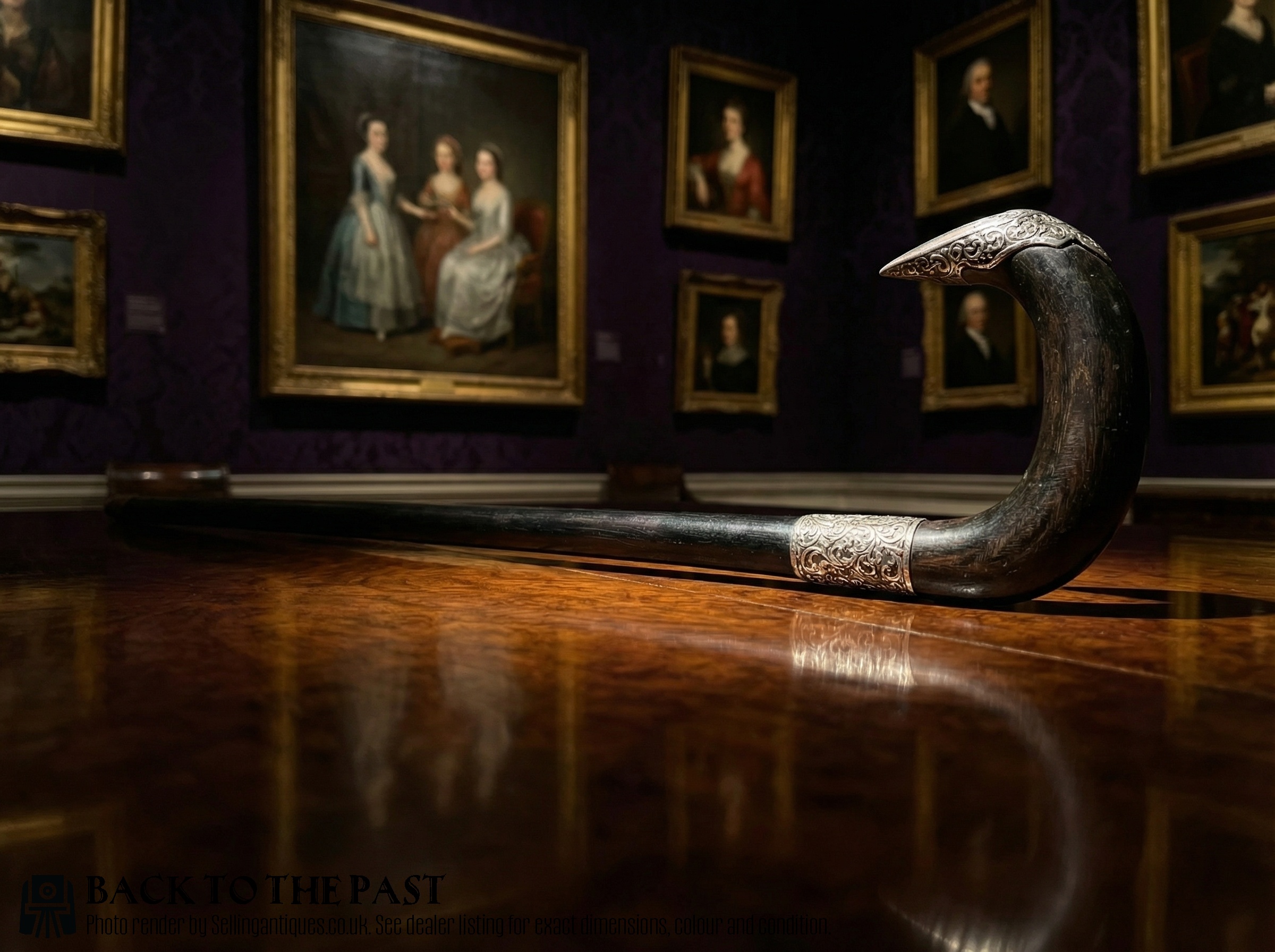
Antique Cane Defence Weapon
An antique cane defence weapon serves as a discreet personal protection tool, combining the appearance of a gentleman's everyday walking stick with a concealed blade. Most examples encountered here date from the Victorian era up to the 1930s, spanning decades of traditional craftsmanship.
How they were made
Craftsmen utilised sturdy natural materials for the exterior shafts, selecting woods such as cherrywood, partridge wood, malacca, bamboo, rosewood, chestnut, and ebonised wood. Horn and silver mounts frequently provided functional and decorative accents to the grips and collars.
The concealed blades were forged from steel, with specific examples housing imported Toledo blades or Wilkinson blades designed for durability. These components fit securely within the wooden housings to maintain the illusion of a standard walking stick.
Some gentlemen preferred a menacing root ball handle to ensure a firm grip while strolling through foggy Victorian streets.
What varies in quality
The distinction between standard and superior pieces rests on the refinement of the materials and the pedigree of the blade. Named makers and renowned blade smiths elevate a piece beyond basic utilitarian construction.
Details such as silver mounts, horn handles, and specialised grip configurations like root ball or hammer head designs indicate higher tiers of manufacture and finish.
BRIGG·Wilkinson
The Antique Cane Defence Weapon Glossary
- Sword stick
- A walking cane with a concealed metal blade housed inside the shaft. This combination allowed gentlemen to carry a discreet weapon for personal defence.
- Toledo blade
- A steel blade produced in Toledo, Spain, known historically for exceptional metalworking standards. These blades were often imported and fitted into British and European walking sticks.
- Wilkinson blade
- A steel blade manufactured by the renowned British company Wilkinson Sword. Their inclusion indicates a piece of higher manufacturing pedigree.
- Ebonised wood
- Timber treated and finished to resemble ebony, providing a dark and uniform appearance. This technique was frequently utilised on Victorian walking stick shafts.
- Root ball handle
- A natural wooden handle formed from the root mass of a tree. This organic formation provided a sturdy and unique grip for the user.
Antique Cane Defence Weapon: Frequently Asked Questions
What is an antique cane defence weapon?
These items are traditional walking sticks engineered with hidden steel blades inside the shafts. They were carried by gentlemen in the nineteenth and early twentieth centuries for personal protection.
The exterior appearance mimics a standard walking cane to avoid drawing attention. Inside, the concealed blade provides an immediate defence mechanism when drawn from the wooden housing.
How do I date these walking sticks?
Dating relies on identifying the period styles, materials, and any maker marks present on the mounts or blades. Pieces on this page span from the Victorian era through the 1930s.
Examining the type of wood, such as ebonised timber or partridge wood, alongside the style of silver collars helps narrow down the decade of manufacture.
What materials were used for the shafts?
Makers utilised a wide variety of dense woods and natural materials for the outer casing. Common examples include bamboo, cherrywood, chestnut, malacca, partridge wood, and rosewood.
Additional materials like horn, silver, and brass frequently appear on the collars, mounts, and handles to reinforce the structure and enhance the appearance.
Are the blades marked by makers?
Some blades feature specific stamps or signatures indicating their origin, such as renowned Toledo blades or Wilkinson blades. Other examples remain unmarked, reflecting standard workshop production.
Examining the metal components close to the collar often reveals maker details or silver hallmarks that verify the piece's history.