
Victorian Gentleman Portrait Painting
When evaluating a victorian gentleman portrait painting, you examine the character and social standing captured by nineteenth-century artists.
Victorian Gentleman Portrait Painting
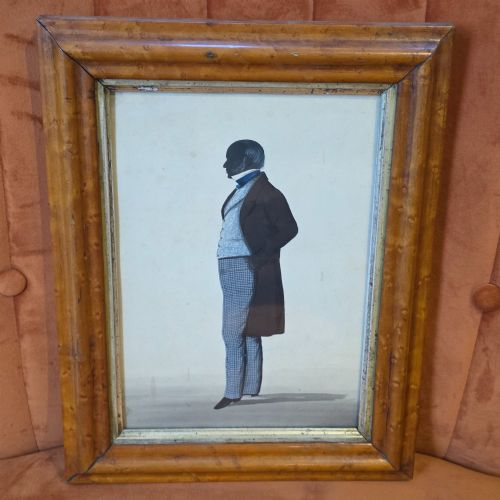
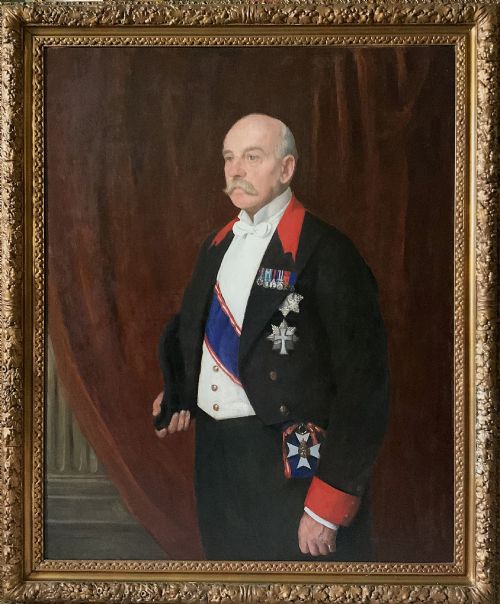
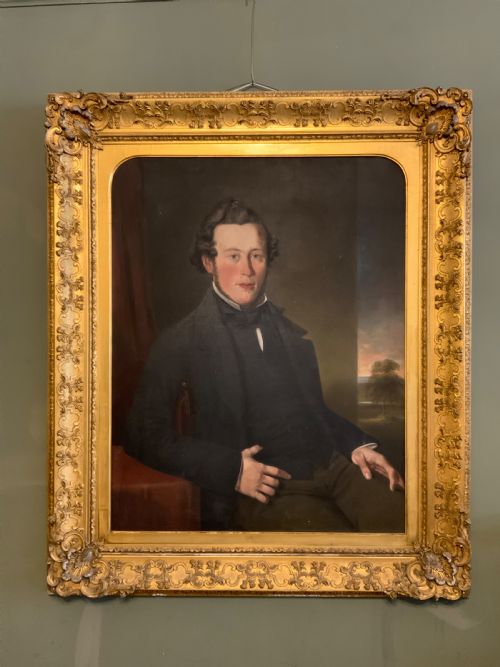
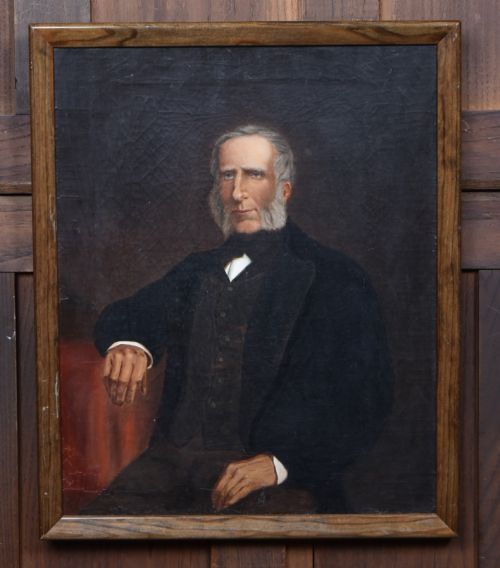
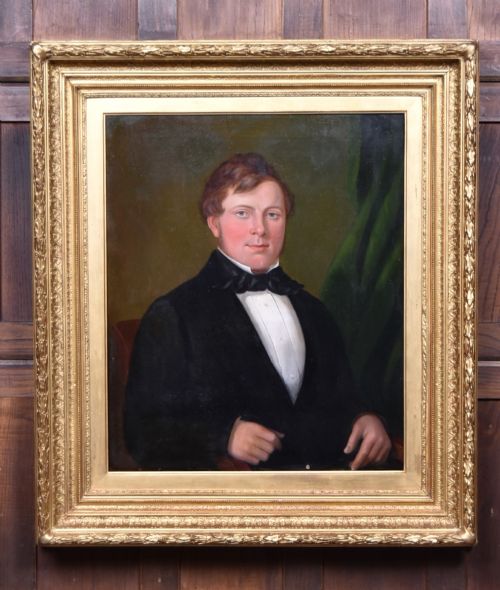
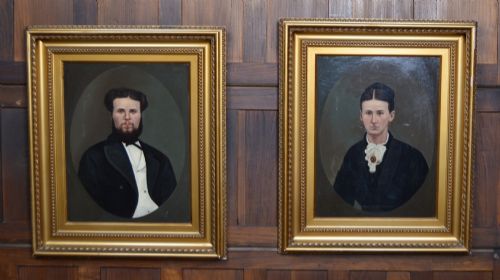
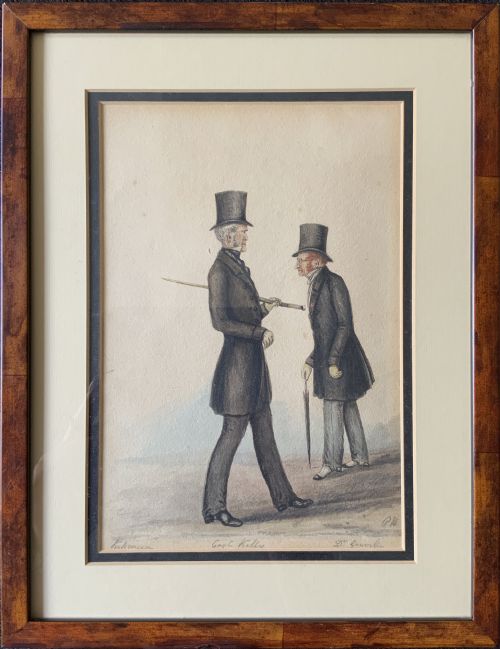
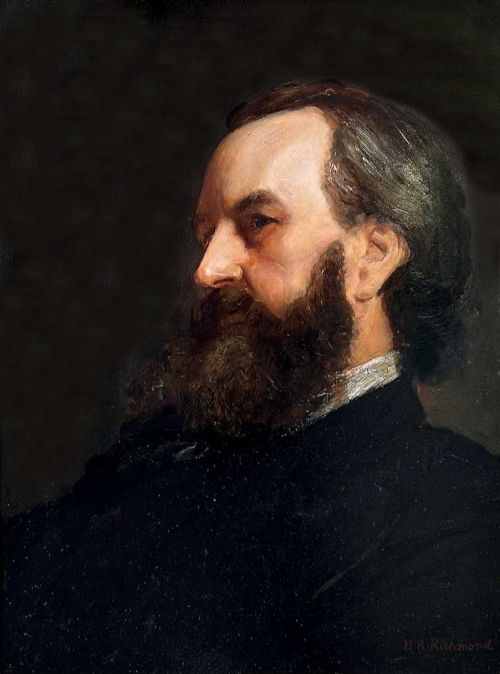
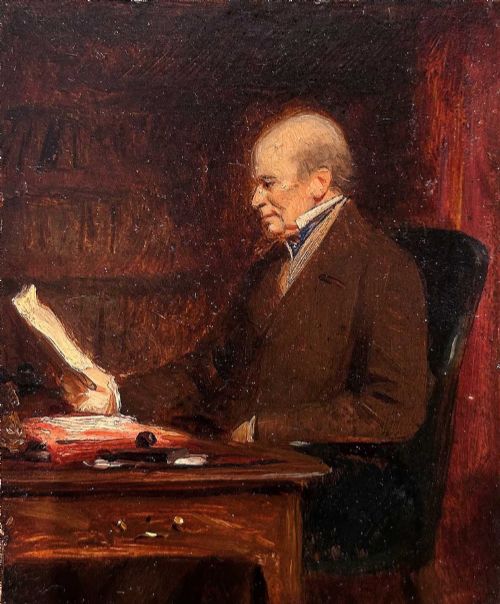
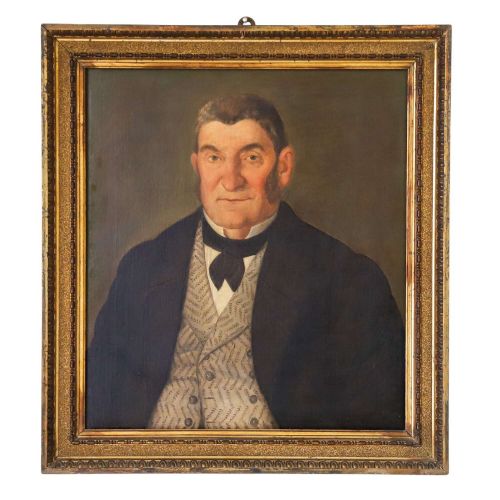
A victorian gentleman portrait painting depicts male subjects from the nineteenth century, ranging from military figures and noblemen to mill owners and ordinary citizens.
Most pieces encountered on this page originate from the Victorian and wider nineteenth-century periods, capturing the likeness of subjects through formal attire and domestic settings.
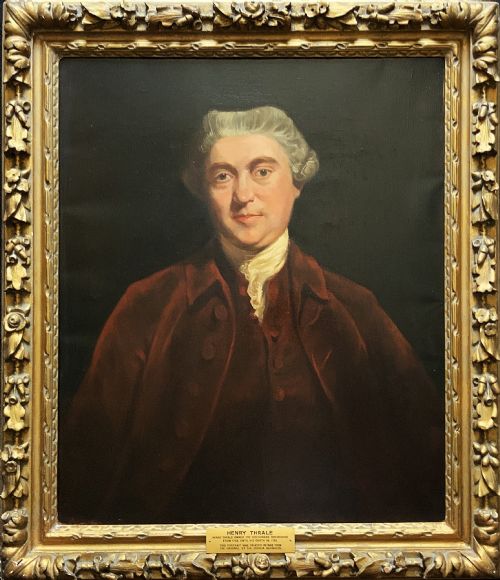
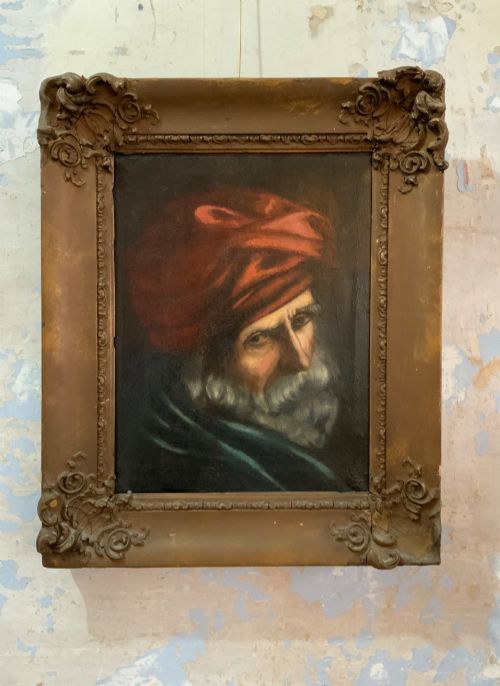
Surviving examples span oil on canvas, oil on board, and delicate watercolours, reflecting the diverse portraiture traditions of British and European schools.
How They Were Made
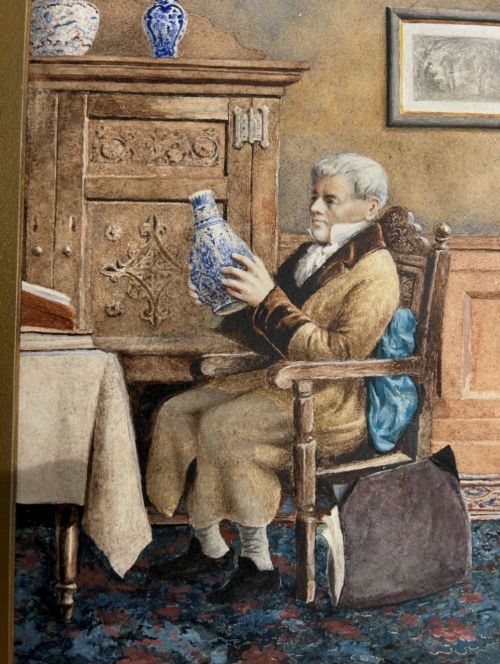
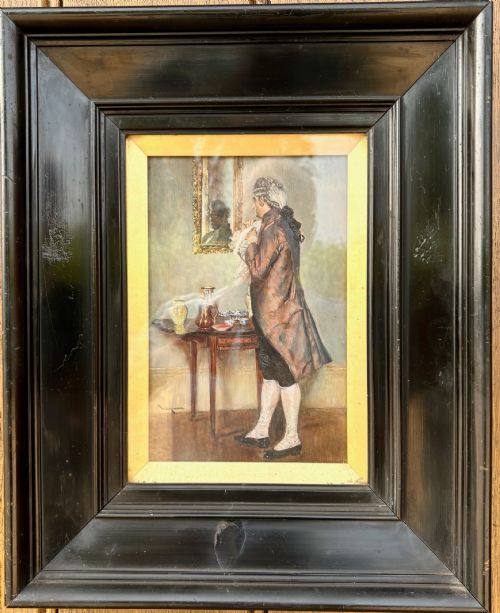
Watercolour works utilised pigment washed over paper or mounted behind protective glass, often finished with fine brushwork for facial details.
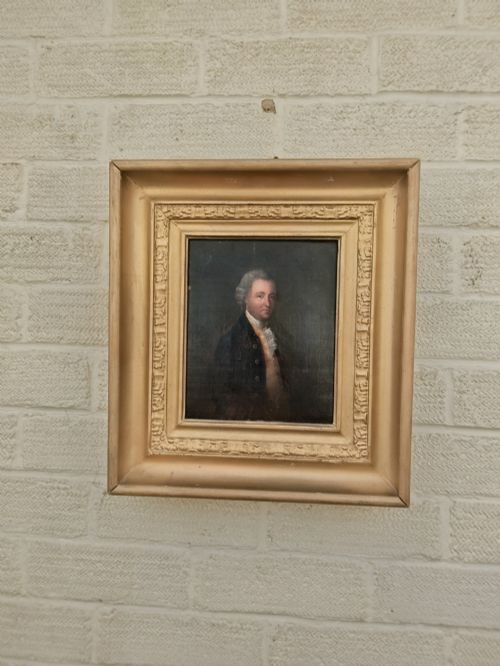
Many works retain their original frames constructed from giltwood or gilt gesso, decorated with moulded ornamentation suited to nineteenth-century interiors.
Victorian Gentleman Portrait Painting Retail Price Guide 2026
Typical asking prices for victorian gentleman portrait painting among the pieces listed under this phrase on Sellingantiques today, from the lower quarter to the upper quarter. They describe what is for sale here now, not the wider market.
Listings feature works spanning the Regency, Victorian, and Edwardian periods, executed in oil, watercolour, and silhouette.
What Varies in Quality
Anatomical precision and psychological depth distinguish accomplished portraiture from formulaic commercial output, separating lifelike character studies from rigid likenesses.
The handling of textiles and light, particularly the rendering of heavy wool, silk lapels, and ambient shadow, marks the skill of the painter.
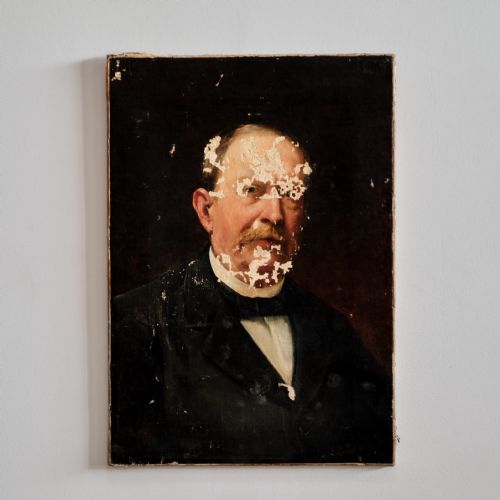
Framing integrity and the preservation of the original support surface contribute significantly to the overall standing of an individual artwork.
William Blake Richmond·Stephen Pearce·Frederick Goodall·Lance Calkin·John Watkins Chapman
The Victorian Gentleman Portrait Painting Glossary
- Oil on Canvas
- Pigment bound in drying oil applied to a woven fabric support. This was the primary medium for substantial nineteenth-century portraits.
- Giltwood
- Wood carved and covered with a thin layer of gold leaf. Frames of this material frequently accompany formal Victorian artwork.
- Portrait Miniature
- A small-scale likeness created on ivory, paper, or card, often designed to be held in the hand or worn as jewellery.
- Watercolour
- Pigment suspended in a water-soluble vehicle applied to paper. These works offer a lighter, more transparent finish than oils.
- Gesso
- A paint mixture consisting of a binder mixed with chalk, gypsum, or pigment. It served as a smooth base for gilding picture frames.
Victorian Gentleman Portrait Painting: Frequently Asked Questions
How do I identify the subject?
Inscriptions on the reverse of the canvas or paper often record the name, profession, or age of the sitter alongside the date.
Attire, military uniforms, and occupational items such as books or walking canes provide additional clues to the identity and social standing of the gentleman.
Where should I hang these paintings?
These portraits suit study rooms, libraries, and hallways where traditional lighting enhances the rich tones of oil paint and gilt frames.
Protect the canvas or paper from direct sunlight and excessive humidity to preserve the integrity of the pigments.
What is the difference between oil and watercolour portraits?
Oil paintings on canvas or board offer robust surfaces and deep, layered colours that capture heavy fabrics and dramatic lighting.
Watercolour portraits on paper present a lighter, more intimate aesthetic and typically require protective glass framing.
How do frames indicate age?
Original nineteenth-century frames utilise hand-carved wooden mouldings finished with gesso and gold leaf, showing subtle wear consistent with age.
Later replacement frames often lack the weight, corner construction, and patina of authentic period surrounds.