

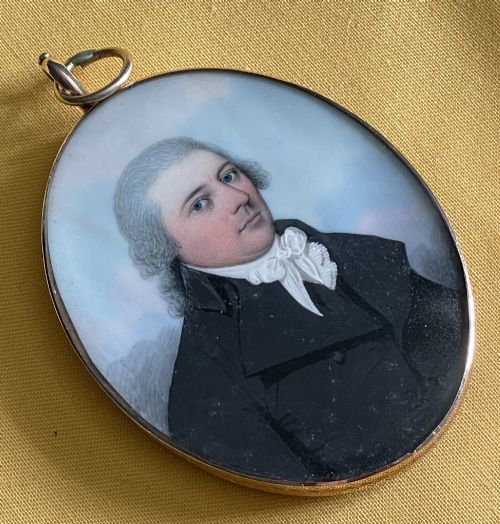
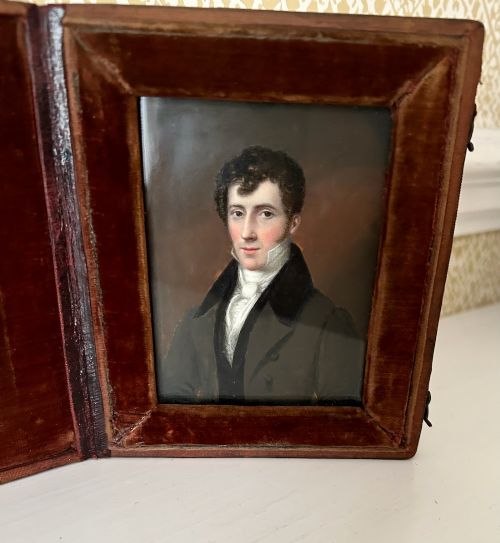


Gentleman Portrait Watercolour
A gentleman portrait watercolour captures individual character in delicate pigment, offering an intimate glimpse into past lives through fine brushwork.
Gentleman Portrait Watercolour
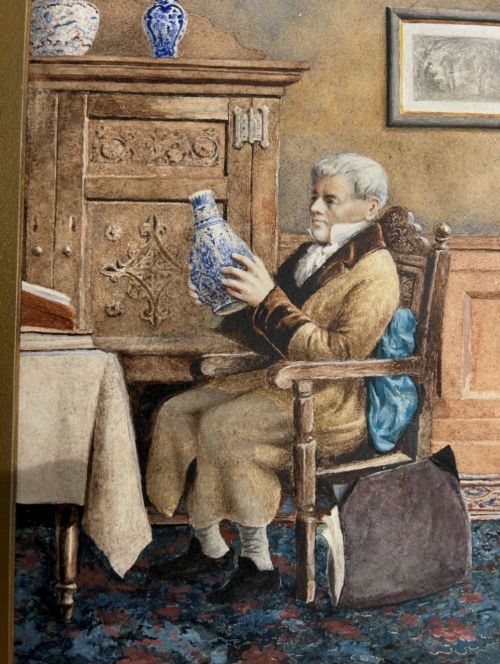
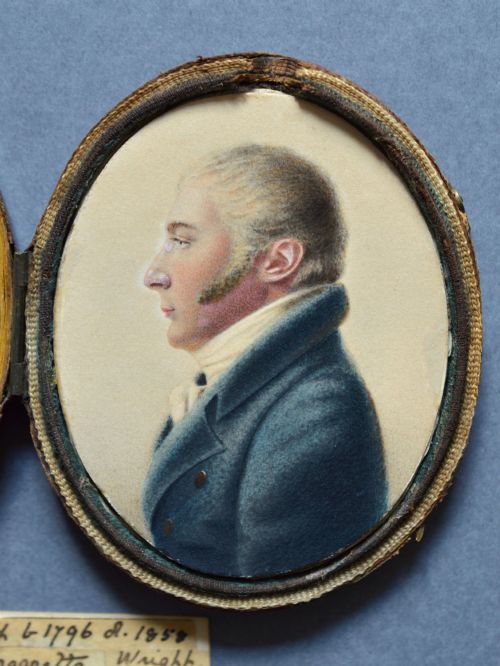
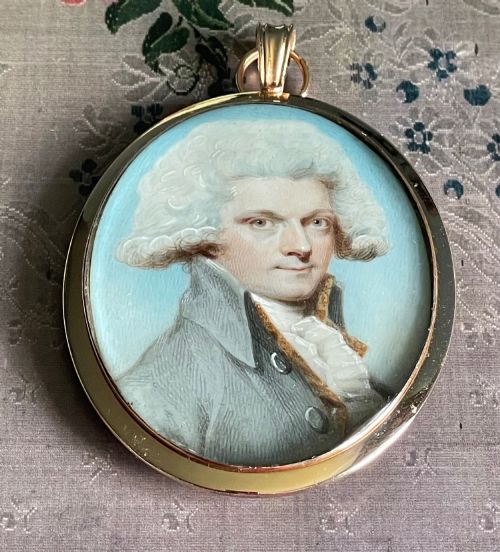
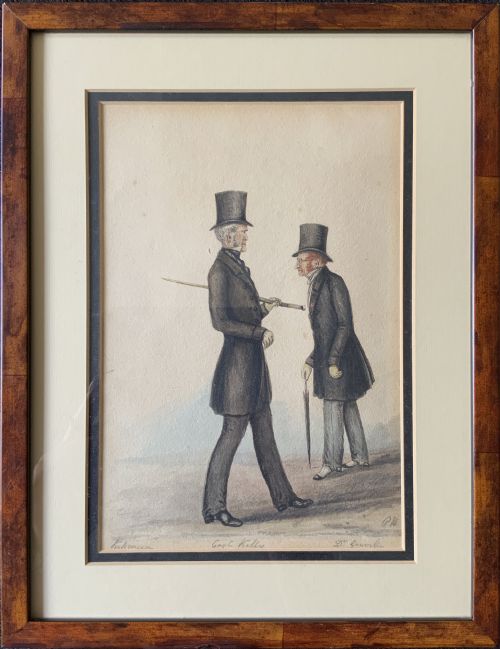
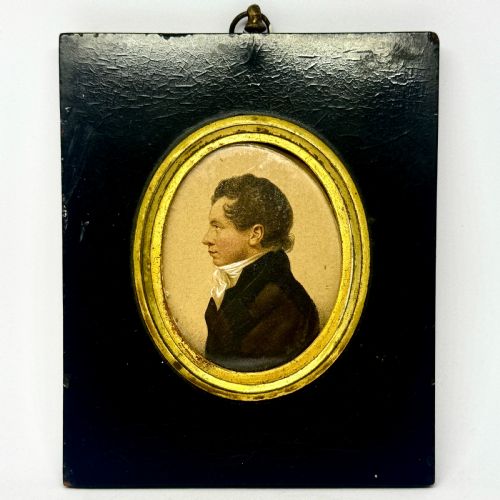
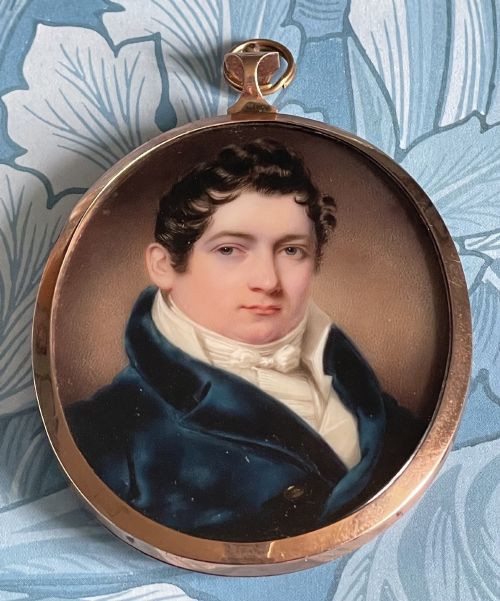
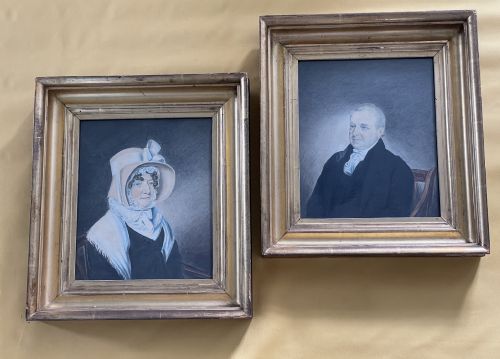
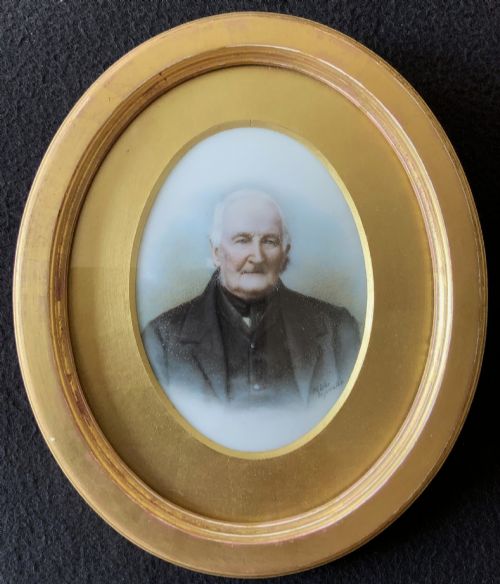
A gentleman portrait watercolour captures male subjects across the eighteenth and nineteenth centuries, spanning Georgian elegance and Victorian formality. These works range from small pendant miniatures designed to be worn to larger framed paintings intended for display on interior walls.
The versions most commonly met on this page are compact portrait miniatures and intimate works on paper produced during the Regency and Victorian periods. Subjects include military officers, clergymen, country gentlemen and identifiable figures depicted with distinct personal attributes.
Materials and execution
Artists executed these works primarily using watercolour and sometimes bodycolour or pencil applied to fine paper, parchment or thin sheets of ivory. Pigments were layered meticulously to achieve facial depth and realistic skin tones within a confined surface area.
Finished works were frequently housed in protective enclosures comprising glass, wooden frames, gilt metal mounts, or 14K gold pendant settings. Framing often incorporated birdseye maple wood or heavy giltwood to complement the domestic interiors of the period.
Several gentlemen share their intimate portraits with King Charles spaniels and wooden legs.
Distinctions in craftsmanship
Quality rests heavily upon the precision of the facial likeness and the artist's ability to render expression and textiles convincingly. Finer examples display subtle tonal gradations and confident brushwork that bring the subject to life.
The grade of the surrounding mount and housing also dictates overall standard, with heavy gold frames, signed ivory supports and original period bezels elevating the piece above standard framed paper works.
Charles Shirreff·John C D Engleheart·Frederick Buck·George Engleheart·Samuel Cotes·AE Chalon
The Gentleman Portrait Watercolour Glossary
- Watercolour
- A painting method where paints are made of pigments suspended in a water-based solution. It is traditionally applied to paper or prepared surfaces to create translucent layers.
- Portrait miniature
- A small, highly detailed painting, usually executed on ivory, vellum or card. These portable likenesses were frequently mounted in lockets, brooches or desk frames.
- Bodycolour
- Watercolour paint mixed with a white pigment to make it opaque. This technique adds solid highlights and dense areas of colour to a composition.
- Gilt metal
- A metal base coated with a thin layer of gold or gold-coloured wash. It frequently appears in the surrounds and backing stands of nineteenth-century miniatures.
- Ivory
- A hard, white material obtained from animal tusks, used extensively as a painting support. Its smooth, luminous surface lent a natural glow to portrait miniatures.
Gentleman Portrait Watercolour: Frequently Asked Questions
What are gentleman portrait watercolours?
These are hand-painted likenesses of men created on paper or ivory using water-based pigments during the Georgian and Victorian eras.
They serve as historical records of dress, status and appearance, varying from intimate lockets to framed wall art.
How were miniature portraits used?
Miniature portraits were often kept as portable mementoes of family members, worn as jewellery, or displayed closely on private study walls.
Their intimate scale allowed owners to carry likenesses of loved ones during travels or keep them near at hand.
How do I date a watercolour portrait?
Dating relies heavily on the style of clothing, hair and facial accessories depicted, alongside the framing materials and any artist signatures.
Costume details such as cravats, military uniforms and coats provide reliable chronological markers for specific decades.
How should I display them?
Watercolours are sensitive to strong sunlight and require placement away from direct UV rays to prevent fading of the delicate pigments.
Displaying them in stable indoor environments protects the paper supports and antique frames from moisture and temperature fluctuations.