
Vintage Figure Study Art
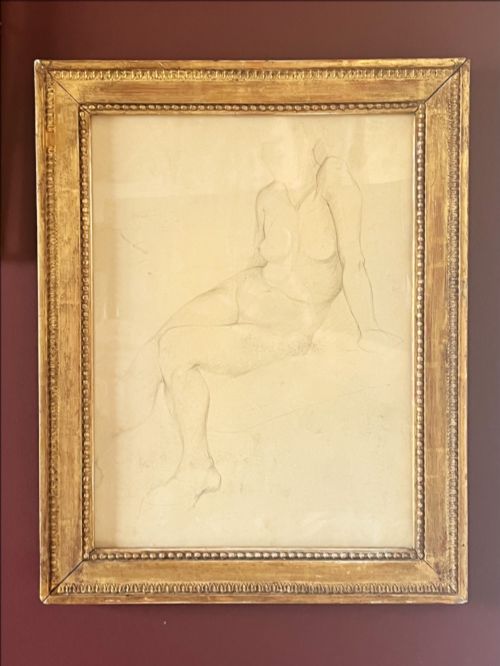
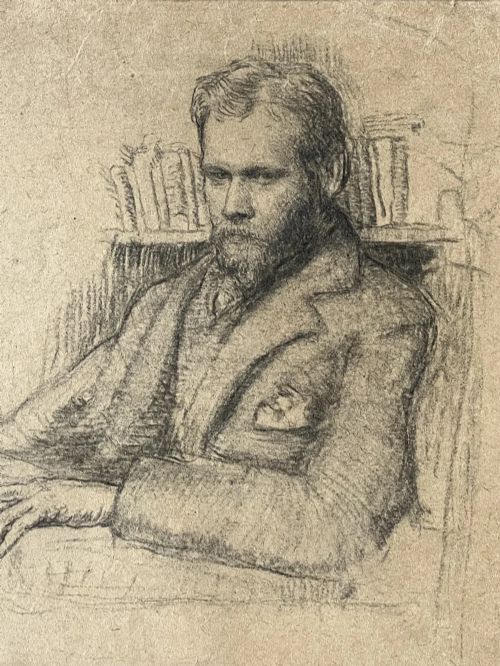
Vintage figure study art captures the human form through the direct observation of models in charcoal, oil, and pencil.
Vintage Figure Study Art
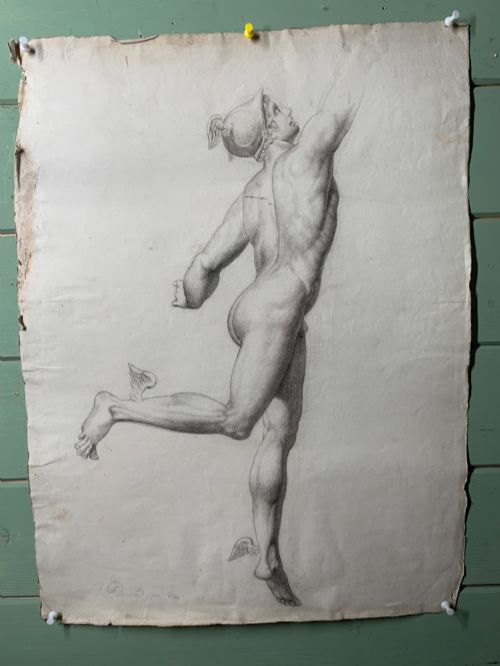
Vintage figure study art encompasses academic drawings, oil paintings, and bronzes produced across multiple centuries, focusing predominantly on the human body. Buyers exploring this category encounter life drawings, anatomical illustrations, and studio portraits executed in pencil, charcoal, and oil paint. The selection ranges from nineteenth-century academic realism to mid-century modern expressions, reflecting diverse approaches to bodily form.
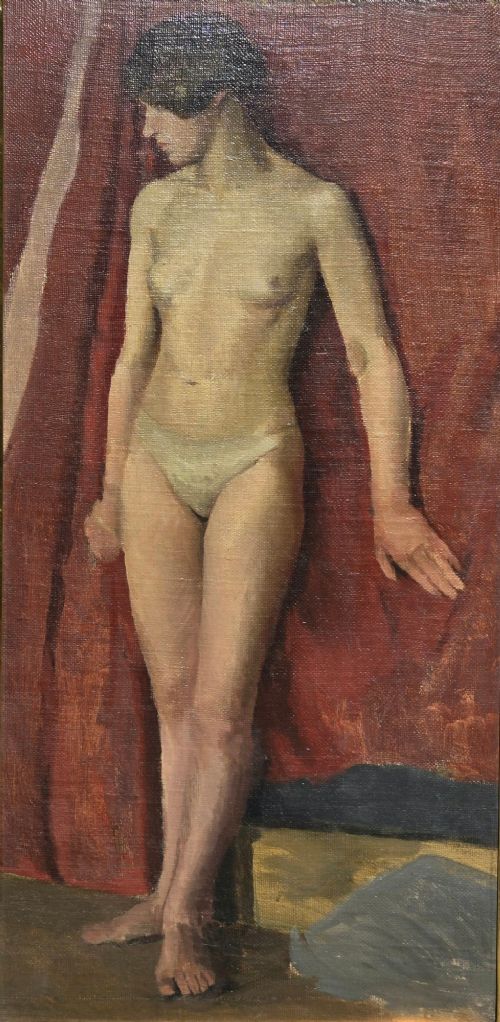
The most common formats on this page are framed works on paper and canvas paintings originating from British and European schools. Pieces span from eighteenth-century sketches to post-war studio interiors, often presenting studies of seated, recumbent, or standing figures. These works originate from formal academy training sessions as well as independent artist portfolios.
Materials and techniques
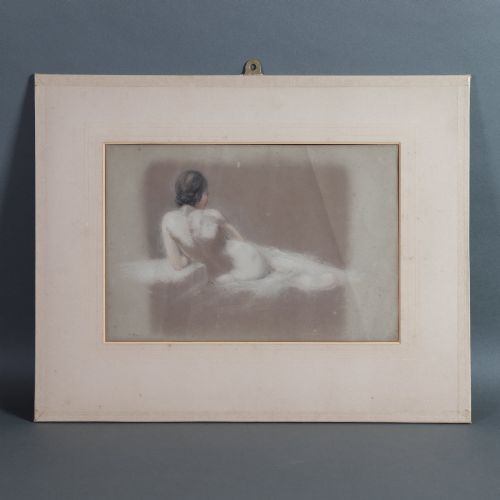
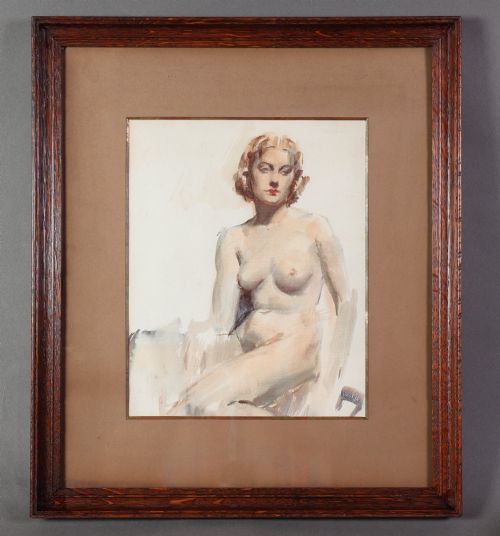
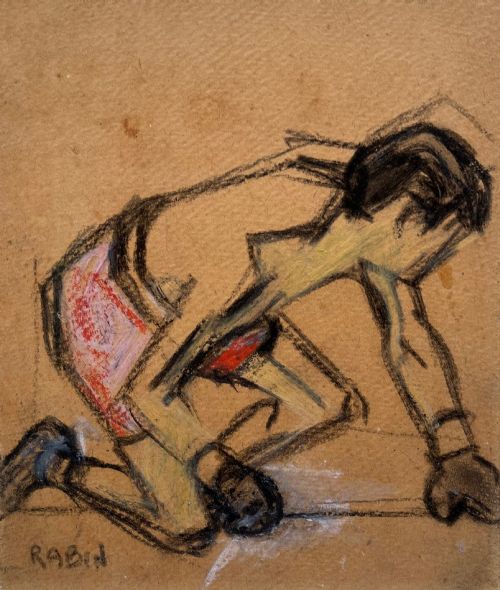
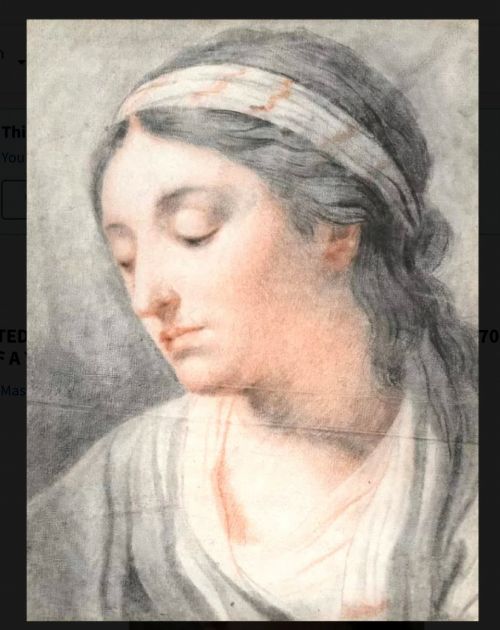
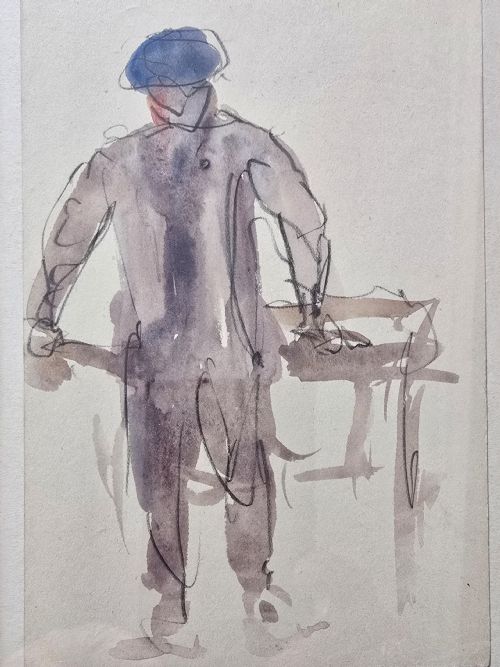
Artists utilised graphite, charcoal, and chalk pastel on paper to record immediate tonal variations and contours during live model sessions. These dry media works rely on paper supports, sometimes accompanied by mixed media layers or watercolour washes. The immediacy of pencil and charcoal reveals the direct hand of the draughtsman capturing posture and light.
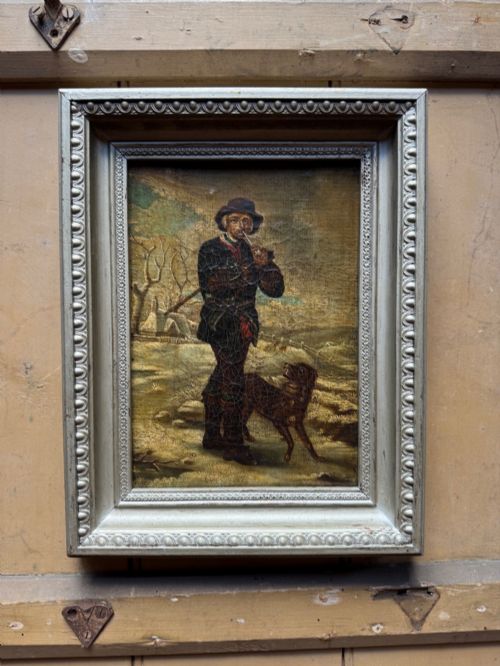
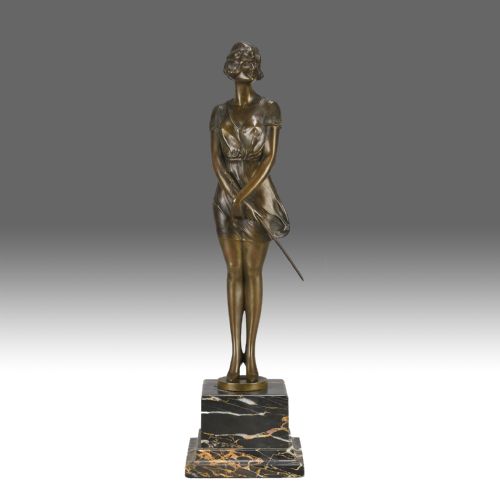
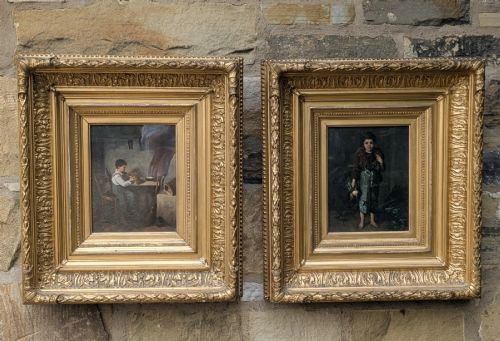
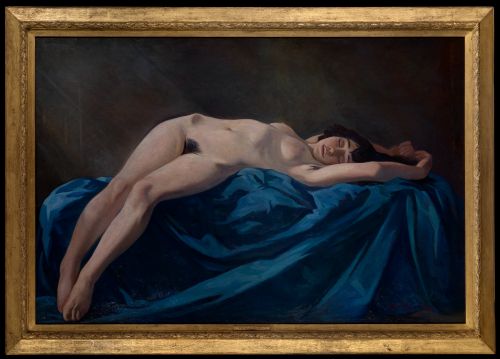
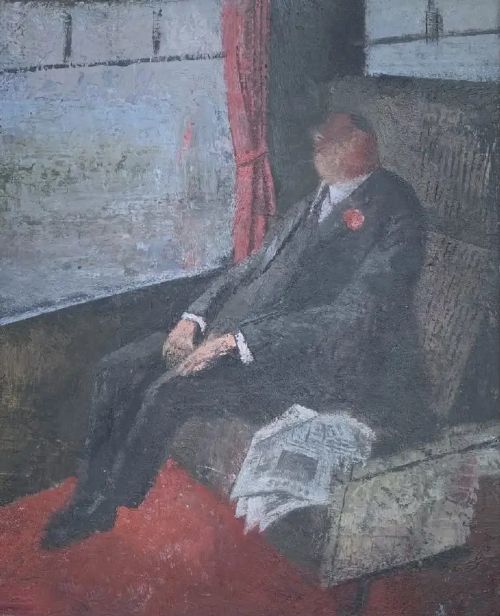
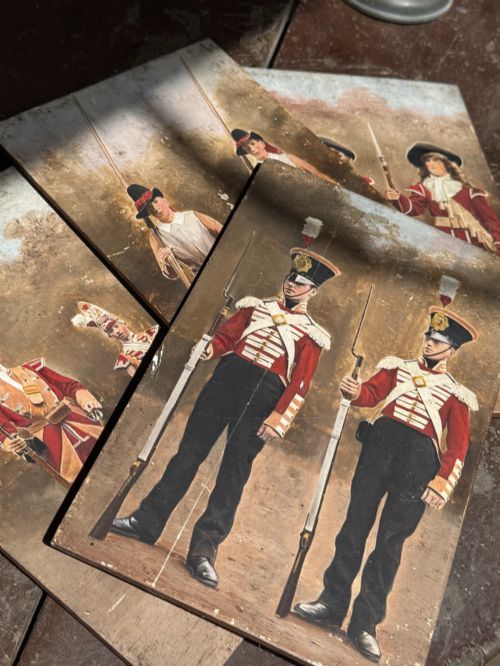
Oil paint applied to canvas, board, or panel forms the heavier painted works in the collection, capturing rich colour depth and brushwork. Sculptural interpretations appear in cast bronze mounted on marble plinths, translating the dynamic lines of the studio model into three-dimensional metalwork. Supporting frames typically consist of antique gilt wood or simpler period mouldings.
Alongside grand academic nudes, the collection unexpectedly accommodates a straw-stuffed papier-mâché duckling.
Qualities that distinguish the range
Anatomical precision and the confidence of the primary line separate proficient academic execution from rigid copying. Superior works demonstrate a deep understanding of underlying bone structure and muscular tension, whereas lesser examples lose structural integrity in the limbs and torso.
The ability of the artist to render light and shadow across the skin creates volume and presence rather than a flat silhouette. Compositional balance within the picture plane further distinguishes finished gallery pieces from casual sketchbook exercises.
Bruno Zach·William Etty·Eric Robertson·Augustus John·Samuel Rabin·Winifred Rymer·François-André Vincent·Michael Healy·Julian Mandel·Henry Arthur Roberts·Alexandre-Louis Martin·Allan Douglas Davidson·Demetrios Galanis·James Clark·Harry Epworth Allen
The Vintage Figure Study Art Glossary
- Academic Realism
- A style of painting and drawing produced under the influence of European academies of art, prioritising strict anatomical accuracy and traditional techniques. This approach is frequently observed in nineteenth-century life studies.
- Life Drawing
- The act of drawing a human figure from a live model, serving as a fundamental exercise in training artists to master proportion and form. These drawings often form the core of historical studio collections.
- En Grisaille
- A painting executed entirely in shades of grey or neutral monochrome, mimicking the appearance of relief sculpture. Artists frequently utilised this technique for preparatory studies or self-portraits.
- Mixed Media
- An artwork utilising more than one medium or material on a single support, such as combining charcoal with pastel or watercolour. This technique allows creators to build layered textures across the surface.
- Provenance
- The chronological ownership history of a piece, providing documented evidence of its origin and authenticity. Prestigious provenance often enhances the historical value of a work.
Vintage Figure Study Art: Frequently Asked Questions
What is a figure study?
A figure study is an artwork created primarily to explore the structure, volume, and movement of the human body. These works served as foundational training for artists or as finished compositions in their own right.
They capture models in various poses, ranging from classical academic stances to relaxed reclining positions.
How do I care for works on paper?
Works on paper require protection from direct sunlight to prevent fading of graphite, charcoal, and pigments over time. Framing with acid-free mounts ensures the paper remains stable and free from chemical degradation.
Maintaining stable room humidity prevents the paper from warping or developing foxing spots.
How can I tell the period of a drawing?
The period can often be deduced from the paper watermark, framing style, and the specific academic conventions of the drafting technique. Clothing, hairstyles, and handwriting on the reverse also offer valuable chronological clues.
Comparing the handling of anatomy to known historical styles helps narrow down the decade of creation.
Where should I hang a figure study?
These pieces suit studies, libraries, and living spaces where their intimate scale can be appreciated up close. Pairing them with neutral wall colours allows the tonal qualities of the charcoal or oil paint to stand out.
Avoid placing them in damp environments such as kitchens or unventilated bathrooms.