





Victorian Character Painting
Victorian character painting captures vivid personalities and theatrical roles on canvas, paper, and earthenware.
Victorian Character Painting
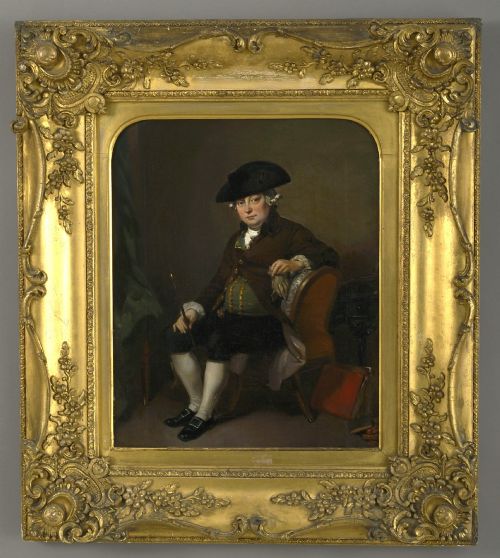
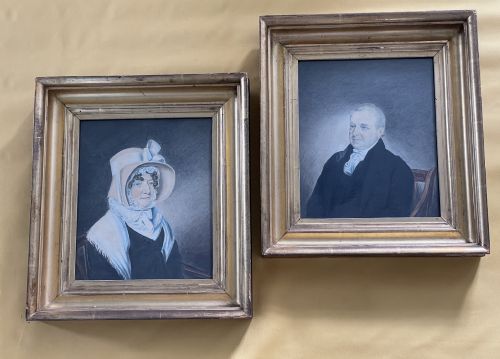
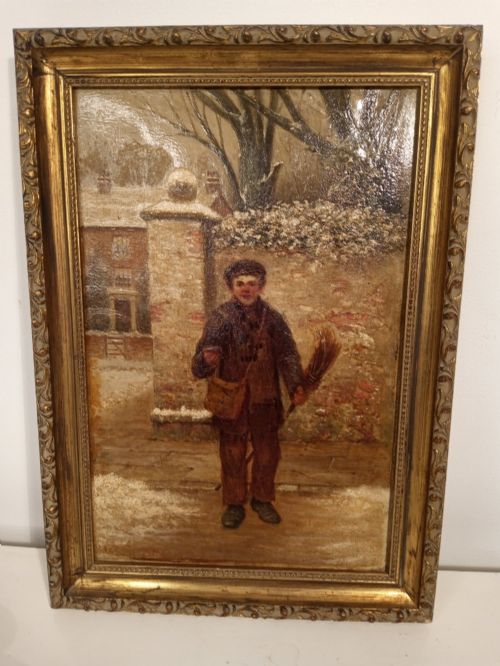
A victorian character painting brings together oil paintings, watercolour portraits, and lithograph engraved watercolours that depict distinct figures, actors, and literary subjects. Buyers searching for this phrase encounter 19th-century works ranging from the 1860s through the 1890s, alongside related ceramic forms.
The most common formats on this page include oil on canvas and delicate watercolours, often portraying named literary characters like Martin Chuzzlewit or Dolly Varden. These pieces span portraiture of actors in character and narrative scenes rooted in 19th-century realism.
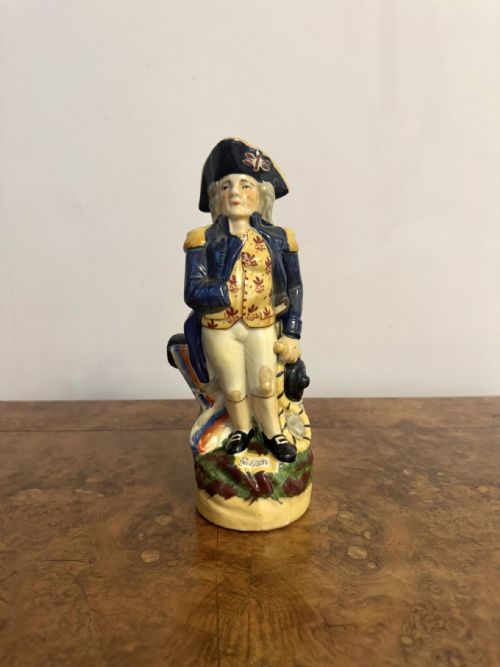
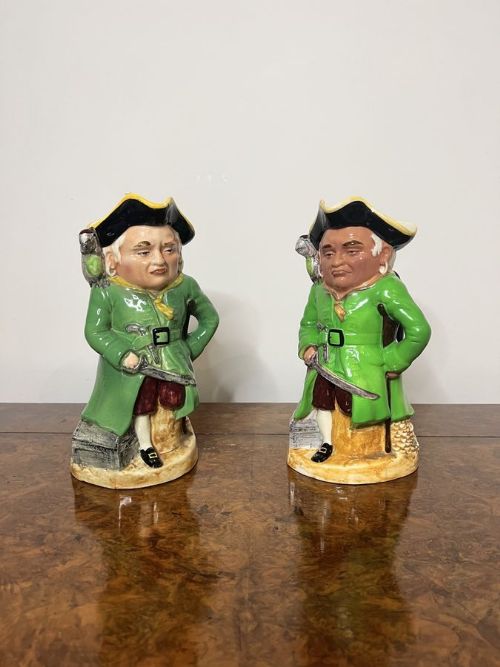
Ceramic interpretations also populate the selection, notably staffordshire toby jugs and decorative jugs that portray specific human characters. These earthenware and porcelain objects translate the painted tradition into three dimensions.
Materials and construction
Works on canvas utilise oil paint applied by hand, capturing fine detail in historic costume and expression. Watercolours on paper offer a lighter touch, often heightened with gum arabic or ink.
Ceramic pieces such as toby jugs and pepperpot figures are shaped from earthenware or porcelain, then finished with glaze and hand-painted details. Giltwood frames frequently house the paintings, adding a traditional gilded border.
Victorian Character Painting Retail Price Guide 2026
Typical asking prices for victorian character painting among the pieces listed under this phrase on Sellingantiques today, from the lower quarter to the upper quarter. They describe what is for sale here now, not the wider market.
Some figures depicted, like the devoted snuff taker, capture the specific small habits of the 19th century in permanent ceramic form.
Judging quality in character works
The distinction between ordinary and exceptional pieces lies in the precision of the facial expression and the handling of costume detail. Superior works capture psychological depth and theatrical presence rather than stiff uniformity.
In ceramic jugs and figures, quality reveals itself in the crispness of the mould and the control of the glaze colours. Hand-painted ceramic elements that retain sharp definition demonstrate superior craftsmanship.
Samuel De Wilde·Stevenson and Hancock·William Powell Frith·Royal Worcester
The Victorian Character Painting Glossary
- Oil painting
- A work created using pigments bound in a drying oil, typically applied to stretched canvas. This medium allows for rich colour depth and layered blending.
- Watercolour
- A painting method where fine pigment is suspended in a water-soluble binder on paper. It produces translucent washes and delicate tonal shifts.
- Toby jug
- A pottery jug modelled in the shape of a seated, stout person, usually wearing 18th-century attire. These functional vessels double as figurative sculpture.
- Lithograph
- A printmaking technique based on the chemical repulsion of oil and water, enabling detailed reproduction of original drawings. Coloured versions often received hand-painted watercolours.
- Staffordshire
- Earthenware produced in the potteries of Staffordshire, England. The term encompasses a wide variety of domestic figures and jugs.
Victorian Character Painting: Frequently Asked Questions
What defines a character painting?
A character painting focuses on a specific individual, actor, or literary figure rather than a traditional formal portrait. These works emphasise personality, costume, and narrative context.
Subjects often include figures from popular literature or the stage, capturing a moment of dramatic action or distinct social type.
How do I display these paintings?
These works suit traditional living spaces, studies, or libraries where their narrative themes can be appreciated up close. Hanging them at eye level allows the viewer to study the fine details of expression.
Keep them away from direct sunlight to protect watercolours and canvas pigments from fading over time.
Are character jugs functional?
While historic toby jugs were designed to hold ale or other beverages, most collectors today treat them purely as display objects. Their moulded earthenware and painted glazes are best preserved by avoiding daily use.
Dust them gently with a soft, dry brush to maintain the glaze without introducing moisture.
How do I date a 19th-century piece?
Dating relies on examining the stretcher frames of canvases, the quality of the paper stock in watercolours, and the ceramic marks on pottery. Stylistic clues in the clothing and hair of the subject also offer reliable indicators.
Comparing known works by recorded artists or potteries helps narrow the decade of production.