


Victorian Frosted Glass Lamp
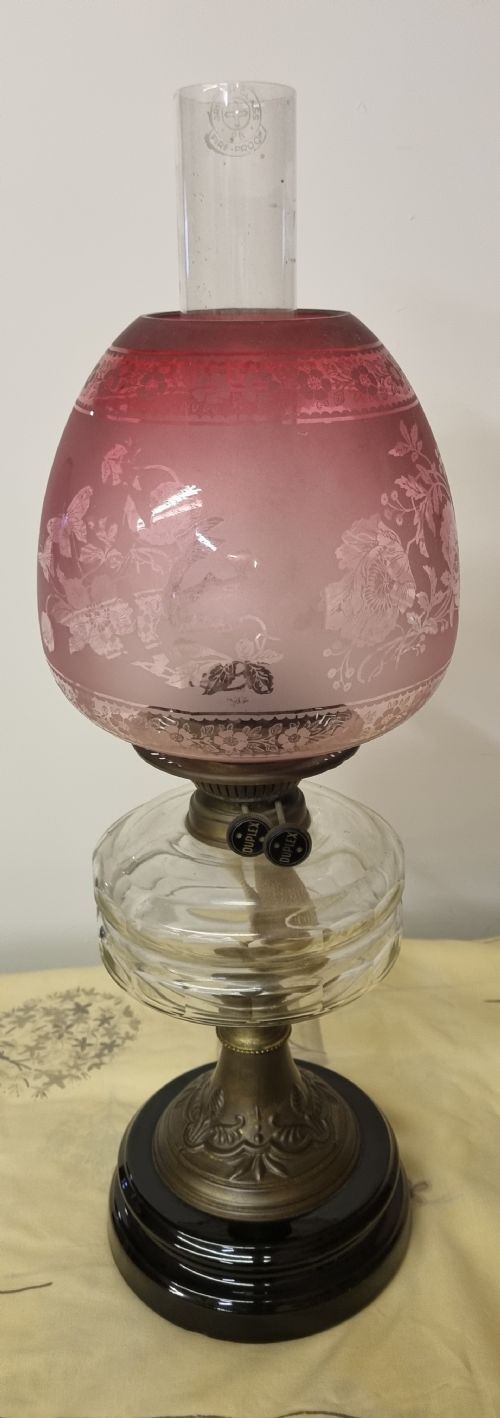
A victorian frosted glass lamp brings soft, diffused light and period character into a room through its combination of tactile glass and sturdy metalwork.
Victorian Frosted Glass Lamp
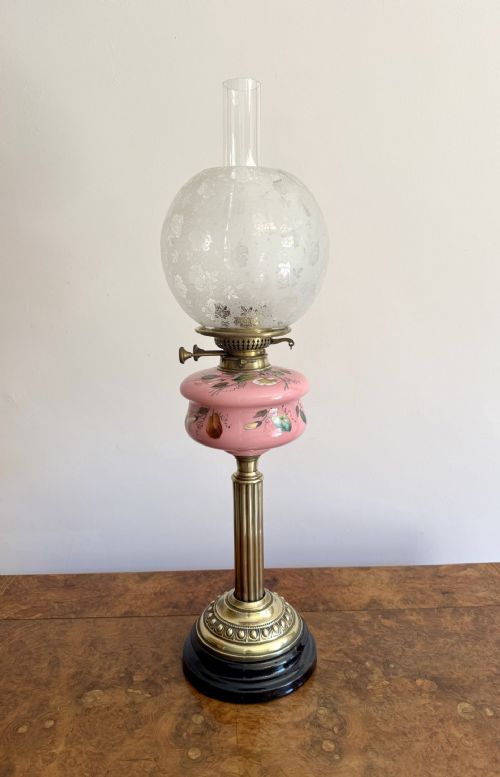
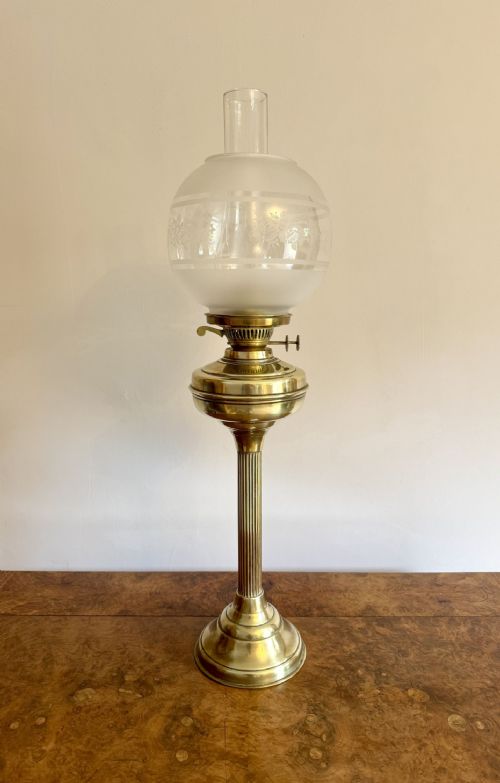
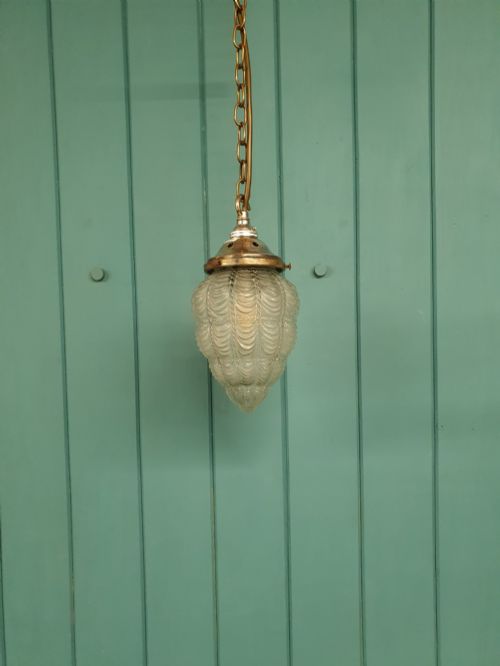
A victorian frosted glass lamp comprises lighting fixtures originating from the nineteenth century, most commonly encountered here as table-standing oil lamps, pendant lights, and decorative shades. These pieces typically combine a heavy metal base with a textured or shaded glass component that softens the flame or bulb output.
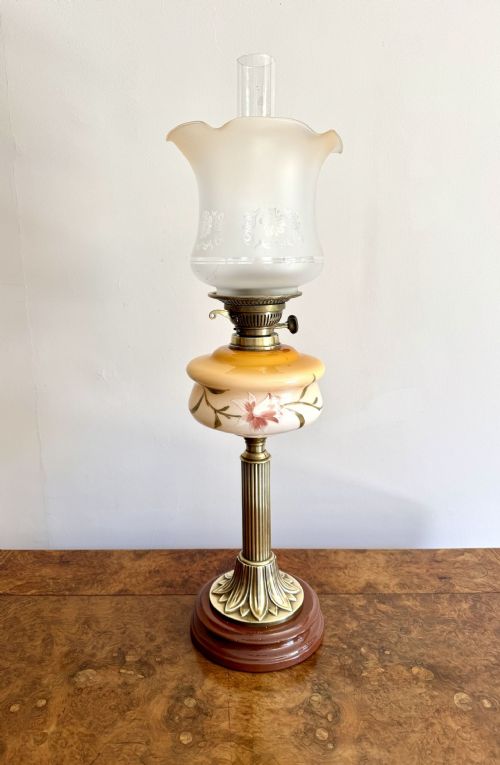
The selections span several related periods including the Victorian era alongside Edwardian and early twentieth-century examples, incorporating diverse forms such as wall lights, chandeliers, and telescopic stands. Brass forms the predominant metal structure, often paired with coloured or etched glass reservoirs and globes.
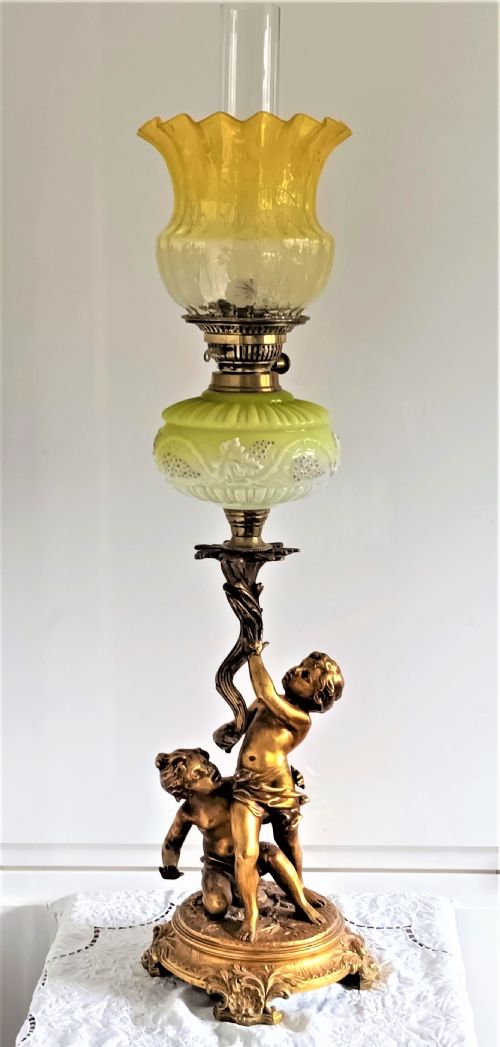
Buyers seeking this phrase encounter everything from simple domestic lighting to elaborate figural bases and architectural wall brackets. The common thread remains the use of frosted, etched, or coloured glass to alter the quality of illumination.
Judging quality and execution
Superior examples demonstrate heavier metal casting, crisper detail in brass reeding or figural bronzes, and substantial glass thickness in fonts and shades. Better makers incorporated functional refinements such as telescopic adjustable stands and double-wick mechanisms.
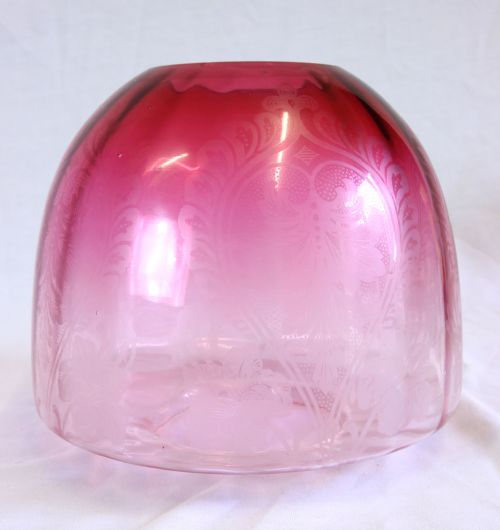
The artistic merit of the glasswork dictates much of the distinction, where hand-etched botanical or geometric motifs surpass plain pressed surfaces. Proportion and balance between the heavy metal base and the delicate glass shade reveal the care taken in the original design.
Listings feature Victorian and Edwardian lighting spanning brass, bronze, ceramic, and multiple variants of frosted and etched glass.
Emile Picault·Sitzendorf·Messengers·Harrods
The Victorian Frosted Glass Lamp Glossary
- Duplex
- A type of twin-wick oil burner system that produced a brighter flame than single-wick variants. These mechanisms often bear maker stamps on the brass thumbwheels.
- Etched glass
- Glass decorated by applying acid to eat away exposed areas, creating frosted or opaque patterns. This technique allows light to diffuse evenly.
- Telescopic
- A descriptor for a lamp stem designed with an adjustable sliding mechanism to alter the height of the light source. Such engineering indicates higher-tier manufacture.
- Opalescent glass
- Glass exhibiting a milky, milky-blue, or fire-like translucency caused by the inclusion of bone ash or chemical agents during cooling.
Victorian Frosted Glass Lamp: Frequently Asked Questions
Can I convert these lamps to electricity?
Many lamps of this type have already been rewired for modern domestic use while retaining their original burners and glass shades. Professional electricians can safely route wiring through the central column without damaging historical metalwork.
Retaining the original oil font or burner assembly preserves the antique integrity of the piece. Buyers often choose to use low-wattage LED bulbs that mimic the warm glow of period lighting.
How do I clean frosted glass safely?
Wash frosted glass components in lukewarm water using mild, unscented soap and a soft cloth. Avoid abrasive sponges or harsh chemical cleaners that can scratch or alter the matte surface.
Dry the glass thoroughly with a lint-free cloth before reassembling it onto the brass gallery. Handle antique shades with care as the frosted areas can trap oils from bare skin.
How do I date a brass and glass lamp?
Examine the construction methods, screw threads, and burner mechanisms to determine the era of manufacture. Nineteenth-century examples often feature hand-cut threads and maker stamps associated with Victorian patent offices.
Stylistic cues such as heavy reeded columns point to the mid-Victorian period, while lighter brass work often aligns with Edwardian production. Comparing the mountings with documented maker catalogues helps narrow down the decade.
Where were these lamps placed originally?
Table lamps and oil lamps stood on parlour tables, desks, and sideboards to provide focused task illumination or ambient room lighting. Wall lights and brackets were mounted in hallways and corridors to illuminate darker architectural spaces.
Larger chandeliers and pendant lights hung centrally in dining rooms and drawing rooms. Their frosted shades ensured the bright flame did not cast harsh shadows across the interior.