
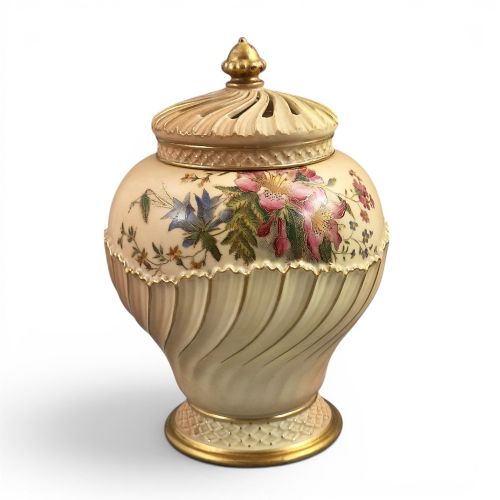


Victorian Floral Ceramic Pot
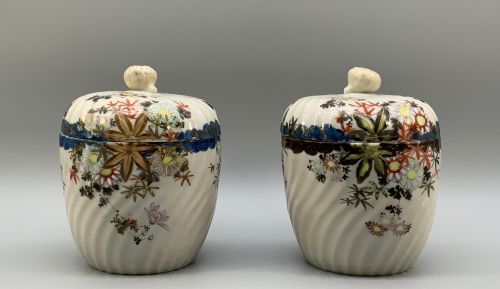
These pieces known as a victorian floral ceramic pot span jardinières, pot-pourri jars, and vases bringing botanical colour into rooms.
Victorian Floral Ceramic Pot
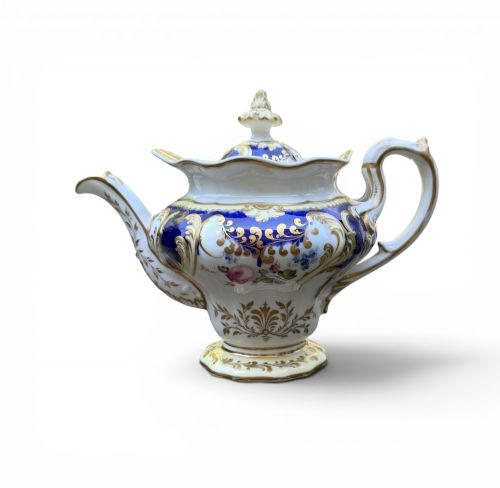
A victorian floral ceramic pot encompasses a range of utilitarian and decorative vessels made from porcelain, earthenware, and stoneware. Buyers find forms such as large jardinières, lidded pot-pourri jars, and chamber pots originating from the nineteenth century onward.
The selection includes pieces styled in the Victorian taste, alongside Edwardian examples and Art Nouveau designs. Makers such as Royal Worcester and Doulton Lambeth dominate the ceramic output seen here.
How they were made
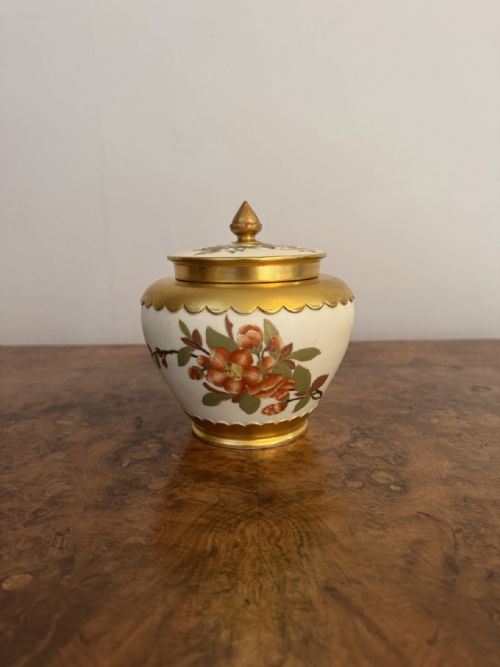
Potters shaped ceramic and porcelain bodies, applying colourful glaze and enamel to create floral surfaces. Many pieces incorporate gilding or gold leaf highlights upon blush ivory grounds.
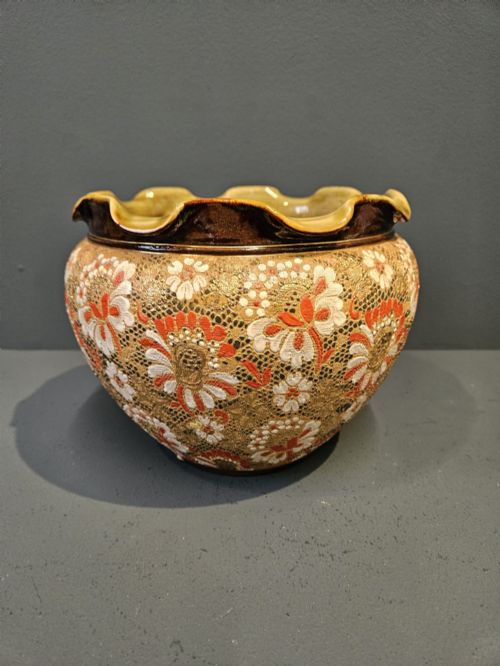
Makers utilised stoneware and earthenware techniques to produce heavy jardinières and lidded jars, occasionally pairing ceramic with brass bases or silver plate mounts.
Pot-pourri jars, jardinières, and chamber pots represent the primary ceramic forms available here.
What varies in quality
The distinction between standard utility items and finer decorative pieces rests upon the crispness of the floral moulding and the hand-painted detail on the glaze. Royal Worcester blush ivory items show a deliberate precision in their floral transfer and brushwork.
Substantial forms like large majolica jardinières depend upon the depth of the coloured glazes and the definition achieved during firing. Heavier bodies and established factory marks separate the notable production pieces from anonymous utilitarian pots.
Royal Worcester·Doulton Lambeth·Doulton Burslem·George Jones·Samuel Alcock·Burmantofts·Mark Jones And Sons·Mason Andapos S
The Victorian Floral Ceramic Pot Glossary
- Jardiniere
- A large ornamental pot or planter designed to hold growing plants. These ceramic vessels often stand on pedestals or tables.
- Pot-pourri jar
- A lidded jar pierced to diffuse the scent of dried flowers and spices. Examples from Royal Worcester frequently feature crown covers.
- Blush ivory
- A matte cream ceramic ground developed by Royal Worcester. This finish typically serves as a backdrop for delicate floral decoration.
- Majolica
- A type of earthenware coated in an opaque coloured glaze. This technique creates vibrant surfaces seen on nineteenth-century planters and jardinières.
- Ironstone
- A durable type of British ceramic developed as a tough alternative to porcelain. It takes enamel decoration and floral patterns securely.
Victorian Floral Ceramic Pot: Frequently Asked Questions
What is a blush ivory pot pourri jar?
A blush ivory pot pourri jar is a ceramic vessel featuring a soft matte cream background decorated with painted flowers. These lidded containers were designed to hold scented dried petals in period rooms.
Most examples date from the late nineteenth and early twentieth centuries, produced extensively by factories like Royal Worcester.
How do I use a jardiniere?
A jardiniere functions as a decorative container for potted plants or floral displays. Their solid ceramic and majolica construction safely holds soil and water inside living spaces.
Larger pieces sit directly on the floor or upon dedicated pedestals, while smaller versions rest on furniture surfaces.
What materials are these pots made from?
These pieces utilise ceramic, porcelain, earthenware, and stoneware bodies. Makers finished them with coloured glazes, enamel, and occasional gold leaf or gilding.
Some items combine the ceramic body with metal elements such as brass bases or silver plate mounts.
How do I date a ceramic pot?
Dating relies on maker marks stamped or painted on the underside, stylistic indicators like Art Nouveau curves, and material characteristics such as blush ivory grounds. Nineteenth-century pieces often display factory ciphers specific to the maker.
Comparing the shape number and decorative style helps narrow the production period between the Victorian era and the early twentieth century.