
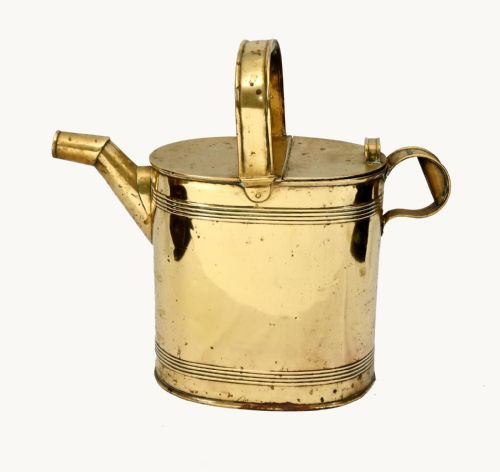


Antique Indoor Planter Pot
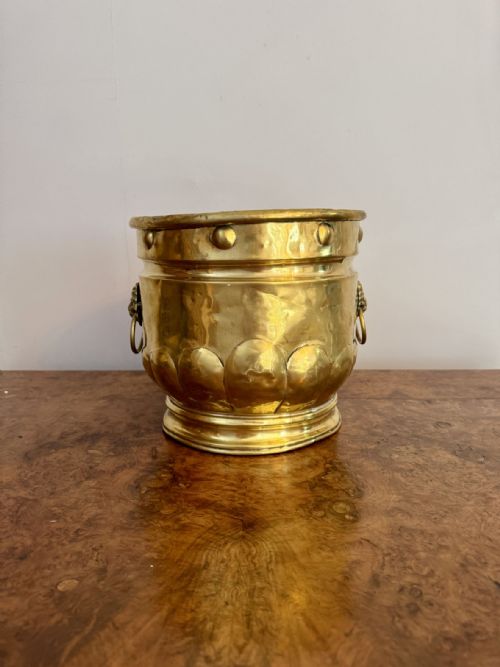
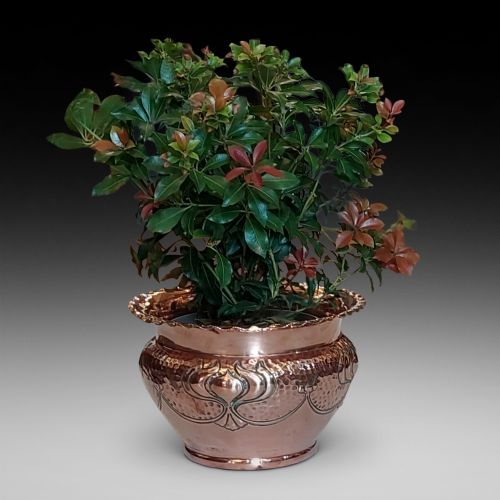
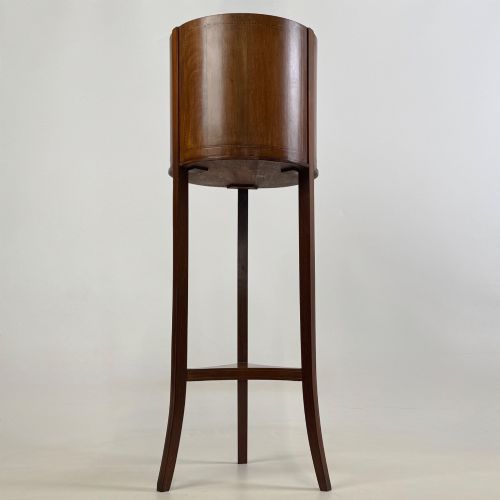
These antique indoor planter pot examples comprise brass, copper and ceramic jardinieres and plant stands designed to house foliage within period interiors.
Antique Indoor Planter Pot
When searching for an antique indoor planter pot, buyers encounter a diverse selection of jardinieres, cachepots, plant stands and watering cans. These vessels served functional roles in period homes, containing potted plants to bring greenery into domestic rooms.
The objects span multiple eras, most frequently appearing from the Victorian and Edwardian periods, alongside late nineteenth and early twentieth century examples. Brass and copper vessels dominate the selection, accompanied by ceramic pieces in stoneware, earthenware and porcelain.
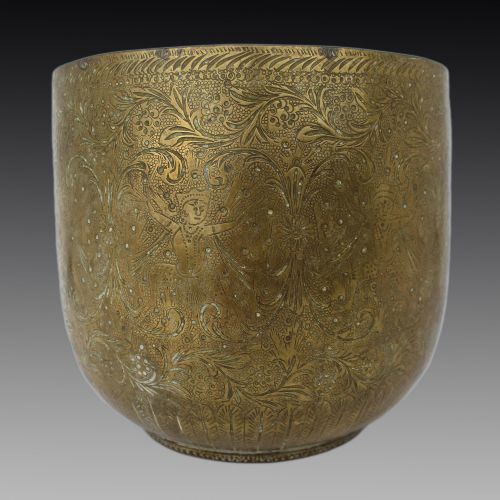
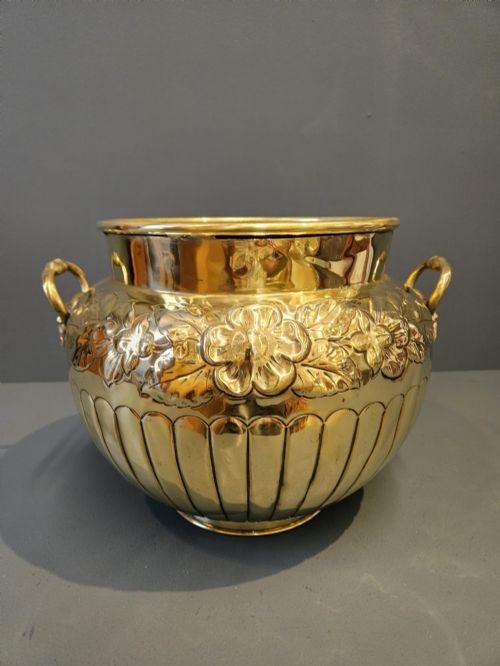
Stylistic influences range from the clean lines of the Arts and Crafts movement and organic curves of Art Nouveau to traditional Gothic, Chinoiserie and Anglo-Indian aesthetics. Many pieces feature specific decorative treatments such as hand-engraving, piercing, hammering or embossed dinanderie work.
Distinguishing quality across the range
Differences in quality depend on the crispness of the hand-engraving, the depth of the metal hammering and the structural integrity of joints, handles and stands. Superior copper and brass pieces display intentional weight and refined decorative detailing rather than simple pressed repetition.
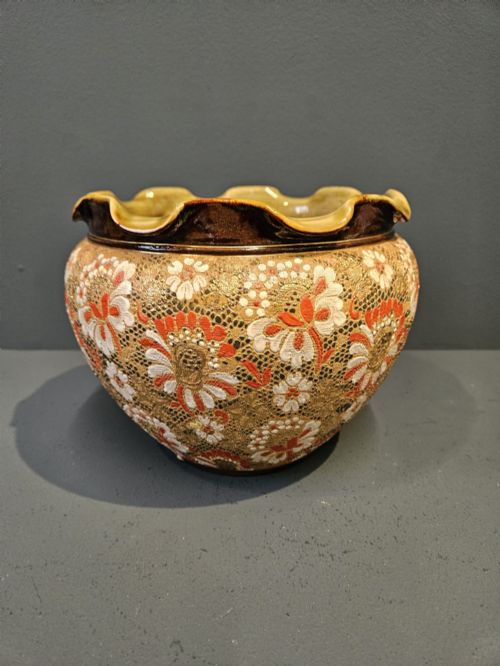
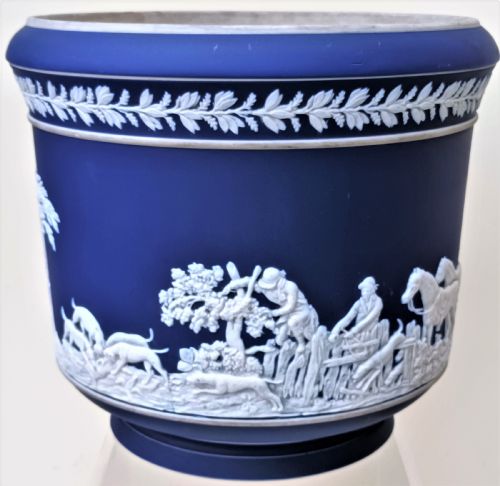
Ceramic quality shows in the richness and stability of the glaze, the precision of the moulding, and the reputation of the maker, such as Doulton Lambeth or William Adams & Sons. The integration of mixed materials, like combined wrought iron and copper, also separates standard production items from more ambitious workshop pieces.
Listings feature brass, copper, stoneware, earthenware and oak objects spanning the Victorian, Edwardian, Art Nouveau and Arts and Crafts periods.
Doulton Lambeth·Royal Doulton·William Adams & Sons·Enoch Wood & Sons
The Antique Indoor Planter Pot Glossary
- Jardiniere
- A large ornamental pot or stand designed to hold flowers or plants indoors. These vessels form the majority of metal and ceramic planters in this category.
- Cachepot
- An ornamental container used to hide an ordinary flowerpot. Unlike jardinieres, cachepots often lack drainage holes, making them suitable for indoor display.
- Dinanderie
- Objects made of beaten brass or copper, often inlaid or embossed with patterns. This medieval term describes decorative metalwork vessels common in later revival styles.
- Coopered barrel
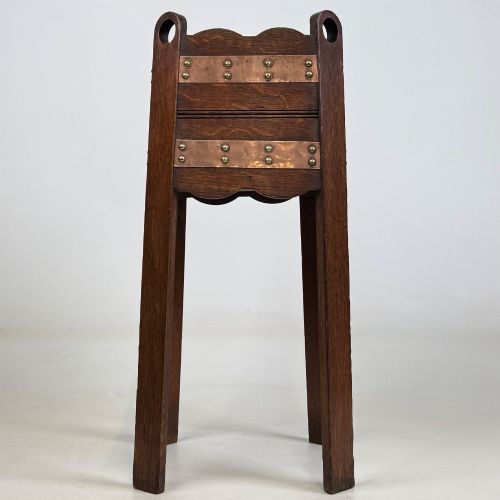
- Wooden staves bound together with metal hoops to form a cylindrical vessel. This technique appears in oak stands used for housing indoor plants.
Antique Indoor Planter Pot: Frequently Asked Questions
What is a jardiniere?
A jardiniere is an ornamental pot or container designed to hold plants and flowers inside the home. They function primarily as decorative vessels for indoor greenery.
These pieces sit on tables, plant stands or directly on the floor, adding a horticultural element to period rooms.
How do you use a cachepot?
A cachepot serves to hide a plain or utilitarian flowerpot placed inside it. Because many vintage examples lack drainage holes, they protect furniture from water damage.
Potted plants drop directly into the container, allowing for easy watering and swapping of foliage.
How do I identify Victorian brass planters?
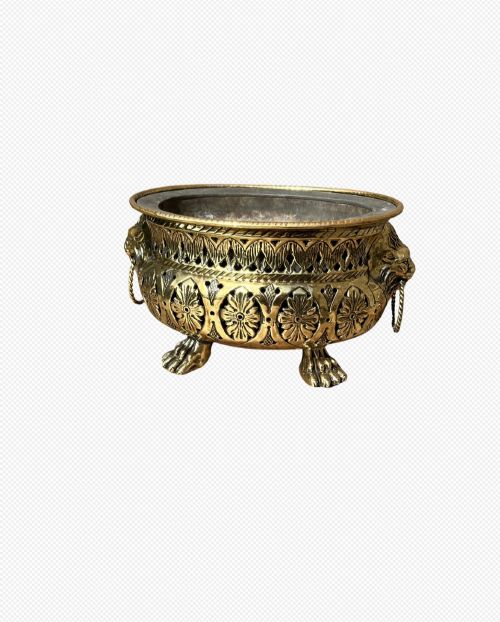
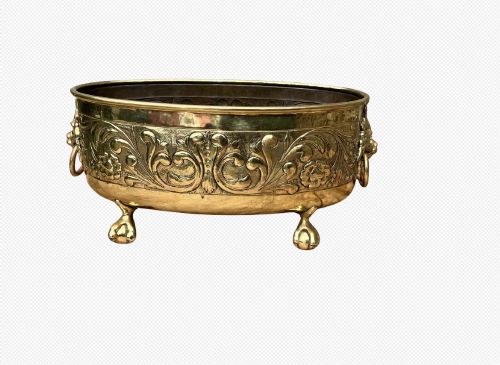
Victorian brass planters often feature characteristic period details such as hand-engraving, pierced rims or lion mask handles. Construction methods rely on heavy gauge sheet metal shaped by hand or early mechanical presses.
Stylistic cues draw from Gothic, aesthetic or traditional nineteenth century design motifs common to the era.
What is Arts and Crafts copperware?
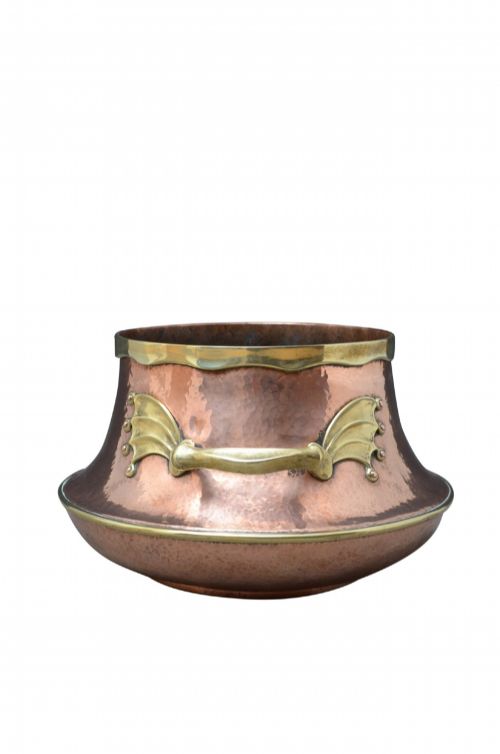
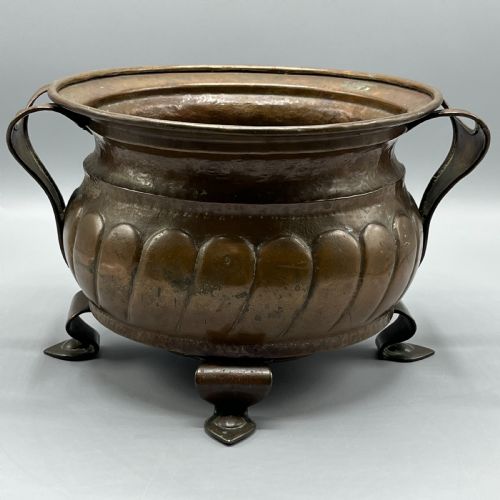
Arts and Crafts copperware emphasises hand-wrought craftsmanship over mass production. Artisans left visible hammer marks and tool textures on the metal surface to highlight human labour.
Designs favour simple, functional forms inspired by nature, often pairing copper with wrought iron supports or oak.