
Victorian Floor Mirror
A victorian floor mirror brings architectural presence and practical reflection to a room, captured here in freestanding cheval frames and grand leaning formats.
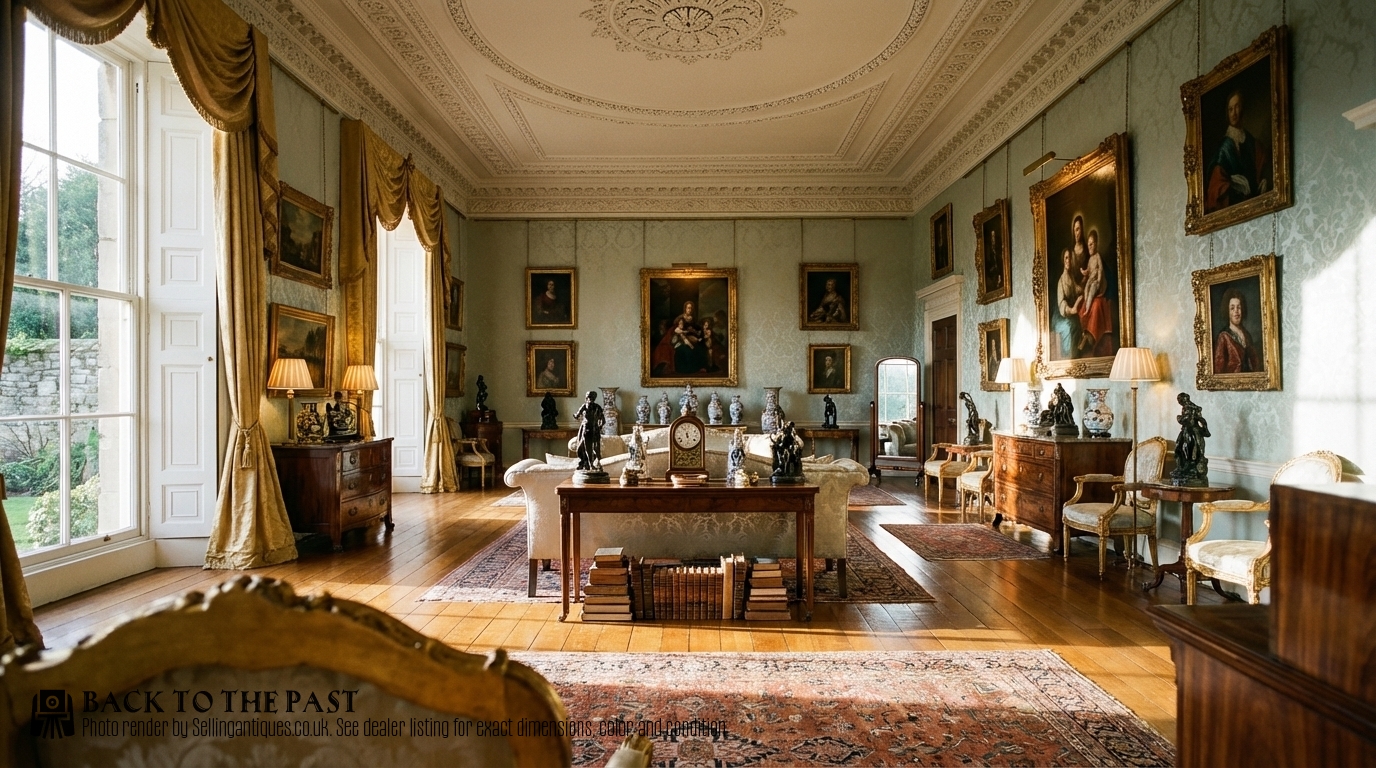
Victorian Floor Mirror
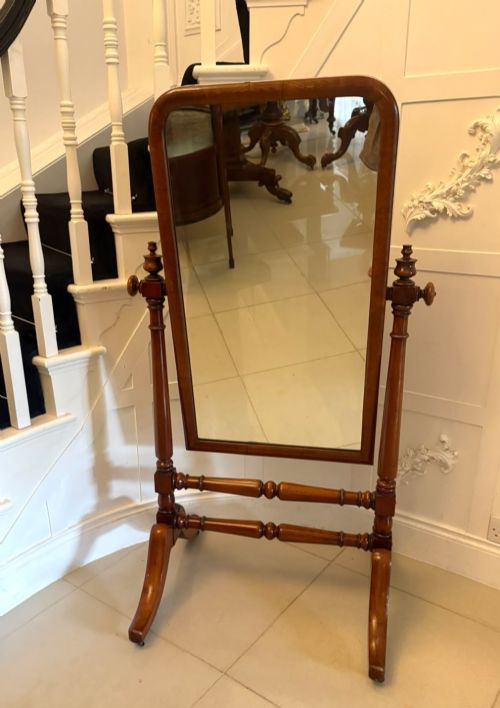
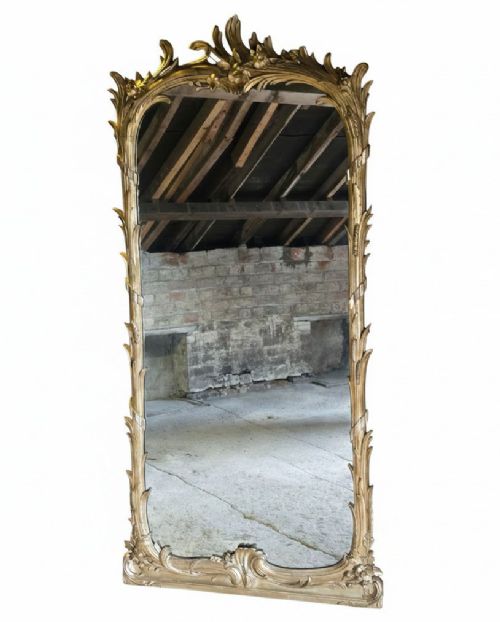
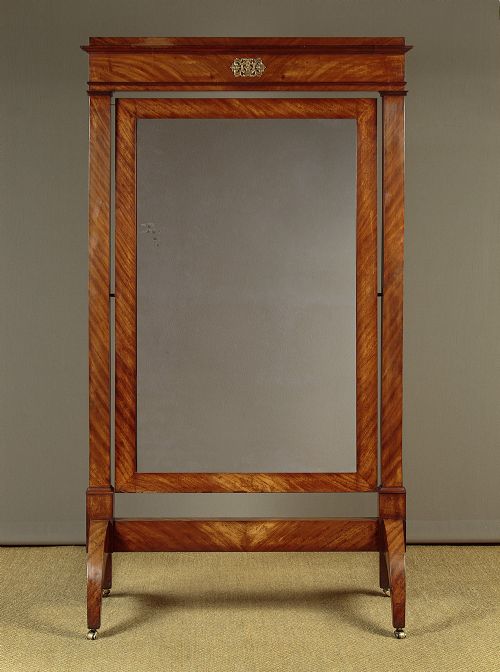
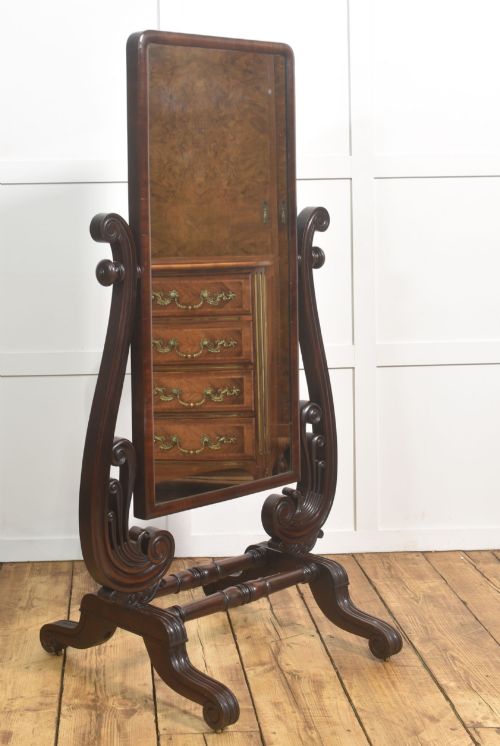
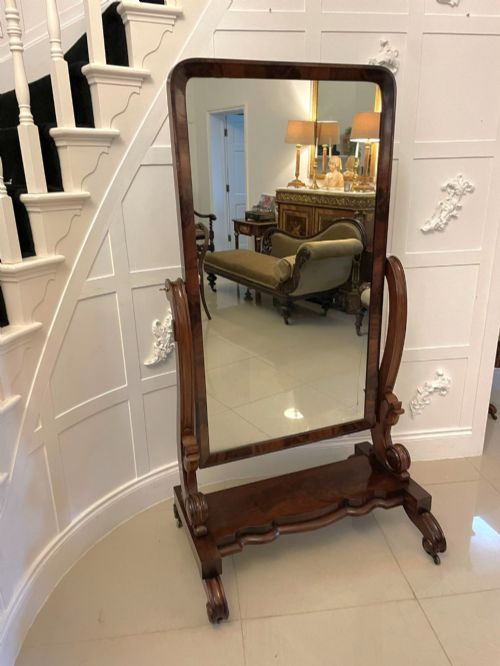
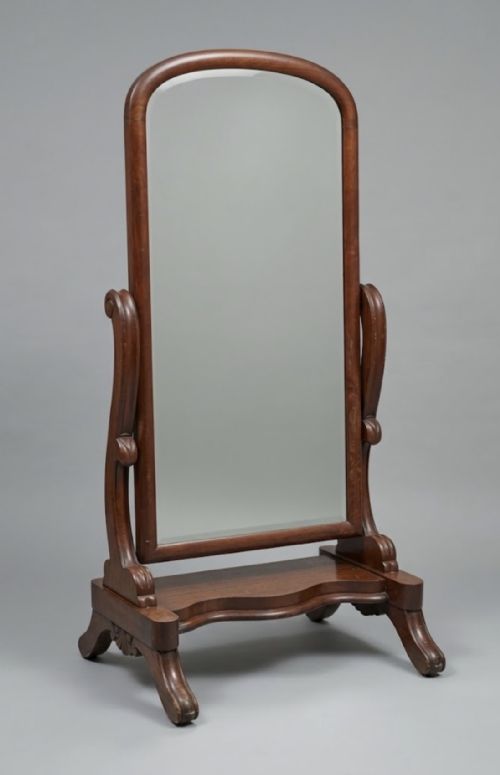
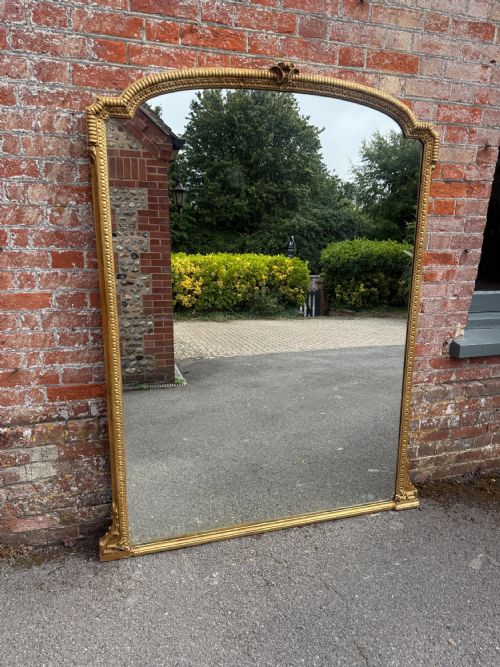
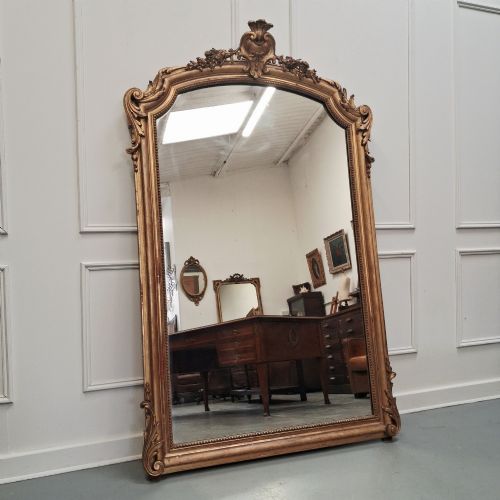
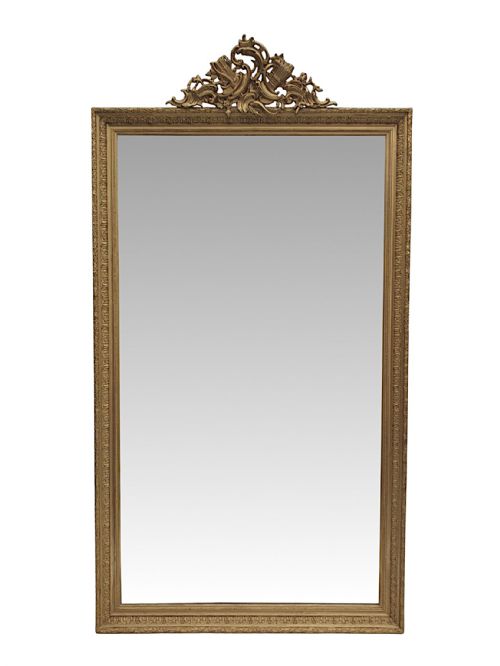
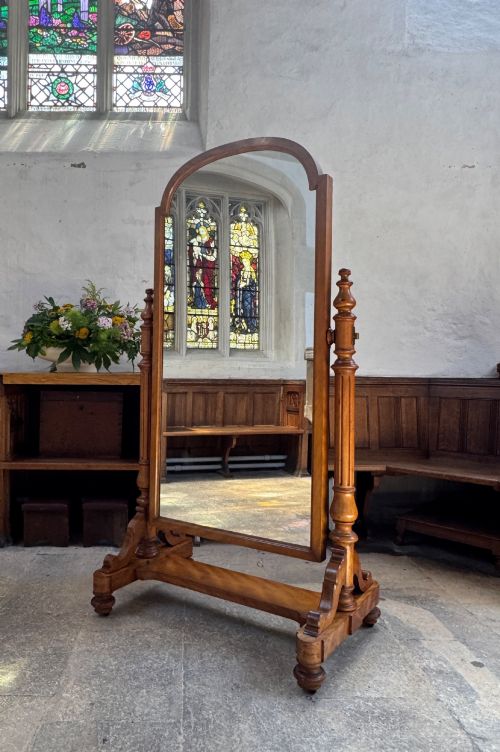
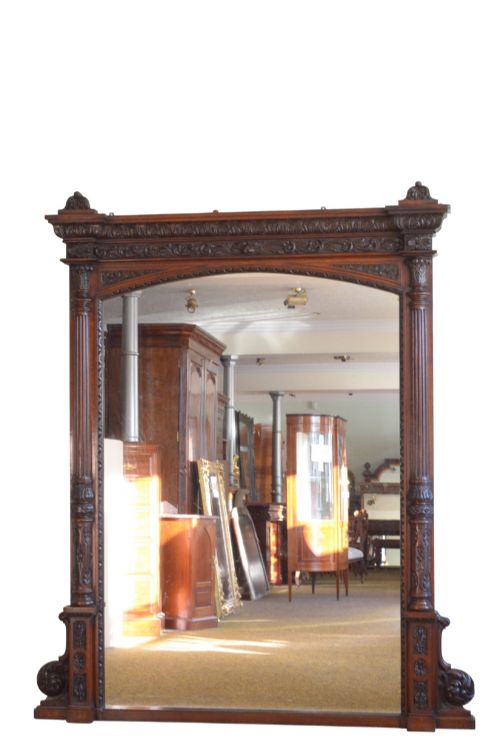
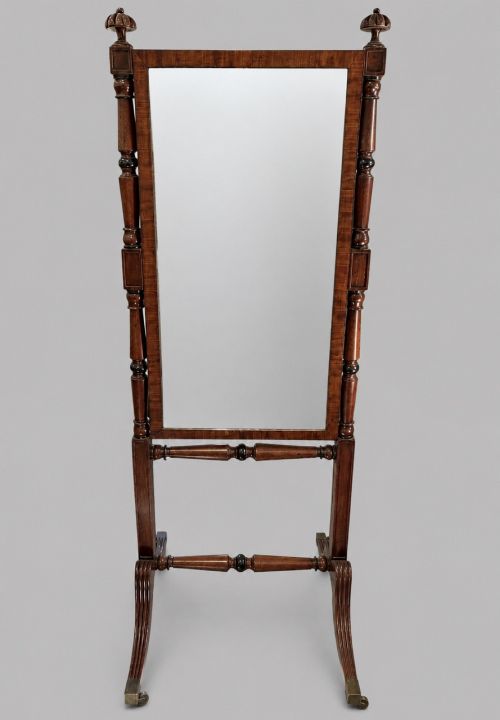
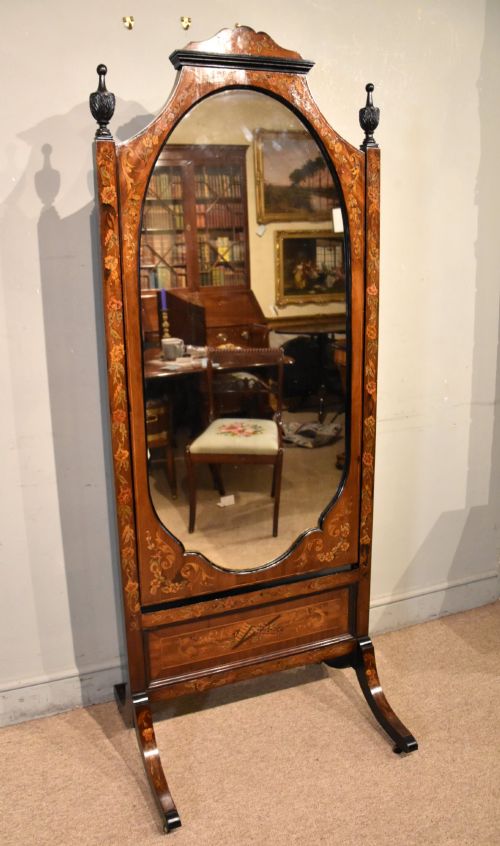
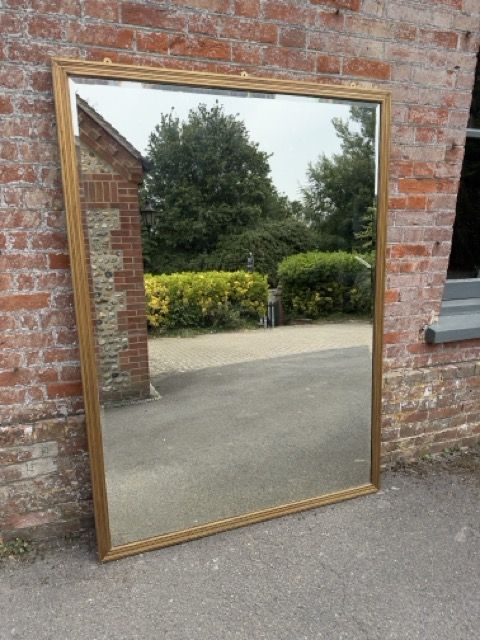
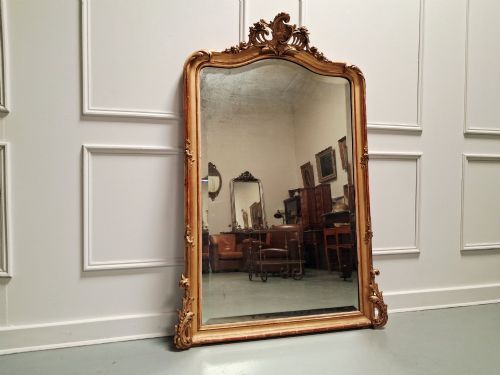
A victorian floor mirror encompasses substantial tall looking glasses designed to stand independently on the floor or lean securely against a wall. The category centres primarily on freestanding cheval mirrors with swing plates, alongside large wall-mounted leaner mirrors, overmantels, and pier glasses.
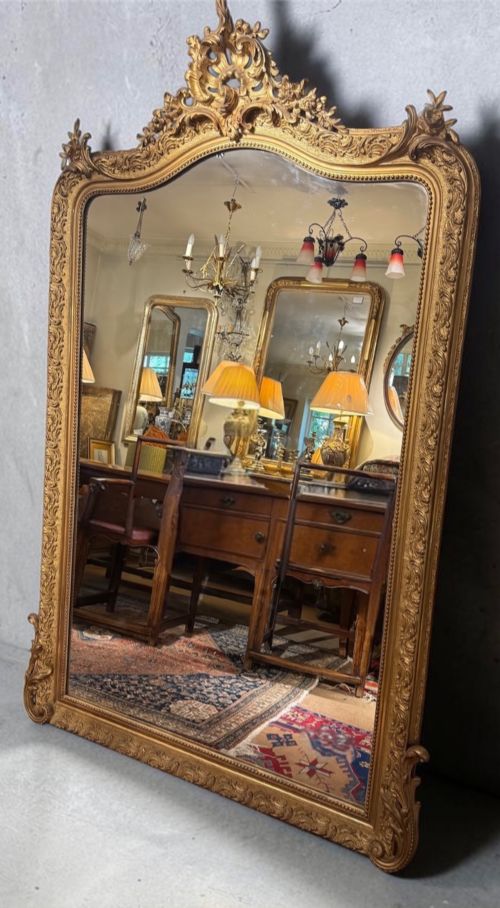
Most examples found in this selection date from the nineteenth century, spanning decades from the 1850s to the 1890s, with occasional incursions from the Regency and William IV periods. Timber frames in mahogany dominate the freestanding pieces, while giltwood and gesso predominate in the taller wall-leaning formats.
How they were made
Cabinetmakers utilised dense hardwoods like mahogany, satin birch, and oak for structural frames, frequently incorporating flame veneers and turned elements such as barley twist supports or rope carving. Freestanding cheval mirrors rely on sturdy side uprights mounted on robust trestle or tripod bases, often featuring brass pivot pins and adjustable tilt mechanisms.
Giltwood and gesso wall mirrors were constructed from carved softwoods layered with plaster compositions, then gilded with fine leaf to create reflective statement pieces. Large plates of mirror glass sat within these heavy frames, secured by wooden backs and protected by applied mouldings.
Victorian Floor Mirror Retail Price Guide 2026
Typical asking prices for victorian floor mirror among the pieces listed under this phrase on Sellingantiques today, from the lower quarter to the upper quarter. They describe what is for sale here now, not the wider market.
Mahogany is the most frequent timber found across these nineteenth-century floor and cheval mirrors, frequently accompanied by giltwood and gesso frames.
What varies in quality
The architectural weight of the timber and the depth of the carving set exceptional pieces apart from standard workshop production. Superior nineteenth-century frames display crisp hand-carved details, well-figured mahogany veneers, and substantial brass hardware that bears the weight of a heavy glass plate without sagging.
The integrity of the frame construction dictates longevity, particularly where swing mirrors meet their floor stands through pivoting pins. Quality shows in the thickness of the original mirror glass, the precision of the joinery, and whether auxiliary elements like telescopic adjustments operate smoothly.
The Victorian Floor Mirror Glossary
- Cheval mirror
- A freestanding swing mirror supported on a frame with four legs or a dual-pillar base. This design allows the user to view their entire outfit from head to toe.
- Gesso
- A plaster-based mixture applied to carved wooden frames to create a smooth surface for gilding. It enables intricate relief ornamentation around the mirror plate.
- Overmantel mirror
- A large horizontal or arched glass originally designed to sit above a fireplace mantelpiece. Many examples function equally well as floor-standing leaner mirrors.
- Pier mirror
- A tall, narrow looking glass designed to hang on the wall space between two windows. They often stand on the floor as leaner mirrors in modern interiors.
- Flame mahogany
- A decorative wood veneer cut from the fork of the mahogany tree where the branch meets the trunk. It creates a distinctive, fiery flame-like pattern across the frame.
Victorian Floor Mirror: Frequently Asked Questions
How do I secure a heavy leaner mirror?
Large nineteenth-century frames carry considerable weight and require proper anchoring to prevent tipping forward. Wall straps or hidden brackets secured into masonry or studs keep the glass stable.
Position the base slightly away from the skirting board so the frame leans back naturally against the wall surface without placing undue pressure on the glass plate.
What is the difference between a cheval mirror and a pier mirror?
A cheval mirror stands independently on its own floor base with a pivoting glass frame that tilts back and forth. You can place it anywhere in a room without needing wall support.
A pier mirror is designed to hang on the wall, often filling the narrow vertical space between windows, though many large nineteenth-century versions now stand directly on the floor as leaners.
How do I adjust a tilting dressing glass?
Most freestanding cheval frames utilise brass thumbscrews or pivot pins set into the upright pillars. Tightening or loosening these side fixtures controls the tension on the swinging mirror plate.
Ensure you support the weight of the glass with one hand while adjusting the brass fittings to prevent the heavy frame from suddenly swinging past its intended angle.
Can these mirrors be used in small rooms?
Tall vertical looking glasses naturally draw the eye upward and bounce natural light across smaller spaces, making compact rooms feel considerably more expansive. A slim cheval mirror or a narrow leaner takes up very little floor footprint while adding architectural depth.