


Victorian Fireside Storage
Victorian fireside storage pieces keep hearth fuel close at hand while bringing period metalwork and timber into the room.
Victorian Fireside Storage
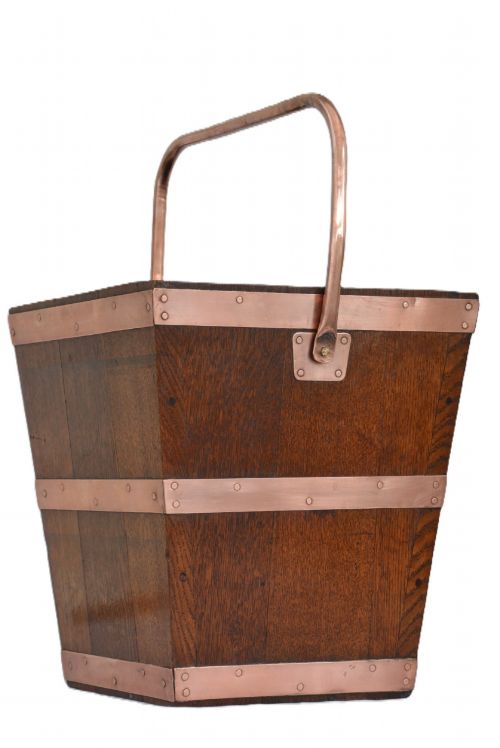
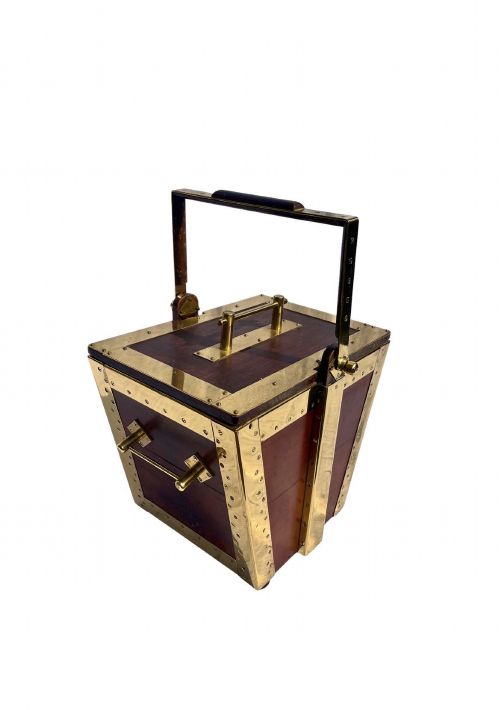
Victorian fireside storage encompasses coal scuttles, log bins, purdoniums and coal boxes designed to hold solid fuel by the hearth. The pieces on this page span the Victorian, Edwardian and later nineteenth century periods, reflecting domestic heating needs of the era.
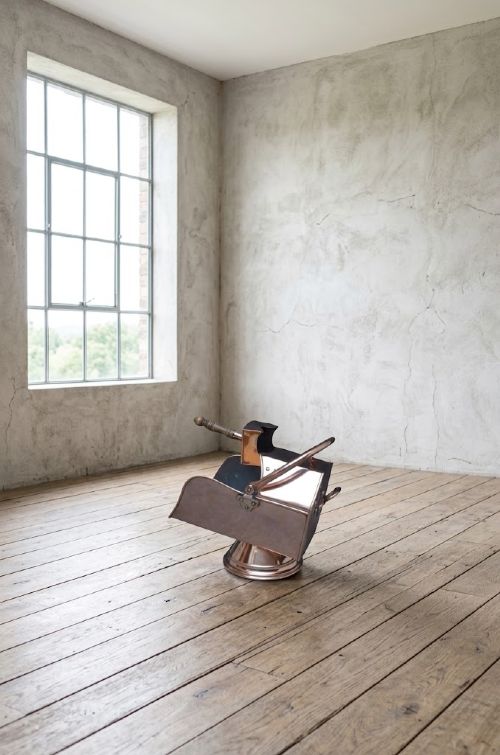
Many examples arrive with original liners, shovels or drop-down fronts designed to make hearth management practical. Styles range from utilitarian iron and blacksmith-made coal wagons to decorative Arts and Crafts, Art Nouveau and Aesthetic Movement designs.
How they were made
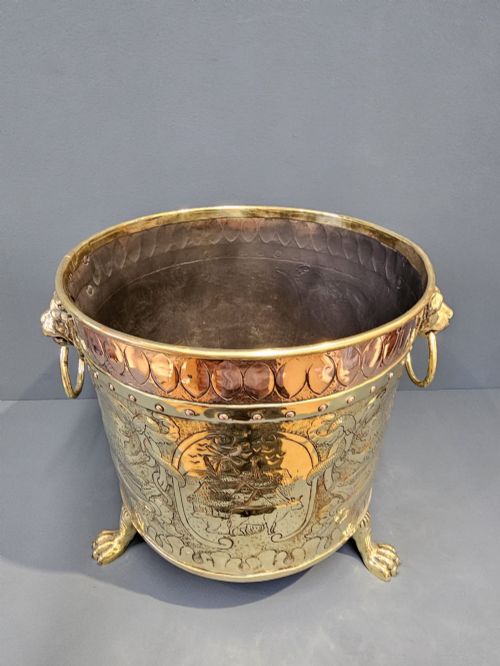
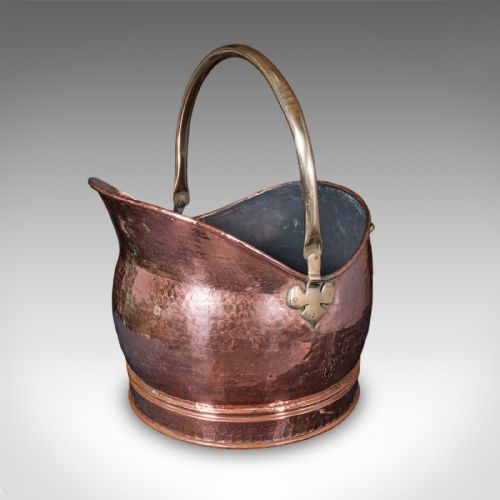
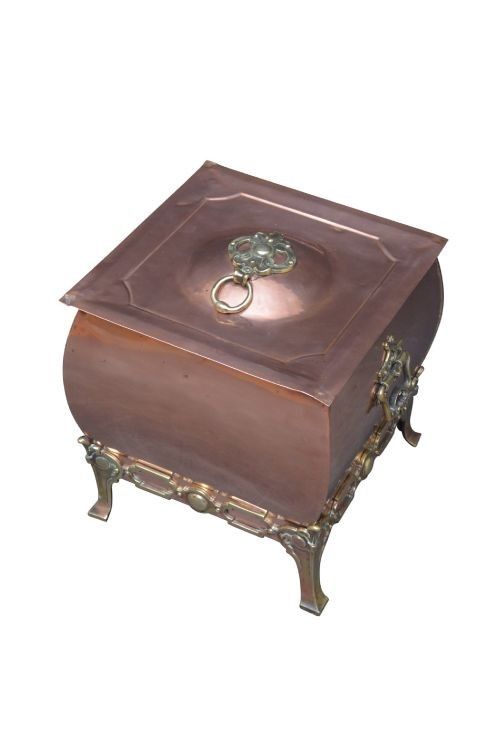
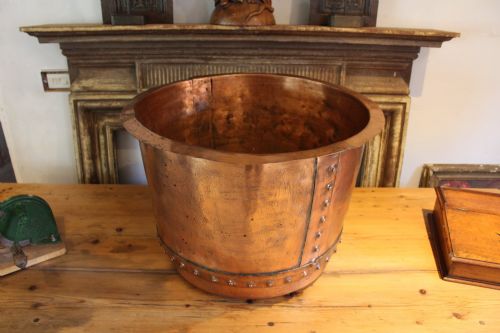
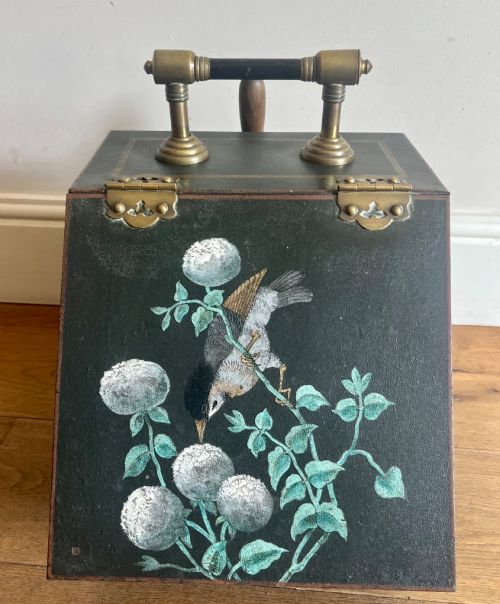
Metal vessels rely heavily on hand-finished copper and brass, often displaying embossed motifs, applied copper bands or brass mountings. Blacksmiths shaped wrought iron and metal into robust coal wagons and bins, while tole ware provided a painted tin alternative.
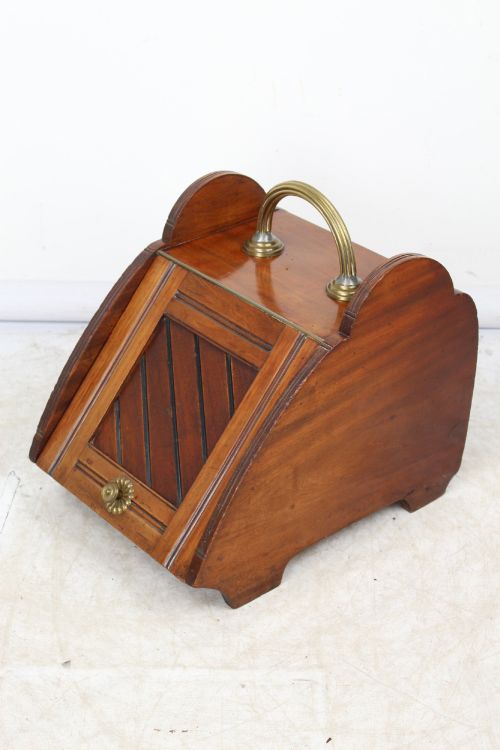
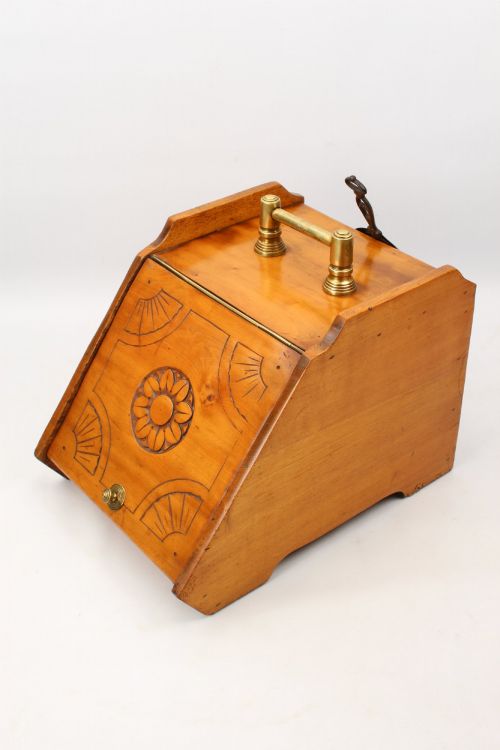
Wooden receptacles utilise solid oak, walnut, mahogany and pollard oak, frequently enhanced with brass handles, hinges and ormolu mounts. Cabinets and purdoniums incorporate panelled construction to contain fuel neatly beside the fireplace.
Several coal scuttles arrive equipped with their original shovels, proving that centuries ago, someone actually managed not to lose the fireside poker.
What varies in quality
The standard of a piece rests upon the weight of the metal and the selection of timber, where substantial brass mountings and figured walnut or oak distinguish finer examples. Heavy gauge copper and crisp embossing separate superior coal scuttles from simpler utilitarian versions.
Integrity of construction and the presence of original components such as metal liners and matching shovels elevate a piece. Cabinetry with well-fitted drop-down lids or purdonium mechanisms shows higher levels of joinery skill.
The Victorian Fireside Storage Glossary
- Purdonium
- A specialised cabinet or box for coal featuring a sloping front or drop-down door designed for easy shovelling. These typically house an interior metal liner to catch dust and small debris.
- Coal Helmet
- A metal scuttle shaped with a flared rim resembling a medieval helmet to facilitate pouring fuel. They often stand on small feet and include a hinged carrying handle.
- Tole Ware
- Lacquered or painted metalware used for decorative household items including coal containers. The technique creates a durable surface finished with painted or stenciled ornamentation.
- Log Bin
- A large open or lidded container intended for storing firewood rather than small coal. These appear in heavy copper, brass-mounted wood and woven materials.
- Aesthetic Movement
- A late nineteenth century design style prioritizing visual beauty over narrative meaning. Pieces from this period incorporate stylized motifs and refined materials.
Victorian Fireside Storage: Frequently Asked Questions
What is a purdonium?
A purdonium is a dedicated Victorian coal box featuring an interior metal liner and a hinged door or drop-down front. They were built to keep coal tidy and contained beside the fireplace.
Most versions include a matching shovel stored in a side compartment or bracket. The design allowed homeowners to scoop fuel without leaving loose coal dust on the hearth.
How do I clean copper coal scuttles?
Cleaning depends on whether you prefer a bright polished finish or a dark aged patina. Traditional metal polish removes tarnish from brass and copper surfaces.
Avoid abrasive scrubbers that scratch embossed patterns or thin metal plating. Many collectors choose to leave historical patination untouched to preserve the age of the piece.
Were these used for coal or logs?
Hearth containers served multiple solid fuel requirements depending on their size and internal liner. Smaller scuttles and helmets held coal or slack for grates.
Larger wooden boxes and metal bins accommodated logs and kindling wood. Removable metal liners inside wooden boxes protected the timber from moisture and dirt.
How do I date a fireside box?
Dating relies on material combinations, construction methods and stylistic movements. Pieces from the mid nineteenth century often display simpler iron or heavy copper work.
Later Victorian and Edwardian examples frequently incorporate machine-pressed brass decorations, inlaid wood or Arts and Crafts motifs. Original liners and hardware also offer clues to the manufacturing decade.