

Victorian Fire Guard Curb
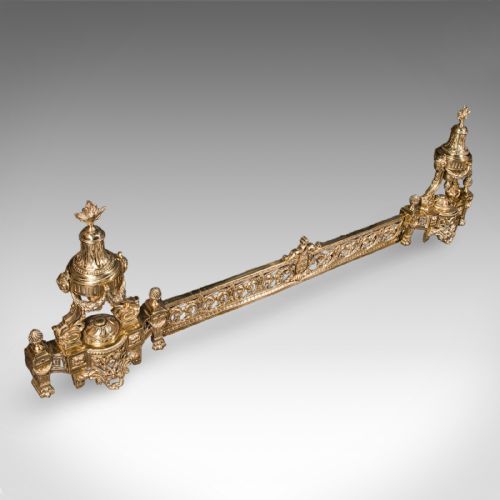
A victorian fire guard curb frames the hearth, protecting the room from stray embers while anchoring the fireplace.

Victorian Fire Guard Curb
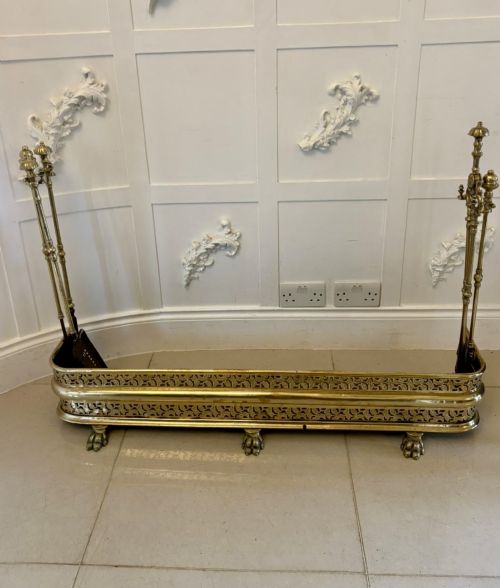
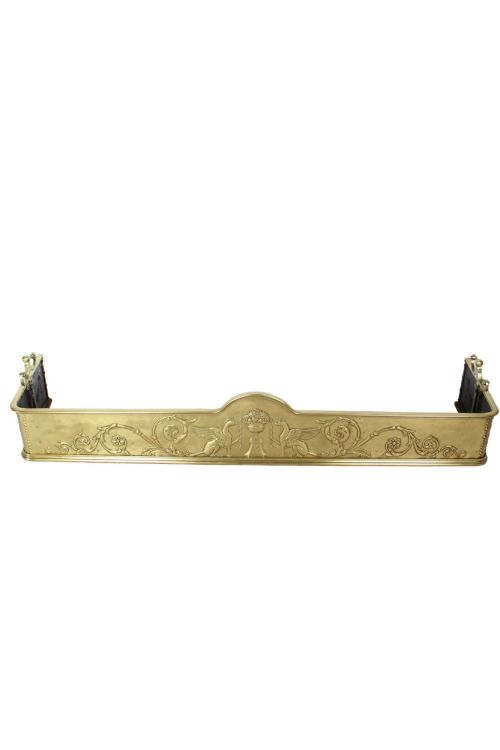
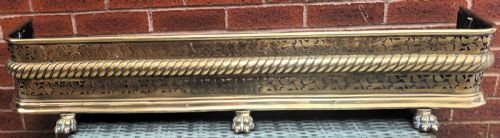
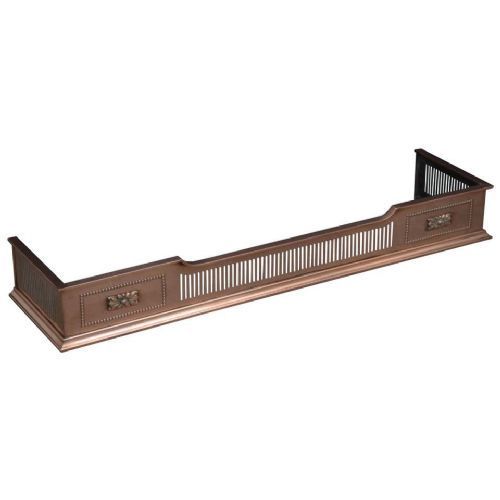
A victorian fire guard curb sits directly on the hearth floor around the opening of a fireplace to contain coal and wood ash. These metal barriers range from compact hearth fenders to wide adjustable versions designed to fit varying chimney dimensions.
Most examples found in this collection date from the nineteenth century, spanning Victorian and Edwardian periods. Brass forms dominate the listings, frequently accompanied by iron, steel, copper, and bronze elements.
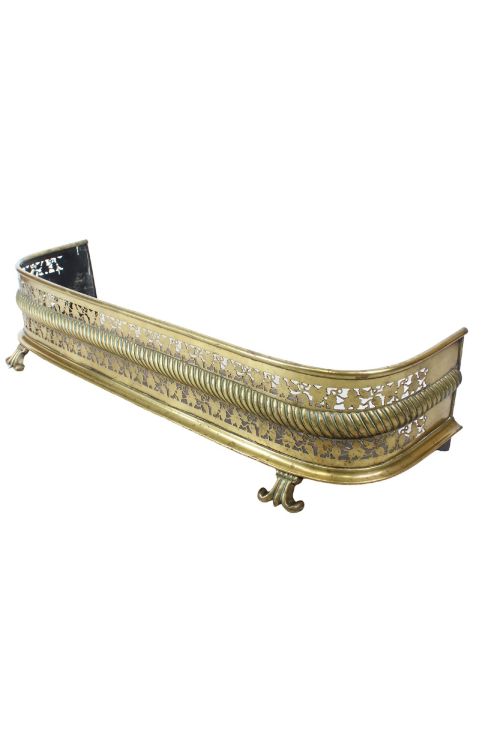
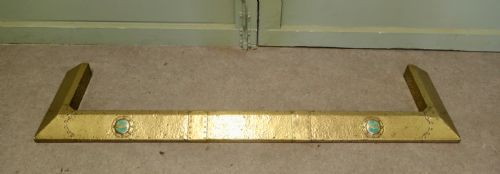
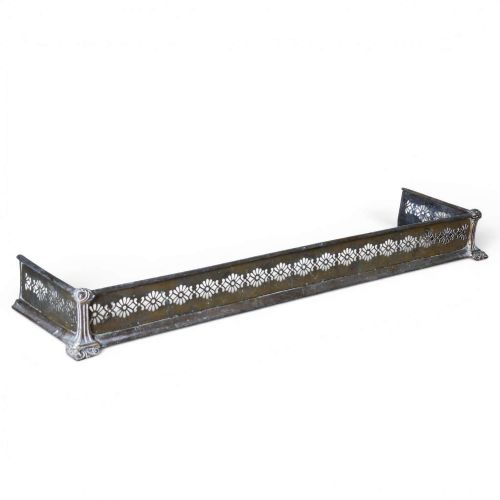
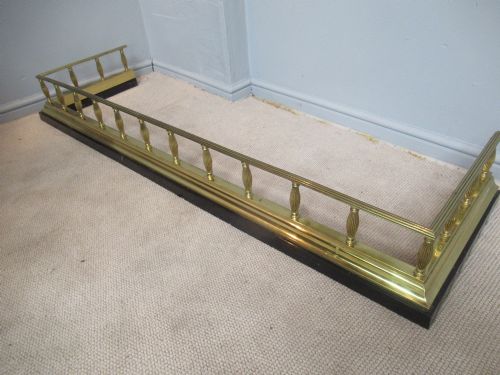
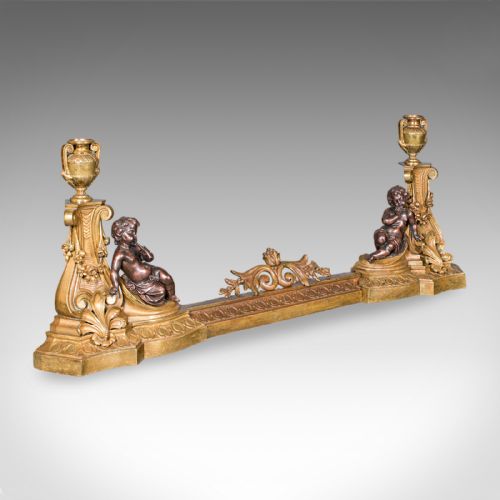
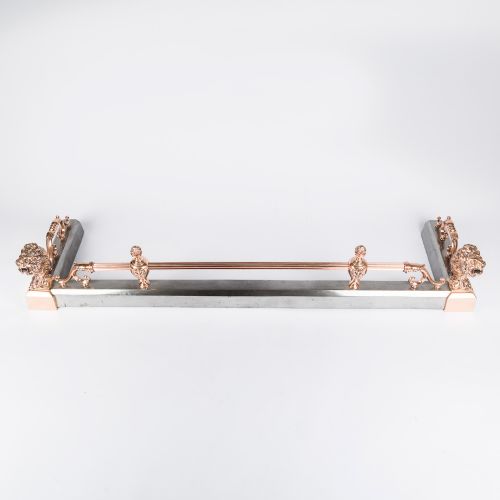
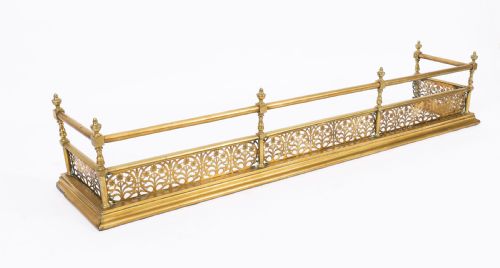
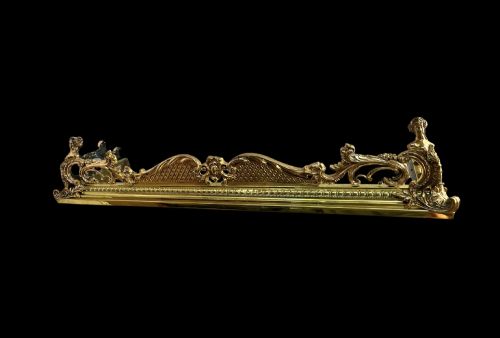
Buyers encounter numerous stylistic variations including pierced brass, neoclassical motifs, Arts and Crafts designs with green enamel cabochons, and flowing Art Nouveau lines. Certain pieces incorporate specific decorative details such as flower pateras, beaded decoration, lions, and original fire irons.
Materials and construction
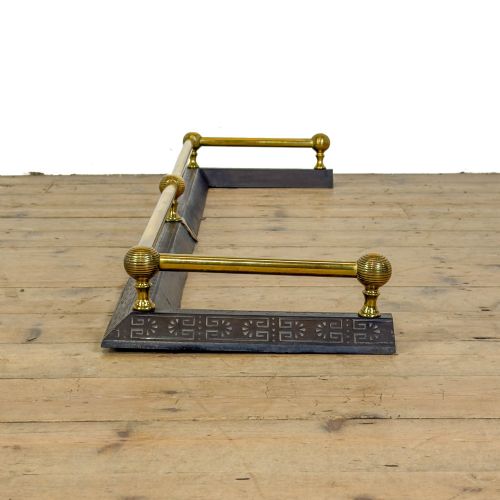
Makers utilised cast iron, polished steel, and solid or sheet brass to build these durable hearth accessories. Metalwork techniques involved casting, riveting, piercing, and curving to achieve ornate patterns and robust structural frames.
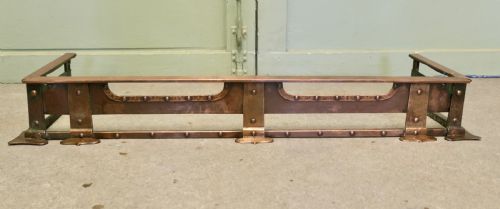
Copper and bronze accents appear alongside iron and steel, sometimes paired with green enamel cabochons or decorative patera. Riveted copper and polished brass surfaces showcase traditional nineteenth-century metalworking skills.
The inventory includes adjustable nineteenth-century hearth guards alongside oak club fenders and pieces decorated with flower patera and lions.
Quality and craftsmanship
The standard of a victorian fire guard curb depends upon the weight of the metal utilised and the crispness of the pierced or cast ornamentation. Finer examples display meticulous detailing in floral motifs, dragon details, or neoclassical proportions rather than simple pressed sheet metal.
Proportion and structural integrity separate standard utility items from superior decorative pieces. Intricate hand-finished brasswork, substantial bronze components, and the inclusion of matched fire irons elevate the overall quality.
The Victorian Fire Guard Curb Glossary
- Fender
- A low metal guard placed around the hearth to keep burning coals and ash from rolling onto the carpet. They protect the surrounding floor and often double as a seat in club fender variations.
- Pierced brass
- Sheet metal perforated with decorative holes and patterns using punches or hand chisels. This technique lightens the visual weight of the heavy metal barrier.
- Patera
- A circular ornamental bas-relief resembling a classical libation dish, frequently carved or stamped with flower motifs. These round medallions punctuate the linear borders of the metalwork.
- Club fender
- A large hearth fender featuring upholstered top rails that provide seating beside the fire. These low benches allow people to sit close to the warmth.
Victorian Fire Guard Curb: Frequently Asked Questions
How do I measure for a fire fender?
Measure the width and depth of your hearth stone to ensure the metal curb sits comfortably within the perimeter. Account for any protruding hearth edges or uneven flooring.
Adjustable models offer flexibility if your fireplace opening falls between standard sizes. Check whether the stated dimensions include the outer corners or internal gallery space.
Did Victorians use brass or iron fenders?
Victorians used both brass and iron, often combining polished steel and copper within a single design. Brass was favoured for its bright reflective quality in formal reception rooms.
Cast iron and steel appeared frequently in utilitarian settings or heavier architectural styles. Material choices depended largely on the room's status and overall interior decoration scheme.
Can I clean a polished brass curb?
Polished brass surfaces accumulate dust and tarnishing over decades of use in coal-heated rooms. Gentle dusting with a soft cloth preserves the existing metal patina without stripping its character.
Avoid harsh abrasive compounds that scratch antique metalwork. Dedicated metal care products should be used sparingly and tested on an inconspicuous area first.