







Victorian Figural Table Lamp
A victorian figural table lamp combines sculpture and illumination, offering collectors cast metal or porcelain human and allegorical figures paired with period oil or electric fittings.
Victorian Figural Table Lamp
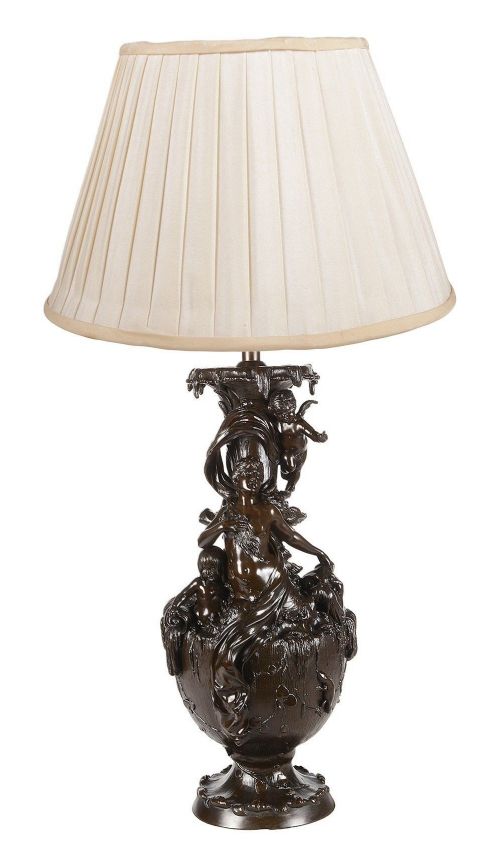
A victorian figural table lamp centres on sculptural human, putti, or maiden forms cast in bronze or spelter, or modelled in porcelain. These pieces originate from nineteenth-century workshops in England, France, Germany, and America, spanning neoclassical and Gothic influences.
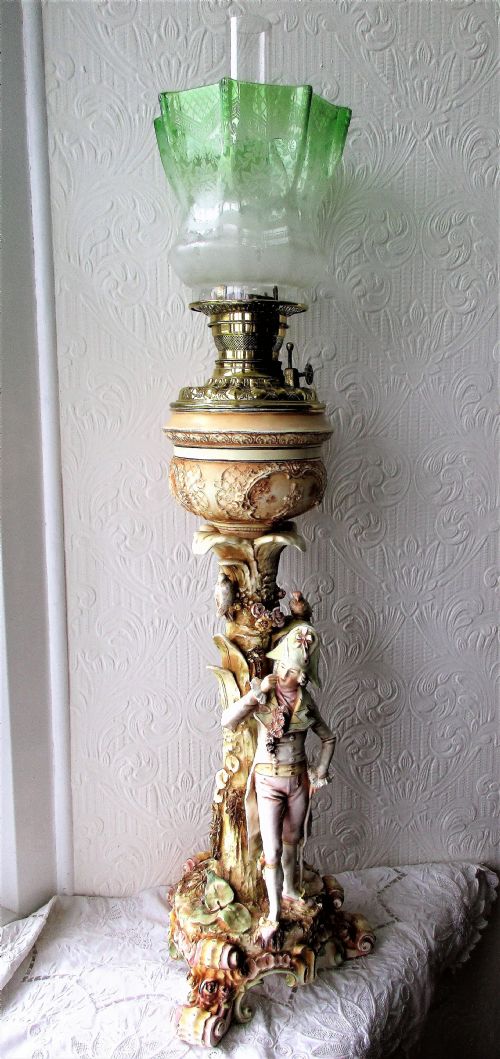
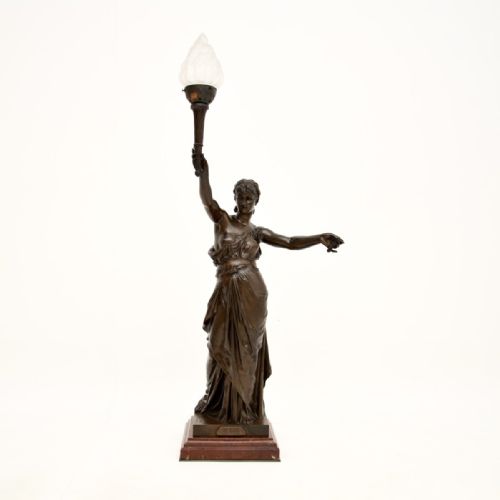
The most common examples encountered on this page combine cast metal figures holding torchere shades or mounted with oil lamp reservoirs. Many pieces started life as oil lamps before later conversion to take standard electrical lamp holders.
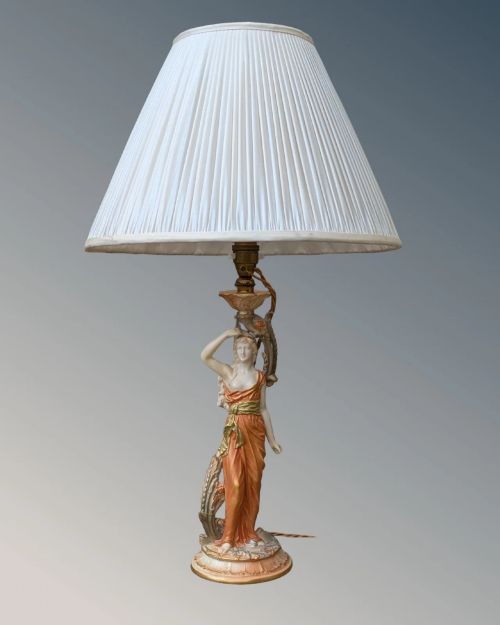
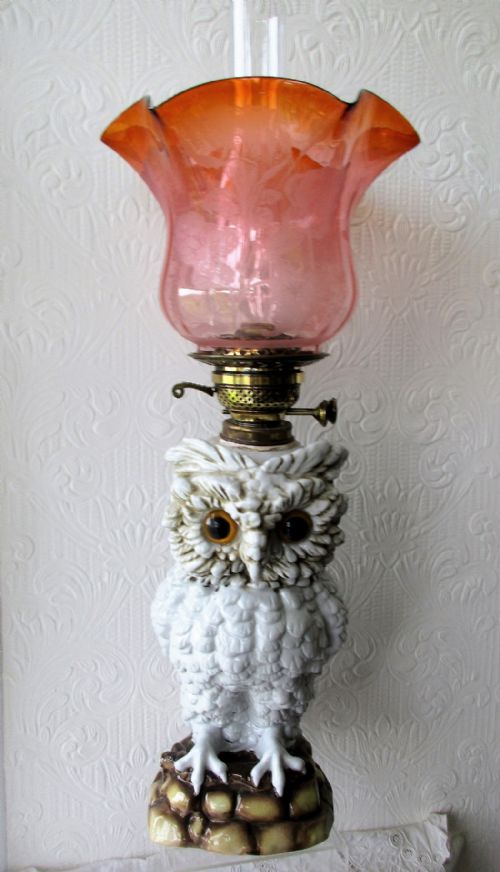
Makers integrated the figural element directly into the support structure, mounting bronze statues on marble plinths or incorporating porcelain owl and maiden figures into functional lighting.
Materials and construction methods
Foundries utilised bronze, gilded bronze, and spelter for the sculptural components, employing lost-wax or sand-casting methods before applying cold-painted, gilt, or bronzed surface finishes. These metal figures often stand upon fitted marble bases or ceramic china plinths.
Porcelain works relied on skilled moulding and hand-painting techniques, seen in Royal Worcester and Sitzendorf pieces. Fabric shades and frosted glass components complete the lighting assembly, paired with brass or bronze burner mechanisms.
Listings feature works from nineteenth-century French, German, and English foundries using bronze, spelter, and porcelain.
Judging quality and execution
The choice of base materials and signature presence elevates certain pieces, particularly signed bronzes by established nineteenth-century sculptors. Original surface patination, whether cold-painted or fire-gilt, holds higher value than later over-painting.
Emile Picault·Jean-Jules Cambos·H. Moreau·Aug. Moreau·Adrien Gaudez
The Victorian Figural Table Lamp Glossary
- Spelter
- A zinc-lead alloy used as a lower-cost alternative to bronze in nineteenth-century casting. It is softer and typically shows a applied bronzed or painted finish.
- Cold-painted bronze
- A method where paint is applied to a finished bronze casting without subsequent firing. This delicate surface finish is prone to rubbing over time.
- Torchere shade
- A lighting shade or fitment designed to direct light upwards. In figural pieces, the central figure often holds this element aloft.
- Ormolu
- Gilded bronze produced through a mercury amalgamation process on metal. The rich golden surface resists tarnish when handled with care.
Victorian Figural Table Lamp: Frequently Asked Questions
Are these lamps converted from oil lamps?
Many nineteenth-century lighting pieces began as oil lamps using burnished brass fonts and ceramic reservoirs before receiving later electrical conversions.
Collectors frequently encounter pieces where the original burner mechanism has been adapted to house modern wiring and lamp holders.
How do I clean a bronze lamp?
Dust metal figures gently with a soft, dry brush to preserve the underlying patina and any delicate cold-painted surface details.
Avoid commercial metal polishes, as abrasive compounds strip away the historical finish and diminish the value of the casting.
What is the difference between bronze and spelter?
Bronze is a durable copper alloy that accepts fine chisel work and holds a deep, natural patination over decades of handling.
Spelter is a softer zinc alloy that feels lighter in the hand and relies on applied surface paints to simulate the appearance of true bronze.
How do I identify the period?
Nineteenth-century pieces often display neoclassical or French Second Empire styling, with cast signatures from known foundry sculptors on the base.
Construction clues, such as threaded brass fittings, heavy marble plinths, and hand-mixed porcelain glazes, point directly to the Victorian era.