





Brass Figural Table Light
These brass figural table light pieces combine cast metal figures and functional illumination, offering expressive sculpture for your home.
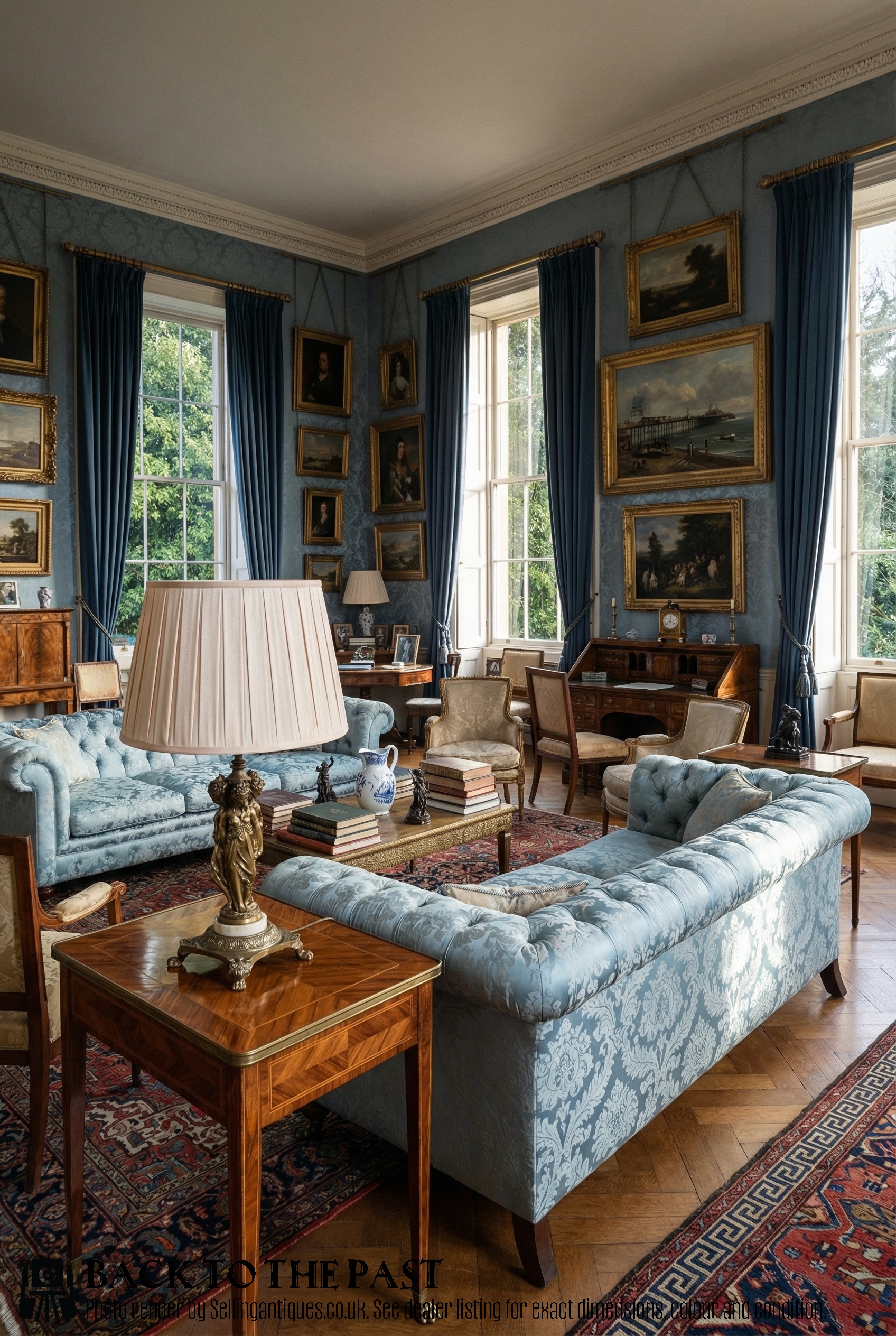
Brass Figural Table Light
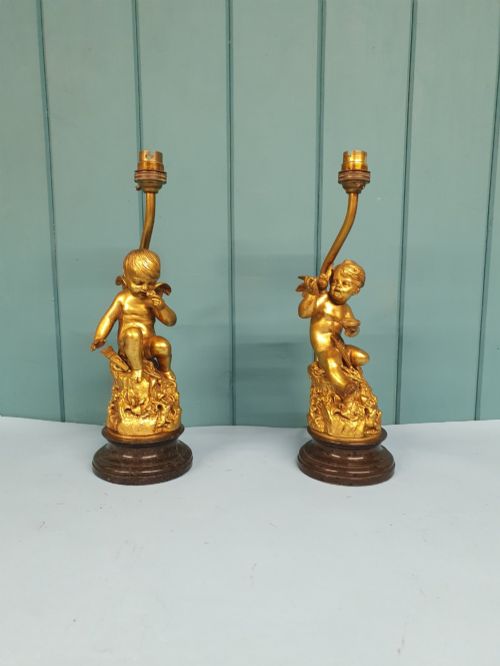
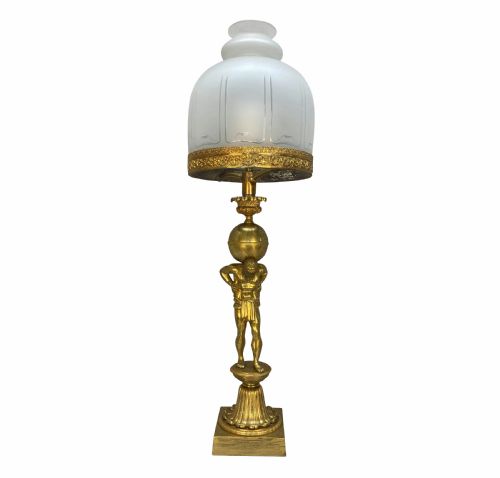
A brass figural table light brings sculptural presence to a room, depicting human forms, cherubs, or animals alongside functional illumination. When you search for a brass figural table light, you encounter pieces that range from slender classical figures to elaborate multi-light arrangements supported by cast metal bases.
The selections span several distinct eras, drawing on Victorian, Edwardian, and Art Deco aesthetics as well as Regency and Art Nouveau revivals. You are likely to find both single lamps and matched pairs incorporating materials such as porcelain, marble, and gilt bronze.
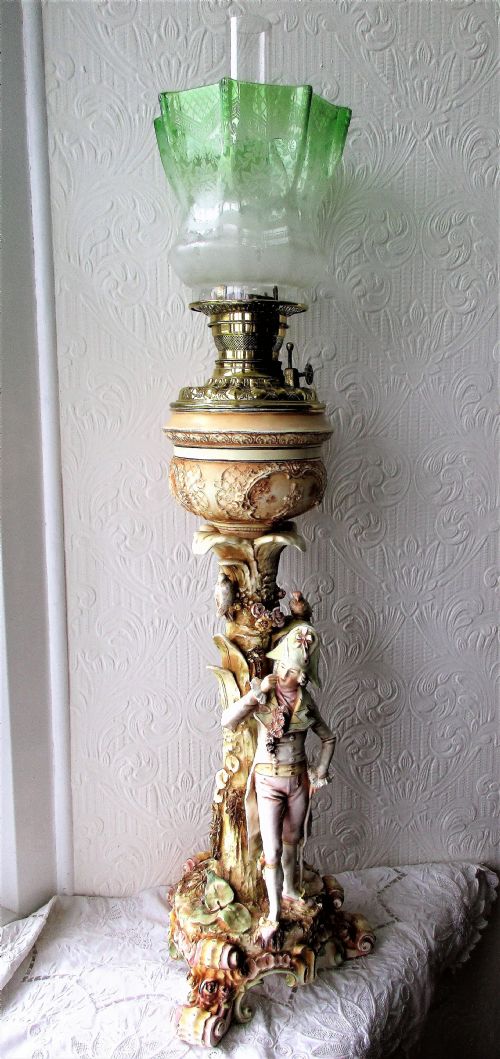
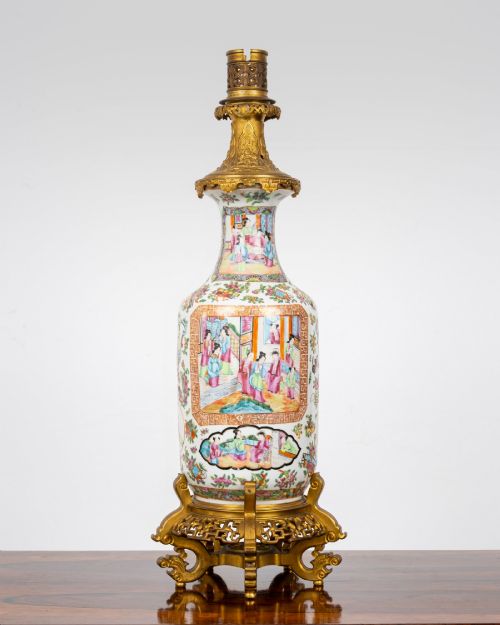
Forms vary from converted oil lamps and candlesticks to dedicated table lamps and candelabra fitted with fabric shades or exposed bulbs. These objects often integrate Asian ceramics or European metalwork to create decorative focal points for side tables and sideboards.
Materials and construction methods
Maker workshops utilised brass, spelter, and gilt bronze to cast structural figures and bases, often combining these metals with carved marble or hand-painted porcelain bodies. Metal components were cast, chased, and gilded or finished with patination to highlight sculptural detail.
Porcelain elements from factories such as Sitzendorf or Karl Ens were glazed, fired, and painted before being mounted into metal mounts. Many pieces integrate glass shades, including frosted and blue and white varieties, designed to soften the output of the light source.
Object types span table lamps, oil lamps, candlesticks, and multi-light candelabra.
Distinguishing quality in figural lighting
Material integration also dictates tier, as heavier marble bases, substantial gilt bronze rather than lighter spelter, and high-grade porcelain bodies indicate superior workshop standards. The integrity of original mounts and the weight of the overall construction demonstrate the maker's initial investment in the piece.
L & F Moreau·Karl Ens·Anton Buschelberger·Sitzendorf
The Brass Figural Table Light Glossary
- Spelter
- A zinc alloy commonly used as a substitute for bronze in decorative figures. It takes fine detail well but is softer and lighter than genuine bronze.
- Gilt bronze
- Metal cast in bronze and treated with a layer of gold or gold-coloured alloy. It provides a durable and rich metallic finish that resists tarnishing.
- Famille rose
- A palette of Chinese ceramic glazes notable for their opaque pink enamel. This style appears frequently on porcelain bodies mounted as lamps.
- Candelabra
- A branched candlestick designed to hold multiple light sources. These often feature sculptural figures supporting the candle nozzles.
- Crackelware
- Pottery featuring a network of fine cracks in the glaze applied intentionally for decorative effect. It adds texture to the ceramic body of a lamp.
Brass Figural Table Light: Frequently Asked Questions
What periods do these lamps come from?
The selection includes pieces spanning the nineteenth century through the early twentieth century, encompassing Regency, Victorian, Edwardian, and Art Deco eras.
Design motifs shift from classical revival figures and romantic cherubs to the stylized geometry of the 1920s.
How were these figural lights originally used?
Many began as oil lamps or candlesticks before later conversion to electricity for modern household use. They served both as primary task lighting and as decorative ornamentation on side tables.
Grand rooms utilised matched pairs on mantelpieces or sideboards to balance the symmetry of traditional interiors.
Are these pieces wired for modern use?
Most antique lamps are found with modern electrical wiring installed by previous owners to allow safe operation. It remains prudent to have a qualified electrician inspect any vintage lighting before plugging it in.
Original burners and fittings are frequently retained alongside modern cords and plugs.
How do I distinguish bronze from spelter?
Bronze is heavier, denser, and colder to the touch than spelter, with a more resonant sound when tapped gently. Spelter is softer and may reveal a greyish metal beneath the surface finish where wear has occurred.