



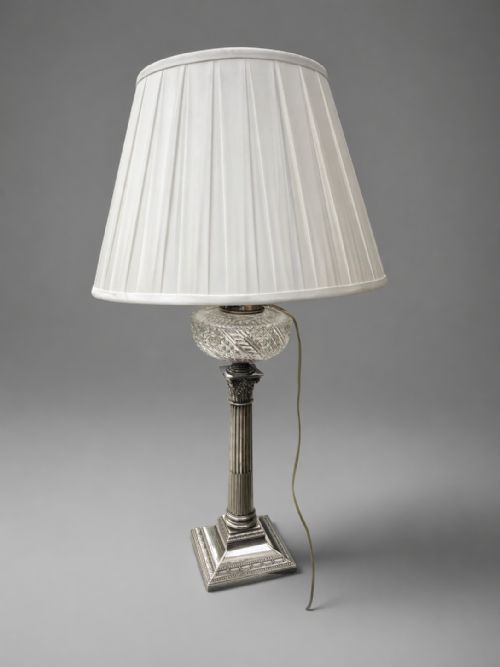
Pleated Shade Lamp
These pleated shade lamp designs combine period bases with diffuse light, bringing warmth and character to any room.
Pleated Shade Lamp
A pleated shade lamp brings together decorative lighting fixtures and textured textile covers, forming a distinct category of domestic illumination. When exploring this search phrase, buyers encounter everything from modest boudoir lights to substantial floor-standing uplighters.
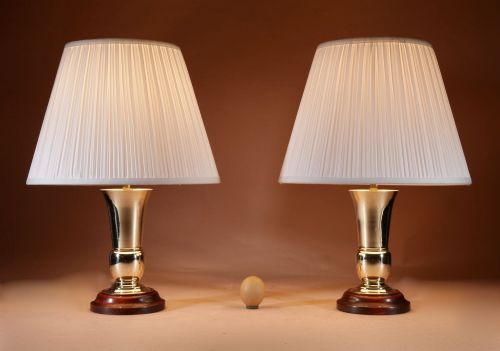
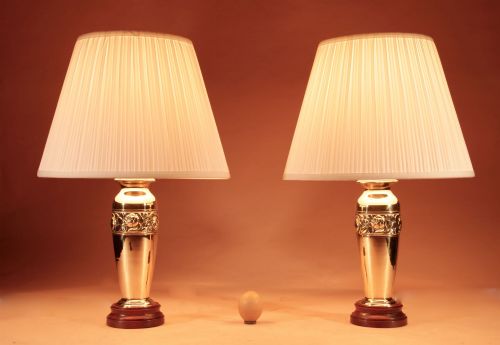
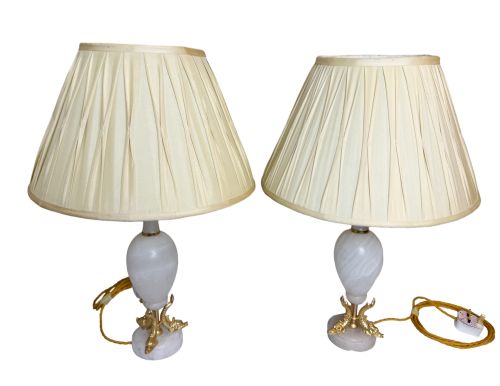
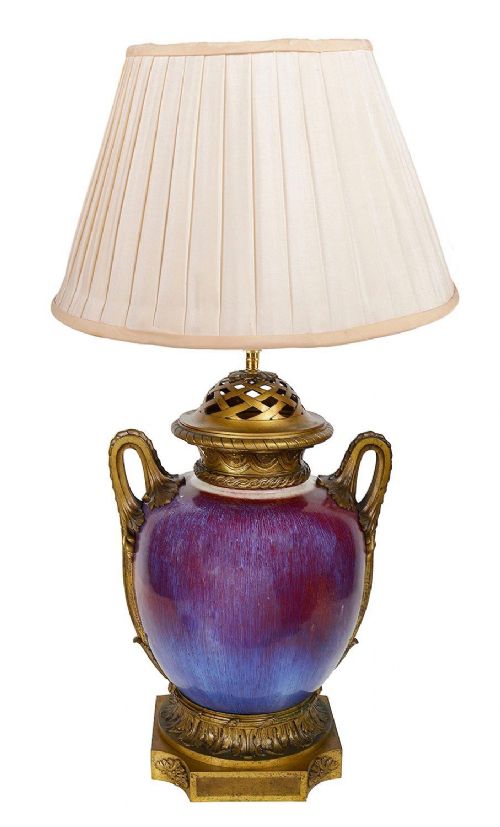
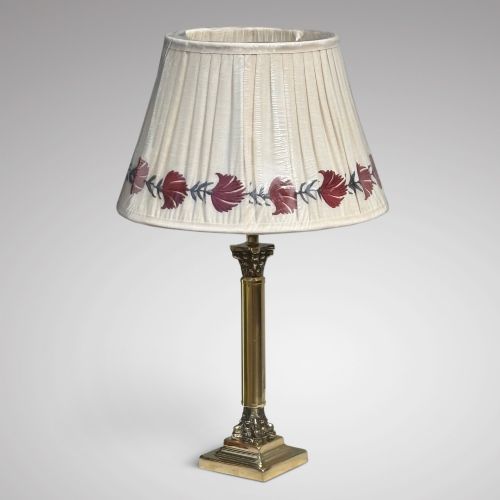
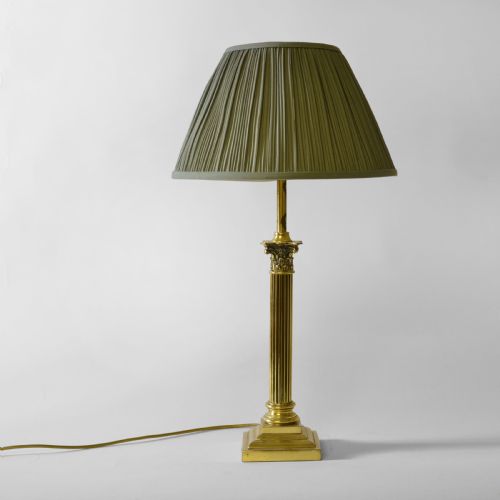
The objects appearing here span multiple eras, drawing heavily on 19th Century, Victorian, Edwardian, and 1920 periods. Brass columns, ceramic vessels, and carved alabaster frequently serve as the foundational body beneath the shade.
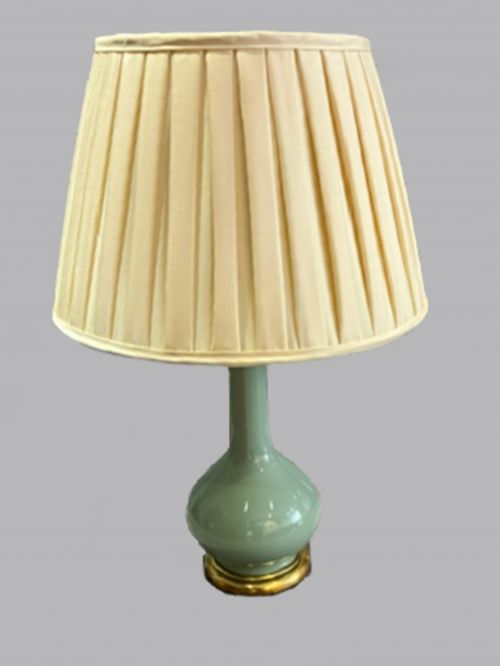
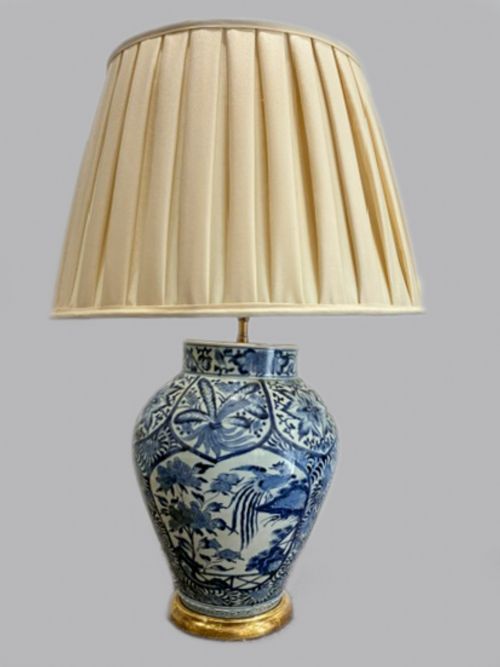
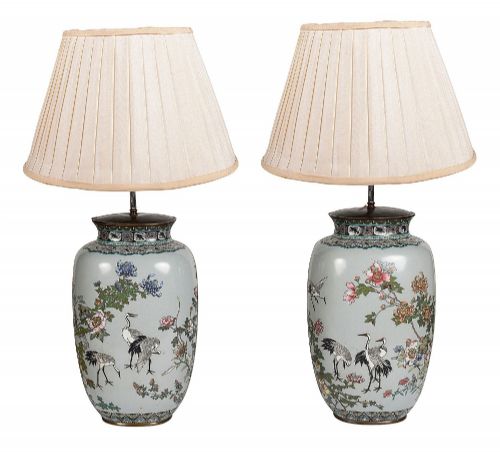
Table lamps dominate the selection, though standard lamps, ceiling lights, and scientific instruments also emerge. Many pieces repurpose earlier Japanese vases, Chinese porcelain, or tea canisters into functional lighting.
Materials and construction
Metalwork forms a primary pillar of construction, utilising brass, gilt bronze, silver, and patinated white metal. Founders cast these metals into ornate columns, tripod bases, and decorative mounts.
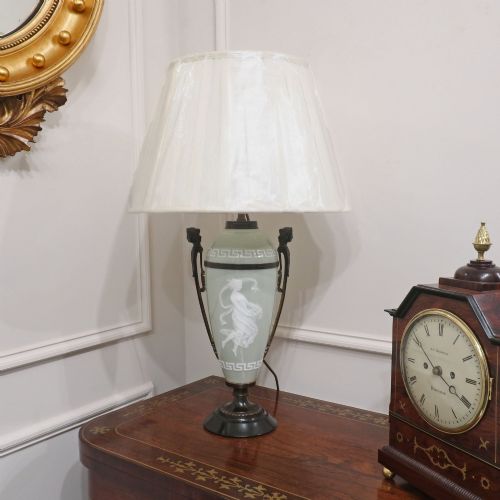
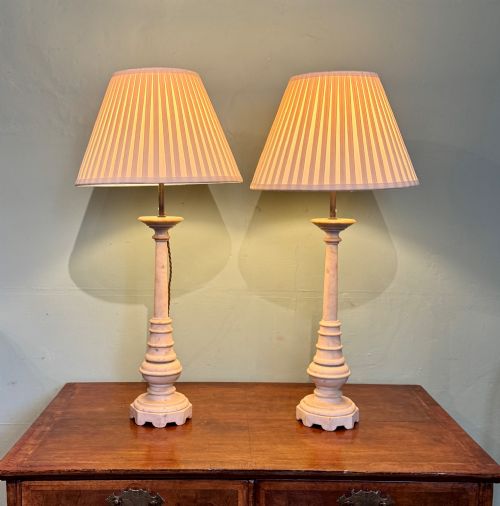
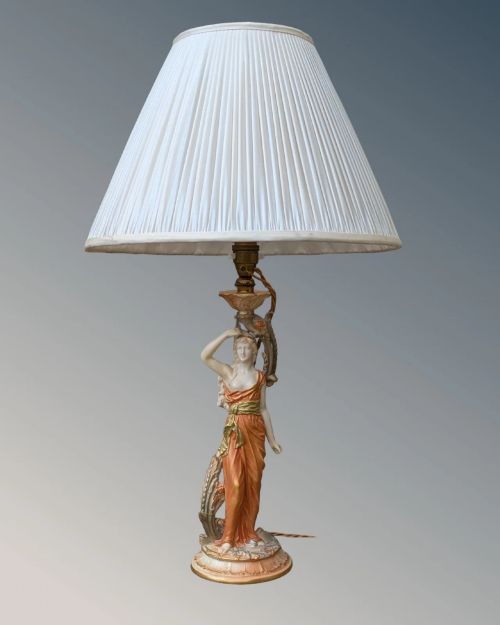
Ceramic and stone components provide substantial weight and colour, incorporating porcelain, white marble, onyx, alabaster, and delft blue and white earthenware. Artisans often mounted these materials onto gilt or brass bases.
Fabric and silk create the characteristic soft glow, paired with handmade shades that complement the solid bodies beneath. Wood and carved giltwood further expand the repertoire of structural materials.
A Victorian microscopy candle shade spent its early years illuminating tiny slides rather than living room corners.
Factors determining quality
Material selection and execution dictate the standing of a piece, separating basic commercial production from master craftsmanship. Hand-carved alabaster, finely chased ormolu, and hand-painted porcelain represent the upper tiers of production.
Adaptation skill plays a significant role in pieces created from earlier vessels, such as converted Japanese or Chinese vases. Seamless conversion and careful preservation of the original body maintain the integrity and balance of the object.
The Pleated Shade Lamp Glossary
- Table Lamp
- A self-contained lighting fixture designed to stand on a piece of furniture, providing localized illumination.
- Standard Lamp
- A tall floor-standing lighting fixture that positions a light source at eye level or above.
- Cloisonné
- A metalwork technique where enamel is applied within compartments created by soldered wire strips.
- Ormolu
- Gilded bronze used for decorative mounts, furniture hardware, and lamp bases, particularly in French pieces.
Pleated Shade Lamp: Frequently Asked Questions
What periods do these lamps come from?
The selection spans from the late 17th Century up through the 1930s, encompassing Victorian, Edwardian, and Art Deco eras.
Many listings feature items from the 19th Century alongside early 20th Century French and Italian designs.
How were older vases converted into lamps?
Craftsmen took antique ceramic vessels, such as Japanese Satsuma or Chinese lidded vases, and adapted them for electrical components.
This process preserved the decorative historical body while adding modern functional capability.
Are these lamps suitable for reading?
Many table and standard lamps provide adequate ambient or task illumination depending on the wattage and height of the fixture.
Adjustable floor lamps and tripod models offer specific directional light suited for task use.
How do I identify French Neoclassical style?
French Neoclassical pieces typically display restrained classical ornamentation, symmetrical proportions, and motifs drawn from antiquity.
Materials often include patinated bronze, marble, and delicate porcelain like pate sur pate.