




Victorian Female Figure
When you search for a victorian female figure, you encounter crafted sculptural works, busts, and paintings capturing classical and romantic subjects.
Victorian Female Figure
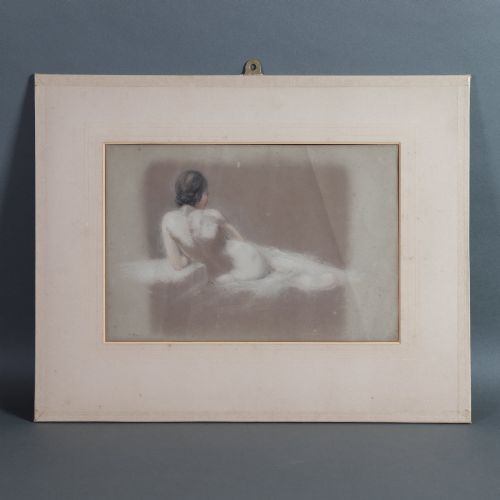
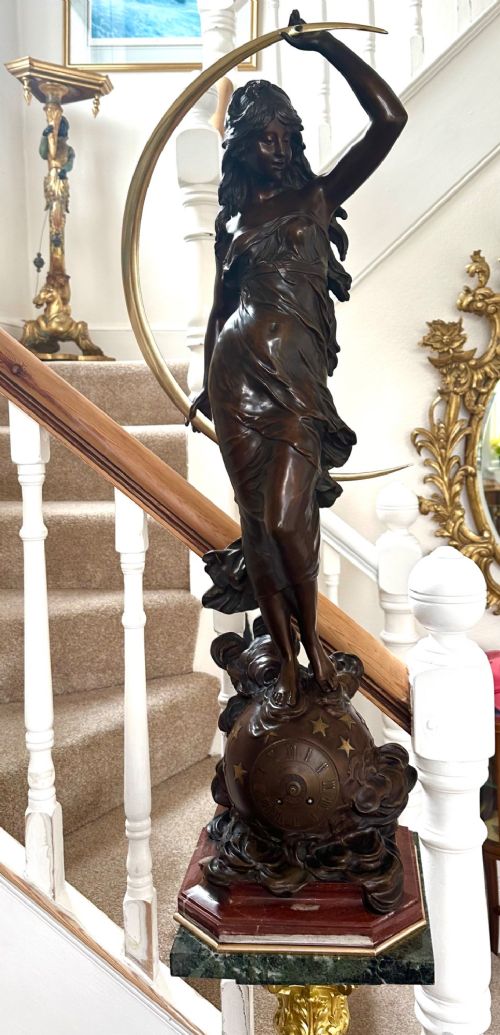
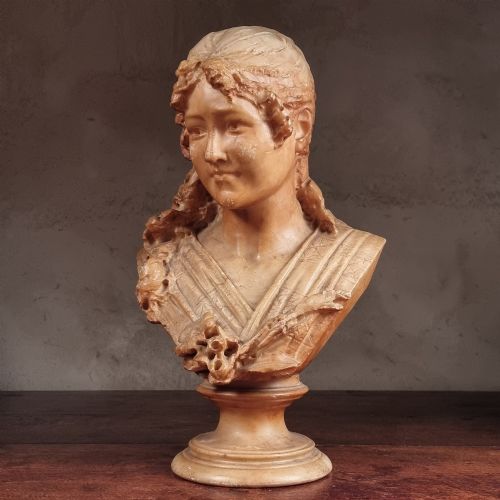
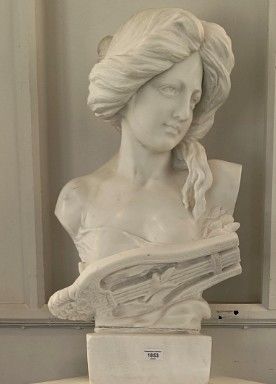
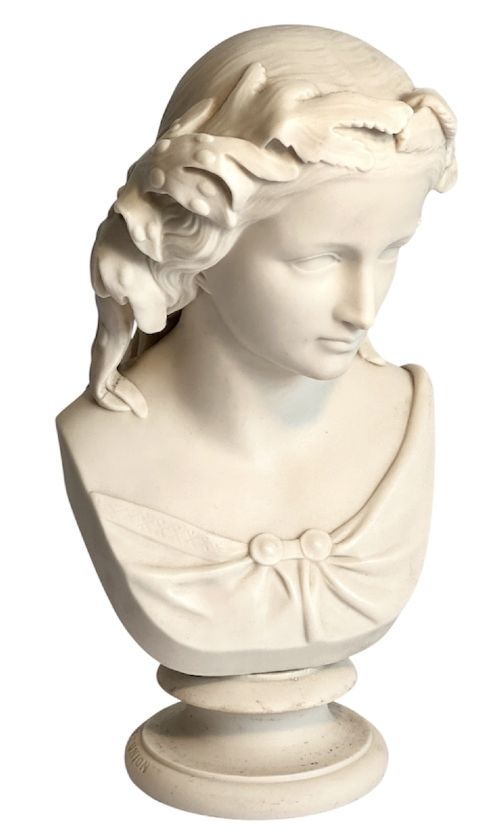
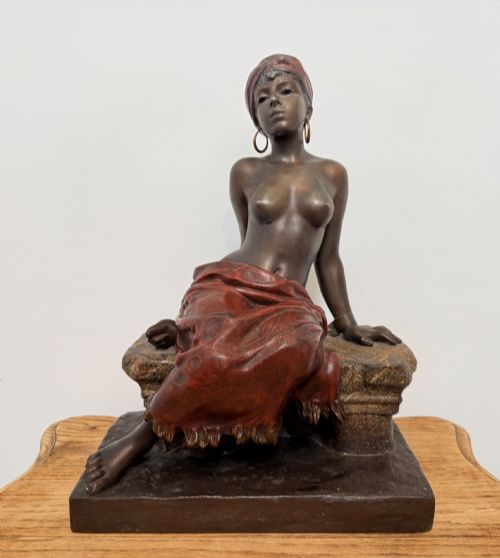
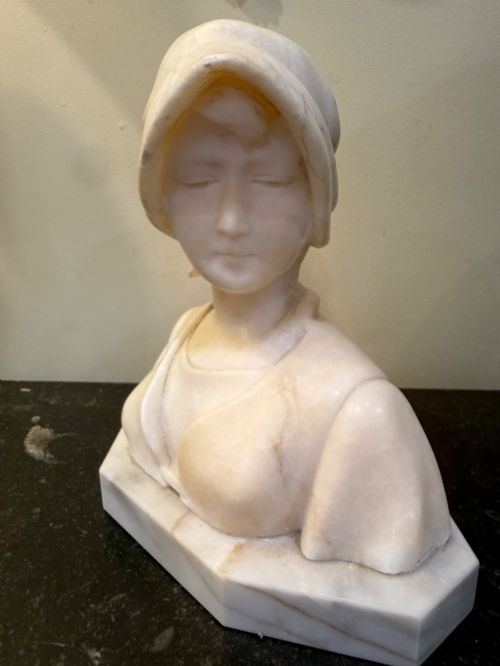
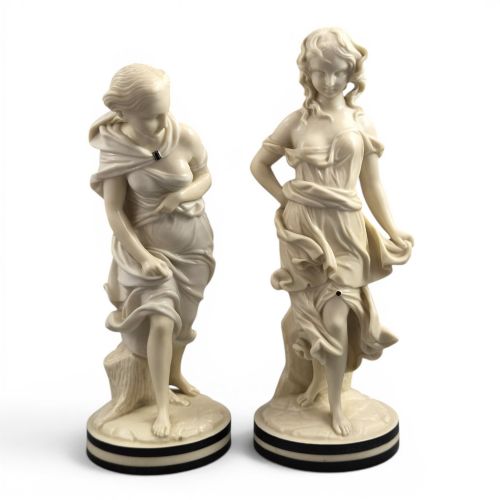
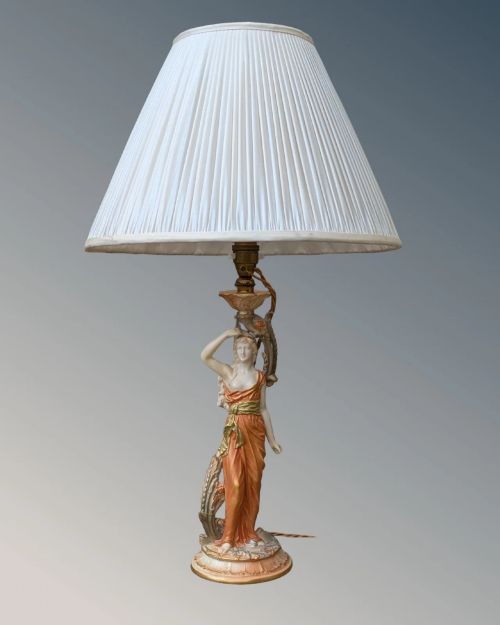
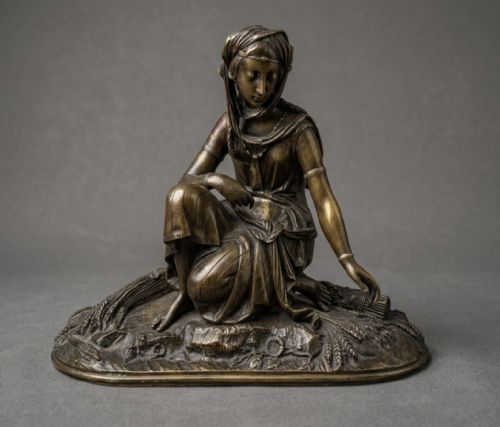
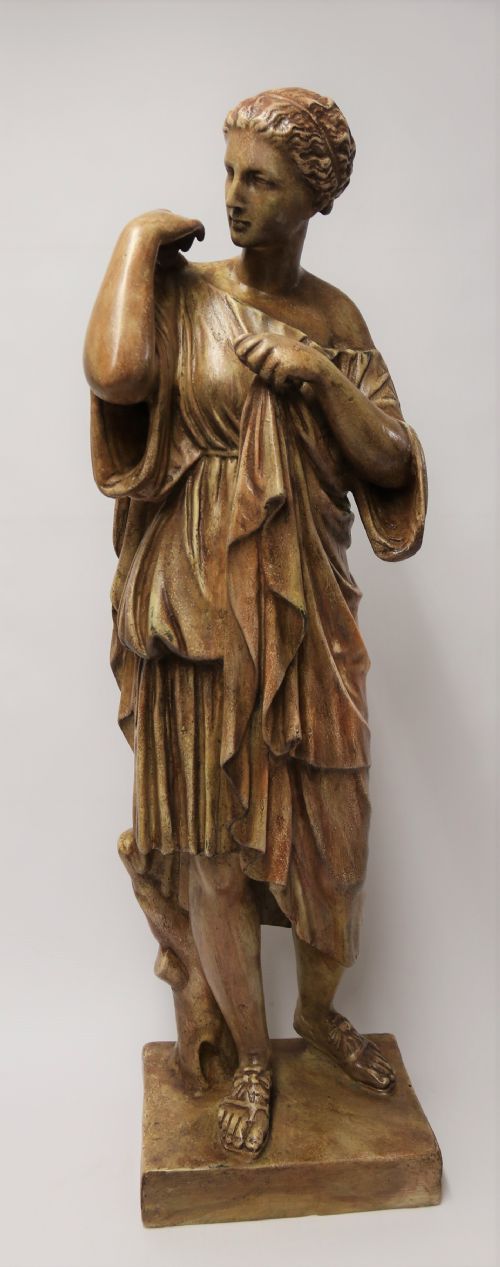
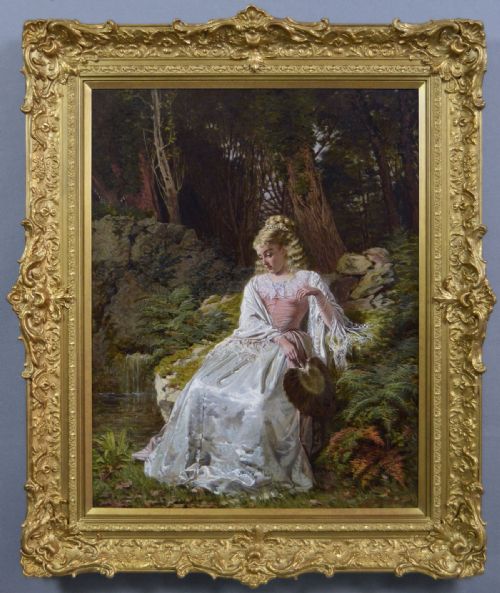
A victorian female figure encompasses three-dimensional sculptures, portrait busts, table lamps, and flat paintings depicting women from mythology, history, and allegorical themes. The selection spans the nineteenth century, with marble and bronze statues alongside parian porcelain figurines dominating the physical objects on this page.
Makers and artists rendered these subjects through distinct stylistic lenses including Neoclassicism, Orientalism, and the Romantic movement. Subjects range from mythological figures like Diana and Venus to literary heroines and local studies carved in wood or alabaster.
How They Were Made
Sculptors utilised traditional casting methods for bronze figures, often combining patinated finishes with marble plinths or bases. Alabaster and Carrara marble required intensive hand carving to achieve smooth skin textures, drapery folds, and intricate veil effects.
Ceramic works emerged from porcelain and parian factories using slip casting and mould techniques, sometimes augmented with cold painted details or enamel highlights. Woodcarvers shaped linden and oak using chisels to produce articulated artist mannequins and architectural caryatids.
Listings feature bronze, marble, porcelain, alabaster, enamel, parian porcelain, patinated bronze, and wood.
What Varies In Quality
The standard of carving or modelling dictates the distinction between ordinary production pieces and superior works. Master carvers achieved anatomical precision, subtle facial expressions, and complex drapery that lesser artisans missed.
Material selection significantly influences the tactile presence of each object, from dense translucent alabaster and fine-grained marble to crisply detailed parian porcelain and carefully patinated bronze.
August Moreau·E Villanis·James Hadley·Bernard Bloch·S Kinsburger
The Victorian Female Figure Glossary
- Parian Porcelain
- A fine ceramic material developed in the nineteenth century to imitate carved marble, frequently utilised for portrait busts and literary figures. This smooth porcelain has a matte surface resembling Parian marble.
- Caryatid
- A sculpted female figure serving as an architectural support taking the place of a column or pillar. These structural elements appear on pedestals and furniture.
- Cold Painted
- A technique where bronze or metal figures received paint applications without being fired in a kiln. This method allowed for vivid polychrome finishes on lamps and decorative objects.
- Alabaster
- A soft mineral stone carved into decorative vessels, lamps, and portrait busts. Its translucent quality permits light to pass partially through the carved surface.
Victorian Female Figure: Frequently Asked Questions
What materials are common?
Sculptures and figures appear in bronze, marble, alabaster, parian porcelain, and wood. Painters utilised canvas and paper for oils and watercolours.
Surfaces often feature patinated finishes, enamel, or cold painted details depending on the medium.
How were they displayed?
Many sculptures stood on socle bases, marble pedestals, or tabletops as focal points in Victorian interiors. Smaller parian figures and busts sat upon mantelpieces and bookshelves.
Functional pieces like oil lamps and candlesticks integrated human forms directly into household lighting.
Who made these pieces?
Works originated from European foundries, professional sculptors, and major ceramic factories like Royal Worcester and Copeland. Painters and sketchers also produced portraits and studies.
Many decorative items and folk carvings remained unsigned by their makers.
How to date a piece?
Dating relies on stylistic movements, period materials, and factory marks recorded across the nineteenth century. Neoclassical and romantic motifs provide chronological clues alongside recorded foundry dates.
Costume details, hairstyles, and manufacturing techniques further narrow the era of creation.