
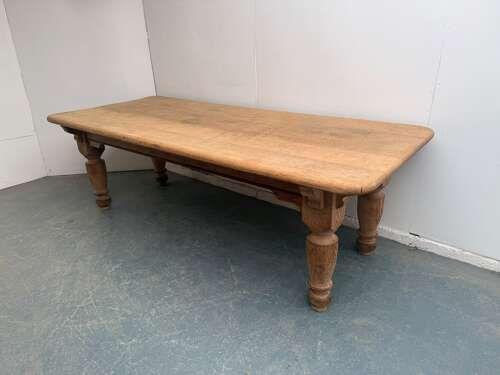
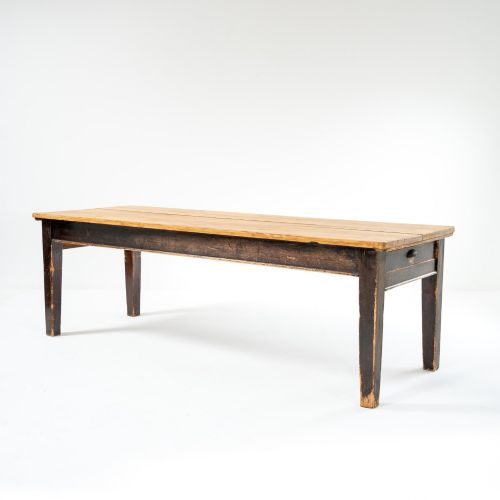
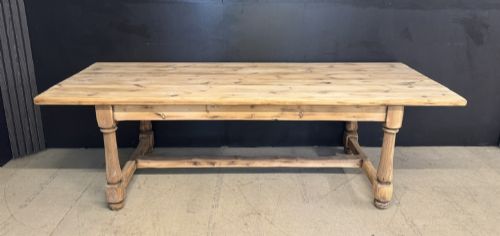
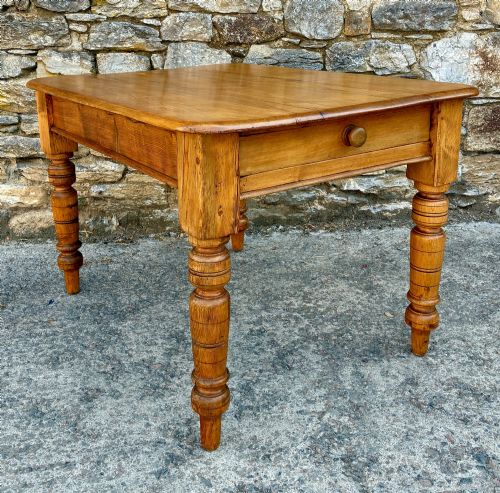

Victorian Farmhouse Dining Table
When you select a victorian farmhouse dining table, you invite robust utility and enduring nineteenth-century craftsmanship directly into your home.
Victorian Farmhouse Dining Table
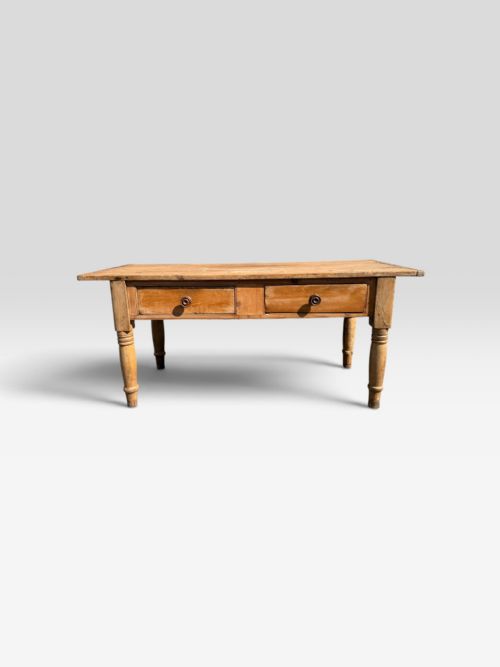
A victorian farmhouse dining table is a functional domestic centerpiece designed for heavy daily use in kitchens and dining rooms. These pieces originate predominantly from the nineteenth century, spanning decades from the eighteen-forties through to nineteen-hundred.
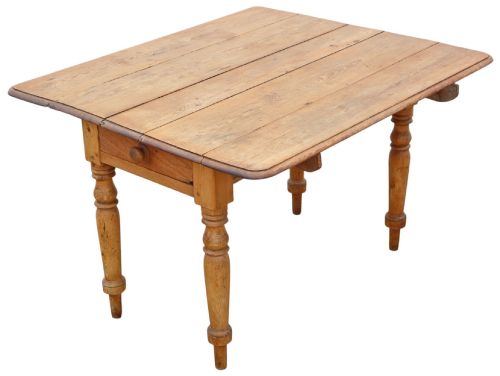
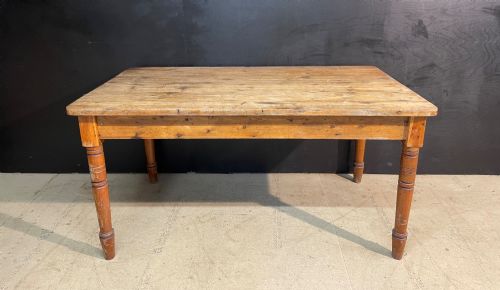
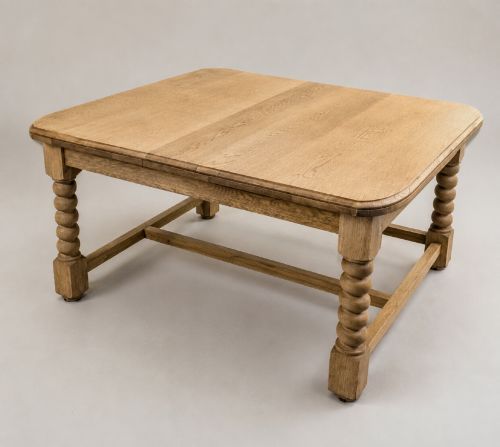
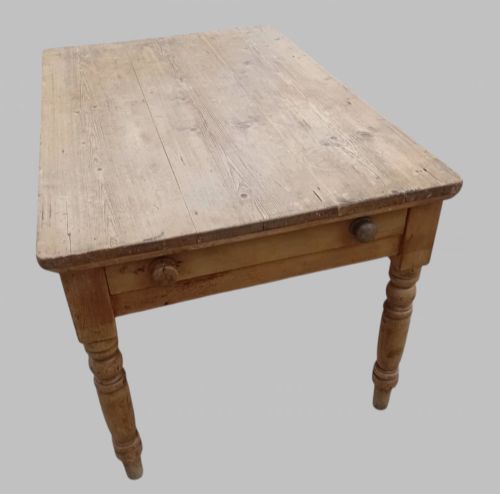
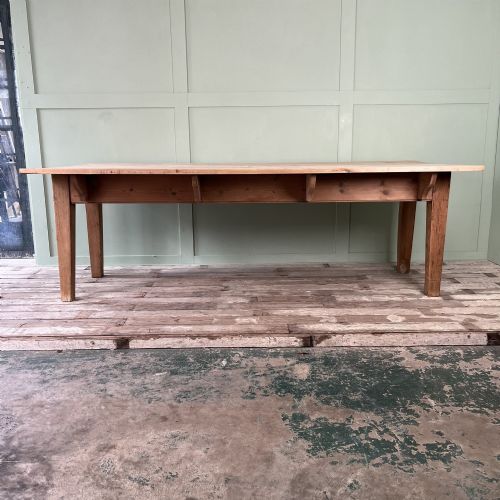
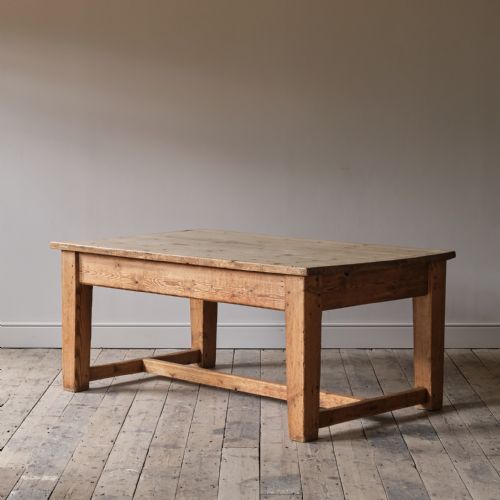
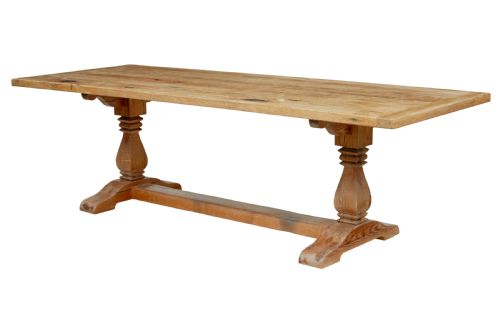
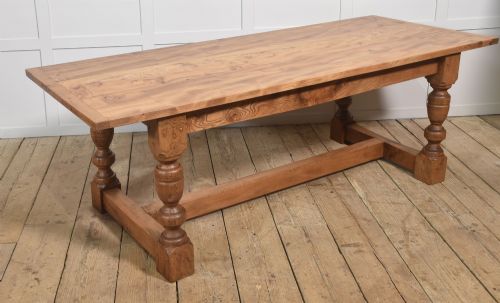
Buyers will most frequently encounter pine variations on this page, often built with scrubbed tops and occasional storage drawers. Alongside pine, listings regularly include sturdier timbers like oak, elm, and pitch pine shaped into refectory or harvest forms.
How They Were Made
Joinery relied on solid timber construction using pine, oak, elm, and pitch pine planks secured with traditional methods. Carpenters constructed tops from thick boards supported by sturdy legs, sometimes incorporating brass fittings or retaining original painted finishes.
Surfaces were frequently scrubbed clean or hand-stripped, while oak and pine components were combined for structural resilience. Some examples utilised folding drop-leaf mechanisms or two-plank tops to accommodate varying domestic spaces.
Victorian Farmhouse Dining Table Retail Price Guide 2026
Typical asking prices for victorian farmhouse dining table among the pieces listed under this phrase on Sellingantiques today, from the lower quarter to the upper quarter. They describe what is for sale here now, not the wider market.
Several tables retain traces of historic flour, pastry, and ink, proving they worked harder than most modern kitchen islands.
What Varies in Quality
Construction integrity and the preservation of original surfaces separate exceptional specimens from ordinary utility furniture. Tables that retain their authentic scrubbed tops or period patination command greater attention from discerning collectors.
The Victorian Farmhouse Dining Table Glossary
- Scrub top
- A wooden table top designed to be aggressively scrubbed clean with water and sand, leaving a pale, weathered grain. This finish is typical of nineteenth-century kitchen preparation surfaces.
- Refectory table
- A long, narrow dining table historically used for communal meals. Nineteenth-century versions adapt this medieval format for domestic kitchens.
- Pitch pine
- A resinous, durable variety of pine harvested for its strength and prominent grain patterns. It offers greater resilience than standard softwoods.
- Harvest table
- A large dining table traditionally utilised during seasonal agricultural gatherings. These pieces provide extended seating capacity for numerous diners.
- Drop-leaf
- A table design featuring hinged flaps that fold down to save space. This mechanism allowed rural households to adjust table dimensions as needed.
Victorian Farmhouse Dining Table: Frequently Asked Questions
How do I clean a scrubbed pine top?
Scrubbed pine surfaces respond best to gentle cleaning with warm water and natural soap, avoiding harsh chemical detergents that strip the natural patina.
Allow the wood to dry thoroughly after washing to prevent warping and preserve the historic texture of the timber.
Were these tables used only for dining?
Nineteenth-century rural households utilised these sturdy tables for multiple domestic tasks including food preparation, laundry, and general labour.
Their robust construction made them suitable centres for daily family life rather than purely formal dining.
Can I seat eight people comfortably?
Many larger nineteenth-century examples and harvest formats measure sufficient length to accommodate six to ten diners with ease.
Check the stretcher placement underneath, as low stretchers can occasionally restrict legroom for seated guests.
What is the difference between oak and pine?
Oak provides a denser, heavier frame with pronounced grain patterns suited to formal refectory styles, while pine offers a lighter, softer utility aesthetic.
Pine versions were standard for everyday kitchen use, whereas oak pieces typically represent higher-status rural commissions.