
Farmhouse Prep Table
A farmhouse prep table brings utilitarian strength and timeworn timber into daily life, serving as the hardworking centre of the kitchen.
Farmhouse Prep Table
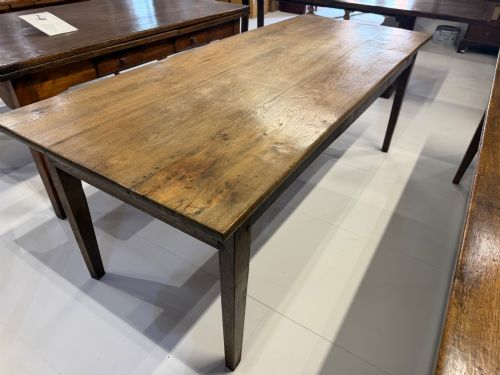
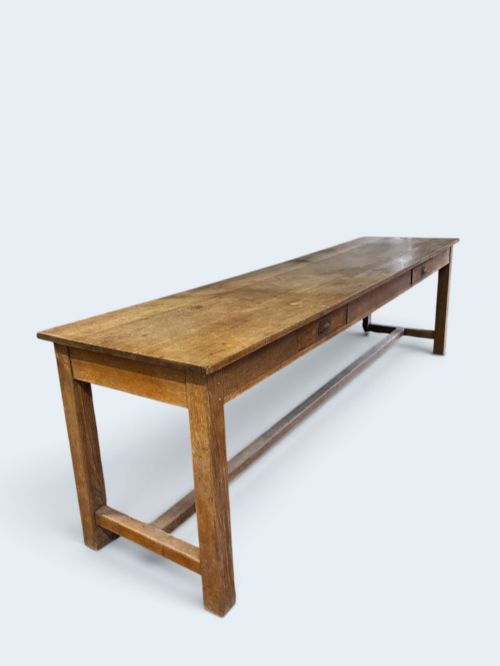
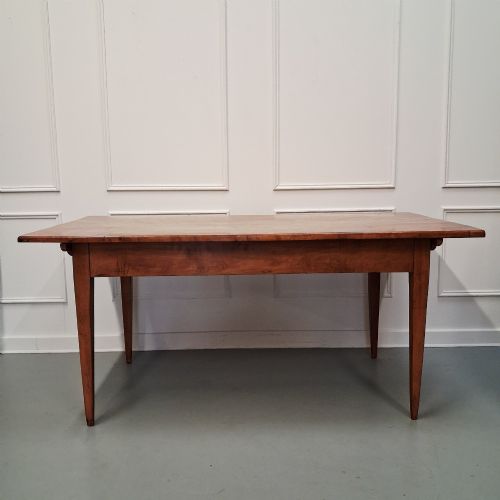
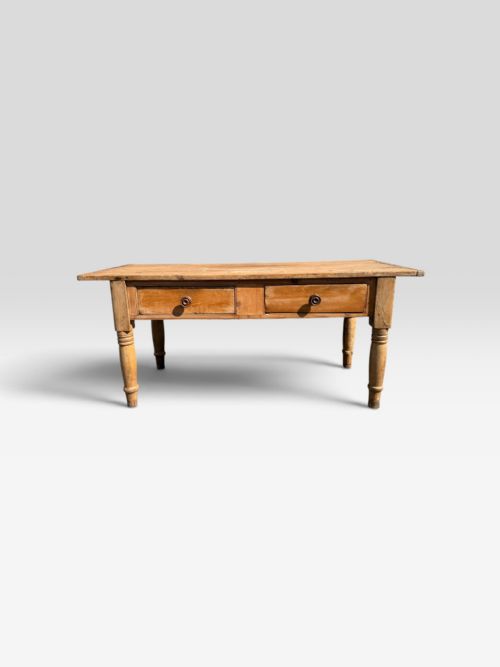
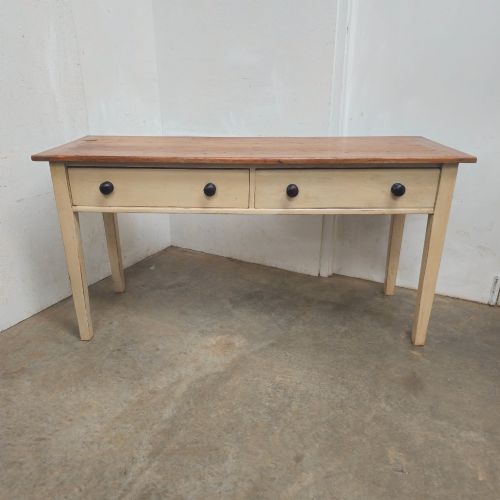
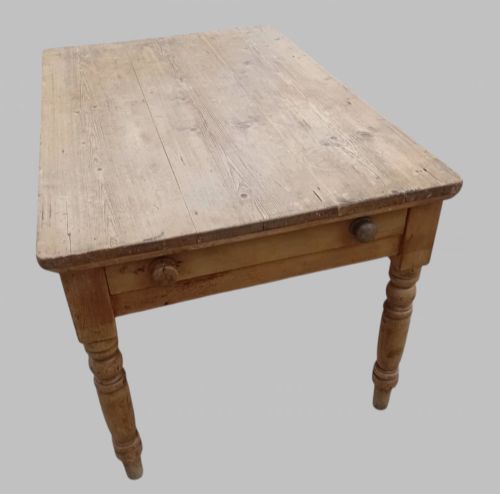
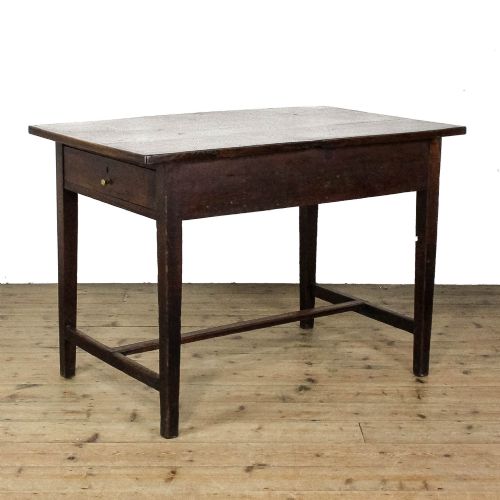
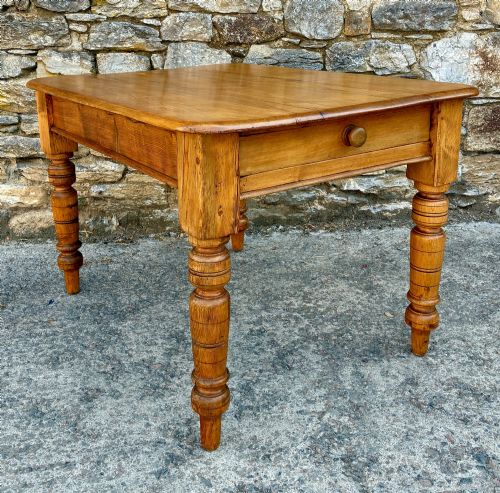
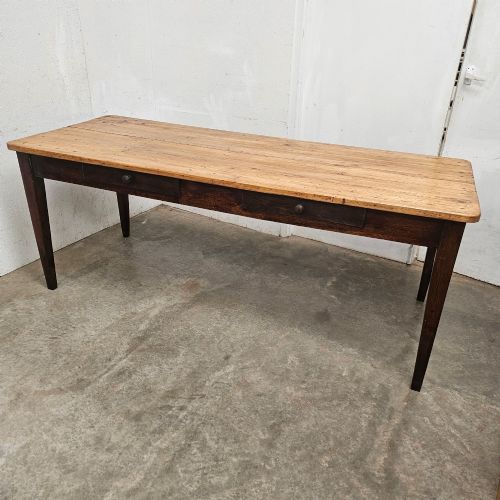
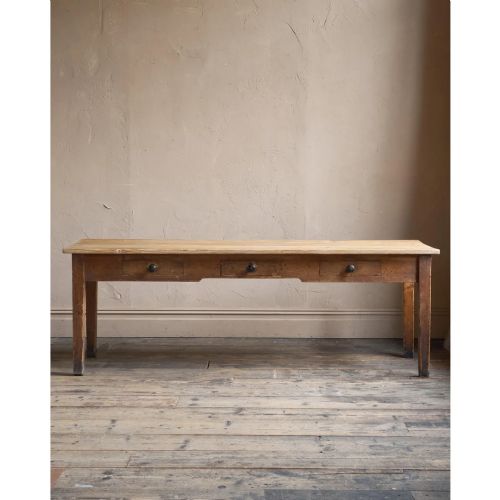
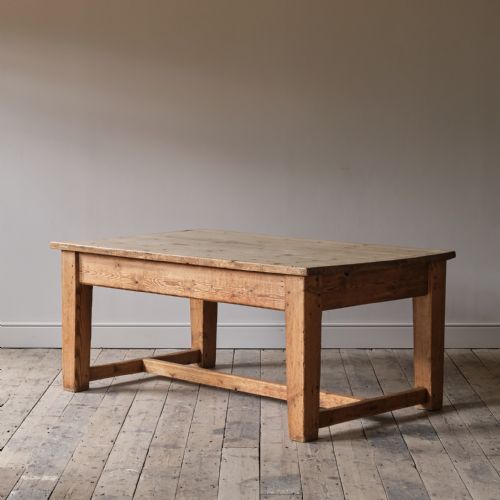
A farmhouse prep table is a utilitarian surface designed for practical domestic tasks, frequently found in pine or oak across the nineteenth and early twentieth centuries. These tables often include functional additions such as drawers for utensils or lower tiers for storage, reflecting their origins in working kitchens, sculleries and dairies.
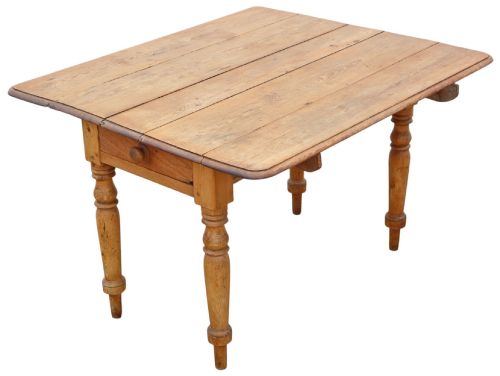
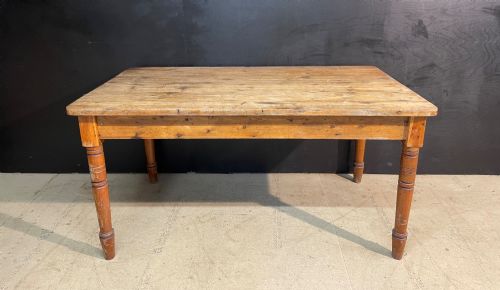
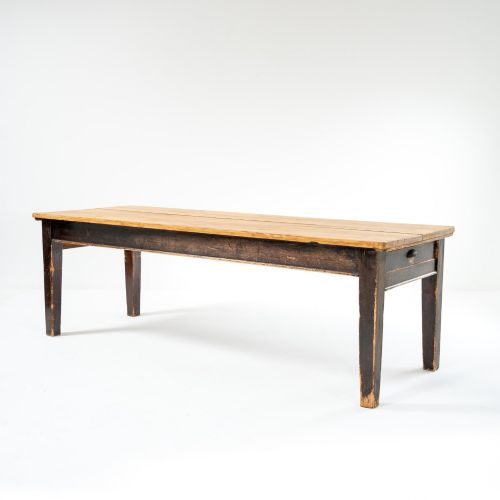
The version most commonly met on this page is the pine kitchen or prep table dating from the Victorian period up to the early twentieth century. Many feature scrubbed wooden tops designed to withstand heavy daily use, alongside painted bases or turned legs.
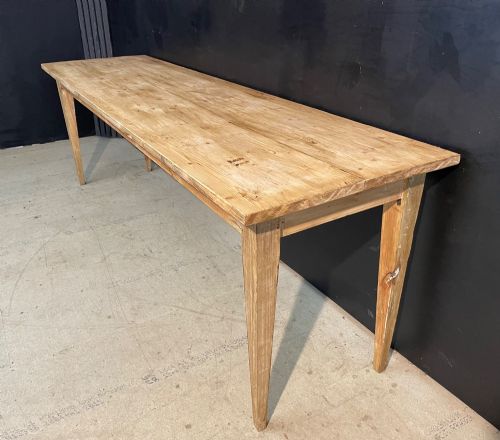
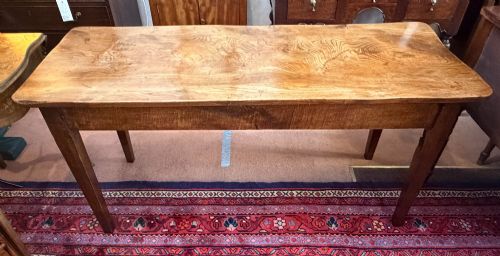
Origins vary across English, Welsh, Scottish and French traditions, bringing regional differences in timber choice and proportion. Smaller formats such as console and pantry tables appear alongside long harvest and dining boards.
Materials and construction
Construction relies primarily on solid pine and oak, supplemented by regional timbers such as fruitwood, elm and pitch pine. Timber was selected for durability and strength, often left bare on the tabletop for easy scrubbing while frames received protective coats of paint.
Joinery techniques focus on sturdy utility rather than elaborate ornamentation, utilising pegged joints, sturdy aprons and tapered or turned legs. Drawers incorporate traditional hand-cut dovetails, while dropside mechanisms and multi-tier shelving systems address specific domestic storage needs.
What separates the tiers
Quality rests in the integrity of the original timber and the honesty of the wear. Tables that retain their original painted finishes or untouched scrubbed surfaces command greater regard than those subjected to modern stripping or aggressive intervention.
Proportion and scale dictate the success of the piece, where well-balanced leg thicknesses and restrained framing support the heavy topboards without feeling clumsy. The presence of original working drawers, brass handles or iron fittings adds character and confirms period authenticity.
The Farmhouse Prep Table Glossary
- Scrub top
- A wooden tabletop repeatedly scrubbed clean with soap and water over generations, acquiring a pale, smooth texture. This treatment leaves the grain raised and clean.
- Drop leaf
- A tabletop with hinged flaps on the sides that fold down to save space. It allows the surface area to expand when extra room is required.
- Harvest table
- A long, narrow dining or work table traditionally used during seasonal farm gatherings. These boards often accommodate large numbers of people.
- Pastry prep table
- A low or standard working table designed for rolling dough, sometimes incorporating enamel or slate inserts. These surfaces kept pastry cool during preparation.
Farmhouse Prep Table: Frequently Asked Questions
What is a farmhouse prep table used for?
These tables served as the primary work surfaces for kneading bread, preparing vegetables and organising daily meals in historic kitchens. Today they function equally well as kitchen islands, dining tables or sideboards in modern homes.
Their robust construction ensures they remain practical for heavy domestic use while adding warmth and history to an interior space.
How do I care for a scrubbed pine top?
Scrubbed pine surfaces respond best to gentle cleaning with warm water and mild soap, avoiding harsh chemical varnishes that seal the wood. Regular wiping maintains the pale, tactile finish developed over decades of use.
Applying occasional natural wax can help protect the timber from moisture rings while preserving its historic matte appearance.
Are these tables suitable for everyday dining?
Most variants are built with generous proportions and sturdy frames that comfortably accommodate daily dining and family gatherings. Their enduring construction means they easily handle the demands of modern mealtimes.
Checking the height under the apron ensures standard chairs will fit beneath the tabletop without restriction.
How can I tell the age of a prep table?
Age is indicated by construction details such as hand-cut dovetails in drawers, tool marks on the underside and the natural patina accumulated across the timber. The choice of materials, including pitch pine or fruitwood, often points toward specific regional periods.
Original painted finishes and traditional joinery methods further help distinguish nineteenth-century examples from later reproductions.