

Victorian Entry Table
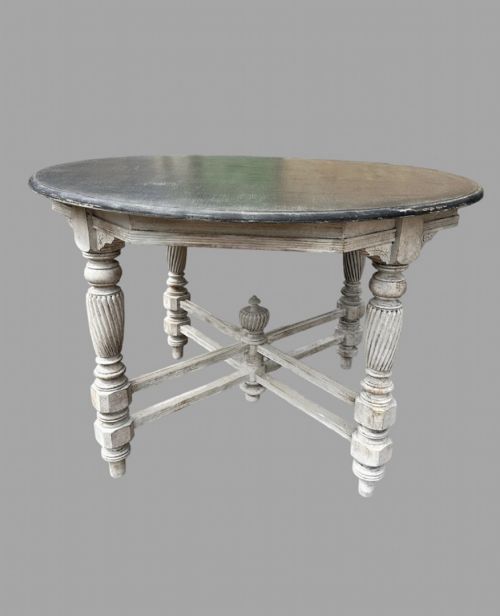
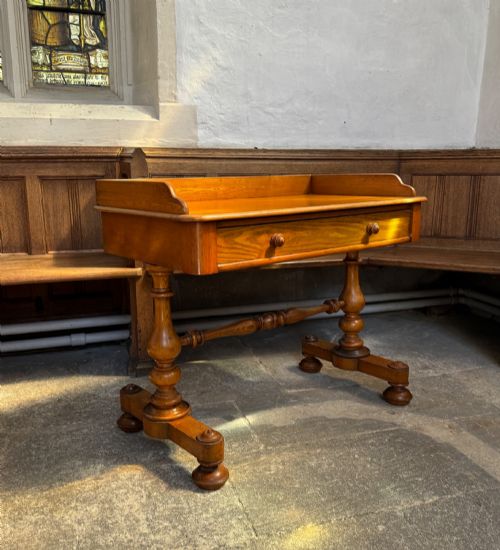
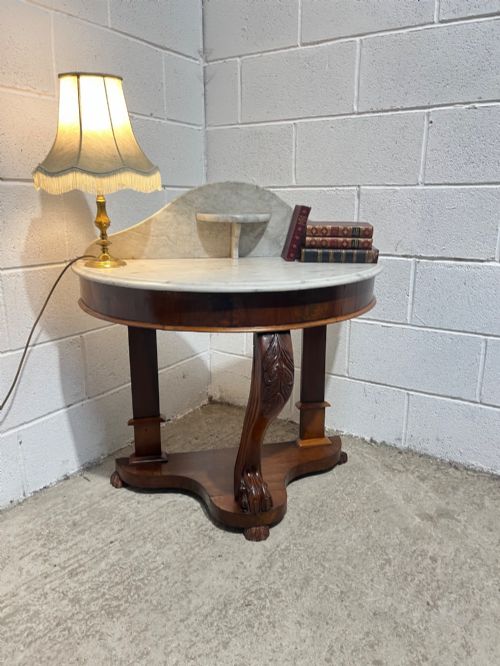
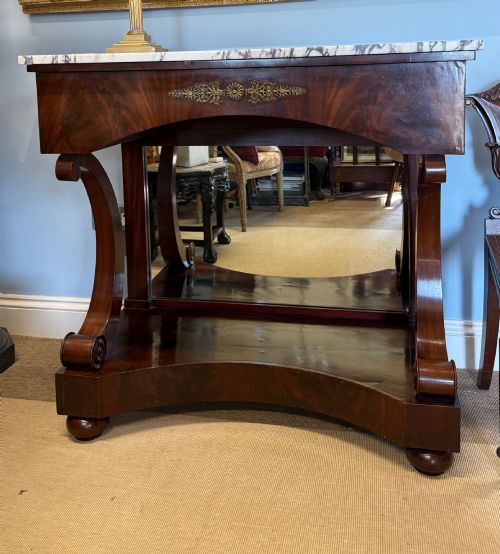
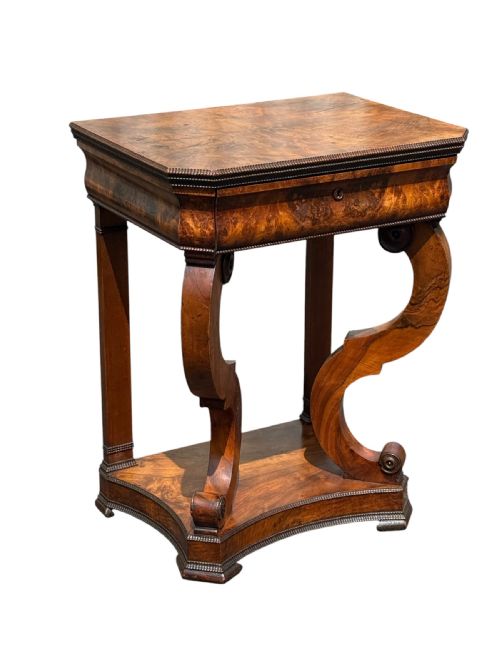
A victorian entry table offers a practical surface for a hallway, utilising solid timber and marble tops to anchor an interior space.
Victorian Entry Table
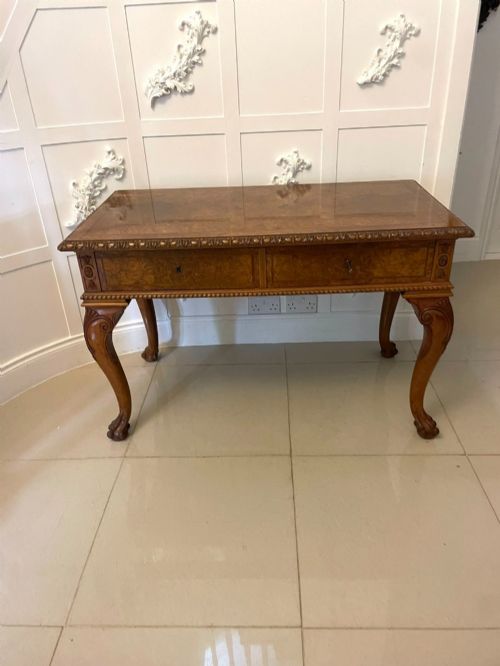
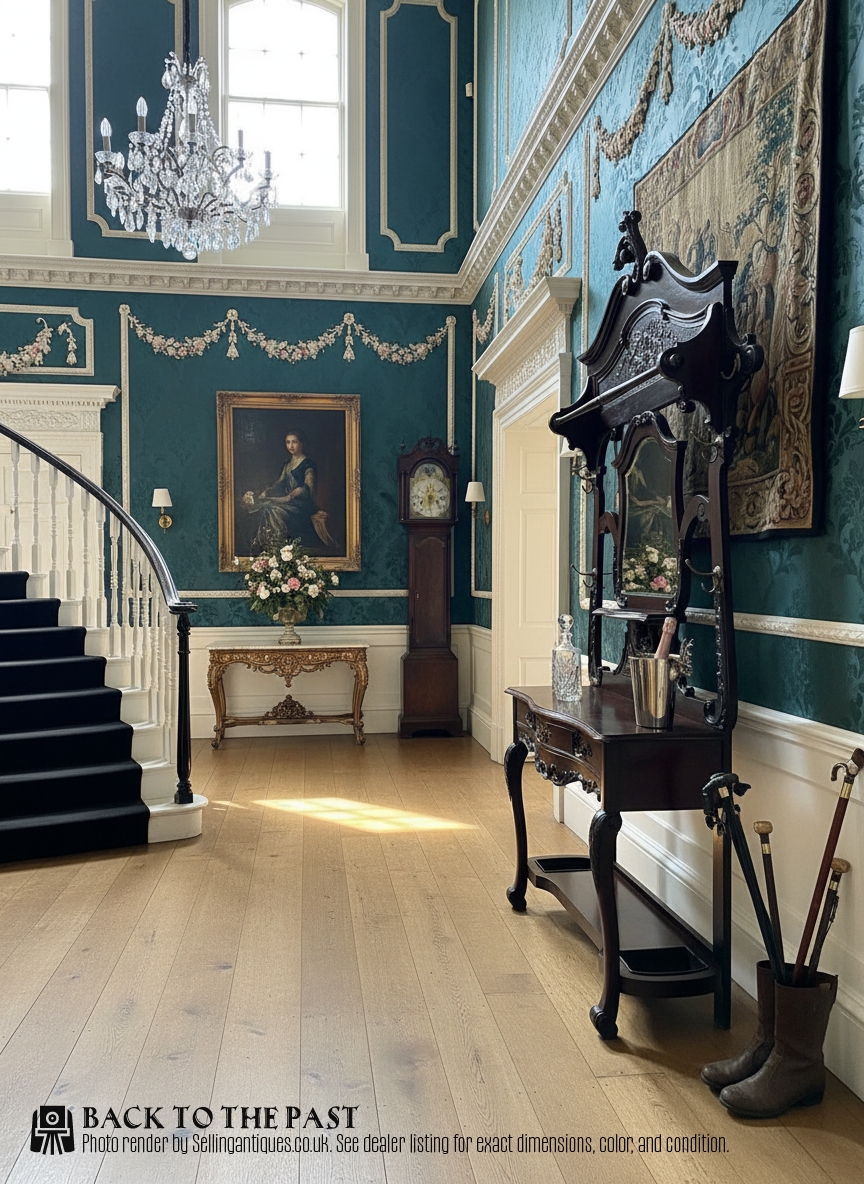
A victorian entry table comprises console tables, hall tables, side tables, and centre tables designed for corridors and reception rooms. These pieces originate primarily from the nineteenth century, including specific dates across the eighteen-sixties, seventies, and eighties, alongside later interpretations from the twentieth century.
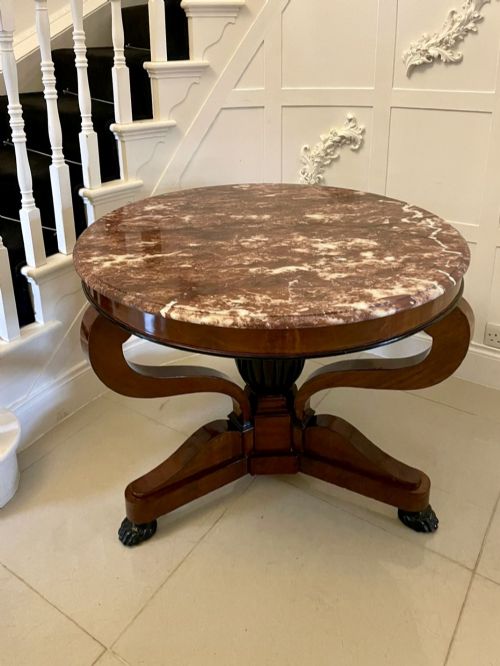
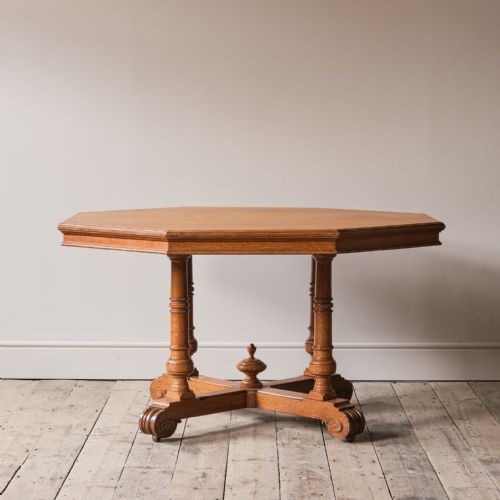
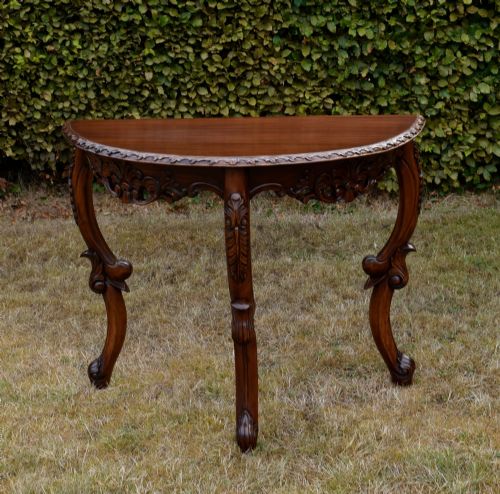
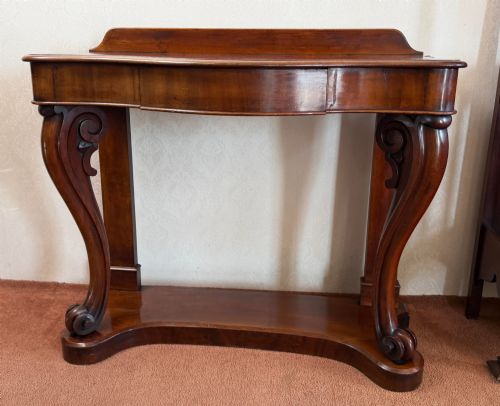
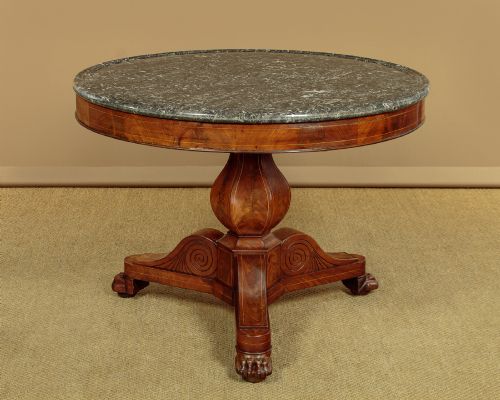
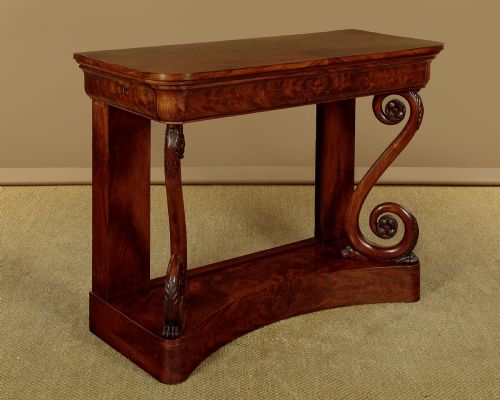
The forms vary from demilune and serpentine console tables to octagonal and oval centre pieces, alongside practical washstands and hall stands with drawers. Woodwork encompasses mahogany, walnut, oak, pitch pine, rosewood, yew, and padauk, often paired with marble tops.
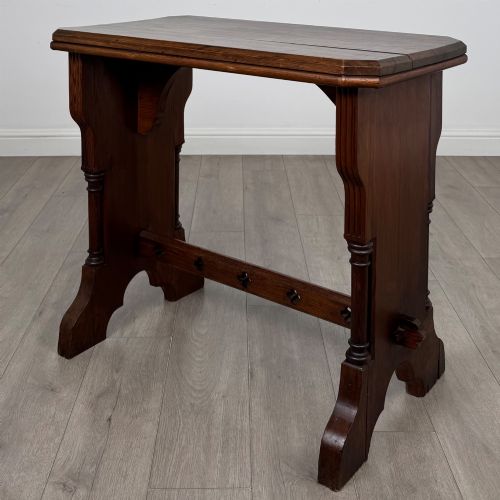
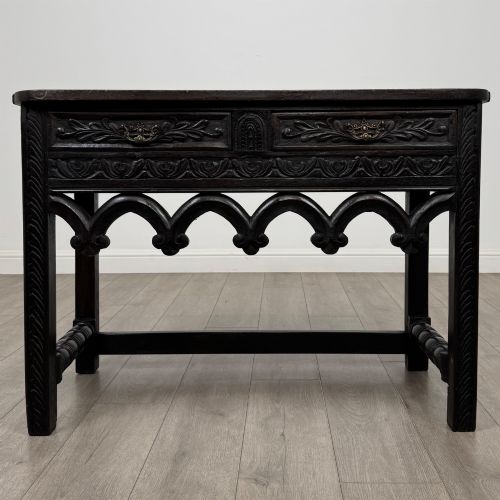
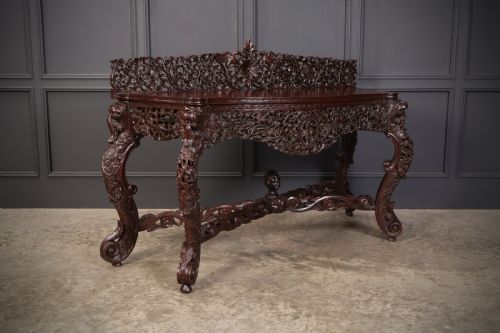
Makers and regional workshops produced diverse stylistic expressions, ranging from standard Victorian designs to Gothic Revival, Regency, Anglo-Indian, and Irish marquetry inlaid pieces. Buyers encounter both compact examples for narrow passages and larger freestanding or mirror-backed tables intended for grander halls.
How they were made
Cabinet makers utilised dense hardwoods such as mahogany, walnut, rosewood, and oak for structural frames and decorative veneers, alongside native softwoods like pine and pitch pine for simpler utility tables. Timber selection dictated whether a piece received intricate hand-carving or clean, functional lines.
Many high-status examples integrated inset marble tops or specialist decorative techniques including Killarney marquetry inlay and painted finishes. Structural assembly relied on traditional joinery, occasionally incorporating drawers, brass fittings, and mirror backs.
Victorian Entry Table Retail Price Guide 2026
Typical asking prices for victorian entry table among the pieces listed under this phrase on Sellingantiques today, from the lower quarter to the upper quarter. They describe what is for sale here now, not the wider market.
Triple barley twist legs on a rosewood hall table offer a delightfully dizzying swirl to greet every visitor at the front door.
What varies in quality
The standard of materials dictates the initial tier, moving from utilitarian pine and pitch pine carcass work up to figured mahogany, burr walnut, and exotic padauk or rosewood. Exhibition and finer workshop pieces display superior timber selection and deeply figured grain patterns.
Carving depth and decorative execution separate standard production items from bespoke examples. Pieces featuring specialised elements such as marble slabs, marquetry inlay, or complex turned supports demonstrate higher craftsmanship than plain utility tables.
The Victorian Entry Table Glossary
- Console table
- A table fixed to a wall or designed to stand against one, often supported by front legs or brackets. These pieces fit narrow hallways and reception spaces.
- Demilune
- A half-moon shape used for table tops and furniture silhouettes. This curve allows the table to sit flush against a wall while saving floor space.
- Marquetry
- The art of applying decorative pieces of veneer to a structure to form intricate designs. Irish yew wood examples demonstrate this detailed craft.
- Gothic Revival
- An architectural and decorative style drawing on medieval forms. Furniture in this taste incorporates pointed arches and heavy carved details.
- Pitch pine
- A resinous softwood utilised in nineteenth-century cabinet making. It provides a durable, heavily grained surface for functional tables.
Victorian Entry Table: Frequently Asked Questions
Where should I place a console table?
A console table fits naturally in a hallway, entryway, or reception room where floor space is limited. Its flat top provides a surface for everyday items while anchoring the wall space.
Because many examples feature shallow depths or demilune shapes, they do not obstruct narrow corridors. They also function well beneath mirrors or paintings.
What is the difference between a console and a centre table?
A console table is designed to stand against a wall, frequently supported at the front with rear legs or wall fixings. A centre table is freestanding and finished on all sides for placement in the middle of a room.
Centre tables often feature round, oval, or octagonal tops accessible from every angle. Console tables prioritise a flat rear edge to sit flush against vertical surfaces.
How do I identify a Victorian hall table?
Victorian hall tables generally date from the nineteenth century and employ timbers like mahogany, walnut, oak, or pitch pine. They frequently incorporate single drawers or narrow proportions suited to corridors.
Stylistic markers range from plain utilitarian pine to carved Gothic Revival details, barley twist supports, and inset marble tops. The construction methods reflect nineteenth-century cabinet making traditions.
Can these tables be used for daily storage?
Many hall and console tables include integrated drawers suitable for small household items and correspondence. Their primary function remains display and surface utility rather than heavy storage.
Placing items on the timber or marble top creates a practical drop zone in an entryway. Care should be taken to protect finished wood and stone surfaces from moisture and heavy impact.