
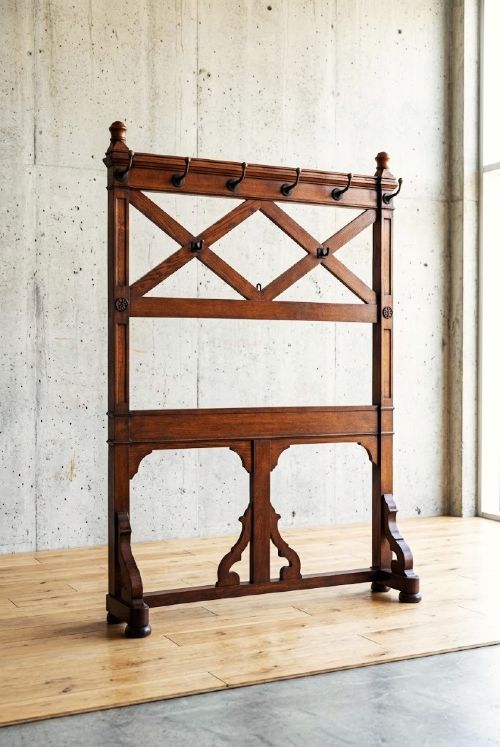

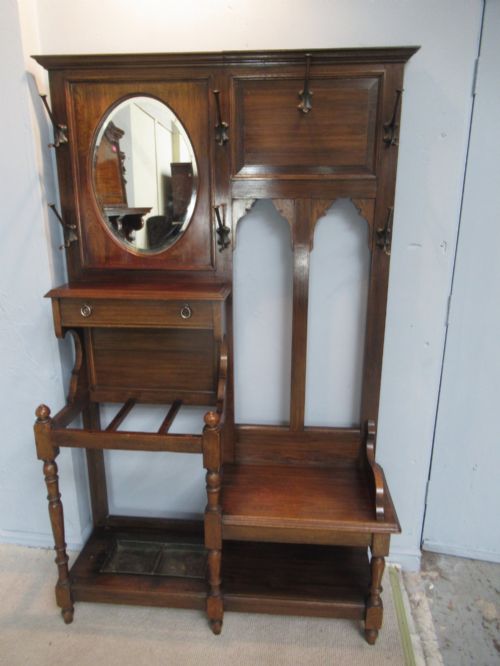
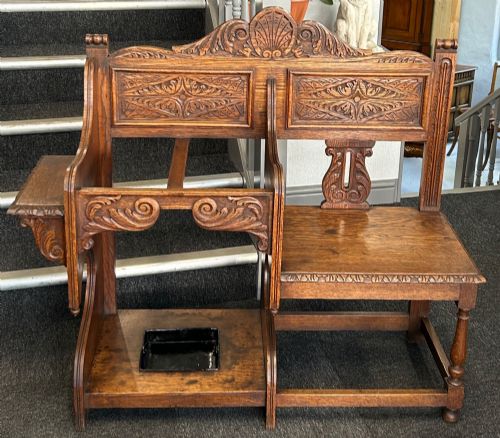
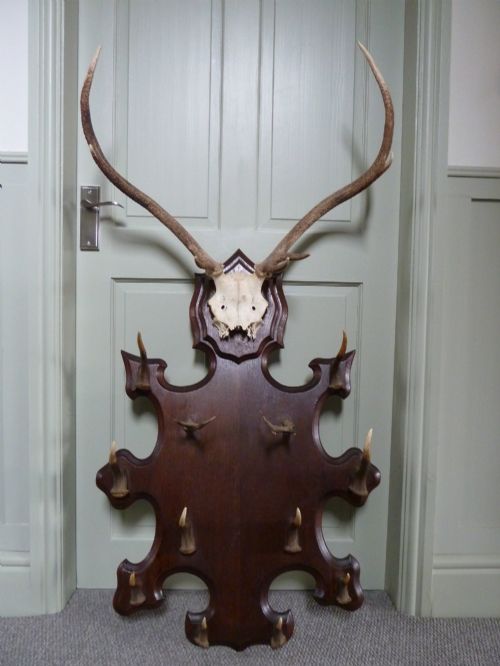
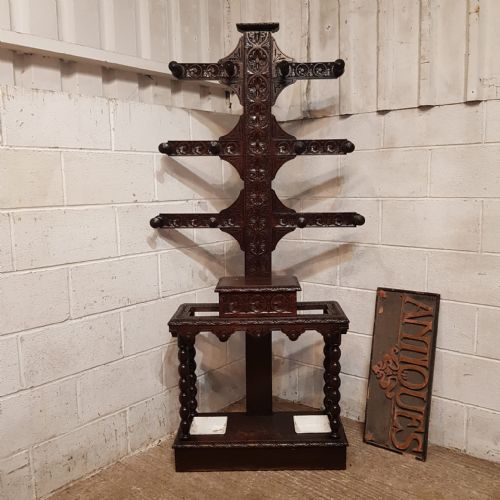
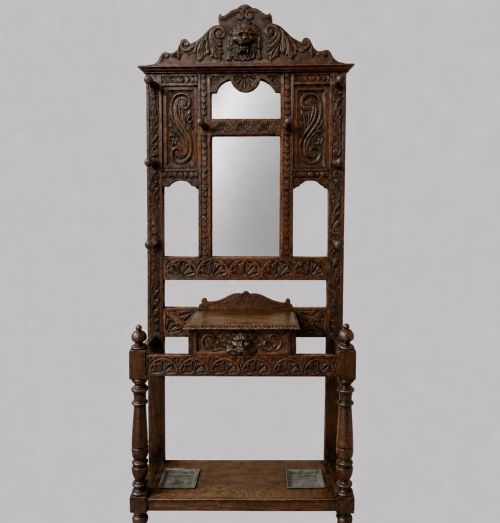


Carved Oak Coat Stand
A carved oak coat stand organises the entrance hall with sturdy joinery, practical utility and robust timber.
What these pieces are
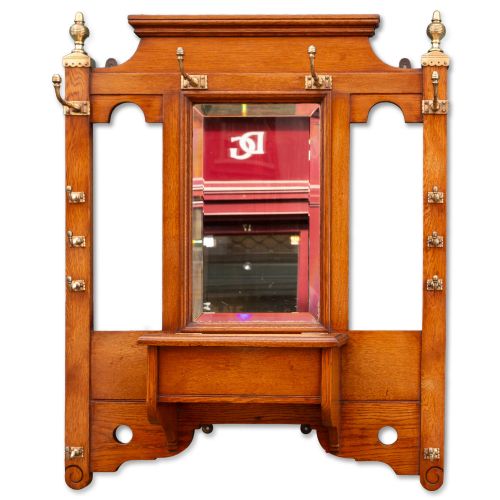
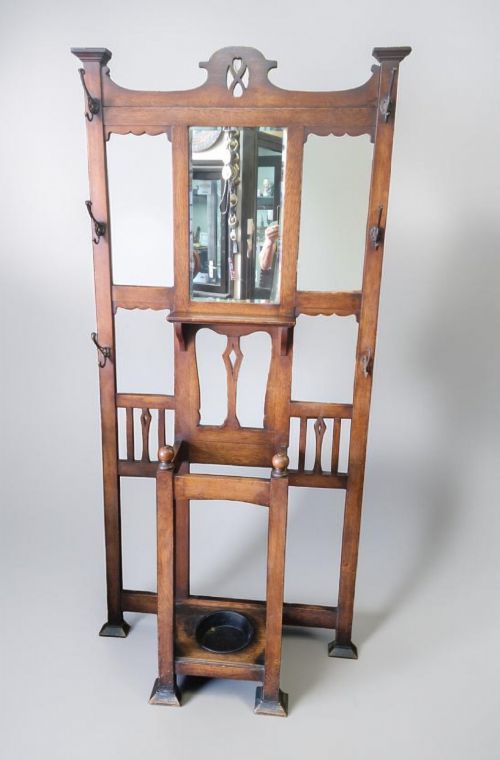
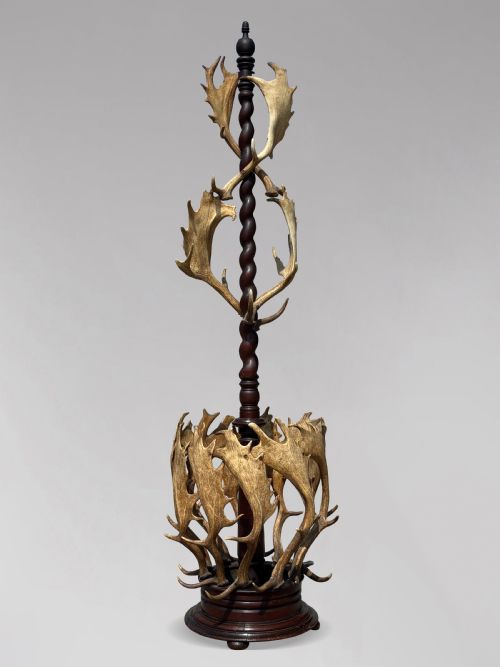
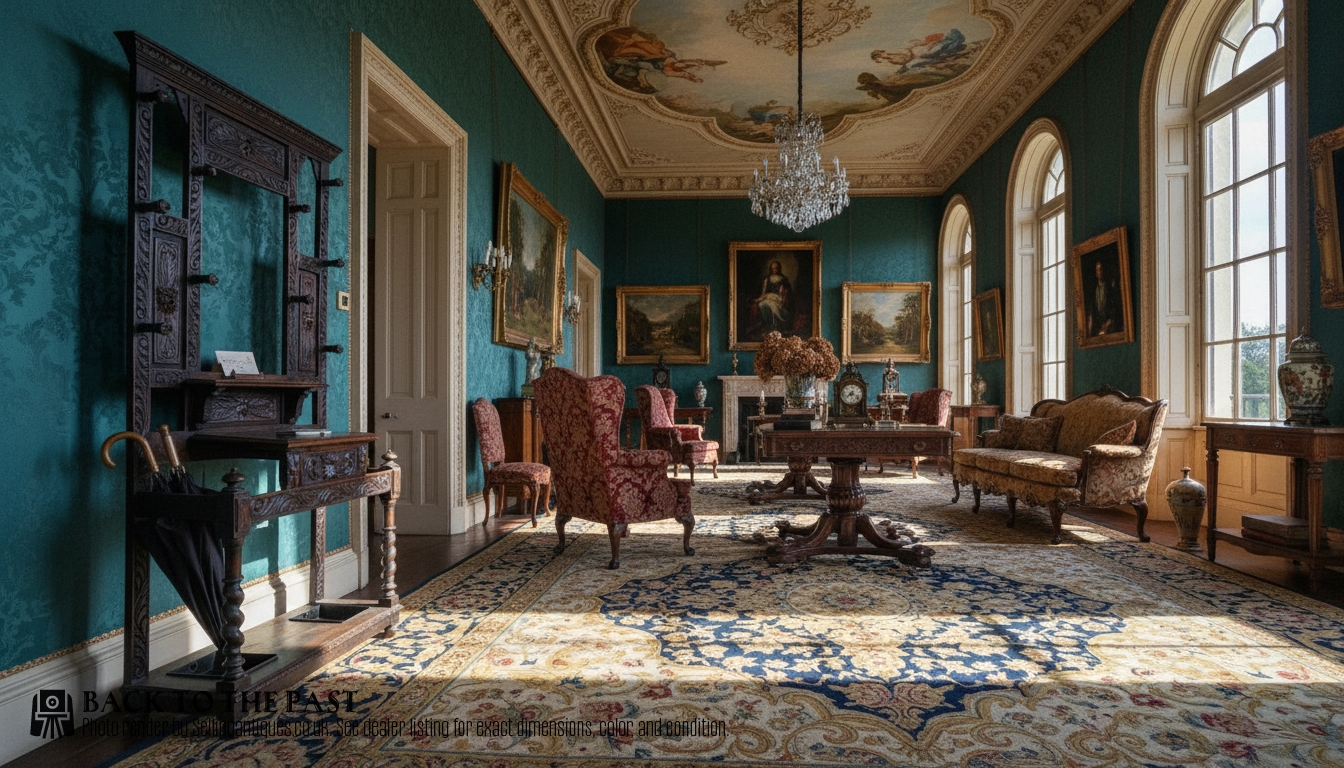
A carved oak coat stand brings heavy timber and practical furniture into the entrance hall, offering hooks, hat racks and umbrella storage. When searching for a carved oak coat stand, buyers encounter hall stands and hat stands spanning the nineteenth century, the Edwardian era, the Regency period and the Black Forest style.
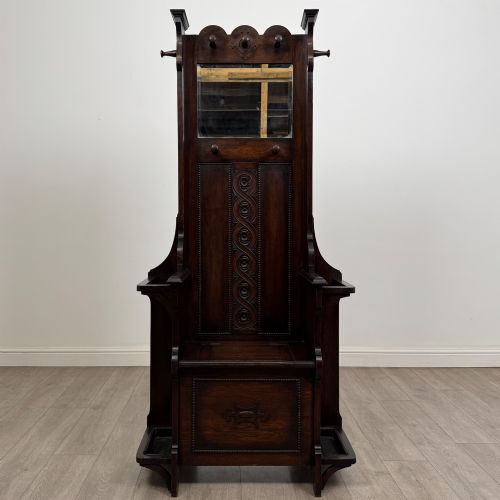
The pieces listed now and recorded in the archive show various forms, including Victorian country house examples featuring stags horns, Gothic tree designs and Greenman motifs. Oak predominates alongside mahogany, while metal, brass, glass, bone, stag horn and mirror glass appear in the construction and fittings.
How they were made
Carpenters utilised solid oak, carving foliage, Greenman masks and tree trunk forms directly into the timber. Joints were pegged and fitted to bear the heavy weight of winter garments, hats and walking sticks.
Workshops integrated brass hooks, metal rails, inset bevelled mirrors and drip pans into the wooden framework, combining structural joinery with functional hardware.
Retail Price Guide 2026
Typical UK retail prices for carved oak coat stand, calculated from the Sellingantiques database of over a million retail prices indexed since 2003. This retail price guide relies exclusively on Sellingantiques data; no external sources or auction records are used, so the figures do not describe the wider market.
Listings feature oak alongside mahogany, brass, stag horn and bevelled mirror glass across nineteenth-century and Edwardian examples.
What varies in quality
Depth and crispness of the carving distinguish standard production from exceptional work, particularly on Greenman masks, Gothic tracery and naturalistic tree forms. The integration of original brass hooks and intact bevelled mirror glass elevates the piece.
The choice of timber grain and the complexity of the architectural layout, such as umbrella wells with metal drip trays, separate simpler hall stands from large country house editions.
William Whiteley·Ray and Miles of Liverpool
The Carved Oak Coat Stand Glossary
- Hall stand
- A multi-functional hallway furnishing combining coat hooks, a hat shelf, a mirror and umbrella storage. These items anchor the entrance space.
- Greenman
- A sculptural mask carved as a face entwined with leaves, vines and foliage. This motif appears frequently on Victorian woodwork.
- Black Forest
- A regional carving style known for naturalistic animal forms, tree branches and deep relief work. Pieces from this tradition display distinct rustic ornamentation.
- Gothic
- An architectural revival style featuring pointed arches, tracery and heavy vertical lines. This aesthetic influenced many nineteenth-century hall pieces.
- Bevelled mirror
- A looking glass with an angled edge ground down for a decorative finish. Such mirrors sit centrally within the wooden framework.
Frequently Asked Questions
How do I care for carved oak?
Dust the deep relief carving regularly with a soft brush and feed the timber occasionally with a traditional beeswax polish.
Avoid placing the piece near direct heat sources or damp exterior walls to protect the joints and finish.
Where were these stands placed?
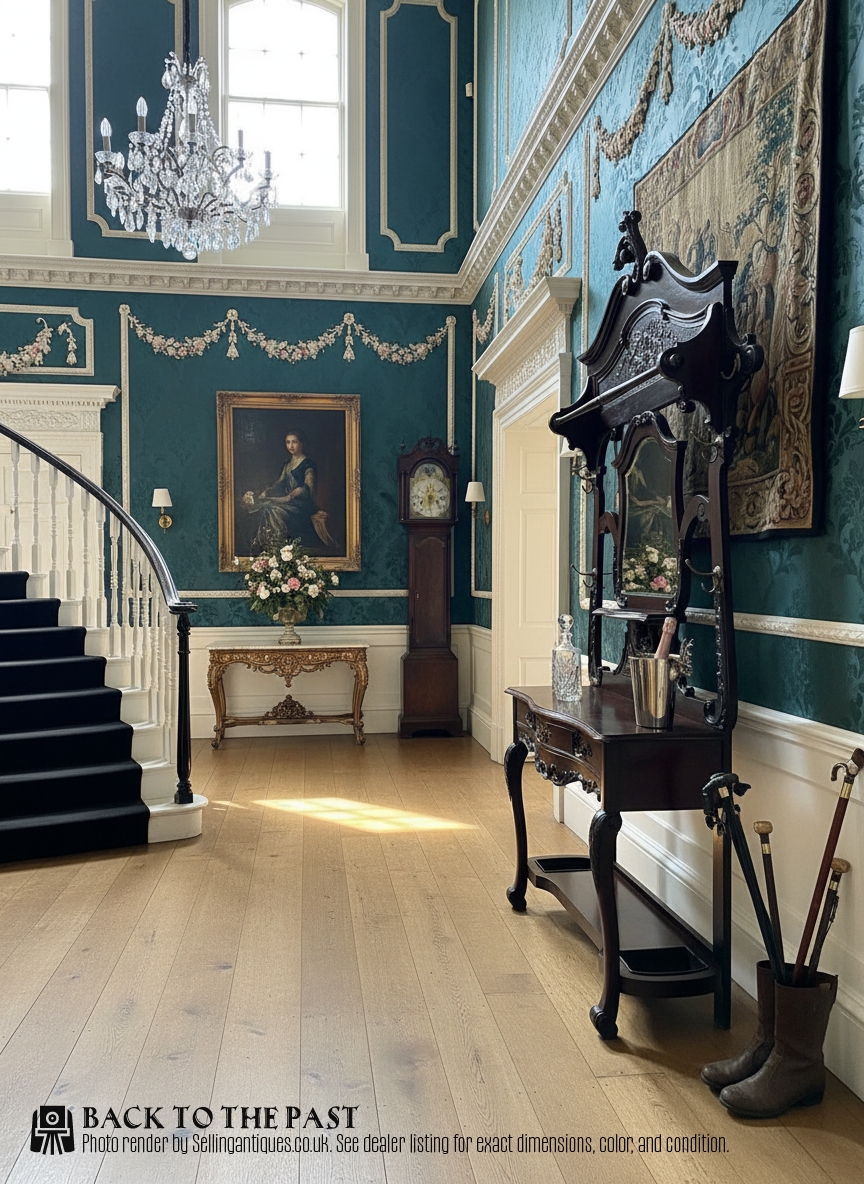
These pieces stood in the entrance halls of Victorian townhouses and country residences to greet visitors and receive outdoor garments.
They served as the primary storage point for hats, coats, umbrellas and walking sticks before entering the main rooms.
How do I identify a Victorian piece?
Victorian examples utilise heavy oak, deep hand carving and often incorporate brass hooks alongside bevelled mirror glass.
Archival records and listings demonstrate that these nineteenth-century stands frequently include stick stands and umbrella wells.