
Freestanding Coat Stand
A freestanding coat stand is an enduring hall essential that keeps garments neatly organised.
What freestanding coat stands are
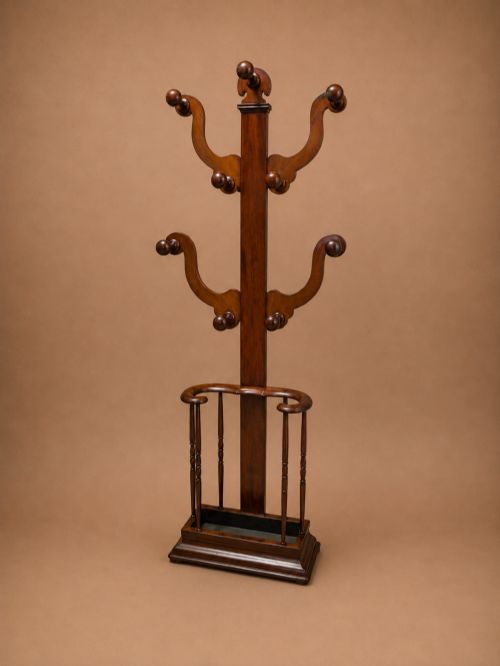
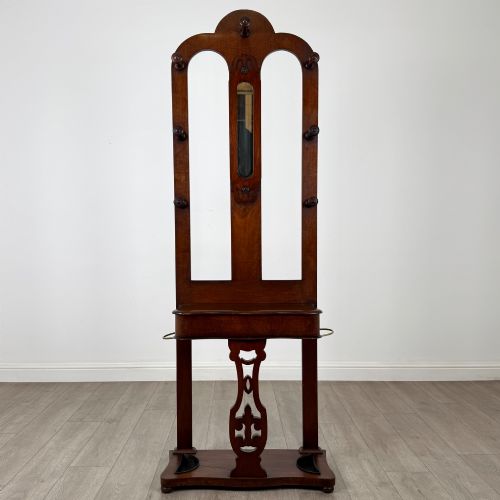
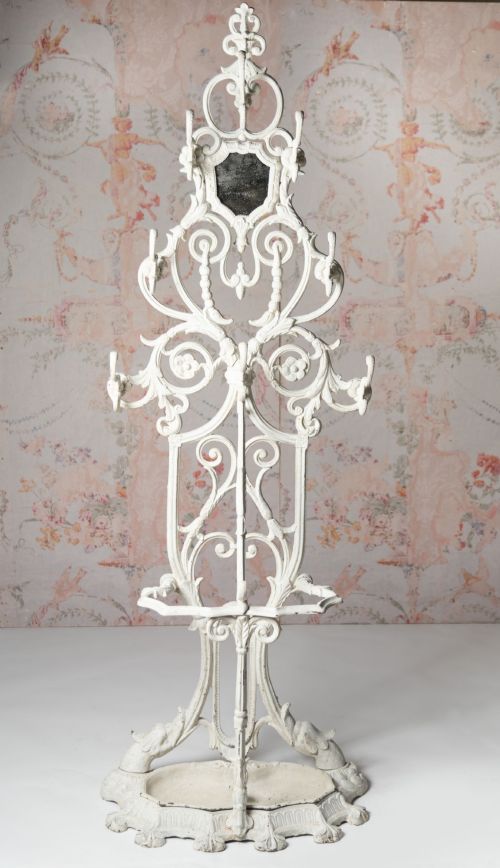
When you search for a freestanding coat stand, you encounter pieces designed to hold hats, coats and garments in hallways and entrance spaces. These items serve a practical domestic purpose while anchoring the character of an interior.
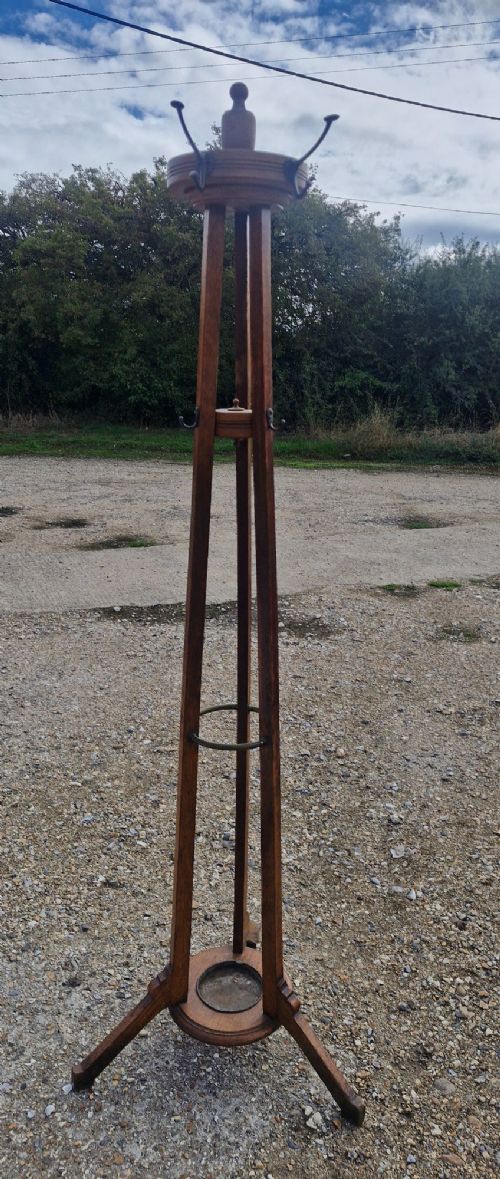
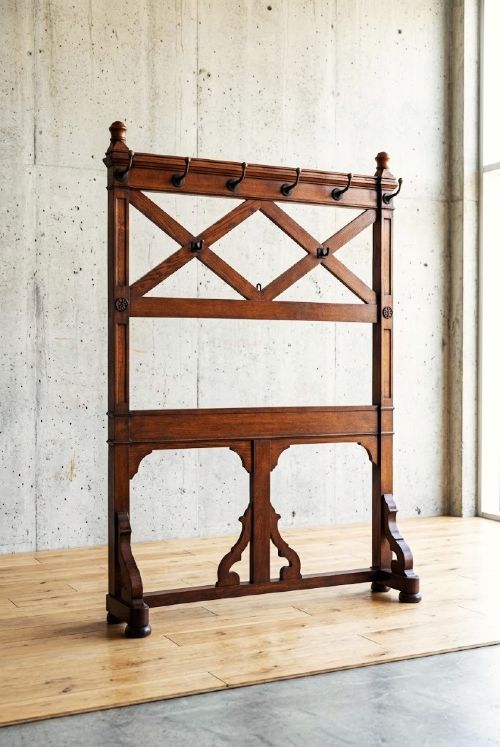
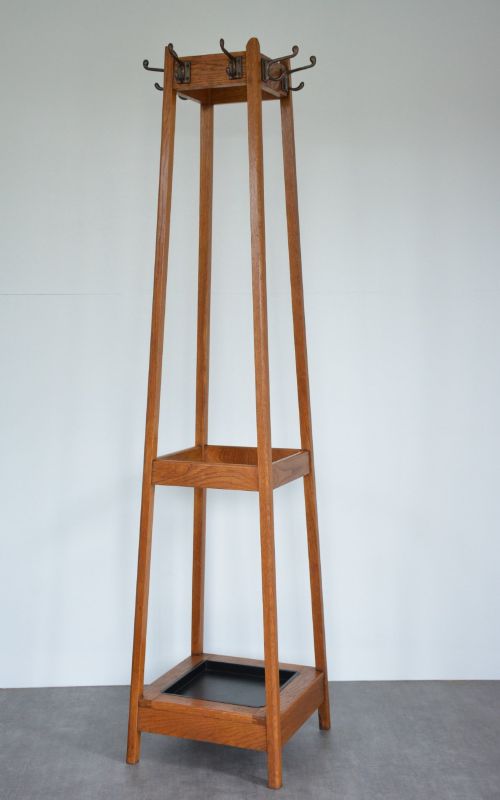
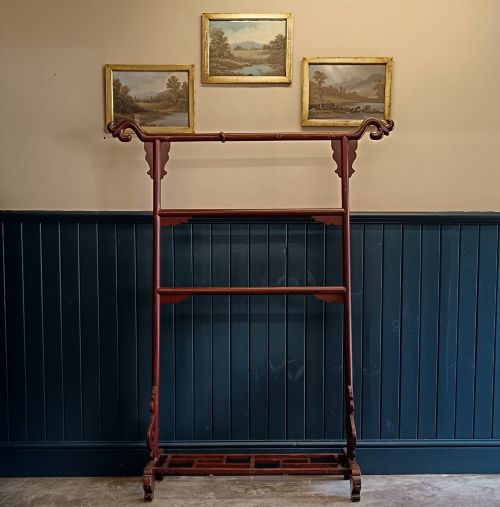
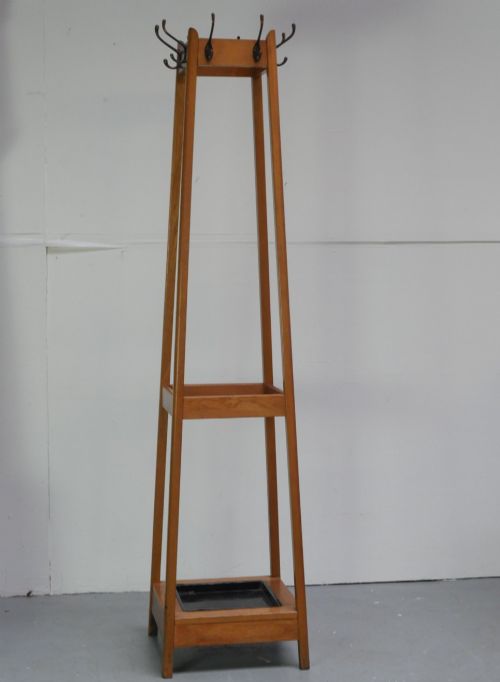
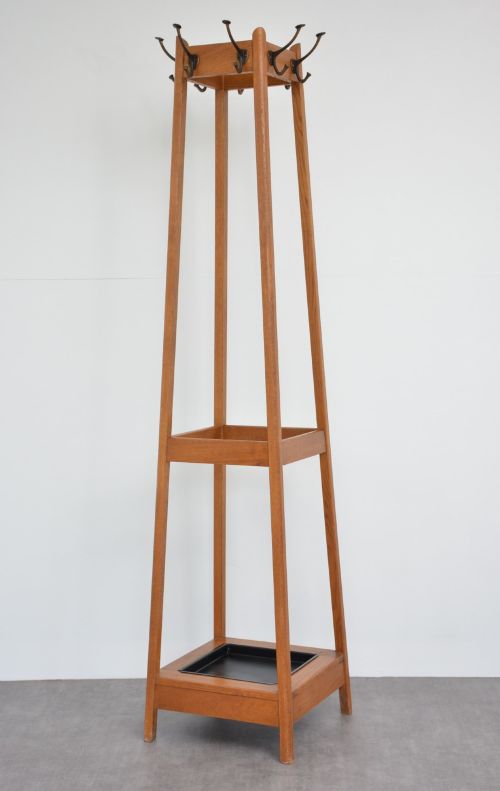
The selections span several distinct periods and styles, with pieces originating from the Regency era through to the early twentieth century. Examples encompass bentwood designs alongside solid walnut, golden pine and oak iterations.
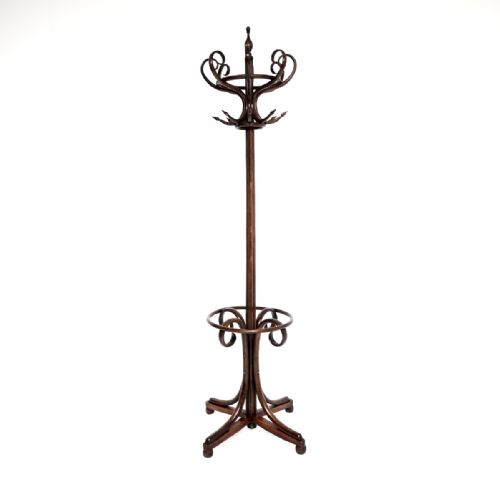
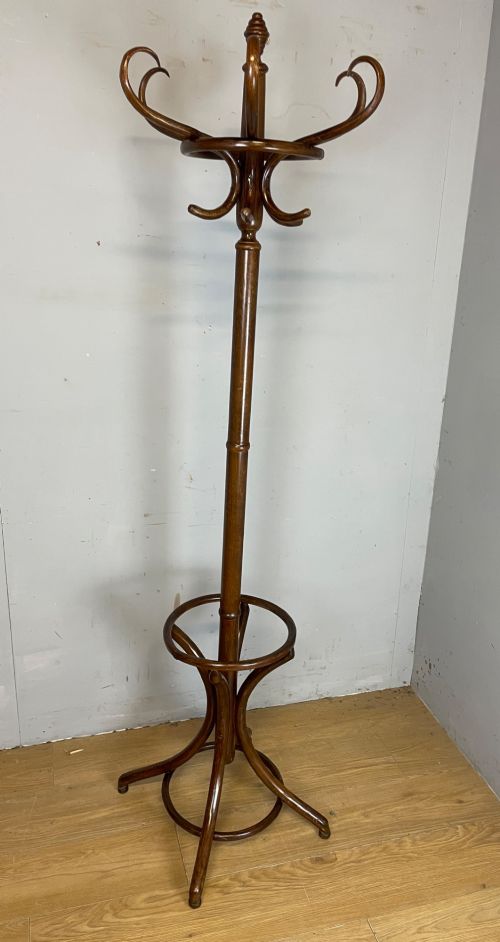
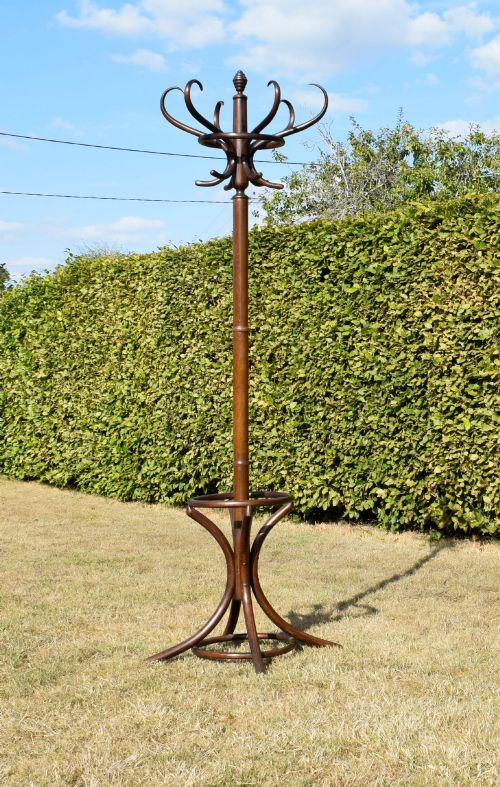
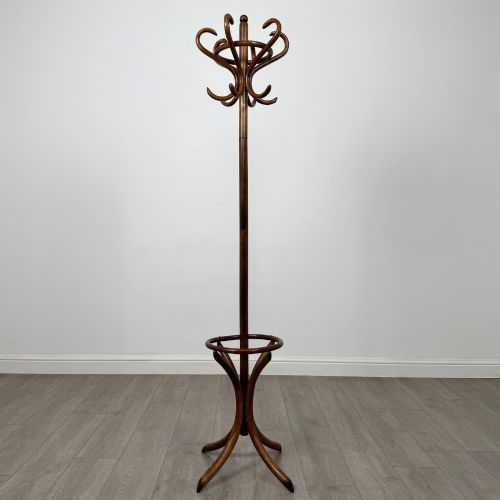
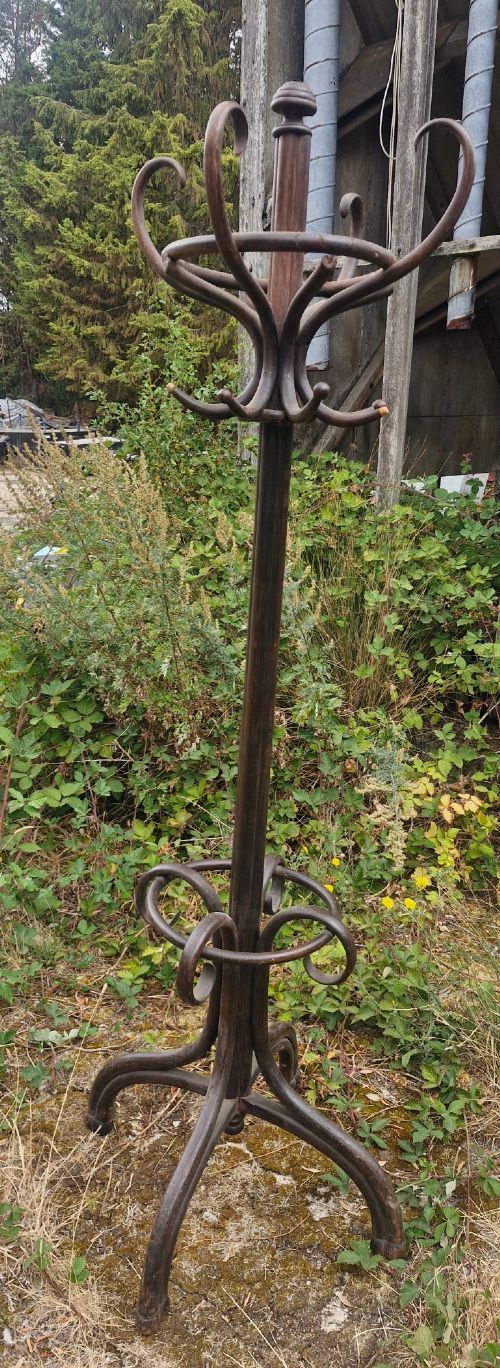
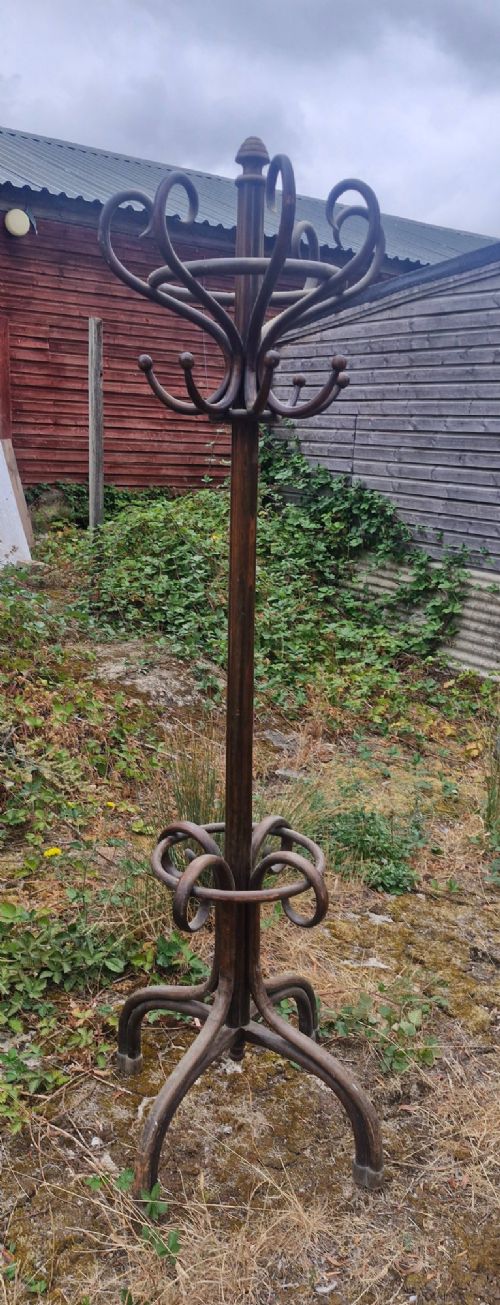
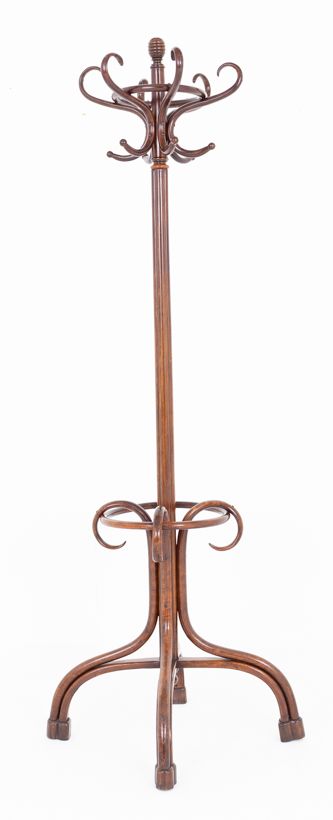
You are most likely to meet bentwood versions on this page, reflecting the popularity of Viennese bentwood and Edwardian manufacturing methods. These sit alongside Arts and Crafts interpretations that emphasise solid timber construction.
How freestanding coat stands were made
Construction relies upon a variety of materials including beech, beechwood, walnut, pine, oak, iron and brass. Timbers are shaped, turned and joined to form stable vertical structures capable of supporting heavy garments.
Bentwood techniques utilise heat and moisture to bend wood into curved forms, creating the characteristic looping hooks and arched frames seen in Viennese pieces. Solid wood examples employ traditional joinery to secure upright posts and hanging arms.
Retail Price Guide 2026
Typical UK retail prices for freestanding coat stand, calculated from the Sellingantiques database of over a million retail prices indexed since 2003. This retail price guide relies exclusively on Sellingantiques data; no external sources or auction records are used, so the figures do not describe the wider market.
Listings feature four distinct timber types: beech, beechwood, walnut, pine and oak.
What varies in quality
Quality rests upon the selection of timber and the integrity of the construction, distinguishing solid walnut and oak frames from lighter pine or bentwood iterations. The execution of turned details and the stability of the central shaft define the standard of the piece.
The refinement of the curves in bentwood models indicates the skill of the maker, where smooth, unbroken lines demonstrate superior handling of the material. Brass fittings and metal elements also contribute to the overall refinement of the construction.
Jas Shoolbred
The Freestanding Coat Stand Glossary
- Bentwood
- A technique of steaming and bending wood into curved shapes, frequently utilised in the manufacture of lightweight and flexible furniture frames. This method creates the characteristic loops found on early twentieth-century stands.
- Arts and Crafts
- A design movement valuing traditional craftsmanship, simple forms and the natural qualities of materials over mass production. Pieces from this style often feature solid timbers like walnut or oak.
- Regency
- A period of British design spanning the early nineteenth century, known for classical restraint and elegant proportions. Stands from this era employ traditional woods like oak.
- Viennese Bentwood
- Furniture originating from Vienna that pioneered industrial wood-bending processes during the nineteenth and early twentieth centuries. These items are celebrated for their graceful structural curves.
Frequently Asked Questions
Where should I place a freestanding coat stand?
These stands suit entrance halls, boot rooms and corridors where outerwear accumulates. Their vertical orientation ensures they occupy minimal floor space while offering accessible storage.
Position them away from direct heat sources to protect timber and bentwood components from drying out over time.
How do I identify a bentwood stand?
Bentwood stands feature curved wooden components that form the hooks and structural supports. These curves are achieved through steam-bending rather than carving.
They often display a lighter silhouette compared to solid oak or walnut examples from the Arts and Crafts period.
Can these stands support heavy winter coats?
Stands constructed from solid walnut, oak or sturdy iron are built to bear the weight of heavy garments. Distributing weight evenly across the hooks ensures the piece remains balanced.
Lighter bentwood and pine versions handle everyday jackets and hats effectively when placed on a level surface.
How do I care for antique timber?
Maintain the wood by dusting regularly with a soft cloth and applying appropriate wax periodically to nourish the surface. Avoid harsh chemical cleaners that strip the original finish.
Keeping the stand in a stable environment prevents the wood from warping or cracking.