


Antique Wall Console
An antique wall console brings architectural presence and surface utility to a hall or reception room through its distinctive bracketed or wall-mounted form.
Antique Wall Console
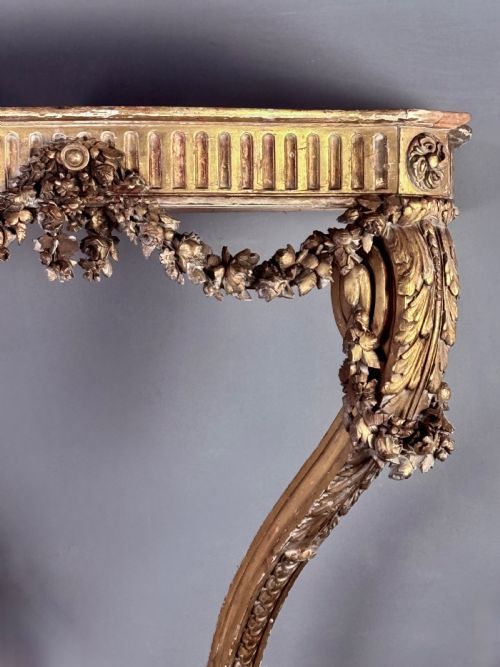
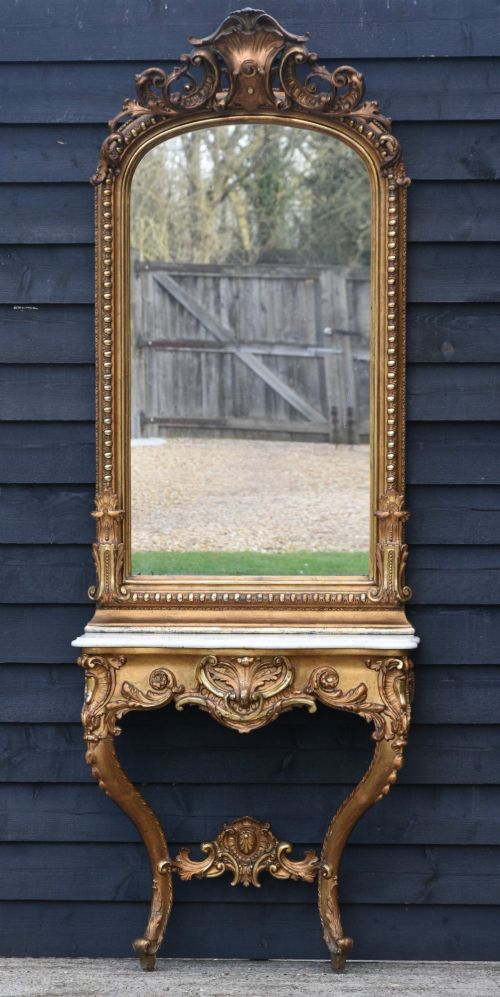
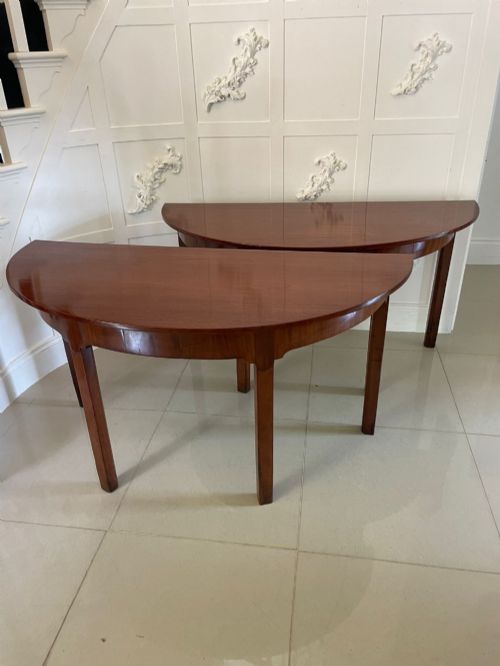
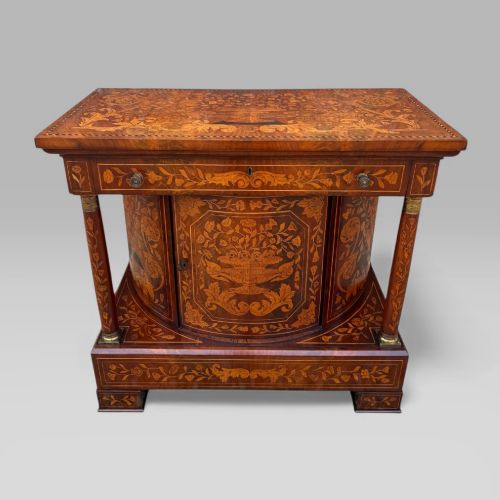
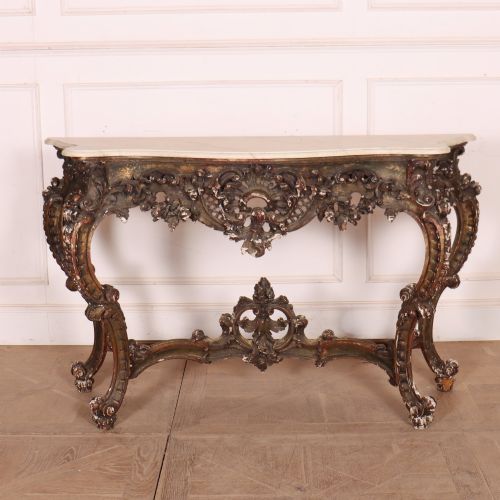
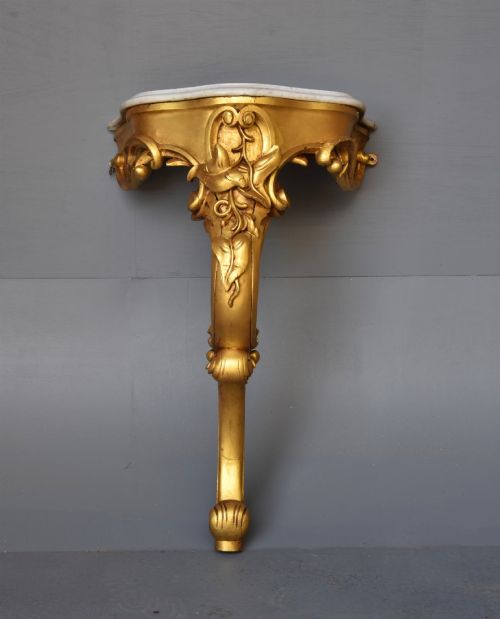
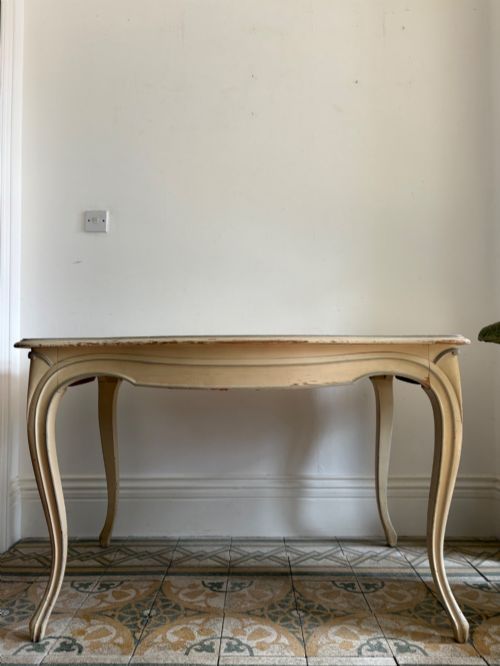
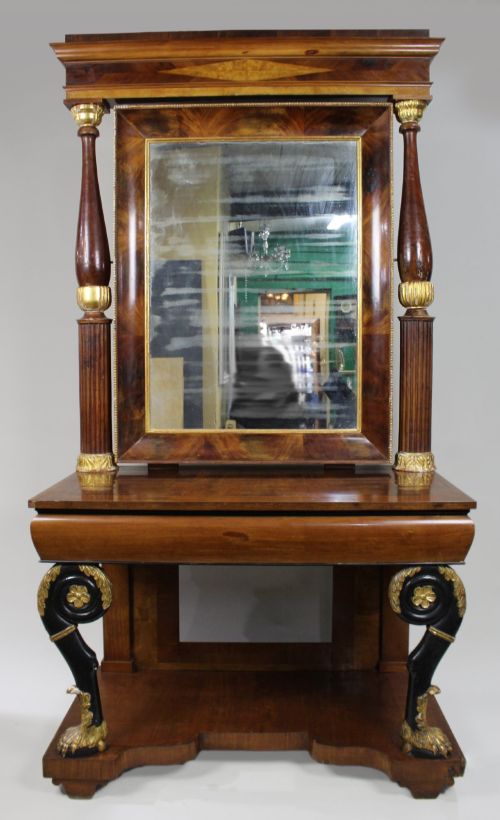
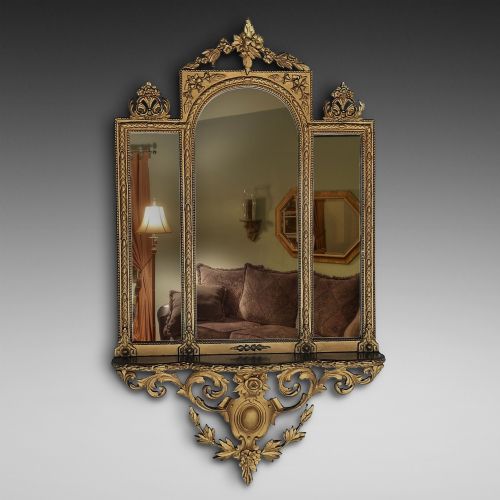
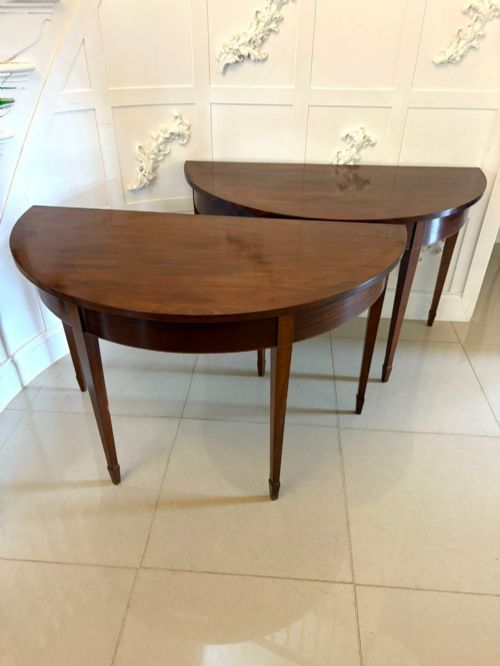
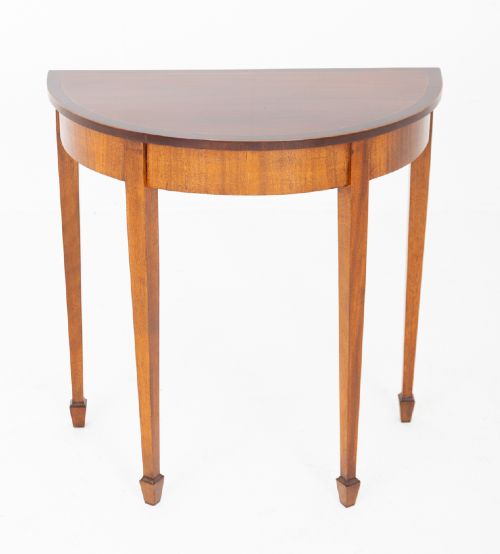
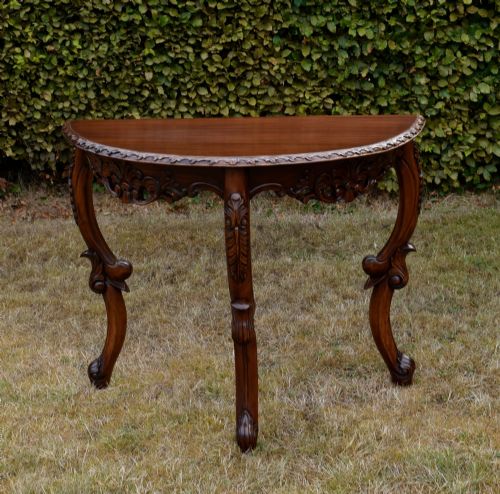
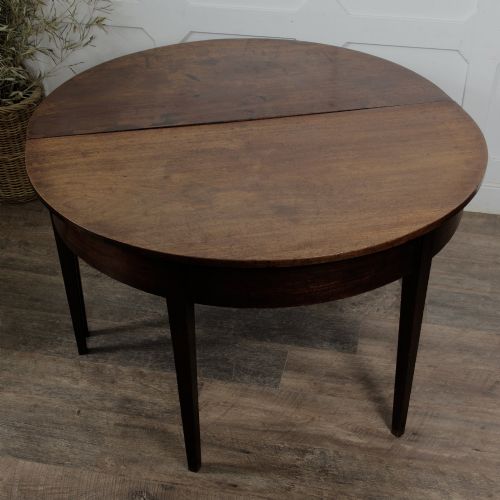
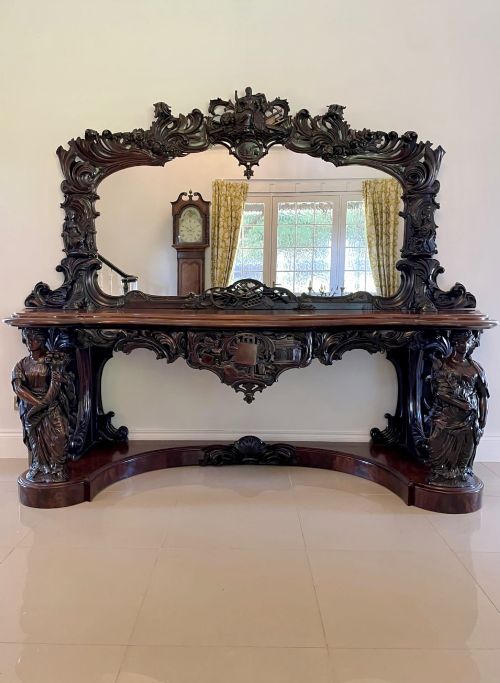
An antique wall console comprises tables designed to anchor against a wall, frequently accompanied by matching pier mirrors or executed as dedicated wall brackets. You will encounter half-moon demi-lune shapes, serpentine fronts, and rectangular formats spanning the eighteenth and nineteenth centuries.
The material vocabulary ranges from figured mahogany and satinwood to carved giltwood and gesso, often completed with shaped marble tops. Pieces appear in distinct design dialects such as George III, Regency, French Rococo, and Victorian revivals.
Distinguishing Quality
The refinement of the carved detail distinguishes standard production from exceptional examples, particularly in the crispness of acanthus leaves, scrollwork, and figurative elements on giltwood and gesso surfaces. Timber choice and grain orientation dictate the visual impact of mahogany and satinwood pieces.
The integration between the structural console base and its fitted marble slab indicates the original maker's ambition, alongside the survival of original gilding and surface patination.
Listings feature console tables and wall brackets spanning the eighteenth century through the 1930s.
Felix-Alfred Ternisien
The Antique Wall Console Glossary
- Demi-lune
- A half-moon shape characteristic of console tables designed to sit flush against a wall. This profile became particularly popular during the Georgian and Regency periods.
- Giltwood
- Timber coated with fine gold leaf applied over a prepared gesso ground. It defines the opulent appearance of many eighteenth and nineteenth-century Italian and French consoles.
- Pier glass
- A tall wall mirror designed to hang in the wall space between windows, frequently positioned directly above a matching console table.
- Gesso
- A plaster-like mixture applied to wood surfaces as a smooth base for subsequent gilding or painting. Its application requires skilled hand-carving once dry.
- Marquetry
- The art of applying pieces of veneer to a structure to form decorative patterns and pictures. It is commonly seen on eighteenth-century satinwood and mahogany surfaces.
Antique Wall Console: Frequently Asked Questions
How do I secure an antique wall console?
Many wall consoles require direct attachment to the wall studs for stability, particularly those with heavy marble tops or cantilevered bracket designs.
Hardware should be selected to match the weight of the timber and stone components without compromising the surrounding plaster.
Were these tables meant to stand without wall support?
Traditional console tables rely on the wall for balance, utilising either front legs with rear wall brackets or complete wall-mounted suspension.
Self-standing side tables with demi-lune shapes are structurally independent, unlike true console forms.
How do I distinguish George III from Victorian pieces?
George III pieces typically exhibit restrained neoclassical proportions, finer timber selection, and hand-cut marquetry or subtle carving.
Victorian revivals often employ heavier proportions, deep-relief moulding, and more exuberant decorative carving inspired by earlier styles.
Can I place a marble top console in a hallway?
Marble top consoles suit hallways and reception areas well, offering a durable surface for everyday objects while maintaining period elegance.
Care should be taken to protect porous stone surfaces from moisture and acidic liquids.