

Victorian Walnut Hall Table
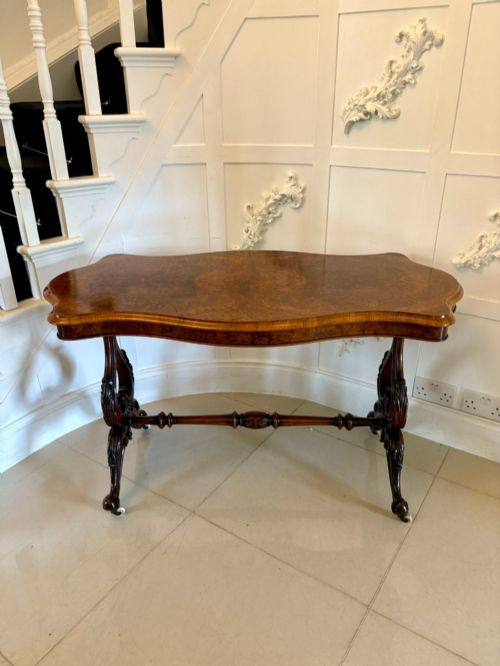
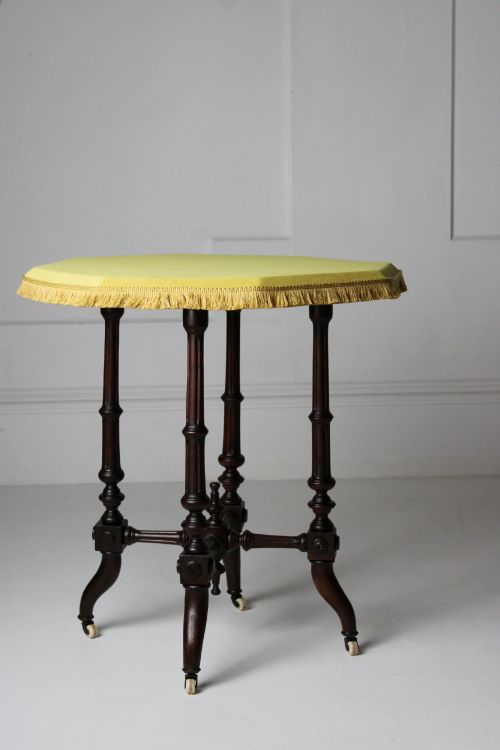
When you search for a victorian walnut hall table, you are looking at nineteenth-century timber furniture designed for grand entrance spaces.
Victorian Walnut Hall Table
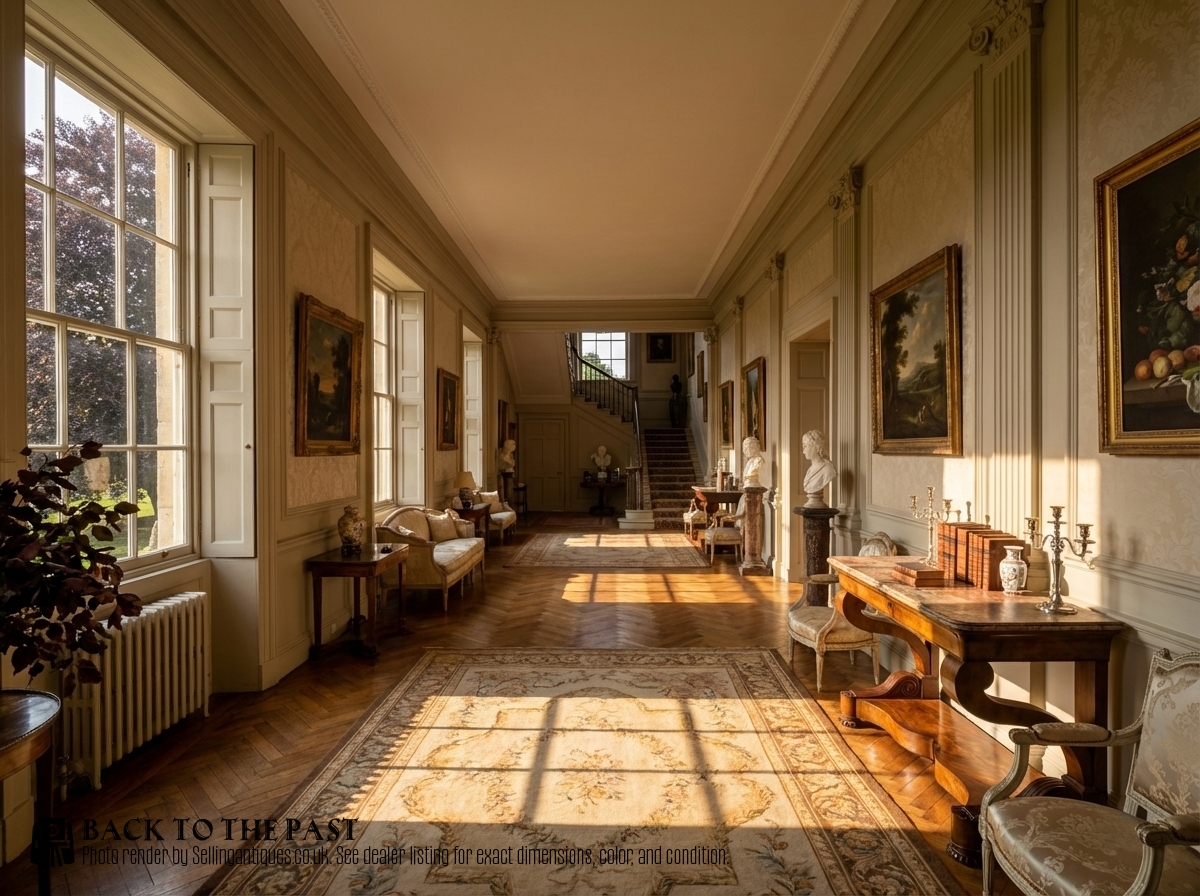
A victorian walnut hall table bridges the functional demands of a nineteenth-century entranceway and the decorative ambitions of the period. These surfaces served as landing spots for correspondence, calling cards, and lighting in domestic interiors.
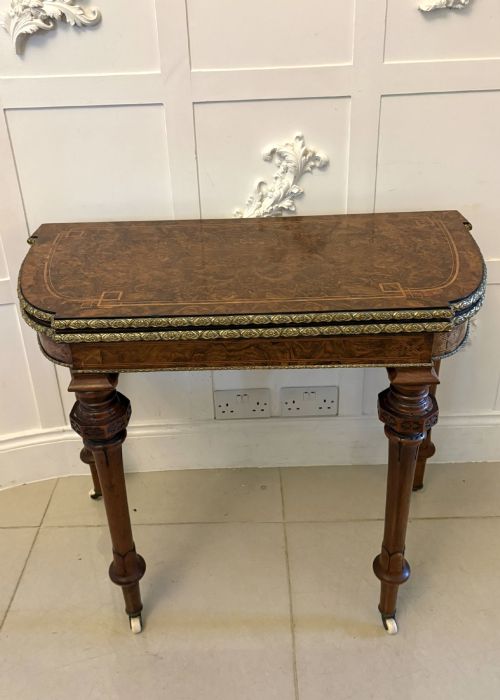
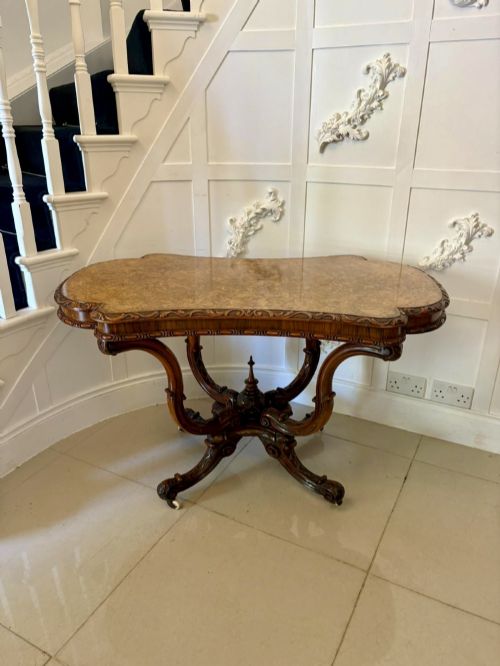
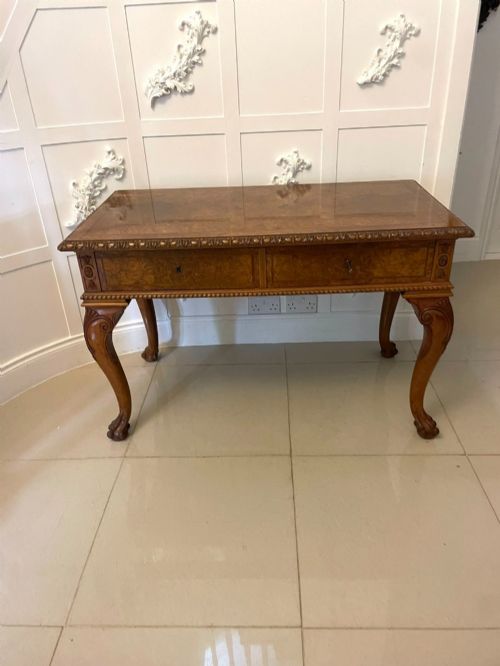
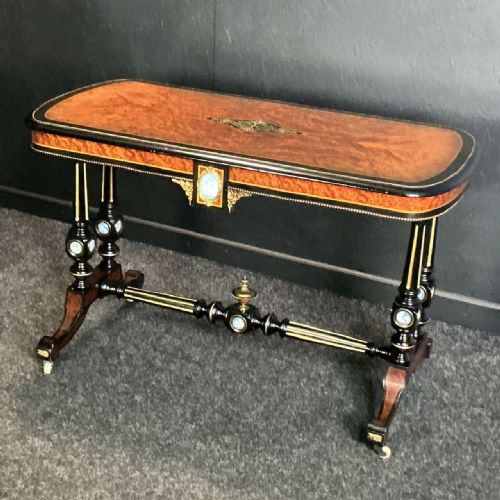
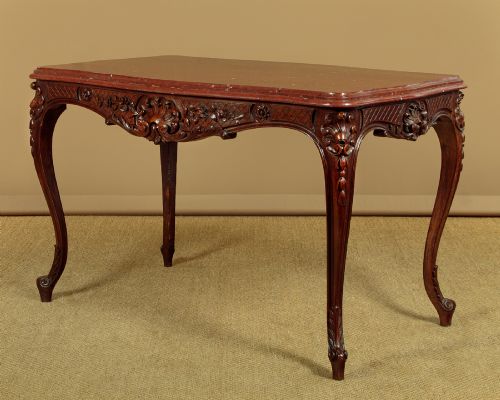
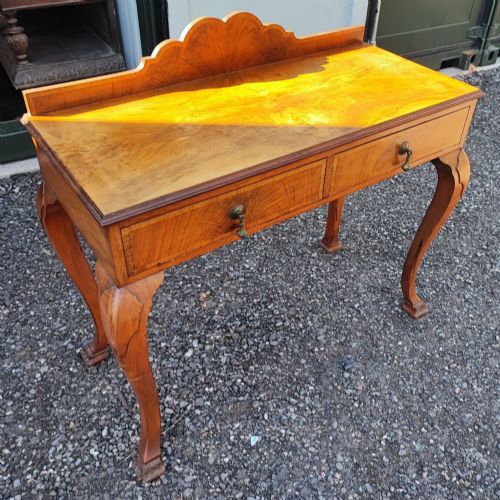
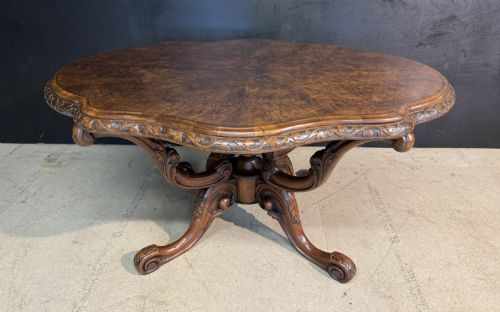
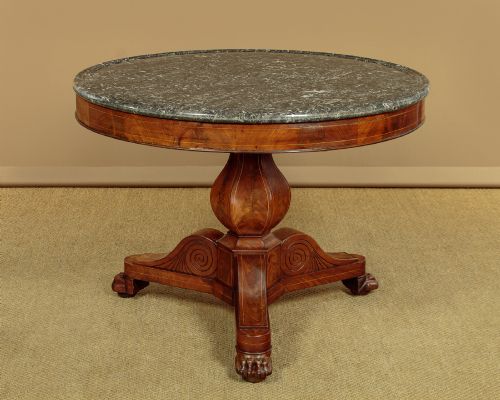
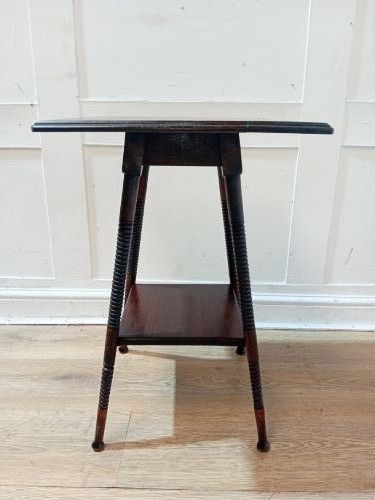
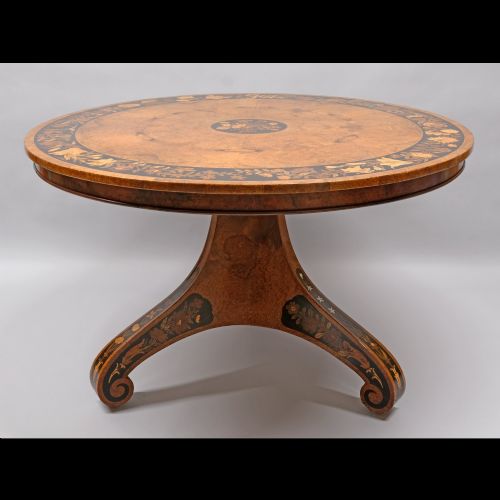
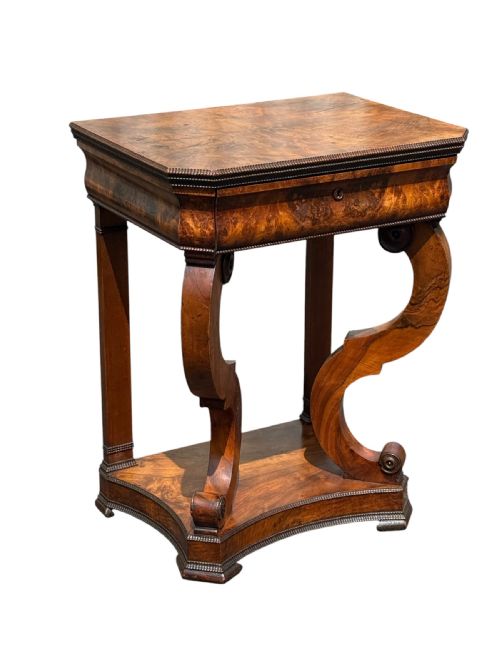
The selections available bring together console forms, side tables, and occasional pieces originating largely across the nineteenth century. Walnut and burr walnut dominate the forms, frequently paired with marble tops or intricate marquetry inlay.

How they were made
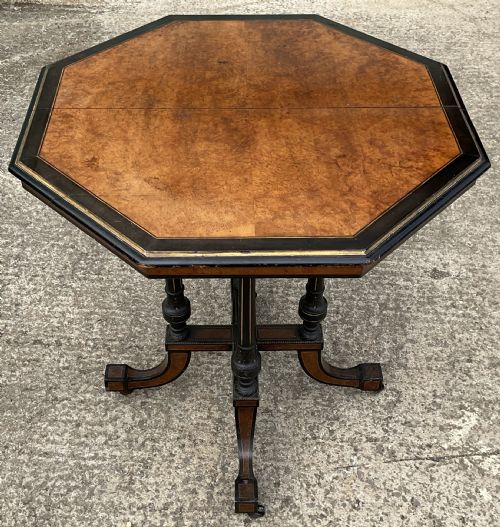
Cabinet makers utilised solid walnut alongside finely figured burr walnut veneer applied to stable secondary timbers. This technique created rich grain patterns across flat surfaces while maintaining structural integrity.
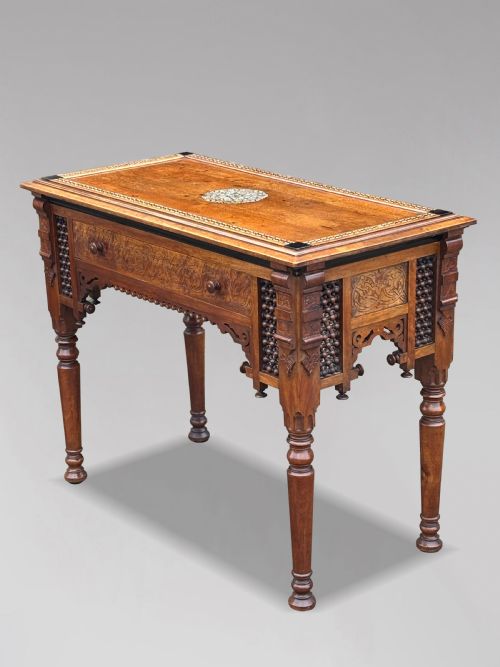
Decorative elements relied on manual labour, including hand-carved ornamentation, turned spindle bases, and precision brass or ormolu mounts. Tops frequently incorporated inlaid marquetry or heavy slabs of rouge marble.
Some nineteenth-century walnut hall tables doubled as dinner gongs, summoning Victorian households to meals with unexpected musical resonance.
What varies in quality
The calibre of a piece rests heavily on the selection of the burr walnut veneer and the precision of its matching across the top. Superior examples display symmetrical grain patterns that demonstrate careful planning by the cabinet maker.
Construction methods dictate longevity and stability, separating standard workshop output from exceptional commissions. Refined carving, substantial marble slabs, and tight joinery separate high-grade examples from simpler utility furniture.
Holmes Baldock·Liberty of London·William Birch·Shoolbred and Co·Thomas Colquhoun
The Victorian Walnut Hall Table Glossary
- Burr walnut
- A prized veneer sliced from the growth warts of walnut trees, yielding complex, swirling grain patterns. This material defines the decorative surface of many nineteenth-century console and centre tables.
- Console table
- A wall-mounted or freestanding table designed to sit flat against an entrance or hallway partition. These forms frequently feature shaped marble or timber tops supported by carved pedestals.
- Marquetry
- The art of applying small pieces of varied veneer to form decorative patterns and pictures on a wooden surface. Craftsmen used contrasting timbers to create floral and geometric motifs.
- Ormolu
- Gilded bronze mounts applied to furniture for decorative enrichment along legs and aprons. This technique adds metallic contrast to the dark tones of polished walnut timber.
- Gueridon
- A small, round occasional table supported by a central pillar and pedestal base. These French-influenced forms appear frequently among nineteenth-century walnut listings.
Victorian Walnut Hall Table: Frequently Asked Questions
Where did these tables stand?
These tables stood primarily in entrance halls, corridors, and reception rooms of nineteenth-century homes. They provided an immediate surface for visiting guests to leave calling cards and correspondence.
Their placement near the main entrance meant they were often the first significant piece of furniture visitors encountered. Consequently, makers concentrated ornate veneers and carvings on these specific domestic items.
How do I identify burr walnut?
Burr walnut is recognisable by its swirling, highly figured grain patterns filled with small knot clusters. This appearance results from abnormal growth on the tree, which creates unique patterns when sliced into veneer.
Cabinet makers arranged these thin sheets symmetrically across table tops to maximise the decorative impact. Standard walnut timber, by contrast, displays straight, uniform grain lines without the knotty clusters.
Are marble tops original?
Many nineteenth-century console and hall tables were manufactured specifically to receive heavy stone tops. Rouge marble and white marble slabs were fitted directly into the wooden frames to resist staining from wet umbrellas.
When inspecting a piece, check that the stone sits flush within the rebate and matches the period of the base. Replacement marble tops occasionally occur due to historical damage, though the mounting methods generally remain consistent.
How do I care for walnut?
Walnut furniture requires protection from direct sunlight and sudden changes in room temperature. Excessive heat causes timber and veneer to dry out, leading to splitting or lifting along the edges.
Apply traditional beeswax periodically to nourish the wood and maintain its deep lustre. Avoid modern silicone sprays, which can penetrate historic finishes and damage the delicate surface over time.