




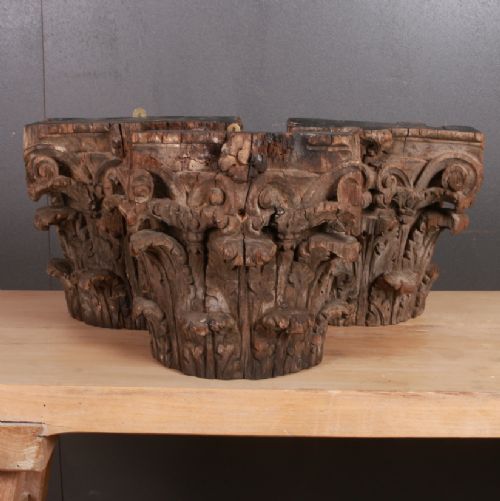
Acanthus Leaf Corbel
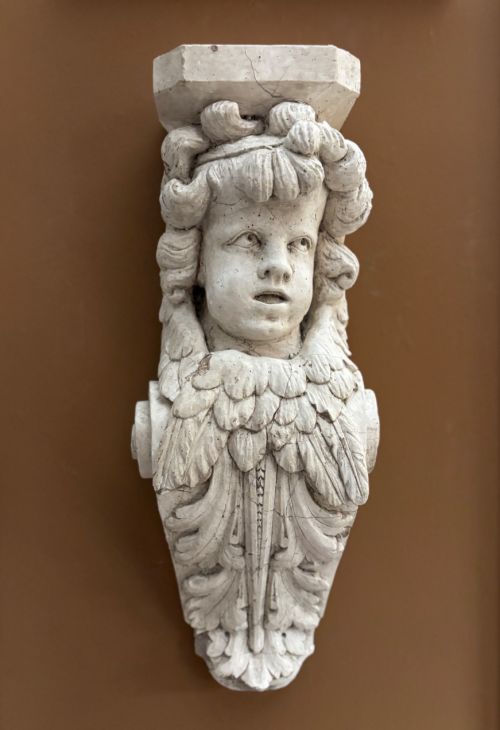
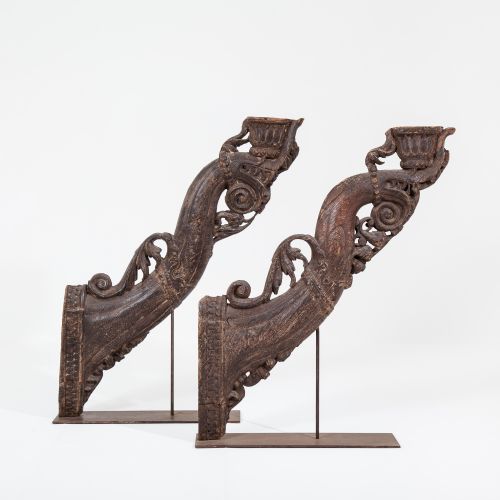
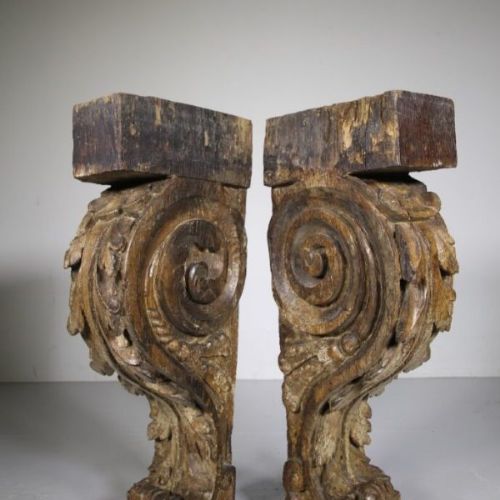
An acanthus leaf corbel brings classical architectural sculptural form into a room, offering strong projection and carved detail for supporting structural elements or display.
Acanthus Leaf Corbel
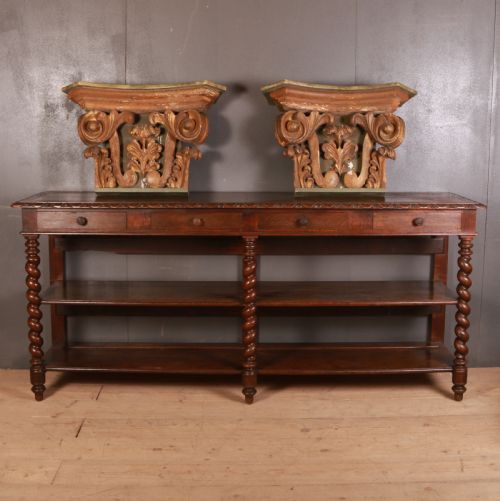
When you search for an acanthus leaf corbel, you encounter architectural salvage and wall brackets designed to project from a wall and support weight or frame a space. The examples appearing here span the eighteenth century, the nineteenth century, and periods such as nineteen hundred and nineteen thirty, taking the form of wall brackets, capitals, and architectural fragments.
The most common versions met on this page originate from Georgian, Rococo, Neoclassical, and Italian or French continental traditions. They include pairs of large carved wooden brackets, gilded wall brackets, plaster figures, and stone forms displaying the characteristic acanthus scrollwork.
How they were made
Makers shaped these architectural elements using carved timber, carved oak, and carved wood, applying hand tools to timber to achieve deep undercut foliage and scrollwork. Other pieces utilise plaster, stone, and composition materials cast or moulded into shape.
Surfaces frequently received decorative finishes including gold leaf, gesso, paint, and gilding to enhance the sculptural relief and catch the light within a room.
Listings feature items spanning the eighteenth century, the nineteenth century, and the nineteen thirties, executed in carved oak, plaster, stone, and gesso.
What varies in quality
The distinction between the top of the range and simpler examples lies in the depth and sharpness of the hand carving within the timber or stone. Crisp undercut leaves and refined proportions indicate skilled workmanship, whereas softer moulded or cast composition surfaces show less individual hand labour.
Original surface treatments also define quality, with surviving period gold leaf, gesso, and paint retaining more character than stripped or heavily repainted items.
The Acanthus Leaf Corbel Glossary
- Corbel
- A structural piece of stone, wood, or plaster jutting from a wall to carry a superincumbent weight. These brackets perform both load-bearing and purely decorative functions in classical architecture.
- Capital
- The topmost member of a column or pilaster, often carved with acanthus leaves in the Corinthian style. It sits between the shaft and the load it supports.
- Gesso
- A plaster mix used as a base for paint or gold leaf on wood. It provides a smooth surface for detailed gilding.
- Composition
- A moulded material made from whiting, resin, and glue used to create decorative ornament. It offers a quicker alternative to hand carving.
- Rococo
- An eighteenth-century style characterised by ornate scrollwork, asymmetry, and naturalistic plant motifs. It heavily influences the curves found on these wall brackets.
Acanthus Leaf Corbel: Frequently Asked Questions
What is an acanthus leaf corbel used for?
These pieces function primarily as architectural wall brackets or decorative supports within a room. They project from vertical surfaces to carry shelves, mantels, or structural beams.
Collectors also mount them purely as wall sculptures or pair them to frame doorways and fireplaces, displaying the carved foliage.
How do I date an antique corbel?
Dating relies on examining the timber species, tool marks left by the maker, and the underlying material such as hand-carved oak versus cast plaster or composition. Stylistic indicators like Georgian proportions or French Rococo asymmetry provide further clues.
Surface layers including historic gesso, gold leaf, and old paint help confirm the age of the piece.
Are these brackets strong enough to hold weight?
Solid carved wood and stone versions possess inherent structural strength derived from their original architectural context. Their capacity depends entirely on how securely they are anchored to the wall.
Plaster or composition examples often serve a purely decorative role rather than supporting heavy loads.
How should I clean a gilded wooden bracket?
Dusting requires only a soft, dry brush to remove particles without disturbing fragile gold leaf or gesso layers. Moisture and chemical cleaners must be avoided entirely.
Preserving the original surface requires gentle handling, as historic finishes easily thin or flake away.