

Antique Carved Corbels
These antique carved corbels are structural supports turned into ornamental accents, sourced from architectural salvage and period furnishings.
Antique Carved Corbels
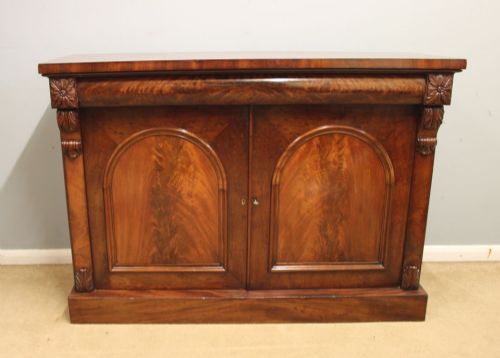
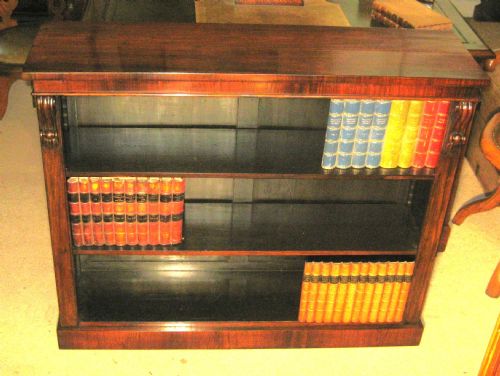
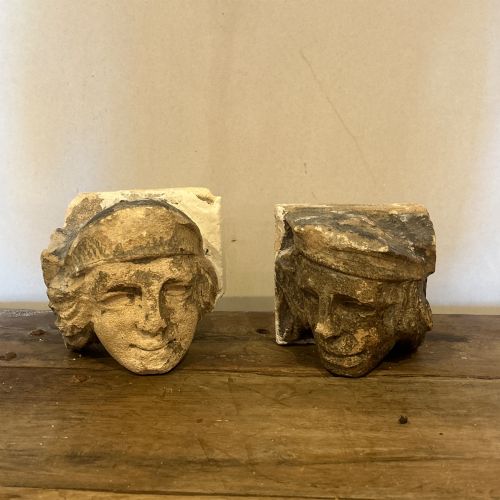
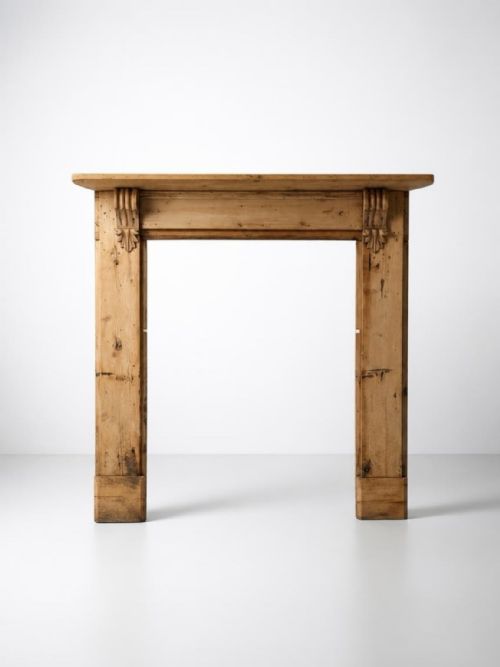
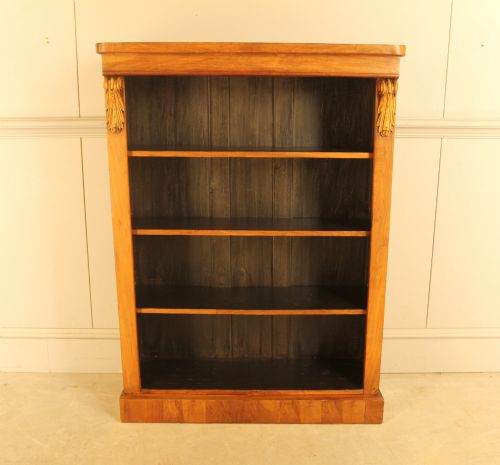
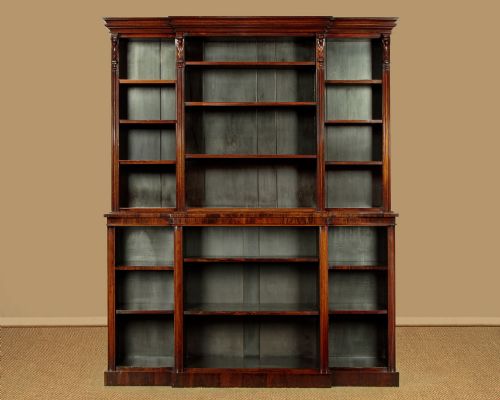
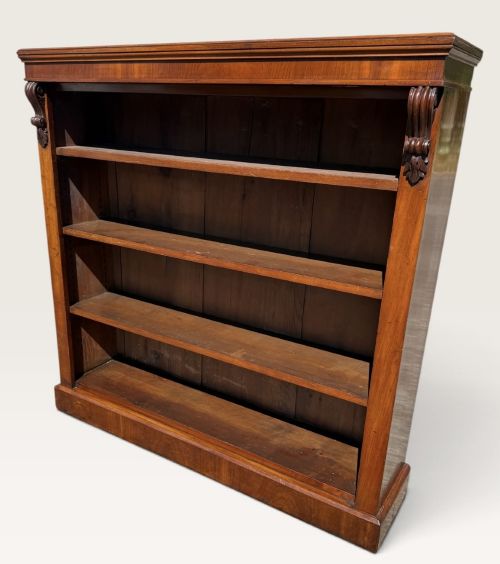
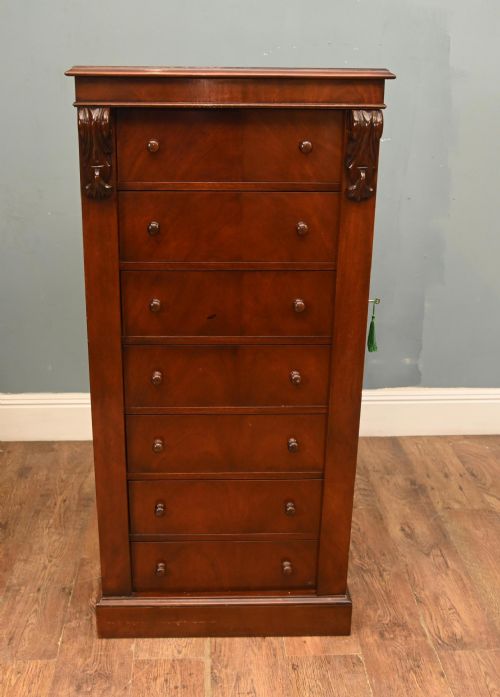
Antique carved corbels comprise architectural elements and furniture components originating primarily from the seventeenth, eighteenth, and nineteenth centuries. You will encounter standalone stone and wooden supports alongside items where carved corbels form integral decorative details, such as open bookcases and fire surrounds.
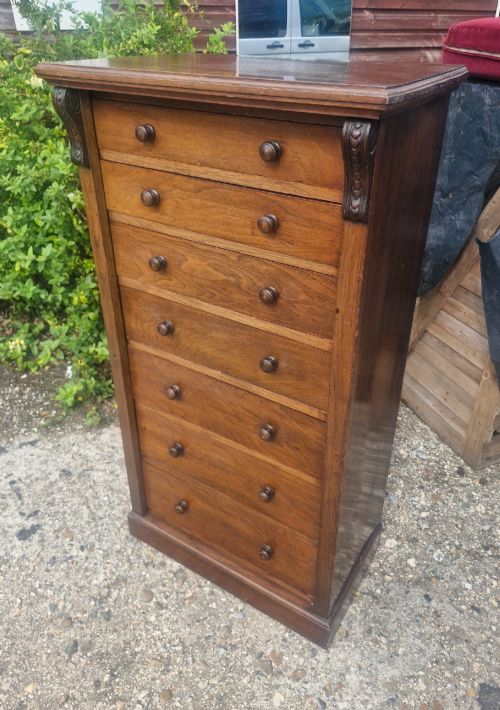
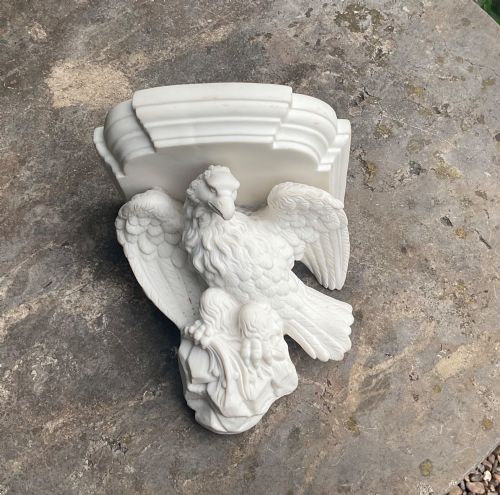
The selection ranges from robust oak and pine architectural salvage to refined mahogany and rosewood furniture fittings. Pieces span diverse stylistic influences, including Victorian, Baroque Revival, and medieval Gothic traditions.
Materials and construction
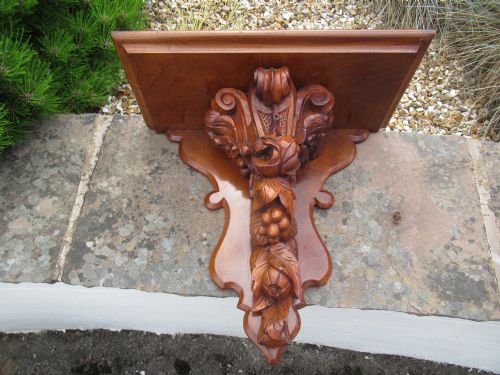
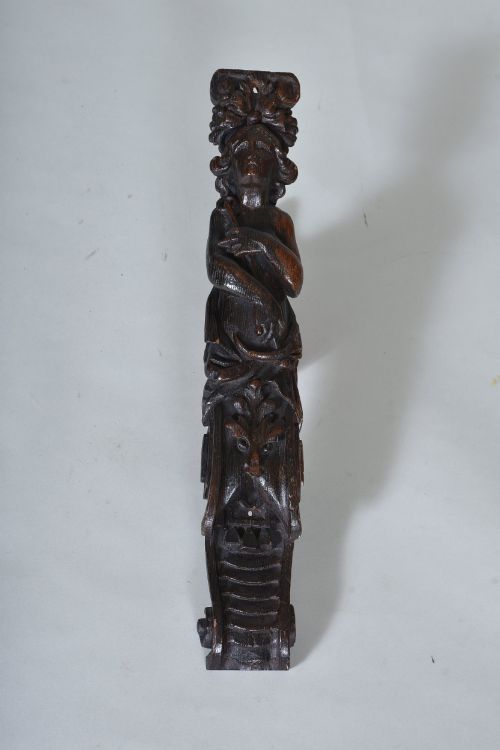
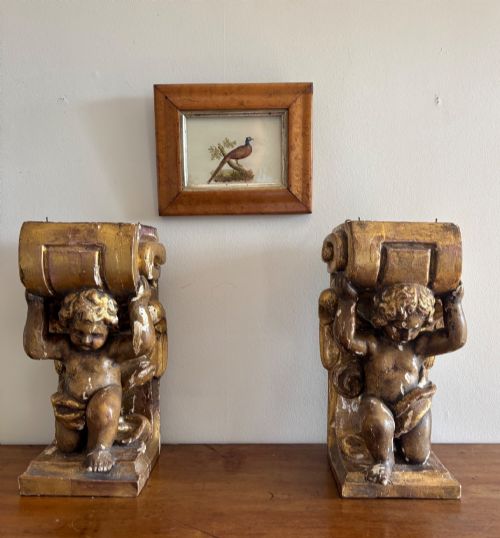
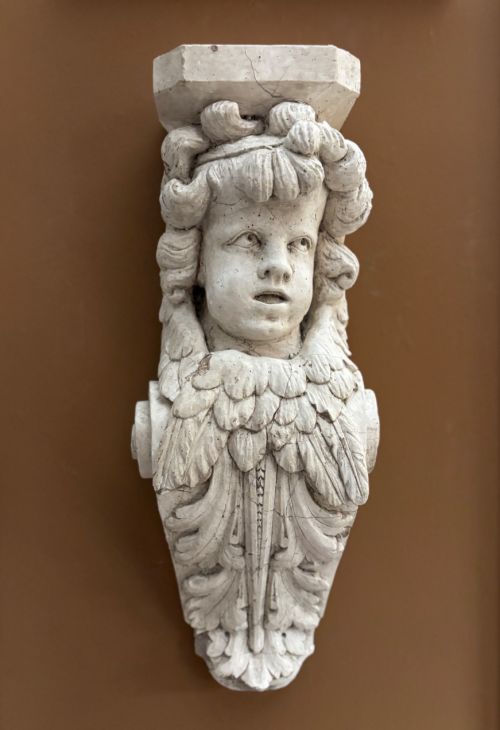
Makers shaped these supports using dense hardwoods like oak, walnut, mahogany, and fruitwood, alongside softer pines and structural stone. Relief carving techniques define the surfaces, producing figures such as cherubs, lions, and foliate motifs directly from the solid medium.
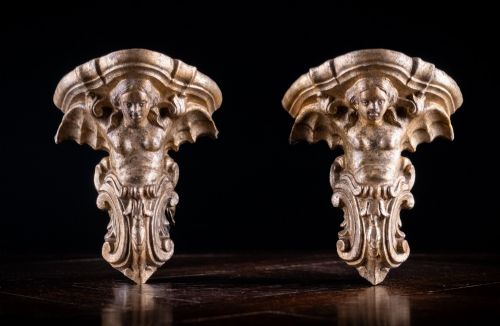
Gilt wood, gesso, and gold leaf additions appear on decorative brackets, enhancing the carved details with metallic finishes. Architectural fragments often show the tool marks of hand-chiselling from their original building contexts.
Winged cherubs and roaring lions gaze out permanently from these wooden perches.
Quality variations
Depth and crispness of the hand-carved detail distinguish finer examples from simpler work. The anatomical accuracy of figures like putti and lions reflects the skill of the original carver.
The integrity of the timber and the preservation of original surfaces, whether unpainted oak or historic gilding, influence the character of each piece.
The Antique Carved Corbels Glossary
- Corbel
- A structural projection from a wall designed to support a weight above it. In antique pieces, these often function purely as decorative wall brackets or shelf supports.
- Architectural salvage
- Building elements rescued from structures slated for alteration or demolition. This category includes stone and timber corbels removed from period interiors.
- Gesso
- A plaster mixture applied to wood surfaces as a base for gilding or painting. It provides a smooth ground for gold leaf application.
- Putto
- A figure of a small chubby infant, frequently winged, appearing in classical and baroque decorative carvings. These motifs are common on Victorian and earlier wall brackets.
- Breakfront
- A piece of furniture having a central section that projects forward. This layout frequently incorporates carved corbels to accentuate the architectural breaks.
Antique Carved Corbels: Frequently Asked Questions
How were antique corbels used originally?
Builders used stone and timber corbels to support heavy loads such as ceiling beams, mantelpieces, and balconies. They transferred the weight of upper masonry or woodwork safely down into the main wall.
Over time, smaller versions evolved into purely ornamental wall brackets for displaying books, busts, or decorative objects inside domestic rooms.
What woods appear most often in these carvings?
Oak and pine dominate the architectural salvage pieces, chosen for their structural strength and availability in historic buildings. Finer furniture items utilise dense hardwoods like mahogany, walnut, and rosewood.
Fruitwood and specialised timbers also appear in continental European and specific decorative carvings.
How can I date an antique carved corbel?
Dating relies on assessing the timber species, tool marks left by the carver, and stylistic markers such as Baroque scrollwork or Victorian proportions. Comparing the piece to documented examples from periods like the seventeenth or nineteenth century helps narrow the origin.
Provenance and construction wear also offer reliable clues to the age of the woodwork.
Can antique corbels support heavy modern shelves?
Solid hardwood and stone corbels retain their inherent load-bearing strength if securely mounted to wall studs or masonry. Proper hardware installation is essential for weight distribution.
Lighter decorative brackets made of gesso or softer pine suit display purposes rather than heavy weight-bearing applications.