

Pair of Brackets
When you search for a pair of antique brackets, you are looking at wall supports, shelves, and sconces shaped by centuries of carving and casting.
Pair of Brackets
A pair of antique brackets encompasses architectural shelf supports, corbels, and wall-mounted display ledges alongside candle sconces and light fittings. These functional pieces carry the weight of shelves or project illumination across a room while serving as decorative elements in their own right.
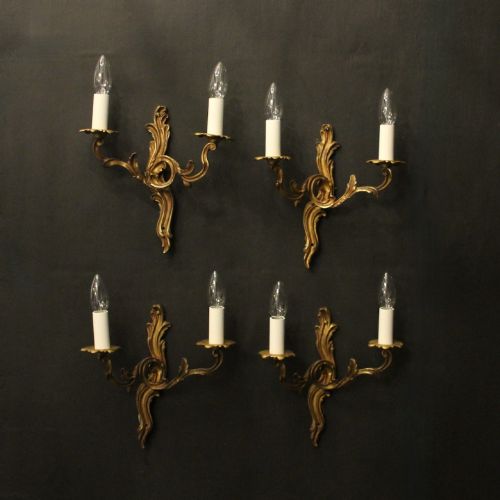
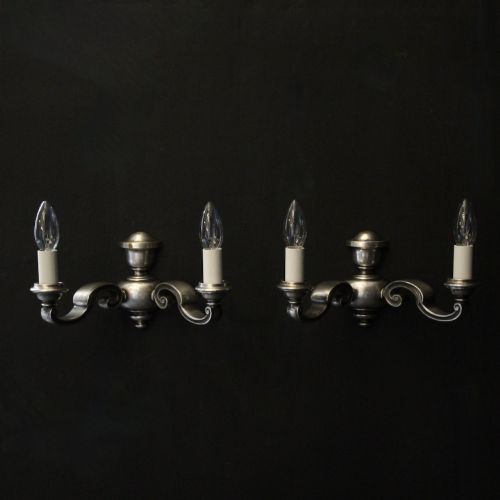
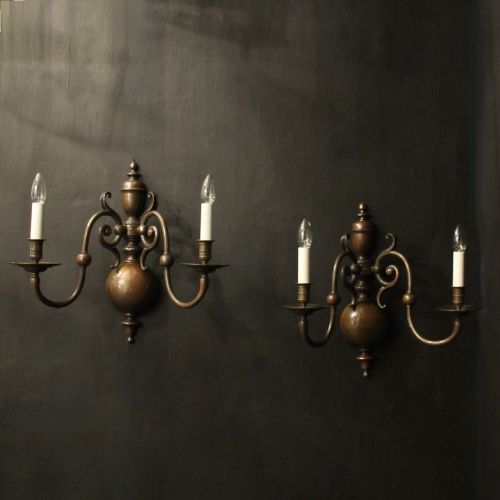
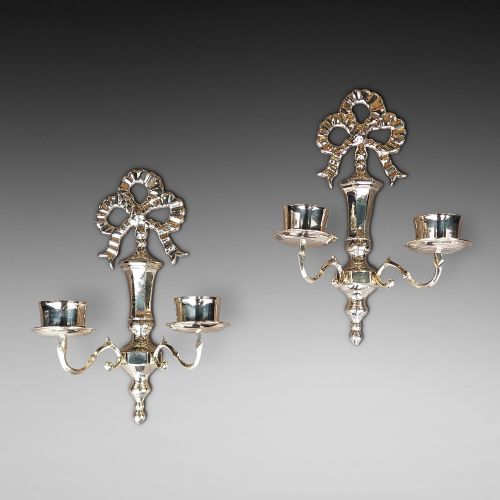
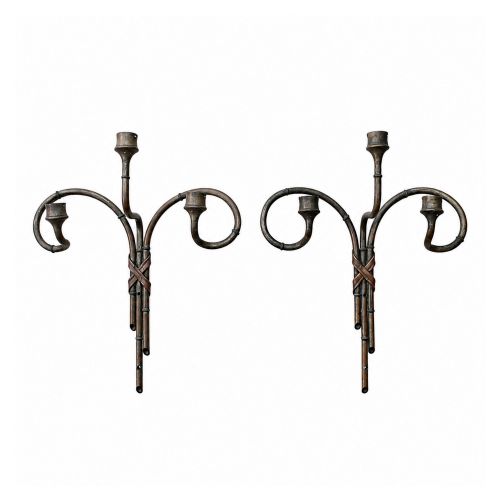
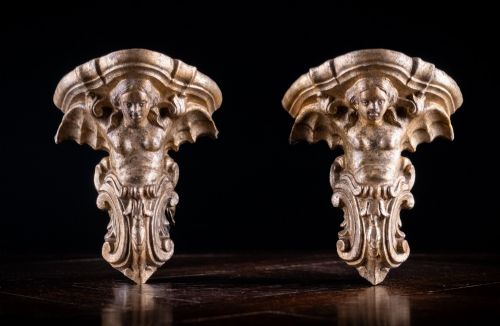
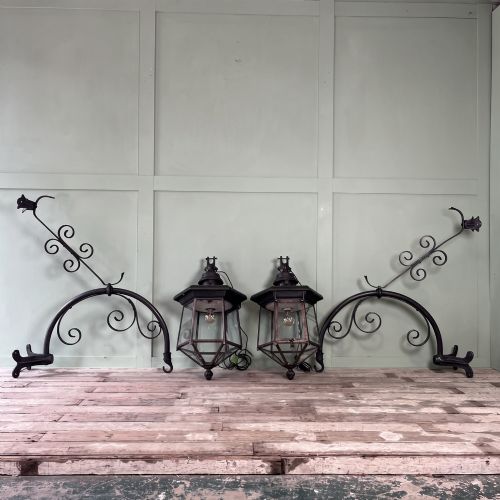
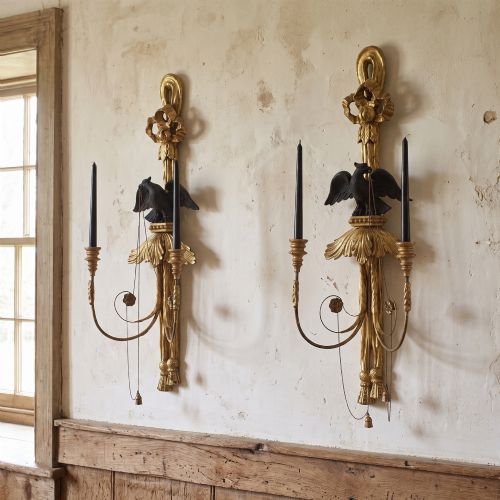
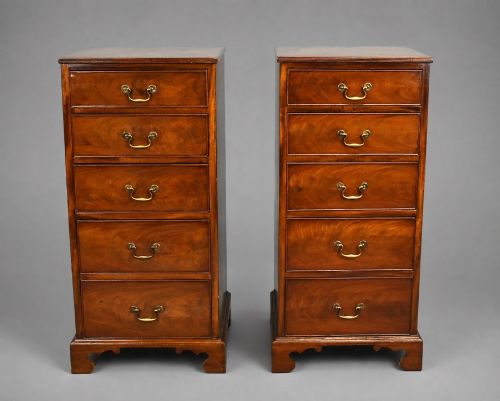
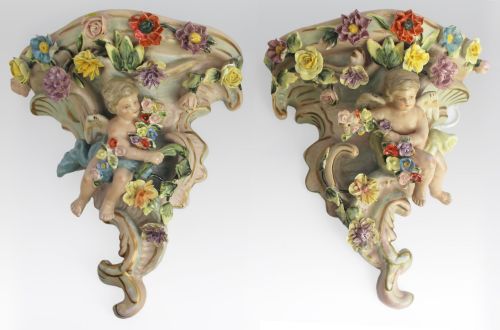
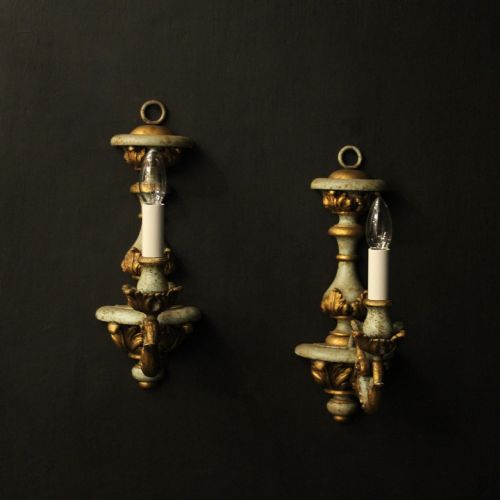
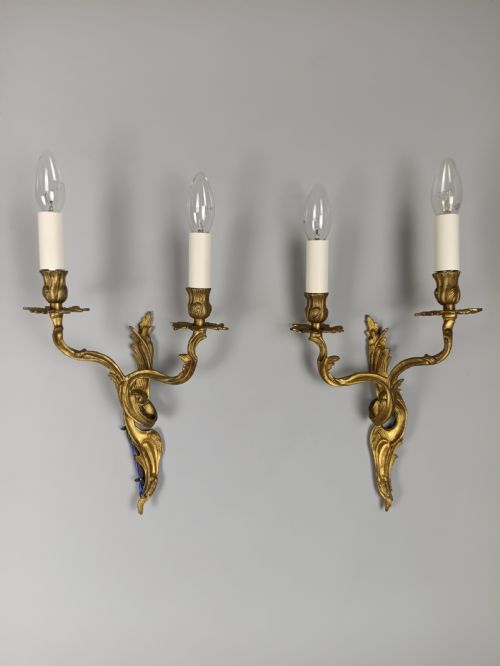
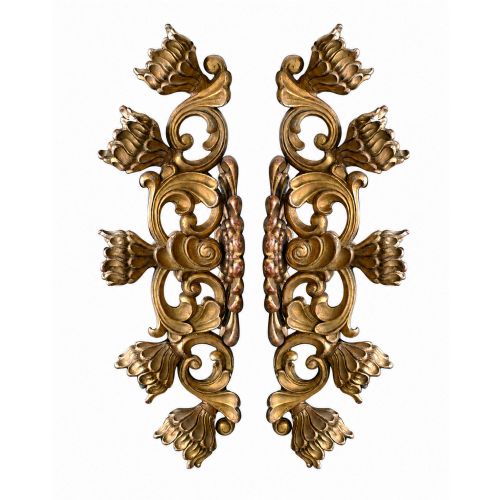
On this page, you are most likely to meet carved wooden examples alongside giltwood, brass, and bronze wall light fittings dating from the nineteenth and early twentieth centuries. The selection ranges from French Rococo Revival forms and carved cherubs to sturdy architectural cast iron and oak supports.
How they were made
Makers shaped these pieces through traditional woodworking, hand-carving timber such as oak, mahogany, and walnut into scrollwork and figures, or building up detail with gesso on giltwood surfaces. Cast metals including brass, bronze, copper, and iron provided structural strength for heavier shelf supports and detailed chasing for wall lights.
Ceramic and terracotta pieces involved moulding and firing clay or porcelain, sometimes finished with polychrome paint or gilding. Gilding techniques applied gold leaf or metallic paint over gesso and wood to catch the candlelight in period interiors.
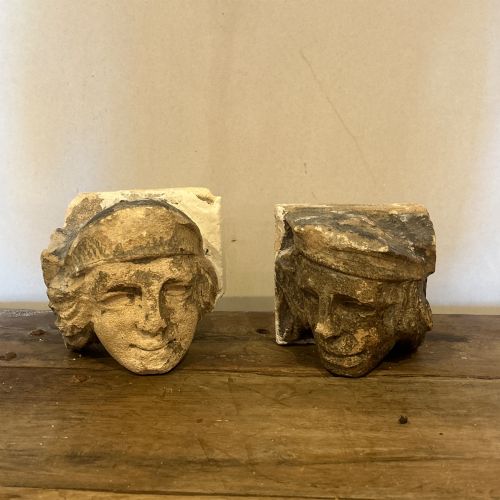
Watch for winged sirens, fierce lions, and cherubs holding up your walls.
What varies in quality
The integrity of the original surface finish, whether undisturbed old gilding, patinated bronze, or natural waxed oak, determines the character of the piece. Losses to gesso, crude repainting, or replaced structural elements alter the historical balance of the mount.
REVO Leicester·F. and C. Osler·Meissen
The Pair of Brackets Glossary
- Corbel
- A structural bracket projecting from a wall to support a weight, often carved in stone, wood, or terracotta.
- Giltwood
- Timber treated with gesso and covered in gold leaf or metallic powder to create a bright decorative surface.
- Ormolu
- Gilded bronze used widely for mounts and decorative light fittings during the eighteenth and nineteenth centuries.
- Sconce
- A wall-mounted lighting fixture designed to hold candles or electric bulbs, often backed by a reflective mirror or decorative plate.
- Girandole
- An ornate wall bracket fitted with multiple candle arms, frequently paired with a mirror to multiply the light.
Pair of Brackets: Frequently Asked Questions
What is the difference between a bracket and a sconce?
A bracket primarily functions as a structural or decorative shelf support projecting from the wall to hold objects or architectural weight. A sconce is specifically designed as a wall-mounted light fitting, though many antique bracket designs incorporate candle arms or display ledges.
Distinguishing between the two depends on whether the primary purpose is physical support or illumination, though historical makers frequently combined both functions into a single wall ornament.
Where should I mount antique brackets in a room?
Antique brackets suit flanking positions around fireplaces, mirrors, or doorways where symmetrical placement creates a balanced architectural display. Wooden and terracotta shelf brackets require secure wall fixing into studs or masonry to bear the weight of small sculptures or porcelain.
Lighting brackets and sconces need positioning at eye level or slightly above to distribute ambient illumination without glare. Ensure the electrical wiring of converted wall lights meets modern safety standards before final installation.
How do I care for antique giltwood and carved wood brackets?
Giltwood surfaces are extremely delicate and sensitive to moisture, requiring only gentle dusting with a soft, dry brush. Avoid all liquid cleaners, polishes, and abrasive cloths that can strip away thin layers of gold leaf or damage the underlying gesso.
Waxed or polished wooden brackets benefit from occasional feeding with a traditional beeswax polish applied sparingly with a soft cloth. Keep them away from direct sunlight and radiators to prevent the timber from splitting or warping over time.
How can I tell the period of an antique bracket?
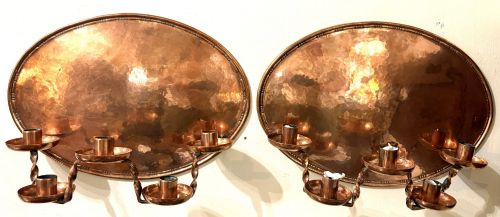
Dating relies on stylistic clues, such as the exuberant curves of French Rococo Revival pieces from the nineteenth century compared to the cleaner geometry of Arts and Crafts copper work. Construction methods, tool marks on the reverse of wooden carvings, and the composition of the metal or gesso provide further evidence of age.
Examining screw types, fixing holes, and backplates helps distinguish nineteenth-century castings and hand-carved pieces from later reproductions.