



Architectural Salvage Brackets
Architectural salvage brackets are structural supports reclaimed from older buildings, offering heavy timber, iron, and stone carvings to anchor a shelf or frame a doorway.
Architectural Salvage Brackets
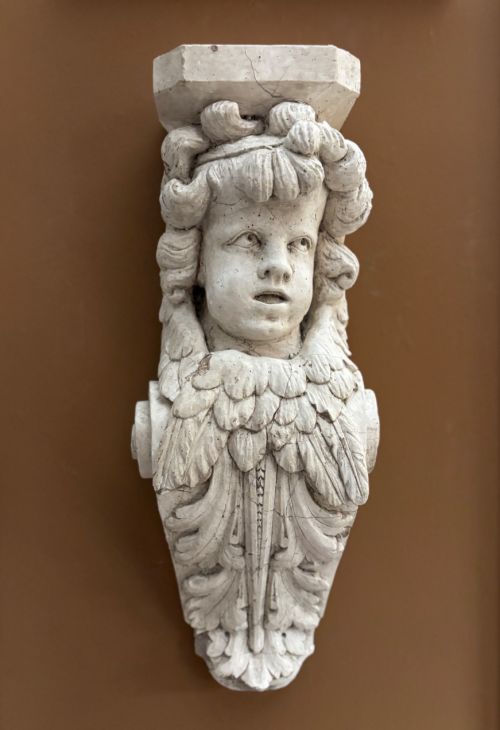
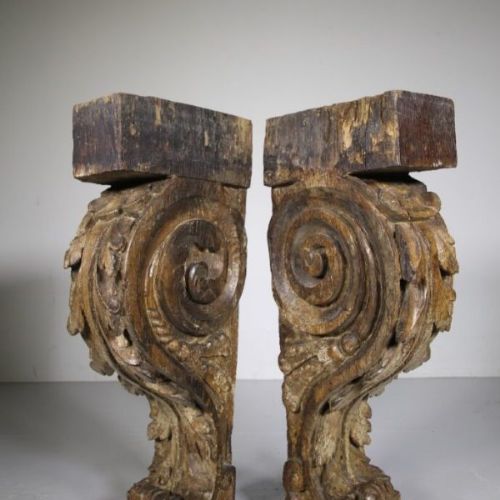
Architectural salvage brackets encompass heavy load-bearing supports, decorative corbels, and console shelves rescued from dismantling buildings across several centuries. When hunting for architectural salvage brackets, buyers encounter everything from modest iron shelf supports to monumental stone corbels carved with figures or classical details.
The selection ranges widely in age and origin, featuring seventeenth-century oak pieces alongside nineteenth-century cast iron and plaster designs. English, French, German, and Asian workshops all contribute to the diverse pool of materials and styles available on the market.
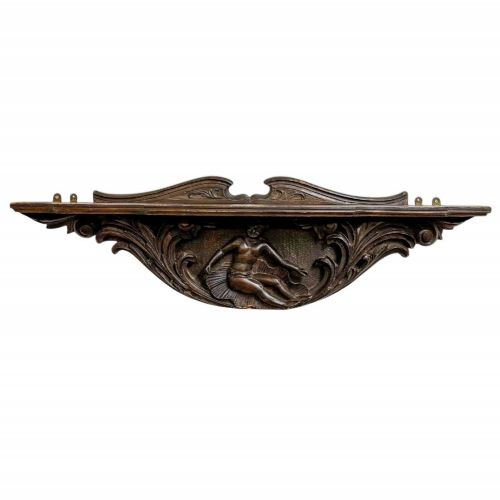
Forms span from functional wall brackets and sink supports to elaborate overdoor pediments and carved capitals. Whether utilised to hold a simple timber board or displayed purely as sculptural wall art, these fragments retain the hand of the historic builder.
Materials and construction
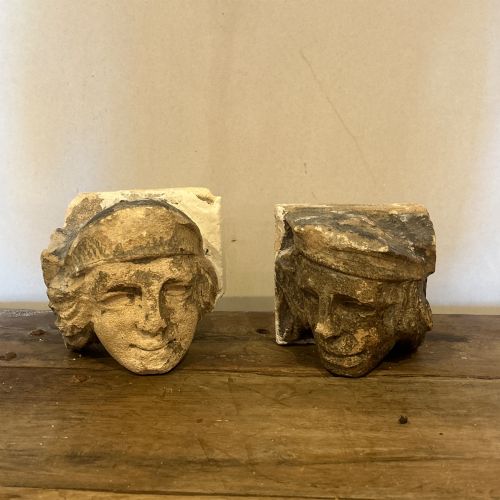
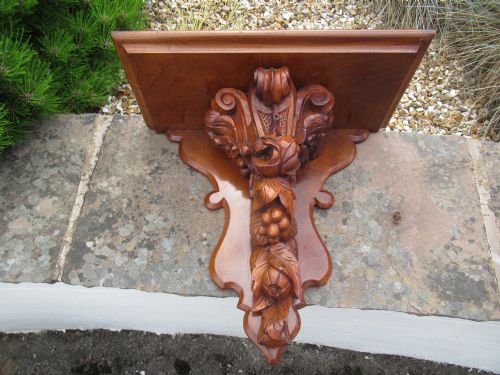
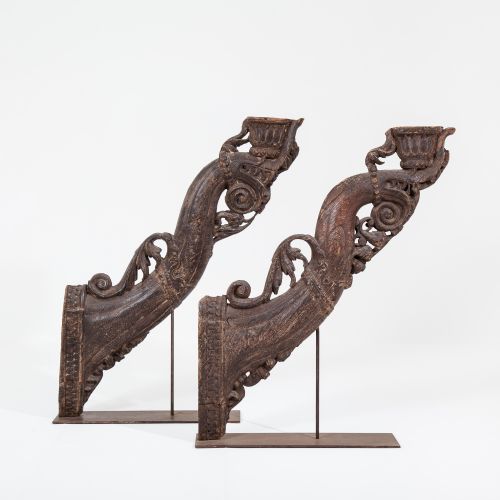
Makers shaped these supports primarily from hardwoods like oak and walnut, alongside softwoods such as pine, utilising deep chisel work to carve figurative and geometric motifs. Stone versions demanded rigorous hand-chiselling in limestone or casting in plaster to achieve sharp architectural profiles.
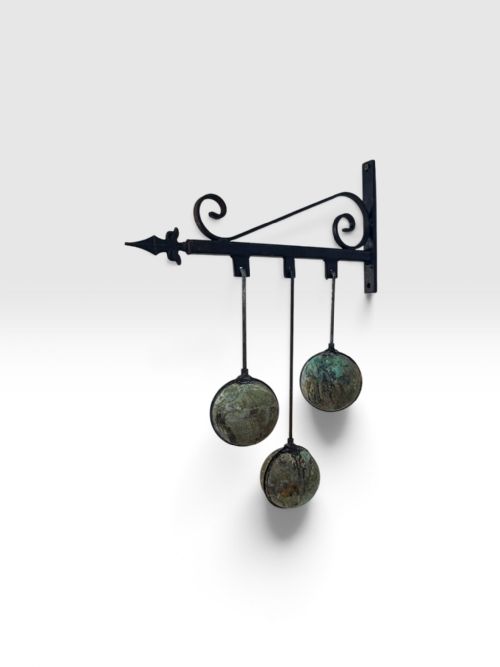
Metal components relied on the forge and foundry, utilising cast iron for intricate patterns like dragons and heavy horses' heads, and wrought iron for sturdy, functional braces. Surviving surfaces often retain traces of old paint or the natural dark patina of aged timber.
Listings span multiple centuries, ranging from seventeenth-century oak and sixteenth-century building brackets to nineteenth-century cast iron and twentieth-century industrial items.
Markers of quality
The calibre of a piece rests entirely on the depth and precision of the hand-carving or the crispness of the foundry casting. Master carvers rendered figures, foliage, and capitals with anatomical accuracy and profound relief, whereas lesser examples rely on flat, simplified cutting.
Integrity of the material defines the upper tier, favouring dense, uncompromised hardwoods and substantial stone over softer, heavily degraded mediums. Complete pairs command greater interest than single survivors, as matched sets remain difficult to source from historic buildings.
The Architectural Salvage Brackets Glossary
- Corbel
- A structural piece of stone, wood, or metal projecting from a wall to carry a weight. Most often found supporting a superincumbent weight such as a balcony or beam.
- Capital
- The uppermost member of a column, often richly carved with foliage or classical orders like Corinthian. It sits directly beneath the load it helps distribute.
- Pediment
- A triangular or curved architectural gable placed above a door, window, or shelf. Salvaged versions retain detailed mouldings and central carving.
- Wrought iron
- Iron that has been heated and worked with tools by a blacksmith rather than cast in a mould. This material yields tough, fibrous brackets designed for heavy structural support.
- Putto
- A representation of a human infant, usually nude and winged, frequently carved into wooden or plaster architectural brackets from the eighteenth century onward.
Architectural Salvage Brackets: Frequently Asked Questions
What are architectural salvage brackets used for?
These pieces serve both structural and decorative roles in modern interiors, often mounted beneath timber planks to create sturdy wall shelves. Collectors also display them independently as sculptural wall art or incorporate them above doorways as pediments.
Heavier stone and iron variants can support substantial weight, while delicate wooden carvings function best for lighter display purposes.
How do I mount heavy stone or iron brackets?
Due to the substantial weight of cast iron, stone, and dense oak brackets, proper wall anchoring into masonry or timber studs is essential. Professional installation ensures the support safely carries both its own weight and any objects placed upon it.
Consulting a builder helps determine the correct fixings required for the specific wall type in your home.
How can I tell the period of a wooden bracket?
Dating relies on examining the tool marks left by the maker, the wood species utilised, and the specific stylistic details of the carving. Seventeenth-century pieces typically show hand-hewn oak surfaces and simpler, robust forms, whereas Victorian items often feature machine assistance or neoclassical revival motifs.
Comparing the patina and wear patterns against dated examples helps confirm the era of origin.
Are painted brackets finished in original colours?
Many salvaged brackets retain layers of historic paint applied over decades or centuries of use in domestic or commercial buildings. Identifying original finishes requires looking for micro-layers of early lead or oil paints beneath more recent coats.
Preserving these aged surfaces maintains the historical character of the salvaged item.