




Gilt Wall Sconce Shelf
These gilt wall sconce shelf pieces bring sculptural presence and golden warmth to any interior.
Gilt Wall Sconce Shelf
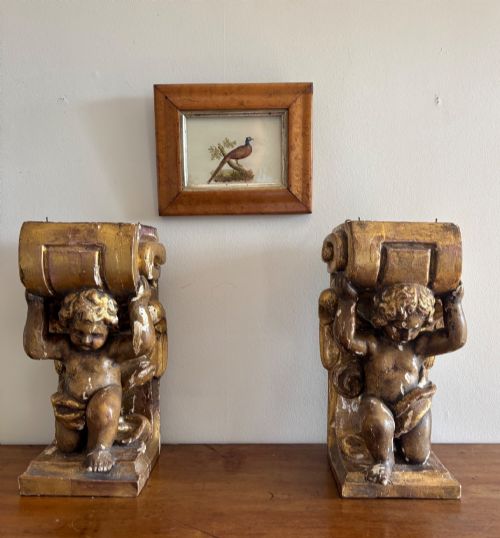
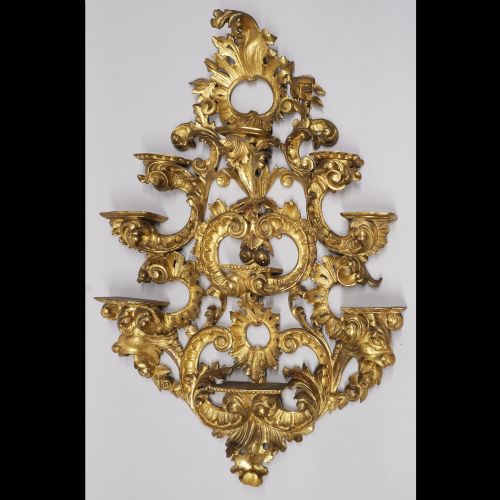
A gilt wall sconce shelf functions as an ornamental wall bracket designed to hold small decorative objects, clocks, or candles while adding architectural interest to a room. When searching for a gilt wall sconce shelf, collectors encounter wall brackets, display shelves, and console mirrors spanning from the eighteenth century into the twentieth century. Examples on this page include nineteenth-century carved giltwood pieces, eighteenth-century white painted and giltwood designs, and Victorian mirrored wall display shelves.
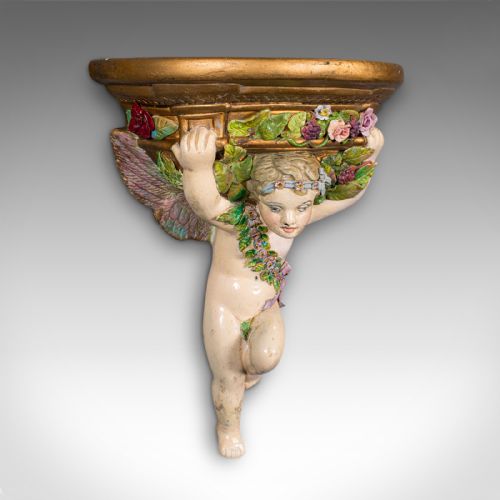
The selection ranges from Italian gilded wall brackets and French chateau styles to English Victorian clock mounts and decorative console mirrors with shelves underneath. Buyers frequently find matching pairs of wall brackets alongside single large girondoles and ceramic combinations featuring ormolu mounts. These decorative items reflect broader historical revivals including Rococo, Baroque, and Neoclassical styles.
Materials and construction methods
Artisans built these pieces primarily using carved wood, gesso, and giltwood, applying thin layers of gold leaf over prepared wooden surfaces to achieve a luminous finish. Some eighteenth-century examples combine giltwood with white painted sections, while other nineteenth-century forms incorporate brass, plaster, and glass elements such as mirror plates.
Carved wooden structures rely on traditional joinery and detailed hand-carving to create complex foliate scrolls, cherubs, and asymmetrical Rococo motifs. The application of gold leaf and gesso required skilled craftsmanship to ensure the metallic surface adhered smoothly to intricate wooden or plaster substrates.
Several cherubs quietly hold up shelves, keeping watch over centuries of accumulated dust and candlelight.
Assessing quality and craftsmanship
Quality rests upon the crispness of the hand-carving and the depth of the underlying gesso work, which dictates how sharply the decorative motifs are rendered. Superior examples display fluid, deeply undercut foliage and balanced proportions that maintain their visual weight against the wall.
The integrity of the gilding surface also distinguishes finer pieces, as original gold leaf patinates with a soft warmth distinct from later metallic paints. Furthermore, the integration of original mirror glass or ceramic and ormolu components influences the overall artistic coherence of the bracket.
The Gilt Wall Sconce Shelf Glossary
- Giltwood
- Wood that has been covered with thin sheets of gold leaf. This finish provides a durable and reflective metallic surface across antique frames and wall brackets.
- Gesso
- A plaster-like mixture applied to wood as a base for gilding or painting. It allows craftsmen to carve intricate relief details before applying gold leaf.
- Girondole
- A branched wall sconce or candleholder incorporating a mirror. These pieces reflect candlelight and brighten surrounding interior spaces.
- Rococo Revival
- A nineteenth-century design movement characterised by ornate, asymmetrical scrolls and naturalistic plant motifs. It draws inspiration from the eighteenth-century French Rococo period.
- Ormolu
- Gilded bronze used for decorative mounts and decorative hardware. It appears frequently on nineteenth-century ornamental brackets and furnishings.
Gilt Wall Sconce Shelf: Frequently Asked Questions
How were these wall brackets originally used?
These brackets served as elevated display surfaces for small sculptures, porcelain figures, or clocks within formal rooms. They also held candles to reflect light across the walls before the widespread adoption of electric lighting.
Placed above tables or flanking larger mirrors, they added vertical dimension and rich ornamentation to period interiors.
What is the difference between a bracket and a girondole?
A wall bracket is primarily a shelf designed to support objects or candles against a wall. A girondole specifically incorporates a mirror plate behind the candle arms or shelf to enhance light.
Both forms utilise gilded wooden frames, but girondoles place a greater emphasis on reflective glass elements.
How do I care for antique giltwood?
Antique giltwood requires gentle dusting with a soft, dry brush to protect the delicate gold leaf layer. Moisture and harsh cleaning agents can damage the underlying gesso and finish.
Keeping pieces away from direct sunlight and high humidity preserves the stability of the wood and the brilliance of the gilding.
How can I tell an eighteenth-century piece from a nineteenth-century revival?
Eighteenth-century pieces typically exhibit hand-carving techniques specific to their period and distinct patination on the gesso and wood. Nineteenth-century revival items often interpret earlier Rococo or Baroque styles using the manufacturing methods of the Victorian era.
Examining the backboards, fixings, and wear patterns helps determine the age and origin of the construction.