

18th Century Wall Console
An 18th century wall console brings architectural presence and surface utility to a room through carved wood and marble.
18th Century Wall Console
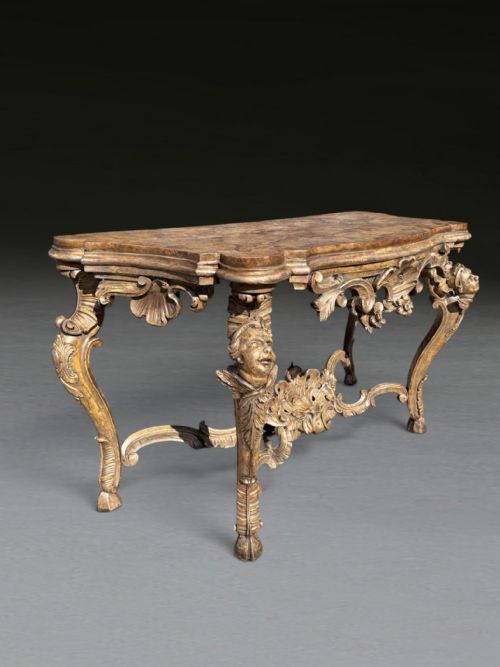
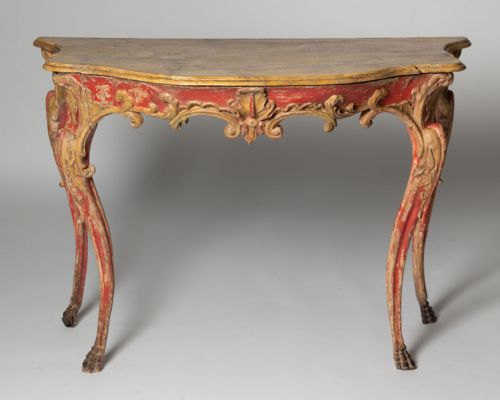
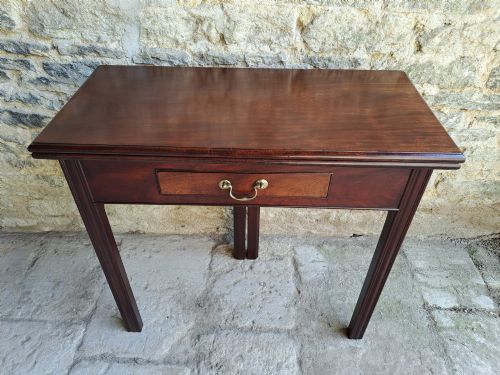
An 18th century wall console is a table designed to sit flush against a wall, frequently supported by wall brackets or front legs, appearing in forms such as console tables, pier tables, and side tables. When searching this phrase, a buyer meets pieces from periods including the 18th century, Georgian era, and 19th century, with Italian and French regional variations appearing regularly.
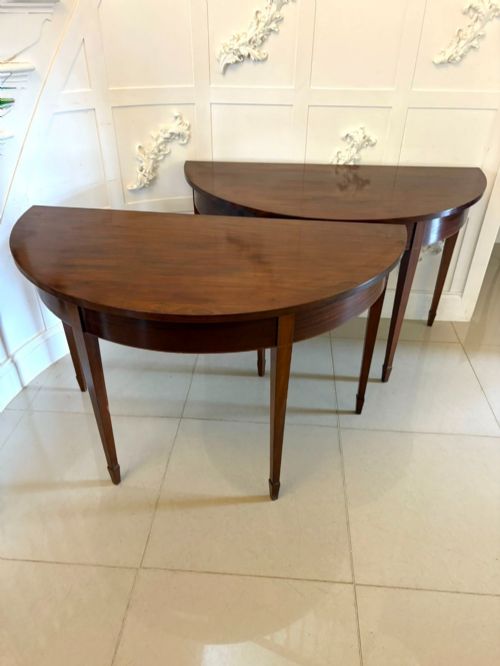
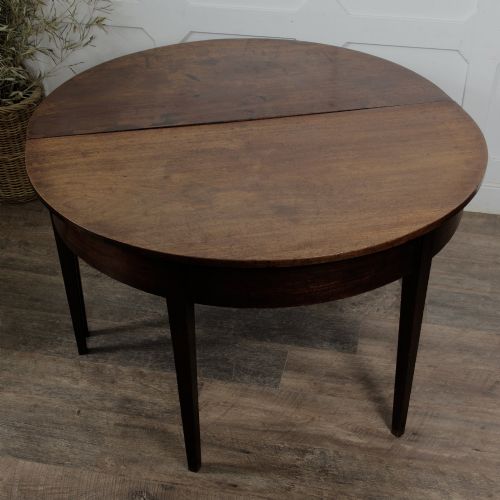
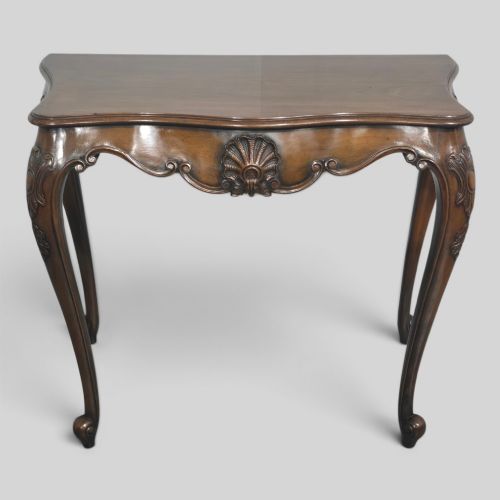
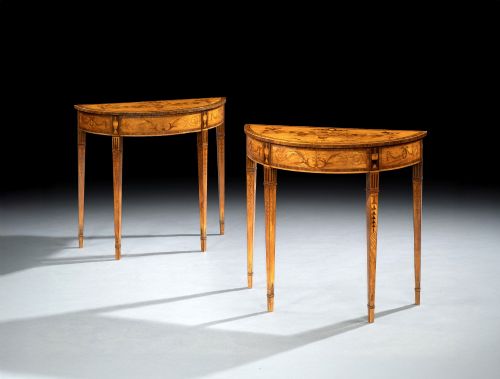
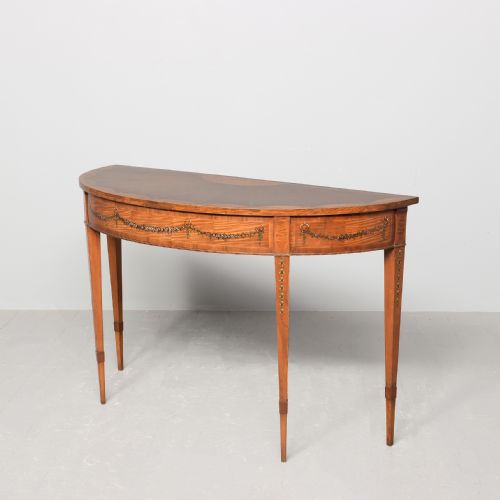
The physical form ranges from demi-lune shapes to serpentine fronts and rectangular boards. Many examples function alongside matching wall brackets or serve as architectural accents within domestic interiors of the period.
Materials and Construction Methods
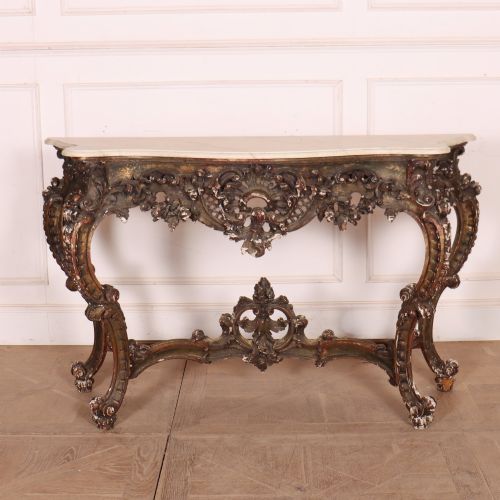
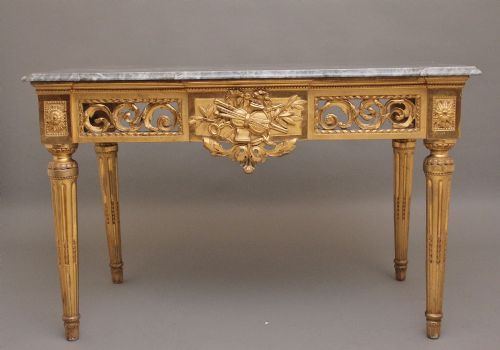
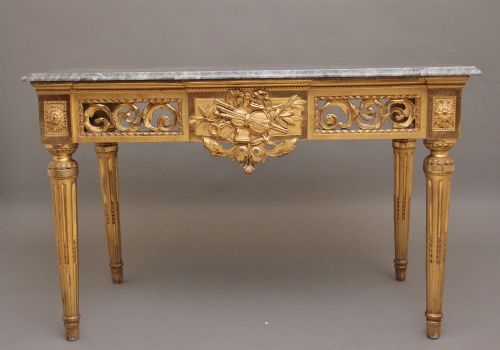
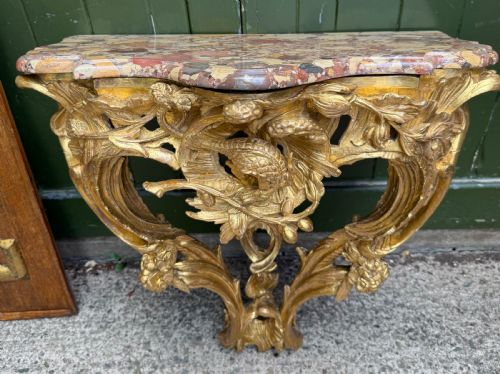
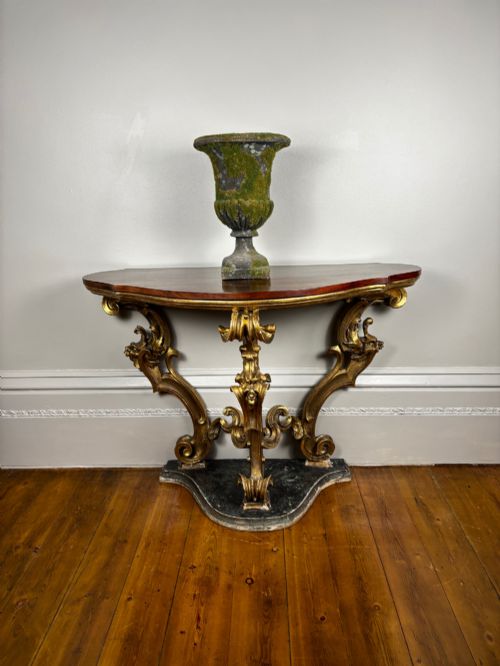
Cabinet makers and carvers utilised woods such as mahogany, walnut, satinwood, and kingwood, often shaping them into solid or veneered surfaces. Giltwood and gesso finishes required meticulous layering of plaster and gold leaf over carved wood bases.
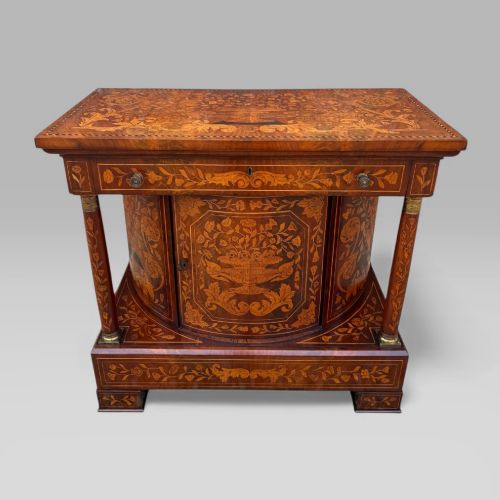
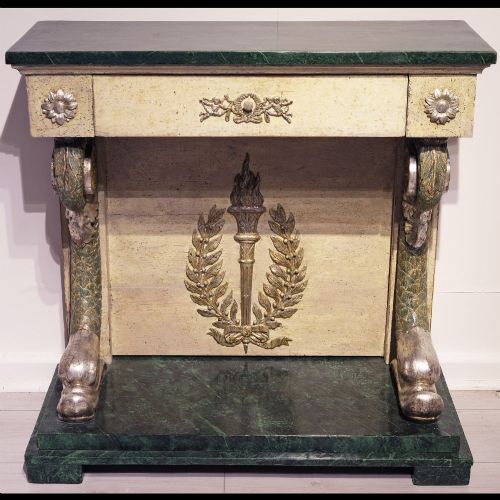
Marble tops, including figured marble and specific types like breche d'alep, were cut and polished to fit the contours of wooden frames. Paint, silver gilt, and marquetry inlay provided decorative contrast on Italian, French, and English pieces.
Listings feature materials including marble, giltwood, mahogany, gesso, satinwood, and paint across Georgian, Rococo, Neoclassical, and Baroque styles.
Distinctions in Quality
Quality rests in the depth and sharpness of the carved wood elements, particularly on giltwood and walnut frames where crisp relief work indicates skilled hand carving. The choice of timber grain, such as figured mahogany or detailed marquetry, dictates the visual refinement of the top and apron.
The integration between the stone top and the wooden base shows the precision of the maker. Fitted marble slabs and substantial gilt gesso surfaces separate standard domestic furniture from finer reception room pieces.
The 18th Century Wall Console Glossary
- Demi-lune
- Half-moon shape. This curve characterises many console tables designed to fit closely against flat walls.
- Giltwood
- Wood covered with gold leaf. This surface treatment appears frequently on Italian and French console tables.
- Marquetry
- Veneer patterns arranged in pictorial designs. Cabinet makers applied these decorative wooden inlays to tabletops and friezes.
- Pier table
- A table designed to stand against the wall between windows. These pieces often matched large wall mirrors.
- Gesso
- Plaster mixture applied as a base for gilding. Carvers used this material to build up intricate relief details before applying gold leaf.
18th Century Wall Console: Frequently Asked Questions
What is an 18th century wall console?
An 18th century wall console is a decorative table or bracket designed to mount against a wall or stand on front legs. These items served as display surfaces in formal rooms.
Craftsmen built them using carved wood, giltwood, and marble. They often match the architectural style of the interior they inhabit.
How were these consoles used historically?
Historically, these tables held decorative objects, clocks, and candelabras in reception rooms and hallways. Their placement against walls maximised floor space.
Many functioned as pier tables positioned beneath tall wall mirrors. Others served tea or provided surface space in grand drawing rooms.
How do I style a wall console today?
A wall console works well in entrance halls, living rooms, and dining spaces as a focal point. Placing a mirror or artwork above the table completes the traditional arrangement.
Keep the surface styling balanced with lamps or ceramics. The shallow depth of demi-lune shapes makes them suitable for narrow corridors.
How do I distinguish Italian and French styles?
Italian consoles from this era frequently feature heavy giltwood carving, Baroque influence, and silver gilt finishes. Their frames display bold sculptural forms and architectural motifs.
French pieces often incorporate serpentine fronts, fine marquetry, and Rococo curves. Gustavian examples show lighter painted finishes typical of northern European interpretations.