

Giltwood Wall Brackets
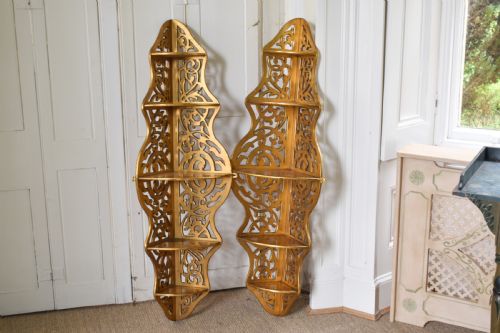
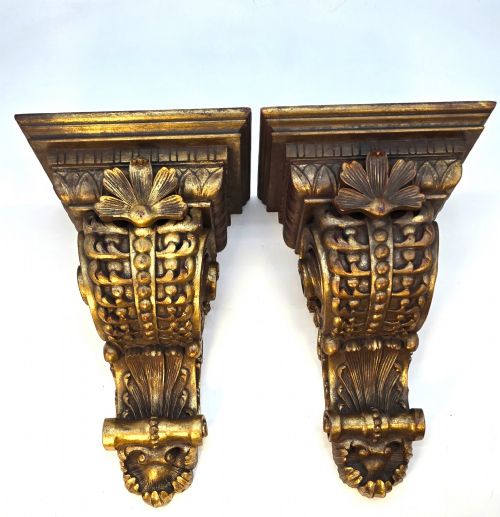
When you select giltwood wall brackets, you bring home a carved and gilded ledge designed to hold ornaments or project candle light from a room's perimeter.
Giltwood Wall Brackets
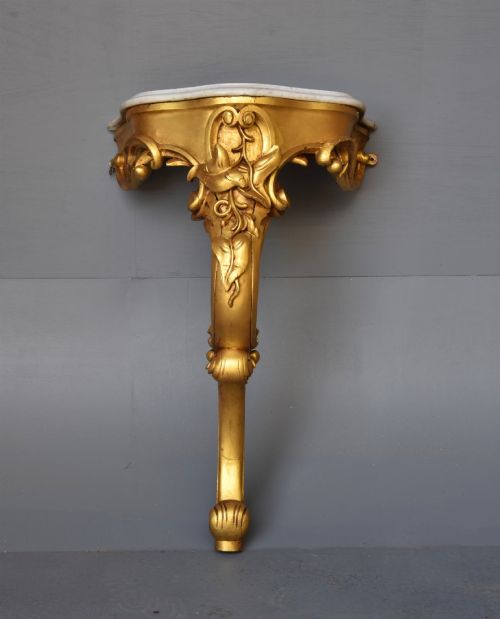
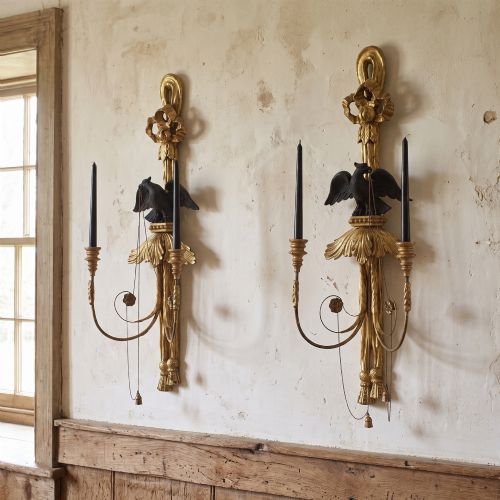
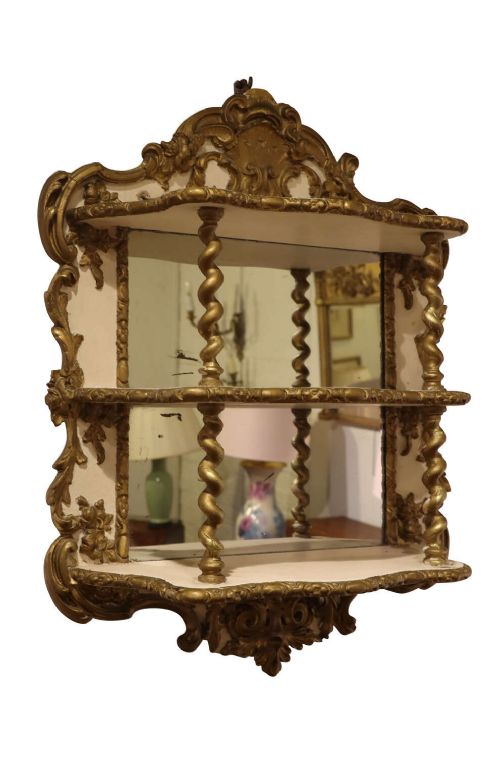
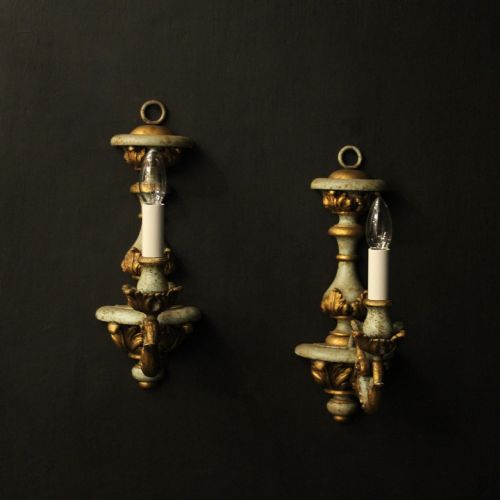
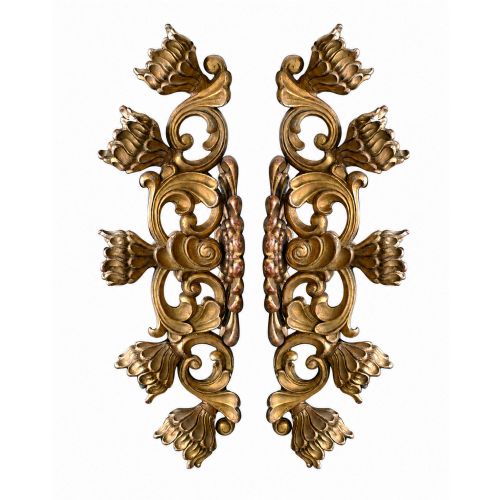
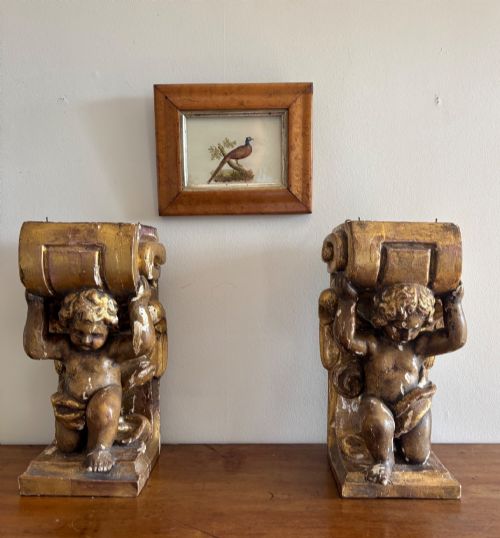
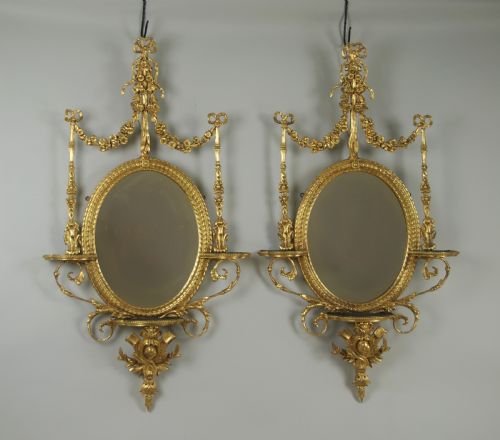
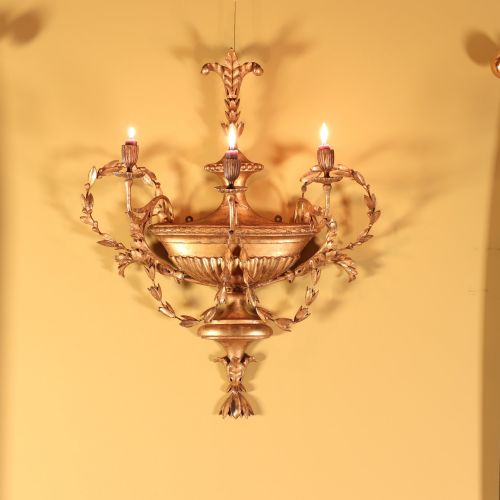
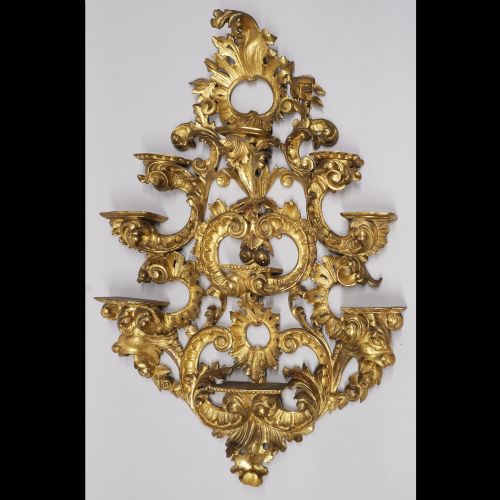
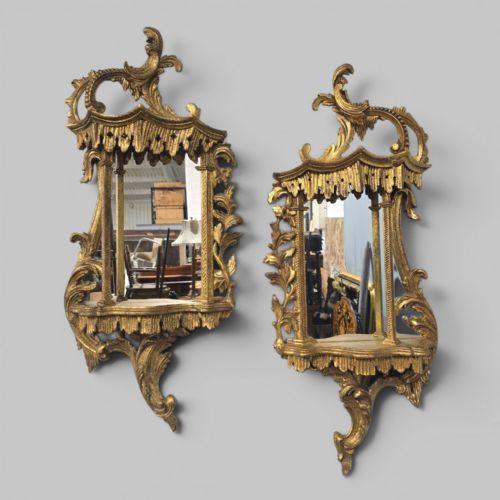
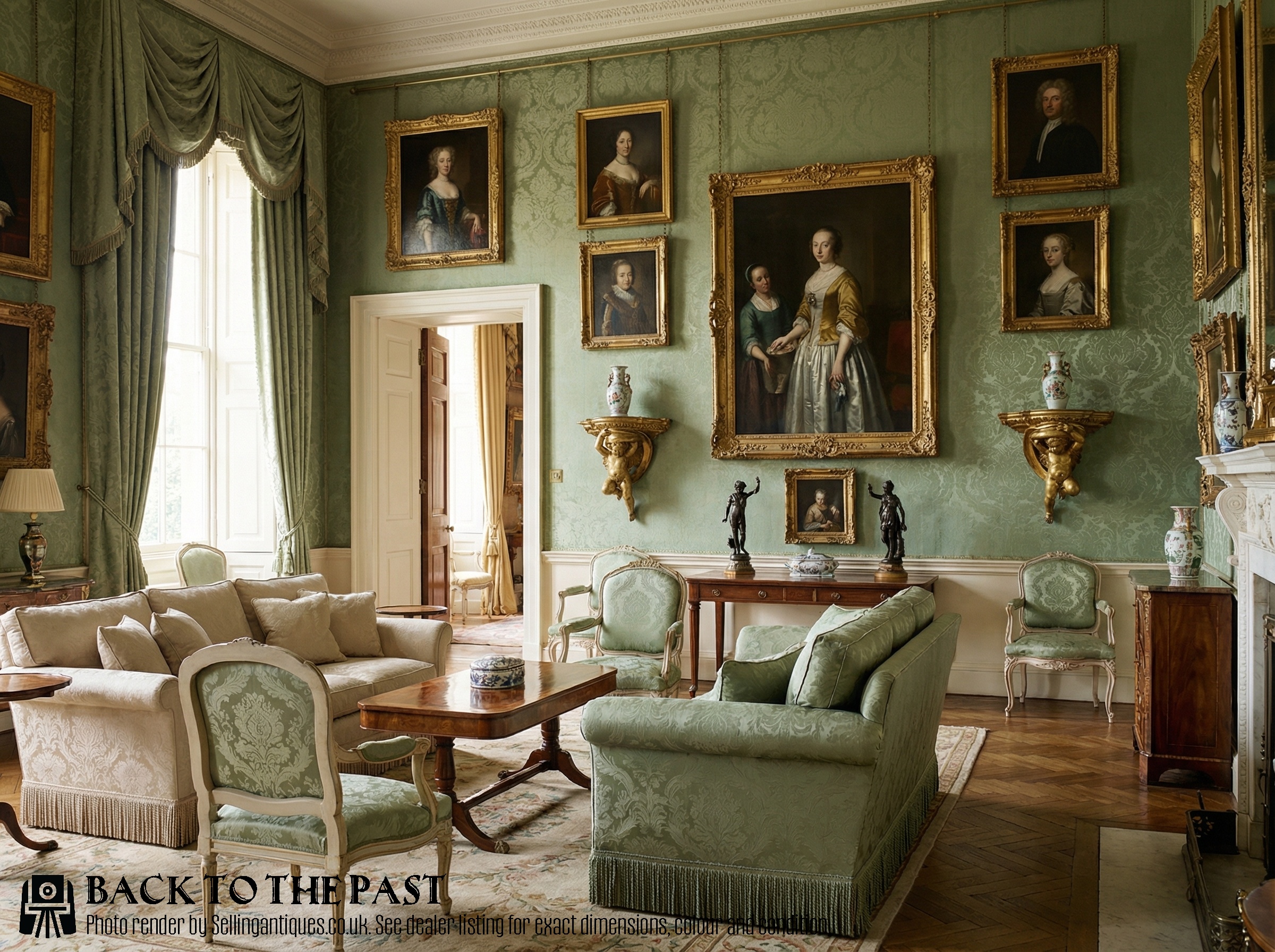
Giltwood wall brackets appear in various forms across this selection, including small cantilevered shelves, corner brackets, and mirrored display units designed to project from a vertical surface.
Many examples date from the nineteenth century, though the record includes eighteenth-century pieces alongside early twentieth-century revivals in Italian, French, and Florentine tastes.
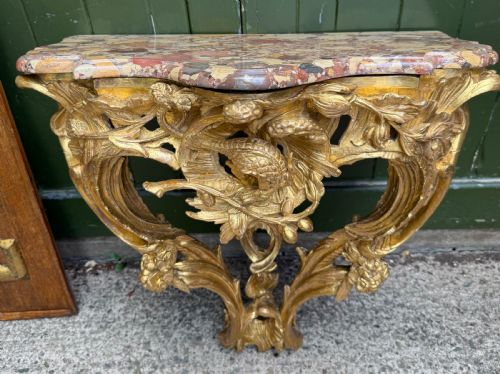
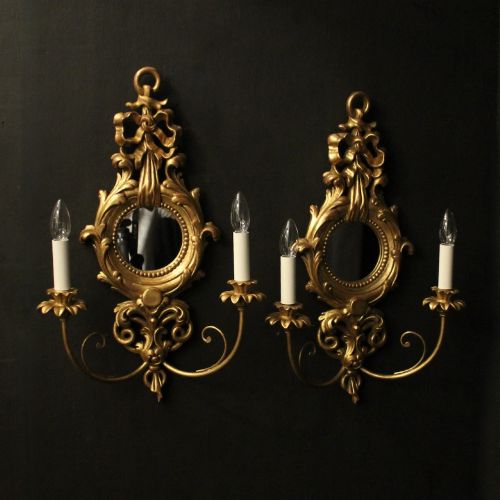
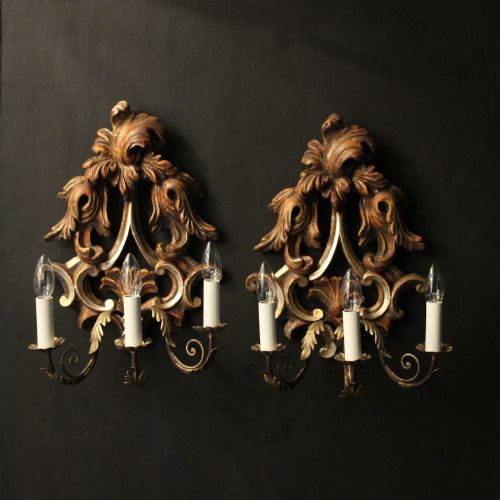
The objects frequently function as wall lights, sconces, or console tables with marble tops, combining decorative carving with practical display space for small items.
Materials and Construction
Carved wood provides the structural base for these pieces, often layered with gesso to create a smooth surface for the application of gold leaf or silver gilt.
Makers occasionally combined wood and metal, incorporating glass panels, mirrored backplates, or marble tops such as breche d'alep into the overall design.
Giltwood Wall Brackets Retail Price Guide 2026
Typical asking prices for giltwood wall brackets among the pieces listed under this phrase on Sellingantiques today, from the lower quarter to the upper quarter. They describe what is for sale here now, not the wider market.
Materials recorded across the archive include gesso, marble, glass, and toleware alongside traditional carved wood and gold leaf.
Judging Quality and Execution
Depth and crispness of the hand-carved ornament distinguish finer examples, where crisp acanthus leaves or avian figures show confident tool work rather than soft, moulded contours.
The integrity of the original gilding and gesso layers determines the visual impact, as aged gold leaf reflects light with a warmth that flat modern paints or heavy over-gilding fail to match.
Strahan of Dublin
The Giltwood Wall Brackets Glossary
- Giltwood
- Wood that has been coated with gold leaf. This finish creates a luminous metallic surface characteristic of formal antique furniture.
- Gesso
- A plaster-like mixture applied to wood as a base. It is carved and smoothed before the application of gold leaf.
- Sconce
- A wall-mounted lighting fixture designed to hold candles or electric bulbs. Many bracket designs incorporate arms for this purpose.
- Girandole
- An ornamental bracket with multiple branches for candles, frequently featuring an attached wall mirror. The reflective glass enhances the illumination.
- Pier glass
- A tall mirror designed to hang on the wall between windows. These often sit above a matching console table or bracket.
Giltwood Wall Brackets: Frequently Asked Questions
What is a giltwood wall bracket?
A giltwood wall bracket is a carved wooden shelf or support finished in gold leaf designed to mount directly onto a wall. They provide a decorative platform for displaying small porcelain figures, clocks, or urns.
These pieces range from simple single-tier ledges to elaborate mirrored designs incorporating candle arms. Their primary function is to add architectural interest and surface space without occupying floor area.
How were wall sconces used historically?
Historically, wall sconces held candles to illuminate rooms before the advent of gas lighting and electricity. The reflective giltwood surfaces and mirrored backs helped to amplify the limited candlelight.
Over time, many of these fixtures were adapted for modern electrical wiring while retaining their original decorative brackets. They typically hang in pairs on either side of fireplaces, doors, or windows for balanced illumination.
How do I distinguish eighteenth-century pieces?
Eighteenth-century brackets often display deep, hand-carved wooden forms executed in Rococo or Neoclassical styles. The underlying gesso and wood show age-related shrinkage cracks beneath worn gold leaf.
Later nineteenth-century and twentieth-century examples frequently adopt these earlier historicist vocabularies but differ in tool marks and the condition of the preparation layers. Examining the reverse of the timber helps reveal the age of the construction.
Where should I place a wall bracket?
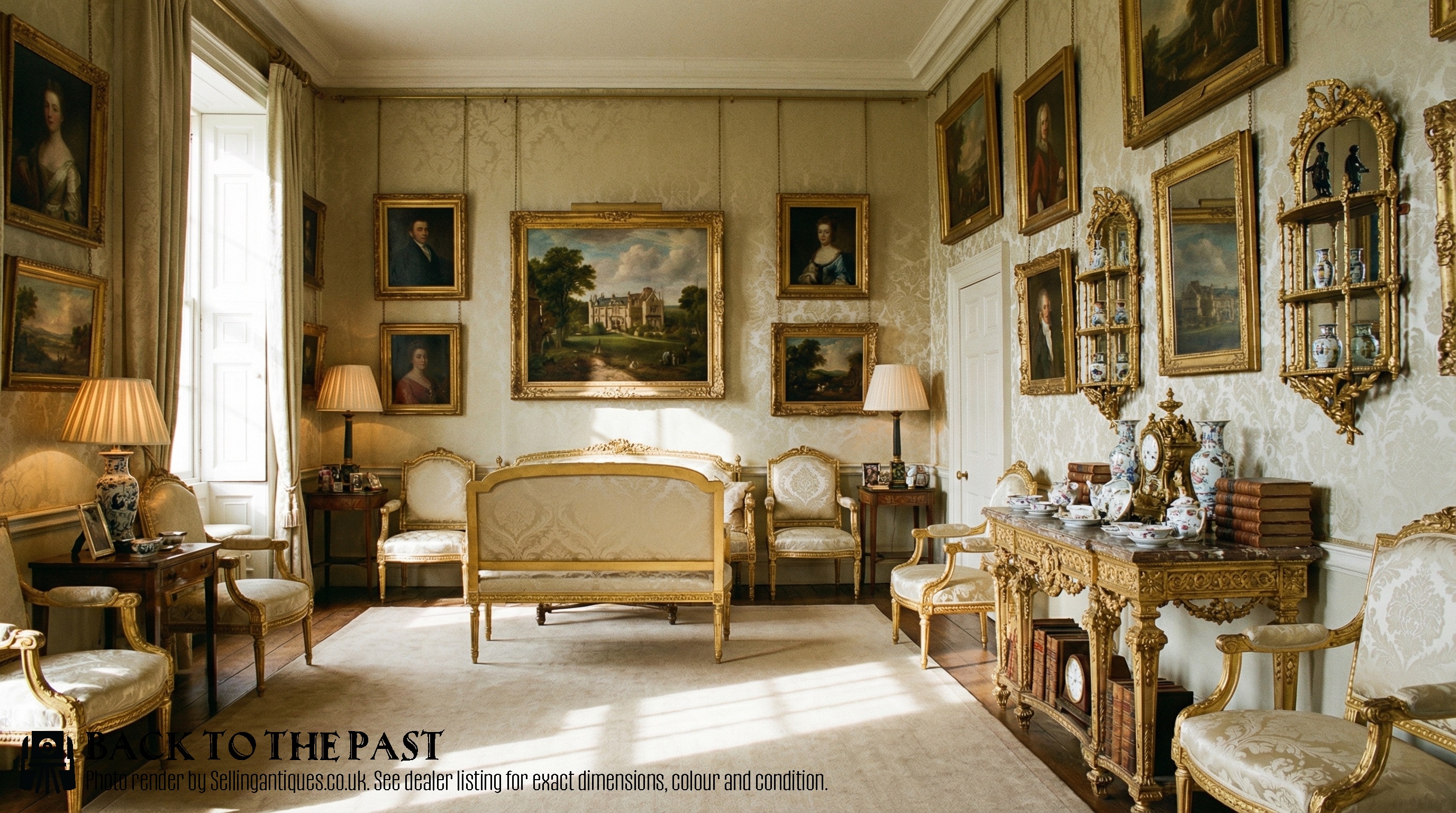
Wall brackets suit entrance halls, drawing rooms, or dining spaces where they draw the eye upward and utilise empty vertical wall space. Positioning them at eye level or slightly higher ensures displayed objects are viewed to advantage.
Secure mounting is essential because carved wood and marble tops carry significant weight. Pairing symmetrical brackets around a central mirror or doorway creates a formal focal point in a room.