
Victorian Ebonised Glass
Victorian ebonised glass brings together dark wood finishes and clear protective panes, offering both deep decorative contrast and period display.
Victorian Ebonised Glass
Victorian ebonised glass primarily encompasses display domes, cloches, and architectural cabinets where dark wooden frames enclose or sit beneath transparent glazing. These pieces range across the nineteenth century, drawing heavily on Aesthetic Movement tastes and the broader Victorian predilection for preserved specimens and curated displays.
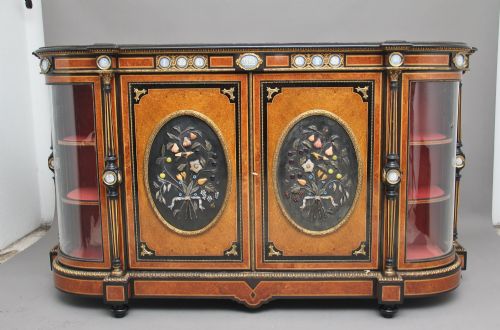
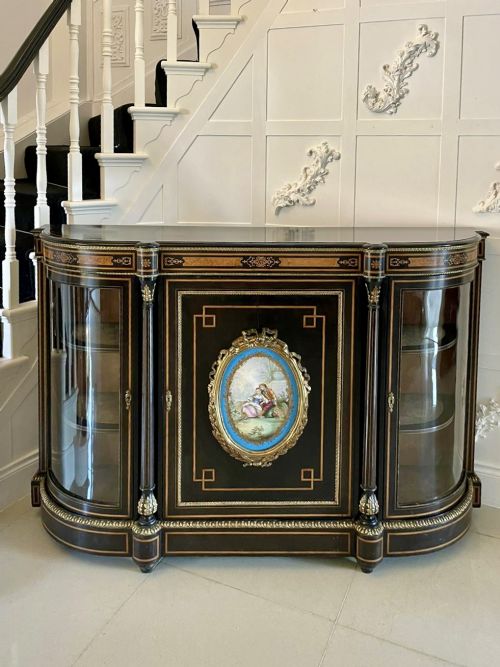
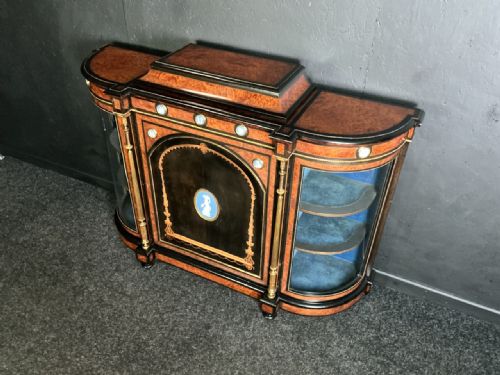
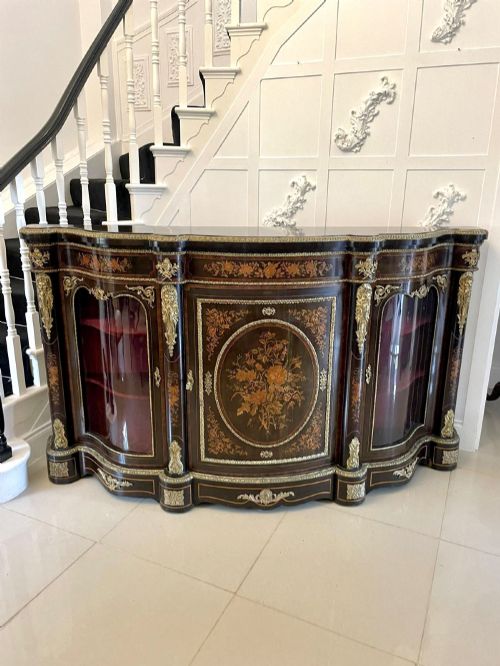
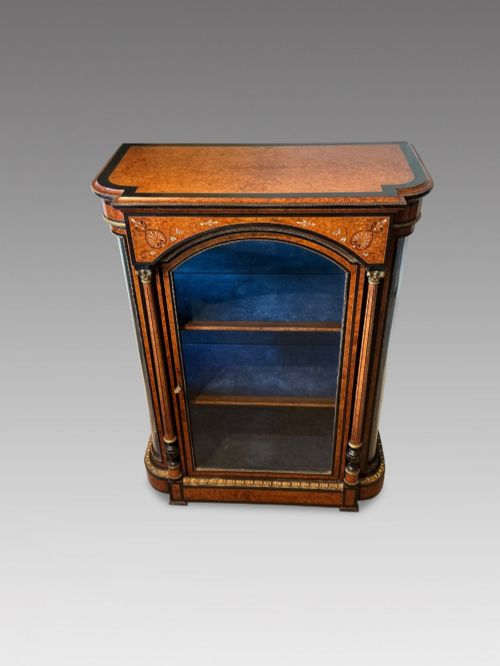
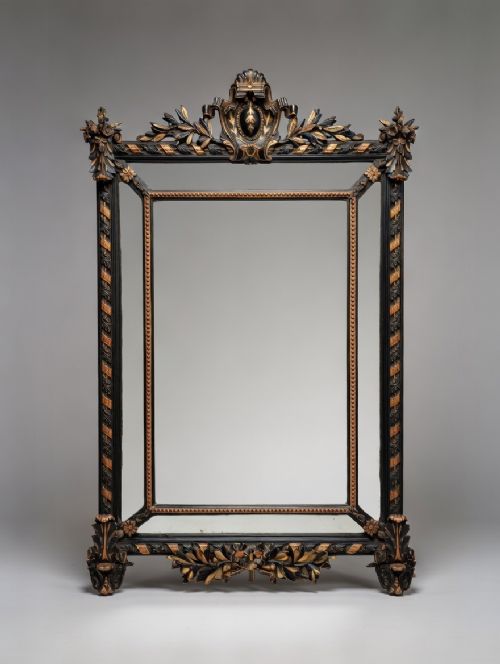
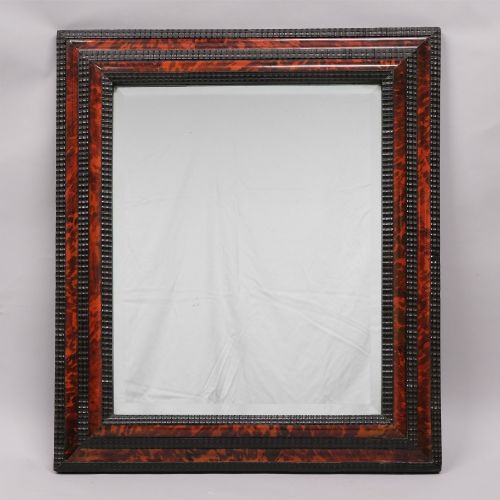
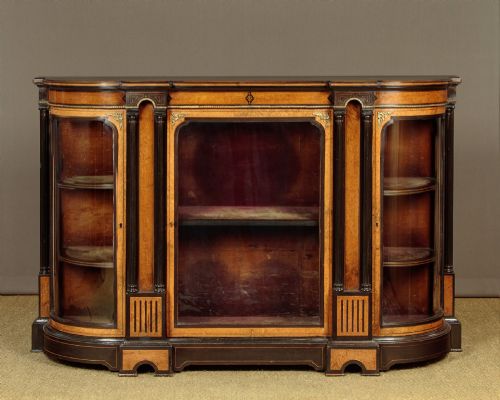
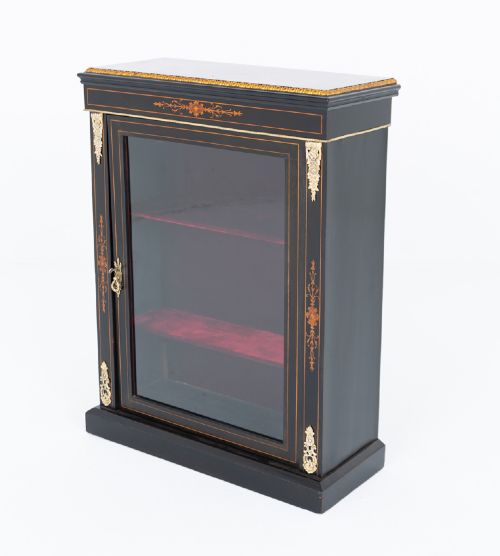
Credenzas, pier cabinets, and wall mirrors frequently combine ebonised timber with glass panels, sometimes incorporating amboyna, burr walnut, or brass inlay. Buyers meet these items in various domestic formats, from large breakfront bookcases to small taxidermy showcases resting on ebonised bases.
Materials and technique
Makers achieved the ebonised finish by staining and polishing hardwoods to imitate costly ebony, frequently pairing the dark surfaces with gilt highlights or contrasting veneers. Glass components relied on hand-blown techniques for domes and early panes, which occasionally reveal small bubbles and slight surface irregularities.
Mounts of ormolu, brass stringing, and porcelain plaques often accent the primary timber structure, while velvet linings frequently cushion the interiors of display cases and credenzas.
Listings demonstrate a frequent pairing of ebonised wood with burr walnut, amboyna, and ormolu mounts across nineteenth-century cabinets and mirrors.
Judging the range
The sophistication of the marquetry inlay and the crispness of parcel-gilt or ormolu mounts dictate the upper tiers of these pieces. Simpler utility frames and plain glazed doors sit at the base, whereas intricate brass detailing and figured wood panels elevate an item.
The survival of original blown glass components - particularly large domes and curved cabinet panes - substantially alters the standing of a piece compared to later replacement glazing.
Gillow
The Victorian Ebonised Glass Glossary
- Ebonised
- Timber treated with stain and polish to simulate the dark, dense grain of ebony. This finish was widely favoured during the nineteenth century for cabinets and mirror frames.
- Credenza
- A low dining-room sideboard or display cabinet, often featuring glazed central doors flanked by curved side compartments. In Victorian examples, these frequently combine ebonised wood with marquetry.
- Pier cabinet
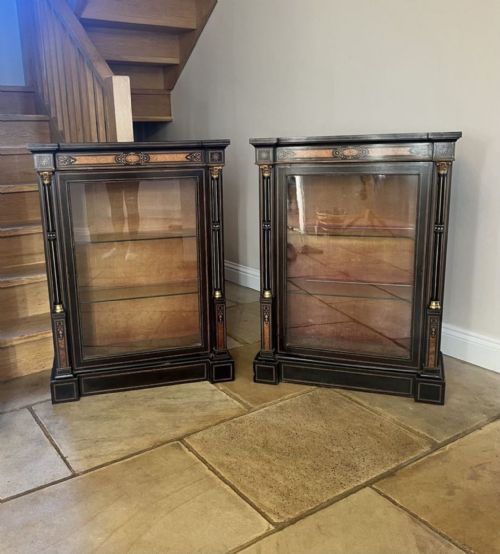
- A narrow display cabinet designed to fit the wall space between windows. These pieces frequently utilise glass panels and ebonised frames to showcase ceramics or curiosities.
- Cloche
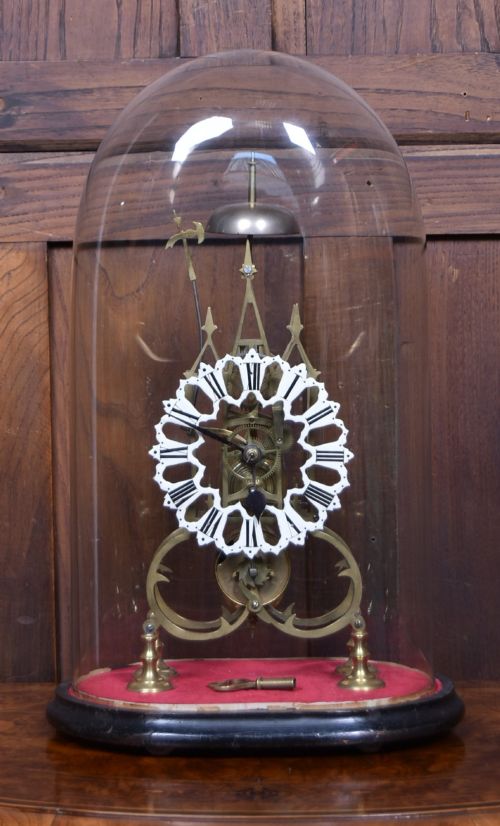
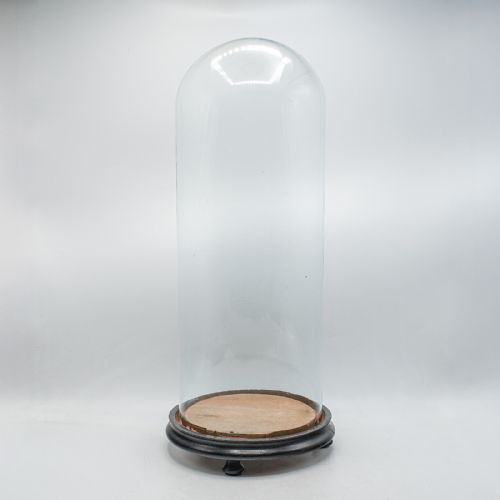
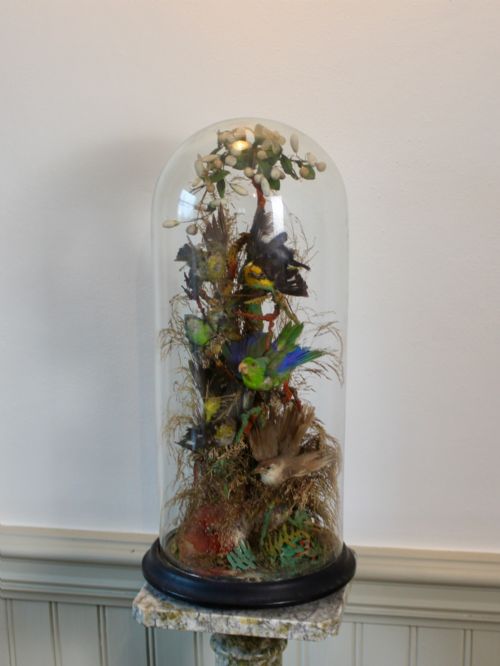
- A bell-shaped glass cover used to protect delicate items or taxidermy. They typically rest upon a shaped ebonised wooden base.
- Boulle
- Marquetry work consisting of tortoiseshell and brass inlaid in ornate scroll patterns. The technique appears on select high-end Victorian furniture.
Victorian Ebonised Glass: Frequently Asked Questions
What is an ebonised glass display dome?
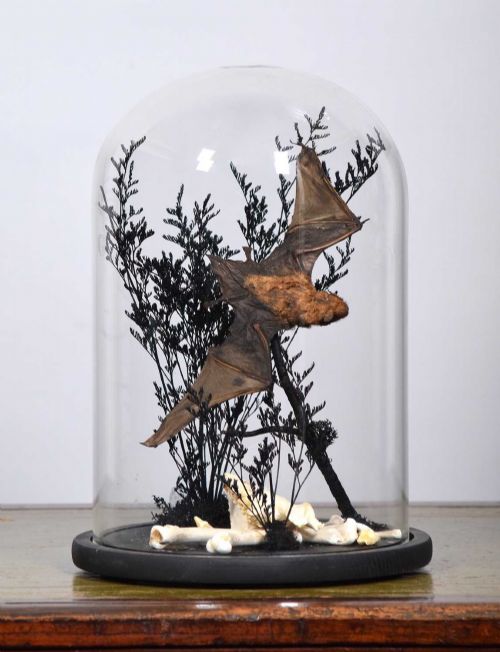
An ebonised glass display dome consists of a blown glass cover resting on a dark wood base. These enclosures protected delicate items such as taxidermy birds and botanical specimens from dust and moisture.
Victorians placed these showcases on mantelpieces and side tables as decorative ornaments. They allowed owners to display fragile collections safely within the domestic parlour.
How do I identify an Aesthetic Movement piece?
Aesthetic Movement pieces often feature ebonised wood frames combined with minimal, elegant lines and Japanese-inspired decoration. They reject heavy Victorian ornamentation in favour of simplicity and artistic harmony.
Look for contrasting gilt highlights, parcel-gilt carvings, and subtle inlay work. These items emphasise visual balance and natural motifs rather than rigid symmetry.
Where were pier cabinets placed?
Pier cabinets stood against the narrow section of wall between two windows, known as the pier. Their shallow depth allowed them to fit tightly into these architectural spaces without blocking light.
These cabinets typically housed porcelain or small collectibles behind glazed doors. The reflective glass and dark ebonised wood helped brighten darker corners of Victorian rooms.
Are these mirrors suitable for daily use?
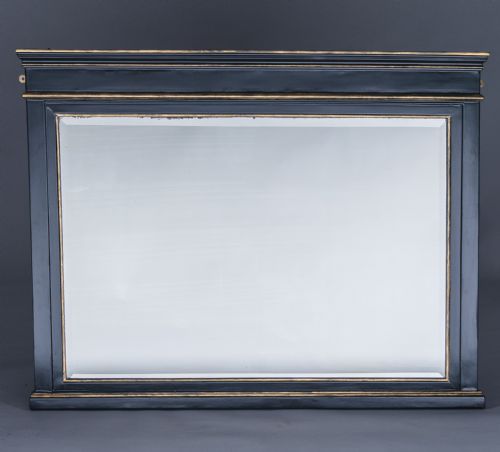
Victorian overmantle and wall mirrors function well in modern interiors above fireplaces or in hallways. Their heavy ebonised frames and bevelled glass provide robust construction and clear reflection.
When hanging these pieces, ensure the wall fixings support the considerable weight of the timber and glass. Original mirror plates often display light foxing, which adds period character without impeding use.