

Victorian Ebonised Desk
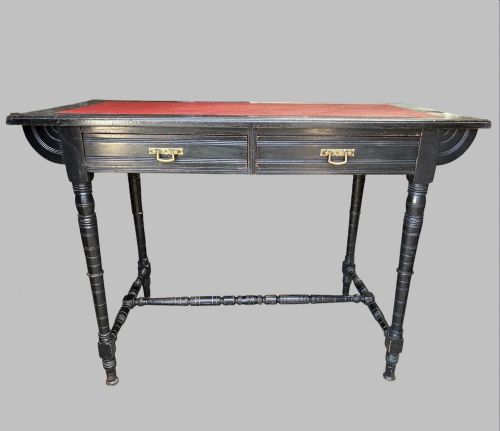
A victorian ebonised desk brings dark, polished theatre to a study, offering a dramatic writing surface finished in blackened timber.
What a victorian ebonised desk is
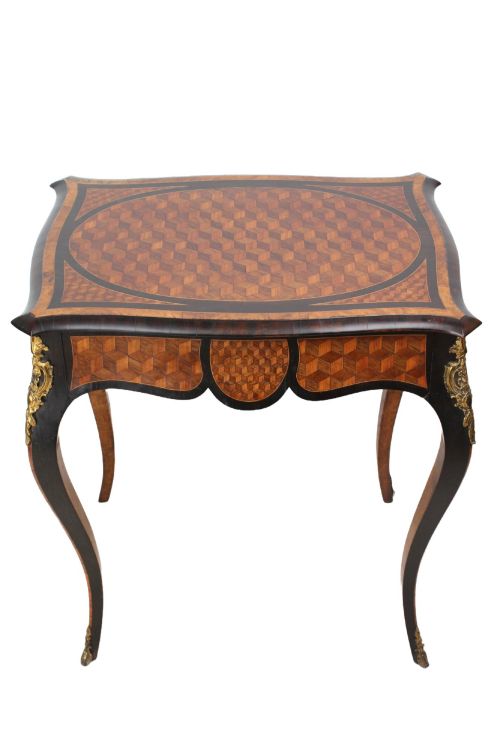
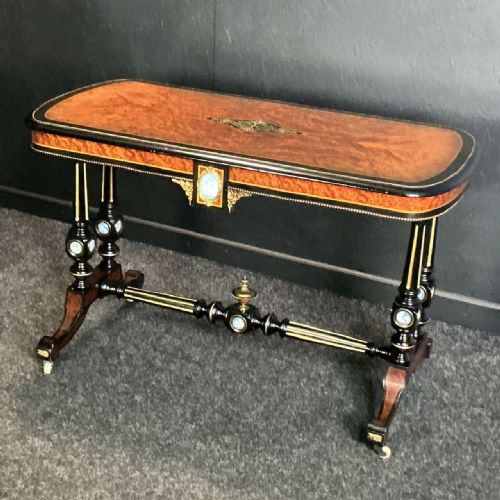
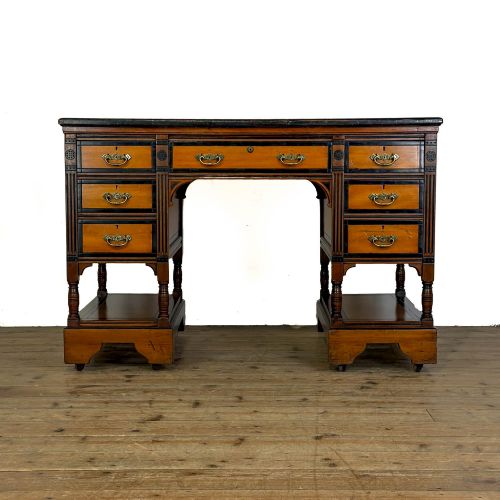
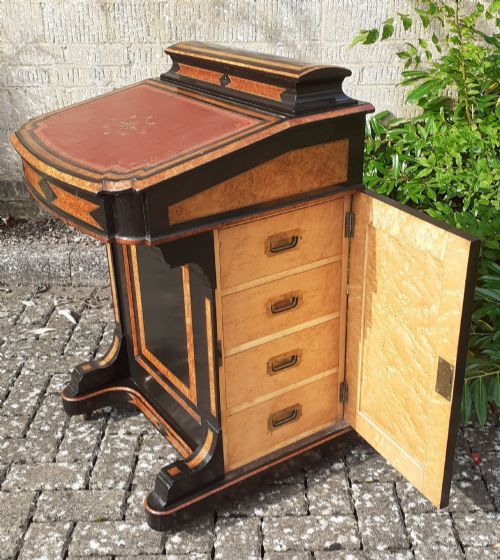
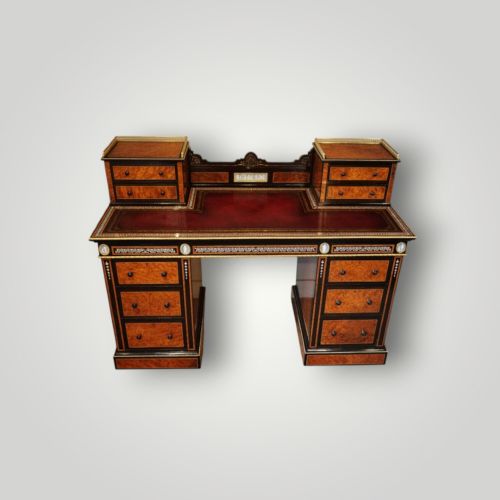
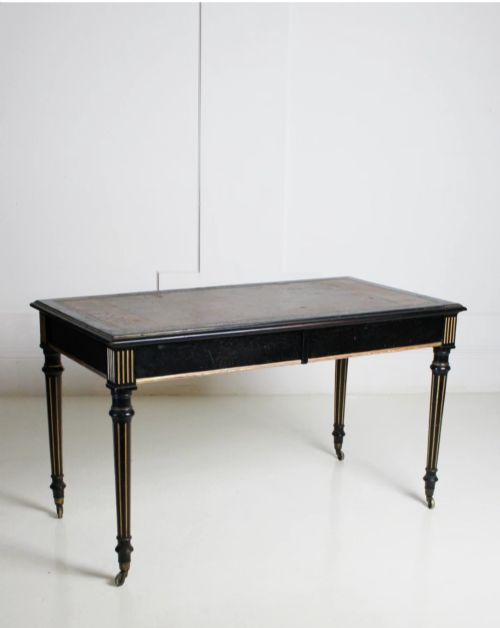
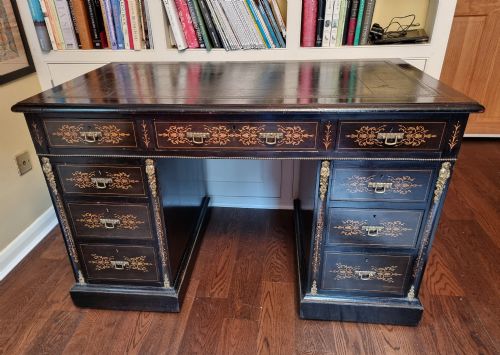
A victorian ebonised desk takes many forms across the nineteenth century, ranging from simple library tables and kneehole pedestals to elaborate bonheur du jour writing cabinets and davenports. These pieces reflect the period taste for blackened timber, drawing on Aesthetic Movement, French Napoleon III and revival styles to create a striking silhouette in a room.
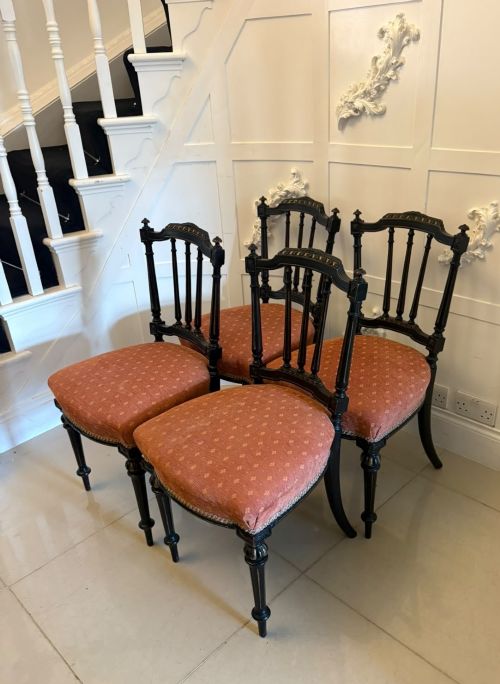
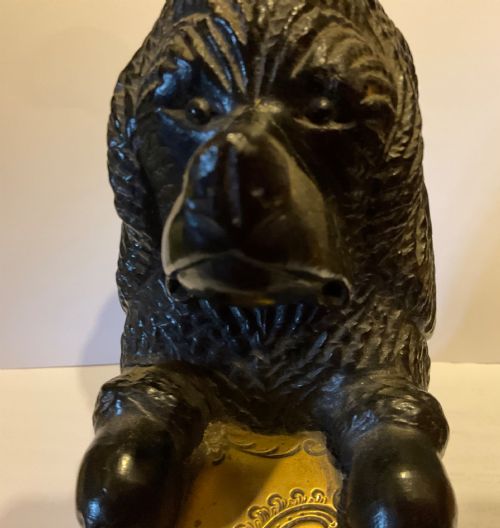
The archive and current selection show how versatile this form remains, incorporating compact ladies writing desks alongside larger pedestal writing tables. Walnut, mahogany and burr walnut form the structural timber beneath the dark finish, occasionally paired with matching chairs or fitted with pen stands and inkwells.
How they were made
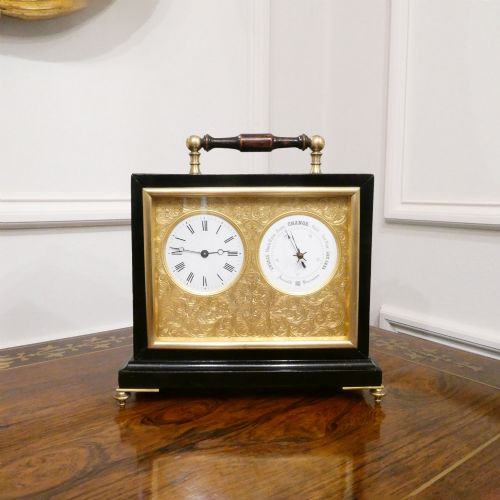
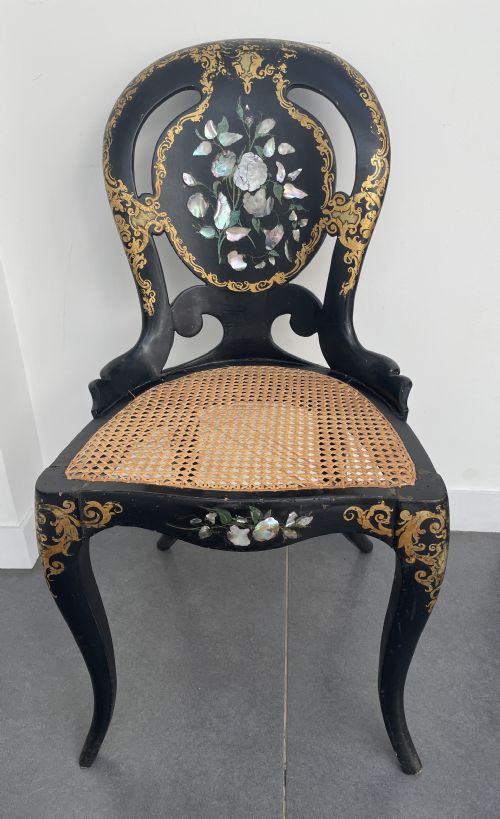
Makers achieved the characteristic dark finish by applying layers of stain and polish to common or pale timbers to imitate expensive ebony. Many examples integrate brass strapwork, ormolu mounts, gilt highlights or Sevres style porcelain plaques into the ebonised surfaces.
Inlaid details in burr walnut, mother of pearl and paint contrast with the blackened body, while leather writing inserts provide a functional surface. Secondary woods like mahogany support the primary structures, joined with the standard cabinet-making techniques of the nineteenth century.
Retail Price Guide 2026
Typical UK retail prices for victorian ebonised desk, calculated from the Sellingantiques database of over a million retail prices indexed since 2003. This retail price guide relies exclusively on Sellingantiques data; no external sources or auction records are used, so the figures do not describe the wider market.
Listings feature 19th-century, Victorian and Edwardian periods alongside styles from the Aesthetic Movement and French Napoleon III.
What varies in quality
Quality rests upon the depth and durability of the ebonised finish and the crispness of the gilt highlights, ormolu mounts and brass strapwork. Pieces that retain their original porcelain plaques, leather inserts and matching chairs demonstrate a higher degree of original design integrity.
The integration of secondary timbers such as burr walnut and mahogany beneath the black surface distinguishes standard production items from finer workshop pieces. Finer examples display meticulous attention to detail in their marquetry, inlay and structural joinery.
The Victorian Ebonised Desk Glossary
- Ebonised wood
- Timber treated with stain or paint to simulate true ebony. This dark finish gained immense popularity during the Victorian era.
- Ormolu
- Gilded bronze mounts applied to furniture. These decorative metal elements enhance the visual richness of French-influenced pieces.
- Bonheur du jour
- A small ladies writing desk featuring a tiered cabinet superstructure above the writing surface. These dainty pieces often incorporate drawers and pigeonholes.
- Davenport desk
- A compact box desk featuring a sloping, hinged writing lid above a pedestal of side drawers. This form combines storage with a modest footprint.
- Standish
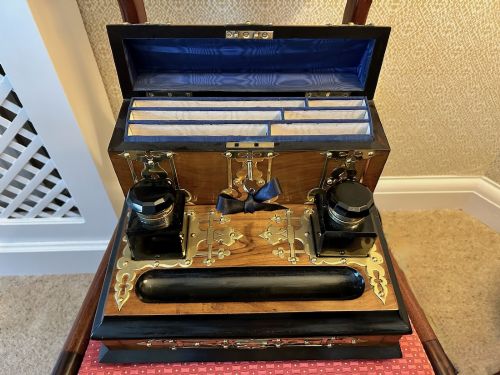
- An inkstand or tray designed to hold writing implements such as inkwells and pens. They frequently match the materials of the associated desk.
Frequently Asked Questions
How do I care for ebonised wood?
Dust regularly with a soft, dry cloth to prevent abrasion on the dark polished surfaces. Avoid direct sunlight and excessive moisture to protect the finish from fading.
Apply a microcrystalline wax sparingly when the timber appears dry, buffing gently to maintain the soft lustre without building up grease.
What is a bonheur du jour?
A bonheur du jour is a small, elegant ladies writing desk featuring a raised cabinet section with shelves or small drawers. Originating in France, it became a fashionable choice for Victorian drawing rooms.
The upper section allowed owners to store correspondence and stationery while using the fold-down or pull-out writing surface below for daily letters.
How do I spot an Aesthetic Movement desk?
Aesthetic Movement pieces often feature clean structural lines inspired by Japanese design, combined with ebonised finishes and subtle gilt highlights. They favour simplicity over heavy Victorian ornamentation.
You will frequently find contrasting woods, painted panels or stylized botanical motifs that reflect the philosophy of art for art's sake.
Are these desks suitable for daily work?
Many Victorian writing desks offer sturdy construction and adequate surface area for modern notebooks or laptops. Compact forms like davenports require careful consideration of knee clearance.
Leather writing surfaces provide a functional workspace, though antique surfaces benefit from protective blotters during heavy daily use.
What is a Davenport desk?
A Davenport is a compact desk featuring a sloping, hinged writing surface above a bank of side drawers. The pedestal design maximises storage in smaller rooms.
Many examples include a stationery box on the upper rear section and pull-out pen trays, making them remarkably efficient writing stations.