
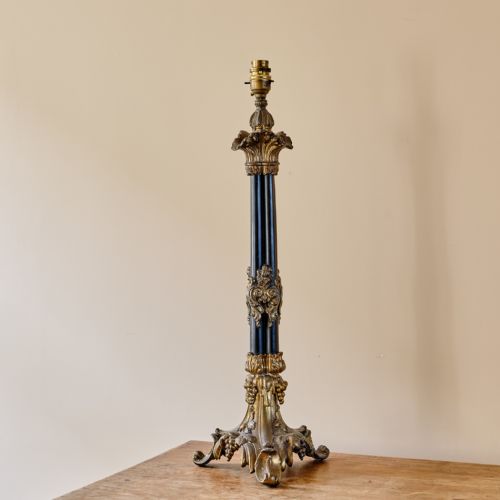
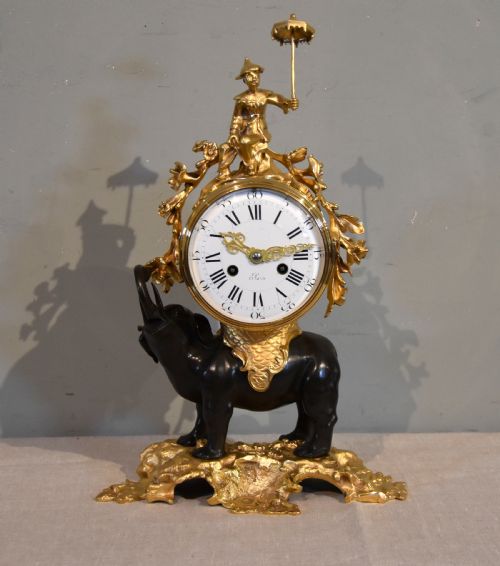
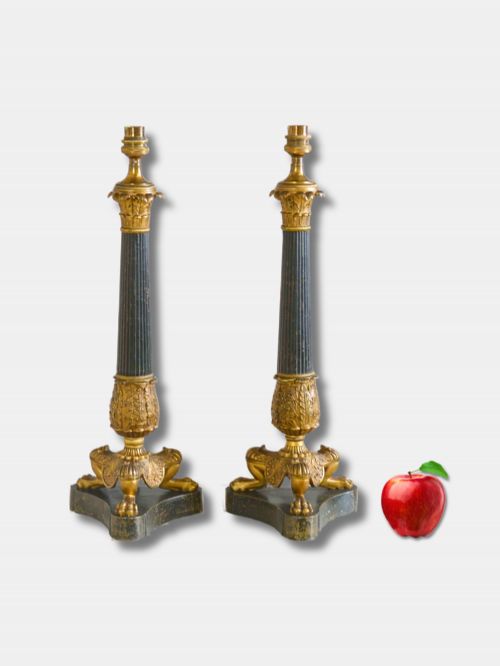
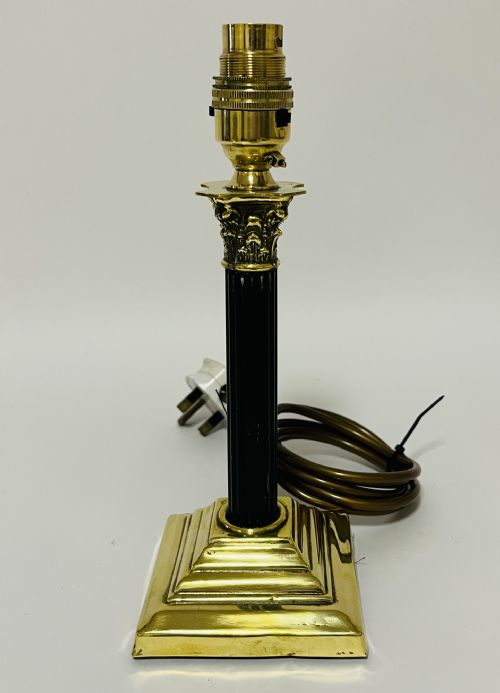


Black and Gold Desk
A black and gold desk brings dark surfaces and gilt detail into a room, offering a dramatic setting for daily writing.
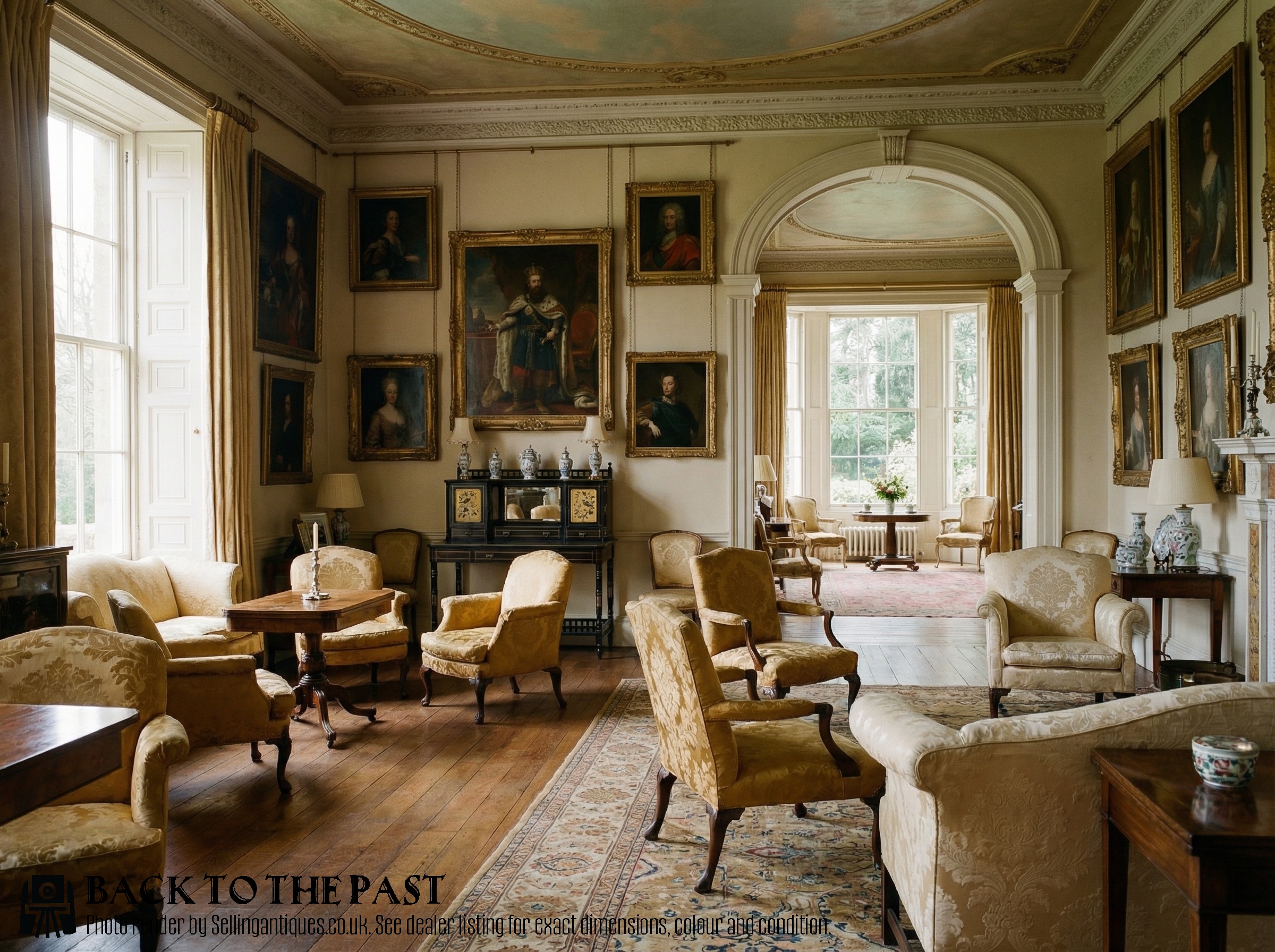
Black and Gold Desk
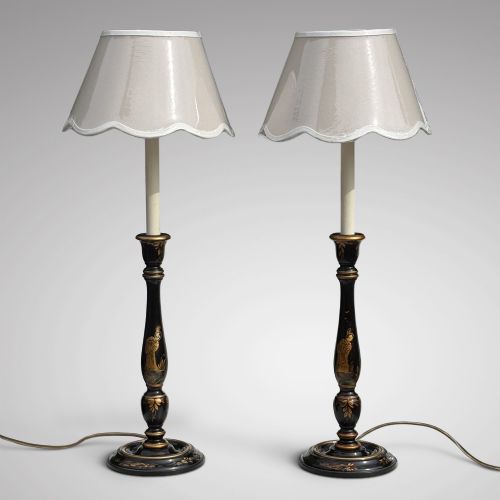
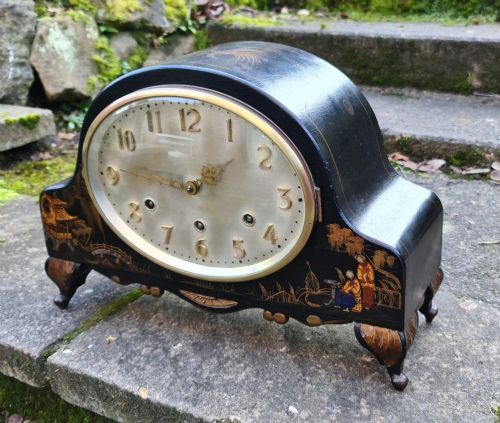
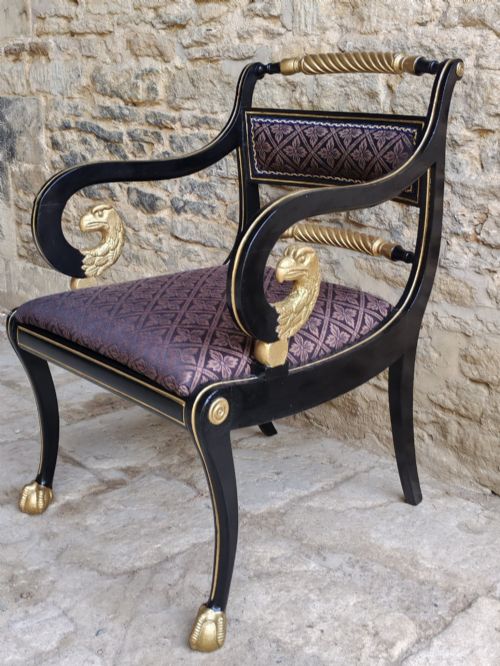
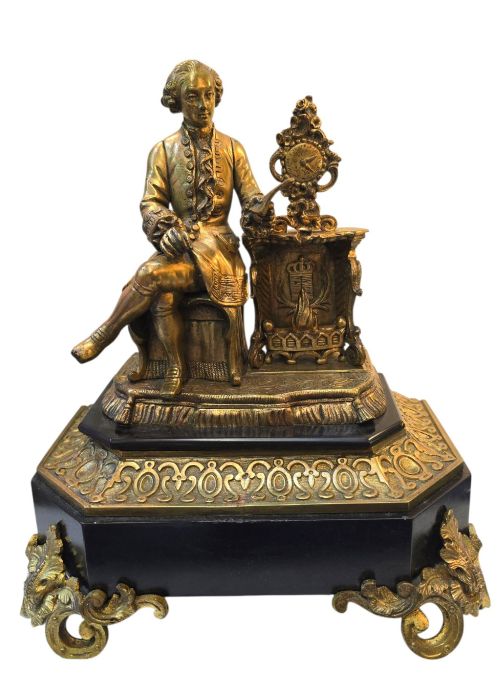
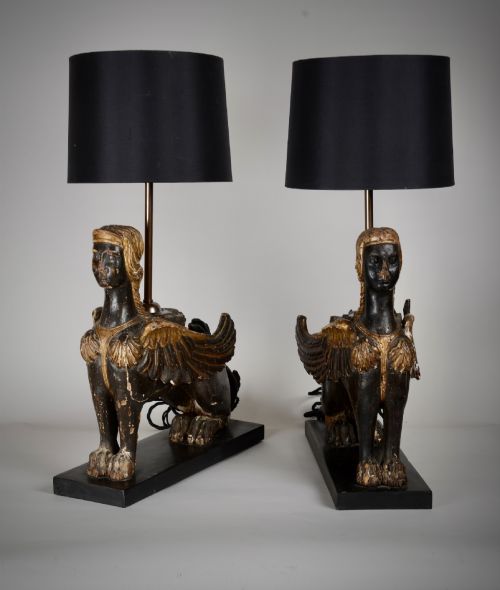
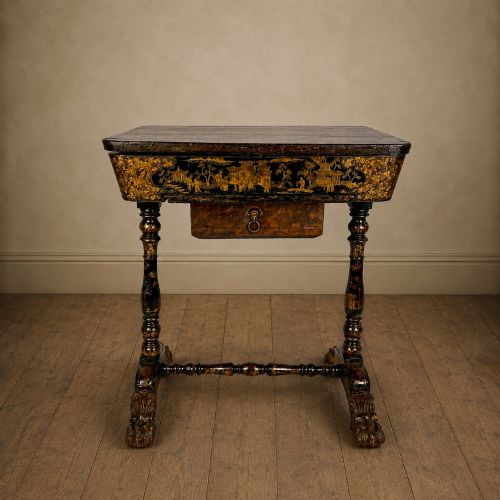
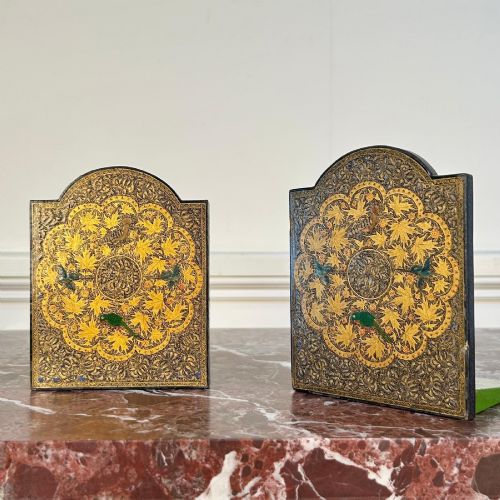
When searching for a black and gold desk, collectors encounter pieces finished in dark lacquer, ebonised wood, or toleware enriched with gilding. These surfaces catch the light in a room and provide a strong visual contrast against lighter walls.
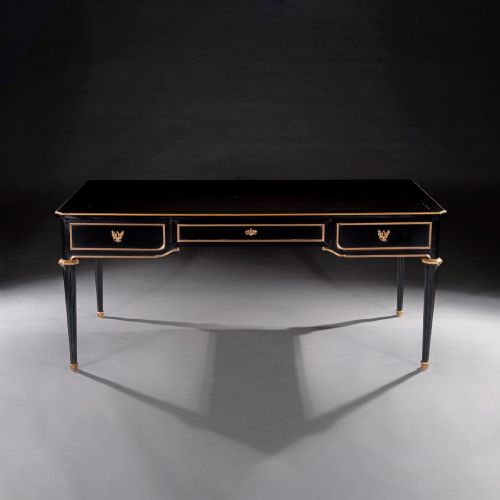
The selections available include writing tables, bureau plats, and escribed writing boxes from periods such as the Regency era, the Victorian decades, and the early twentieth century. Chinoiserie motifs and French Empire influences appear frequently among these furnishings.
Buyers select these forms to anchor a study or library with traditional dark finishes and metallic highlights. Each object reflects the decorative tastes of its specific period, ranging from geometric ebonised birch to ornate Japanned surfaces.
How they were made
Cabinet makers utilised dense timbers like birch, ebony, and general hardwoods, applying ebonising treatments or layers of dark lacquer to achieve deep black grounds. Artisans then hand-painted gilt scenes or applied gold leaf to create the characteristic metallic contrast.
Ormolu mounts, gilt bronze details, and brass fittings were cast and chased to adorn corners, feet, and edges. These metal elements were fastened with traditional joinery methods appropriate to the Regency, Victorian, and Edwardian periods.
What varies in quality
The refinement of the hand-painted gilding and the depth of the lacquer finish determine the standard of a piece. Superior examples display crisp detail in the gilt motifs and smooth, even surfaces on the ebonised wood.
Construction methods also separate standard items from finer works, visible in the stability of the writing surface and the precision of the brass or ormolu mounts. The integrity of the original wood ground beneath the black finish remains central to the overall standard.
Albert Marionnet·Paul Sormani
The Black and Gold Desk Glossary
- Ebonised
- Wood treated with stain or paint to imitate ebony. This dark finish appears across Victorian and Regency tables.
- Chinoiserie
- European imitation of Chinese artistic styles. This aesthetic produced many black and gilt lacquered surfaces.
- Ormolu
- Gilt bronze mounted on furniture or clocks. The technique involves applying a gold amalgam to bronze.
- Bureau plat
- A freestanding writing table with drawers in the frieze. These French desks typically feature leather writing inserts and gilt bronze mounts.
Black and Gold Desk: Frequently Asked Questions
How do I care for black and gold lacquer?
Dust surfaces gently with a soft, dry cloth to protect the delicate gilt decoration. Avoid liquid cleaners and direct sunlight to preserve the dark finish.
Keep the timber away from extreme temperature shifts to prevent the lacquer from cracking over time.
Are these desks suitable for daily writing?
Many of these pieces serve as functional writing tables with stable tops and accessible drawers. Leather or fabric inserts often provide a smooth surface for writing.
Consider the height and knee clearance of older writing tables to ensure comfort during extended use.
How can I tell the period of a desk?
Examine the underlying timber, construction joints, and style of the gilt ornamentation. Regency and Victorian pieces utilise different joinery methods and decorative motifs.
Comparing the specific shade of the ebonising and the style of the brass hardware helps confirm the date.
What rooms suit a black and gold desk?
These dark furnishings fit well into studies, libraries, and living spaces as statement focal points. The metallic gilding reflects natural and artificial light.
Pair the dark wood and gold tones with neutral walls to let the decorative surface details stand out.