


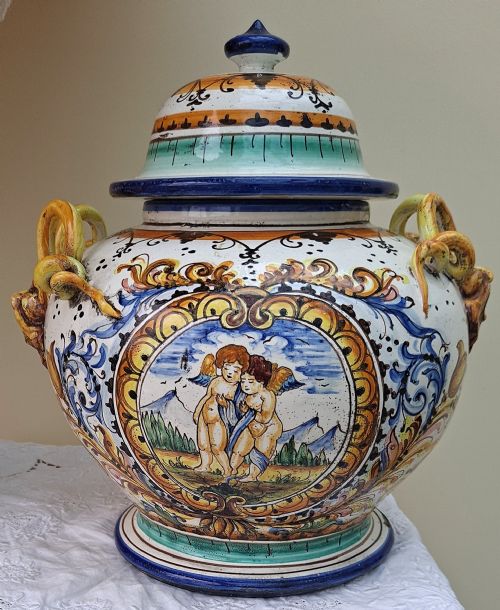


Victorian Earthenware Jar
These victorian earthenware jar pieces bring robust nineteenth-century utility and ornamental design directly to your mantelpiece or shelf.
Victorian Earthenware Jar
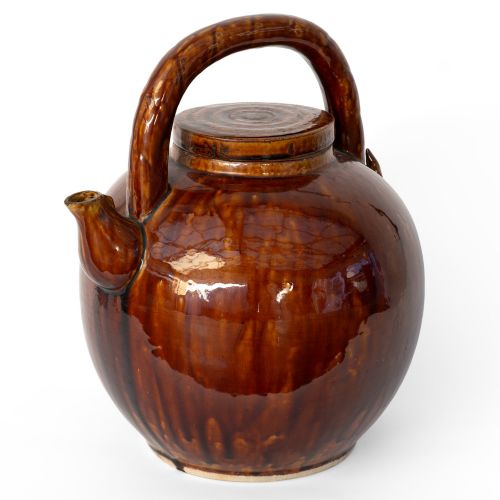
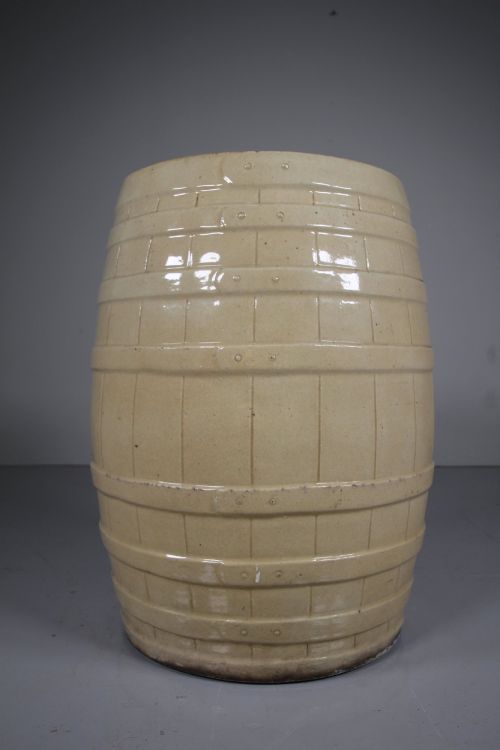
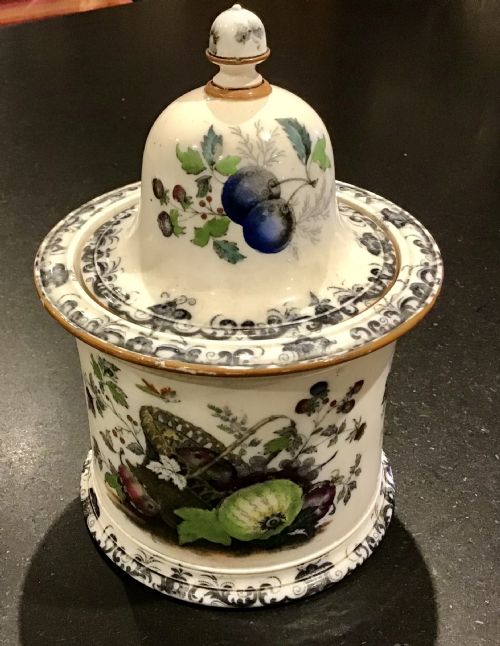
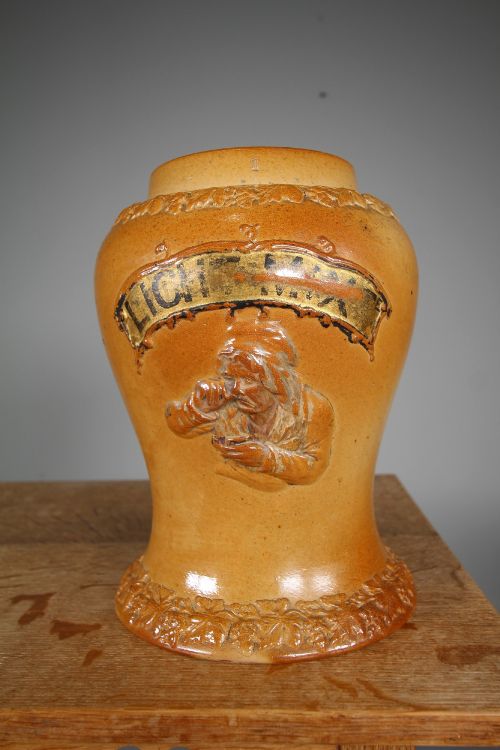
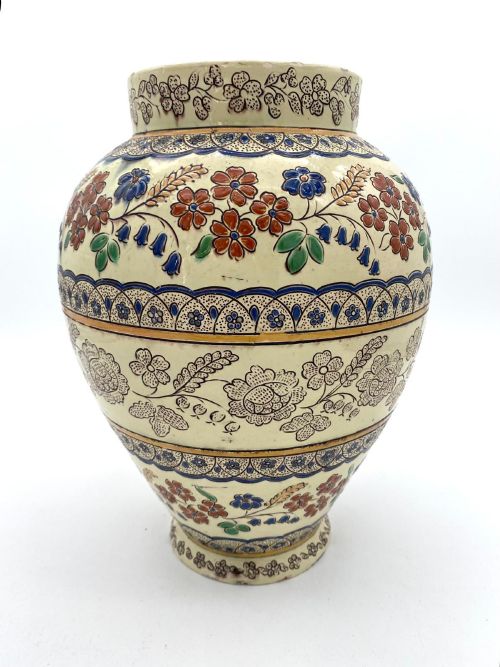
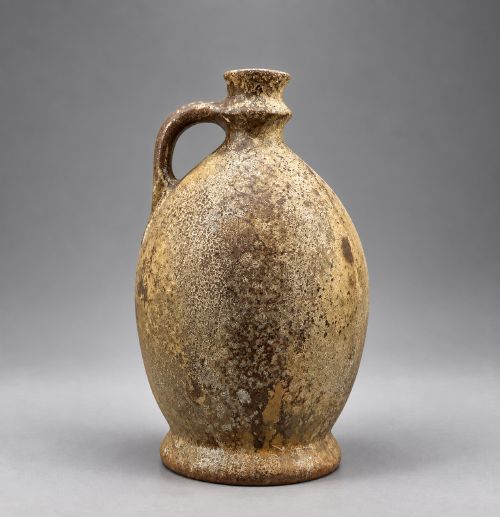
When you search for victorian earthenware jar examples, you encounter a robust selection of nineteenth-century vessels that served both practical storage and decorative roles. The pieces appearing here span tobacco jars, storage jars, flagons, and decorative urns from various periods across the 19th century.
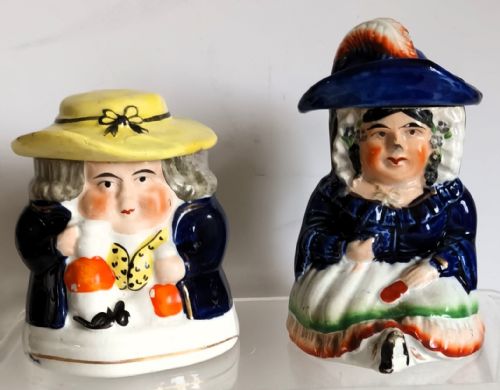
You are most likely to meet tobacco jars with covers, alongside glazed vases and decorative jars displaying Victorian Staffordshire, Arts and Crafts, or Chinoiserie styles. These forms reflect the diverse domestic and ornamental pottery production of the era.
How they were made
The makers utilised earthenware, terracotta, and ceramic bases, often finished with lead glazes or salt glazes to seal the porous clay bodies. Surface decoration frequently involved applied paint and gilding to enhance the visual appeal of the vessels.
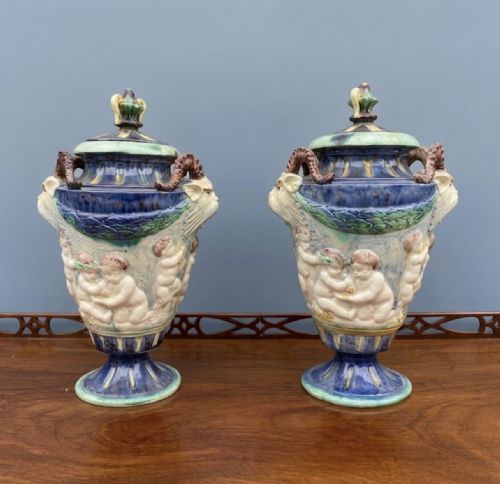
Firing techniques varied from simple earthenware kilns to more sophisticated majolica and faience processes, allowing potters to achieve intricate glazed finishes. Artisans also employed moulded forms, particularly for figural tobacco jars and lidded urns.
Victorian Earthenware Jar Retail Price Guide 2026
Typical asking prices for victorian earthenware jar among the pieces listed under this phrase on Sellingantiques today, from the lower quarter to the upper quarter. They describe what is for sale here now, not the wider market.
Listings span multiple nineteenth-century styles, incorporating earthenware, stoneware, and terracotta forms decorated with lead glaze and paint.
What varies in quality
The refinement of the glaze application and the crispness of the moulded detail distinguish finer vessels from simpler utilitarian containers. Richness in painted palette and the precision of gilding also elevate certain pieces above standard production wares.
The sophistication of the stylistic execution, whether in Renaissance Revival, Swiss Folk Art, or Victorian Chinoiserie, marks the tier of the piece. Well-preserved covers and matching lids significantly influence the integrity of the completed object.
Doulton Lambeth·Carlton Ware·Minton·Alice Euphemia Thatcher·Albert Carrier
The Victorian Earthenware Jar Glossary
- Earthenware
- Porous pottery fired at lower temperatures, requiring a glaze to hold liquids. It forms the core material for many nineteenth-century domestic vessels.
- Majolica
- A colourful, opaque lead-glazed pottery style popular during the nineteenth century. It produces vibrant surface effects on decorative urns and jars.
- Flagon
- A large vessel with a handle and sometimes a lid, used originally for holding liquids. Salt-glazed stoneware versions appear frequently among storage containers.
- Faience
- Tin-glazed earthenware decorated with painted designs before firing. This technique allowed makers to achieve detailed pictorial surfaces on vases and jars.
Victorian Earthenware Jar: Frequently Asked Questions
What were victorian earthenware jar pieces used for?
These vessels primarily served functional roles in the nineteenth-century home, holding tobacco, tea, or dry stores in domestic settings. Many were also manufactured purely as decorative urns or vases for display on mantelpieces.
Over time, their purpose shifted from everyday utility to collectible display items, appreciated for their varied nineteenth-century designs and regional pottery styles.
How do I care for my earthenware jar?
Keep your vessel away from direct sunlight and damp environments to protect the historic glaze and any delicate surface paint or gilding. Dust the surface gently with a dry, soft cloth rather than using liquid cleaners.
Avoid submerging porous earthenware in water, especially if the glaze shows fine historic crazing. Handle lidded jars carefully to prevent chipping the rims and covers.
How can I tell the period of a jar?
Look closely at the stylistic indicators, such as Renaissance Revival motifs or Arts and Crafts patterns, which point towards specific decades within the nineteenth century. Glaze characteristics and potting techniques also align with the manufacturing standards of the period.
Date marks, impressed pottery stamps, and named maker signatures can provide precise confirmation of the decade of production. Compare the form and decorative style against documented nineteenth-century examples.
Are all victorian earthenware jar pieces glazed?
Most pieces feature either a lead glaze or salt glaze to seal the porous earthenware body and provide a smooth, decorative surface. Some terracotta or unglazed sections may appear intentionally on specific artistic or folk styles.
Glazing methods changed depending on whether the vessel was intended for wet storage or dry goods like tobacco. Inspect the interior and exterior surfaces to understand the extent of the protective finish.