




Antique Pottery Container
An antique pottery container is a utilitarian vessel built to hold provisions or decorate a room, prized for its honest craft and surviving history.
Antique Pottery Container
An antique pottery container encompasses diverse forms designed for practical storage and display, ranging from biscuit barrels and sardine boxes to large water filters and planters. You encounter pieces spanning from the sixteenth century through the Edwardian era, reflecting both utilitarian farm use and refined parlour display.
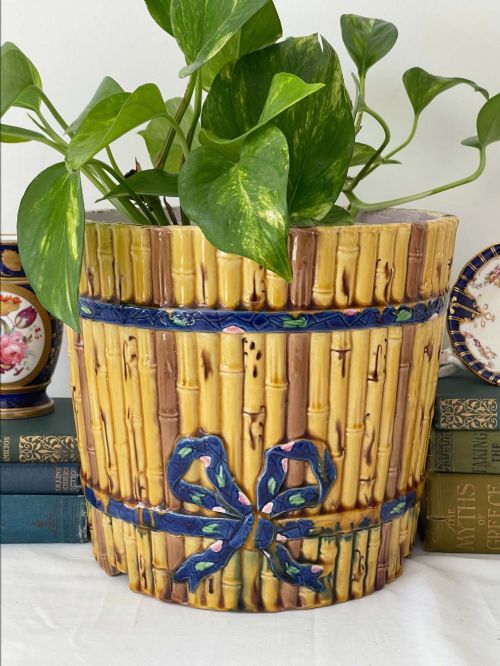
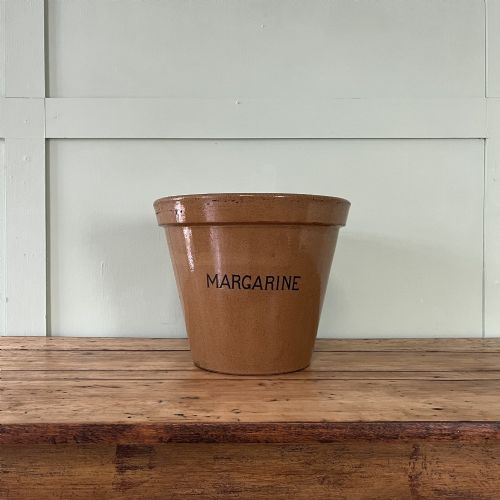
The selection here includes glazed stoneware storage crocks, majolica planters, and delicate ceramic butter dishes alongside early export wares and tin-glazed vessels. These items served daily domestic functions in kitchens and dining rooms before surviving as decorative collector pieces.
Materials and construction
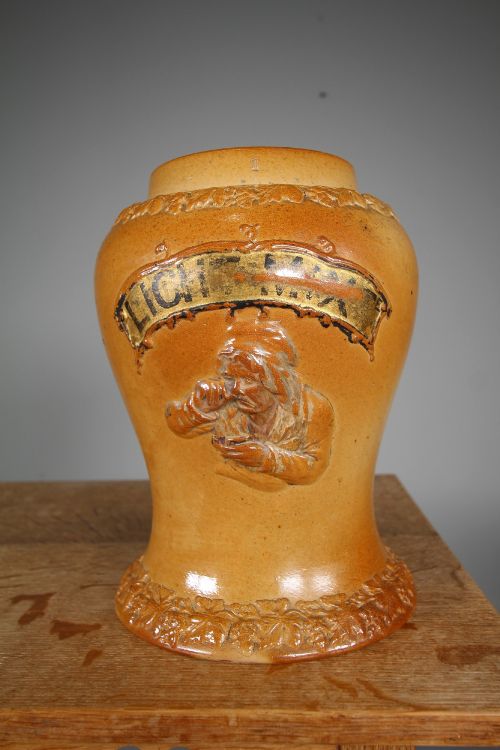
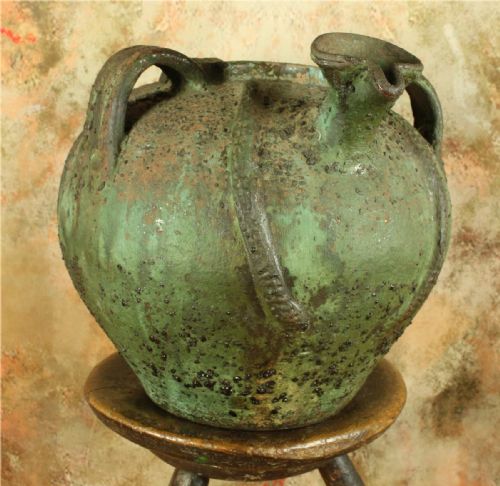
Potters utilised earthenware, stoneware, and creamware bodies, often finishing the surfaces with lead glazes, cobalt pigment, or tin enamel. Many containers incorporate applied ornamentation such as gold leaf or moulded relief details.
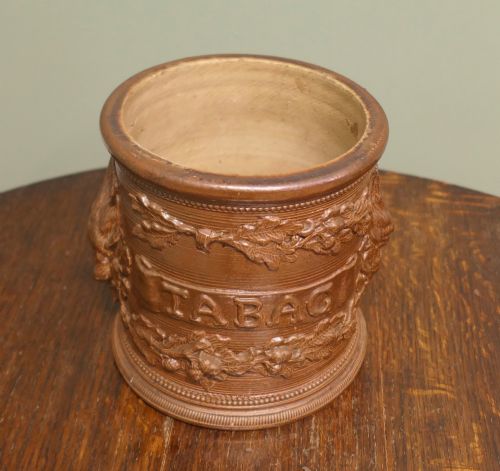
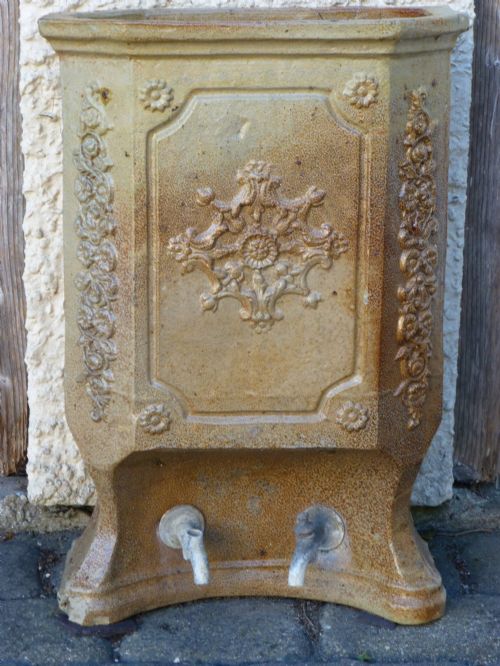
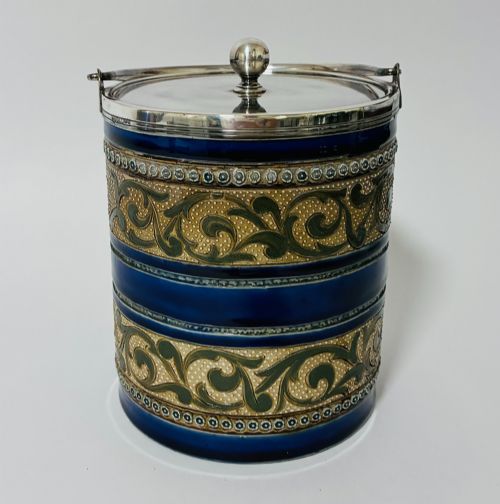
Functional pieces like salt-glazed stoneware filtration fountains and butter tubs required dense, impermeable firing to hold liquids and perishables safely. Metal mounts, including silver-plated rims and hinged covers, were frequently added to finished ceramic bodies to elevate their status.
Antique Pottery Container Retail Price Guide 2026
Typical asking prices for pottery container among the pieces listed under this phrase on Sellingantiques today, from the lower quarter to the upper quarter. They describe what is for sale here now, not the wider market.
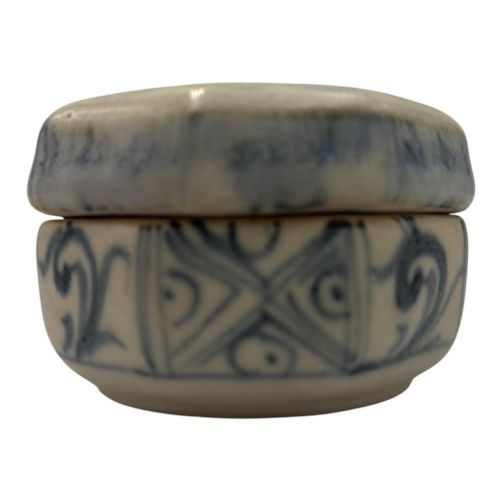
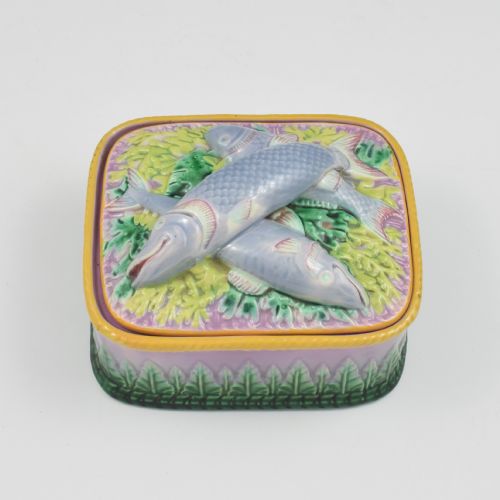
A sixteenth-century Vietnamese box shares shelf space with sardine boxes shaped to honour swimming fish.
Assessing quality and craftsmanship
Quality rests in the crispness of the moulding, the depth and stability of the glaze, and the successful integration of metal mounts. Superior pieces display controlled pigment application and well-balanced proportions without distortion from the kiln.
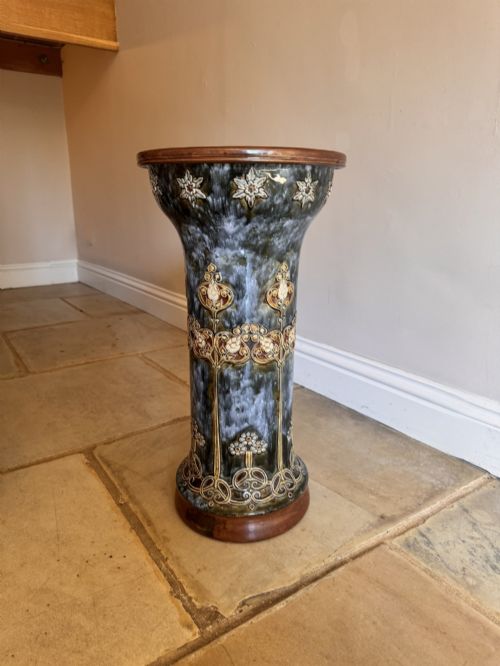
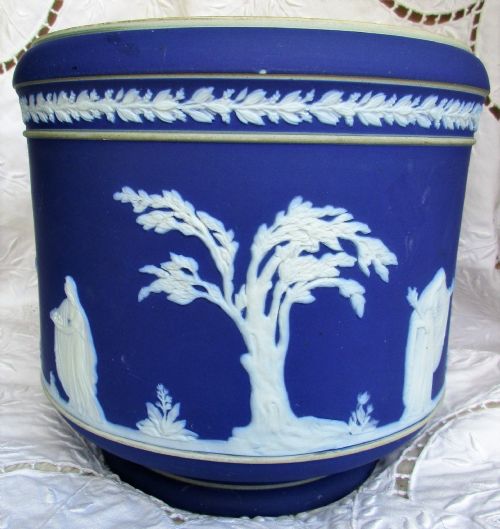
Makers known for technical excellence, such as Minton, Wedgwood, and Doulton Lambeth, achieved finer detail in relief work and greater consistency in their ceramic bodies. The survival of original covers and uncompromised structural integrity further distinguish high-grade specimens.
Doulton Lambeth·Minton·George Jones·Wedgwood·Spode·Limoges
The Antique Pottery Container Glossary
- Biscuit barrel
- A ceramic container fitted with a lid and often a metal handle, used in the nineteenth century for storing dry biscuits at the dining table.
- Majolica
- A type of earthenware covered with an opaque tin glaze and painted with brightly coloured metal oxides, widely produced during the Victorian period.
- Stoneware
- A robust, vitrified pottery body fired at high temperatures until non-porous, frequently utilised for storage crocks and water filtration vessels.
- Tin glazed
- Earthenware coated with a glaze containing tin oxide to produce a smooth, white, opaque surface suitable for hand-painted decoration.
- Flow blue
- A cobalt-printed ceramic style where the blue colour purposefully blurred slightly into the white glaze during firing, popular in the Edwardian era.
Antique Pottery Container: Frequently Asked Questions
What were biscuit barrels used for?
Victorian households used biscuit barrels to store dry sweet biscuits on the dining table or sideboard during tea service.
These covered containers typically featured ceramic bodies with silver-plated mounts and hinged lids to keep the contents fresh.
How do I clean an antique pottery container?
Dust the surface gently with a dry, soft cloth to remove everyday accumulation without risking the historic glaze.
Avoid submerging pieces with metal mounts or delicate applied decoration in water, as moisture can damage old adhesives and corrode plated hardware.
Are salt-glazed stoneware containers waterproof?
Salt glazing creates a dense, vitrified surface that naturally resists moisture, making these vessels ideal for holding liquids.
Such containers were routinely utilised for water filtration and food storage because the dense fabric prevented absorption.
How can I tell a Victorian container from an earlier piece?
Nineteenth-century containers often exhibit mechanical moulding techniques, brighter oxide colours, and machine-applied metal hardware.
Earlier pieces from the eighteenth century or before typically show greater variation in the clay body and hand-applied tin or lead glazes.