




Victorian Door Weight
These heavy victorian door weight pieces keep heavy doors ajar with lions, figures, and horses cast in metal.
Victorian Door Weight
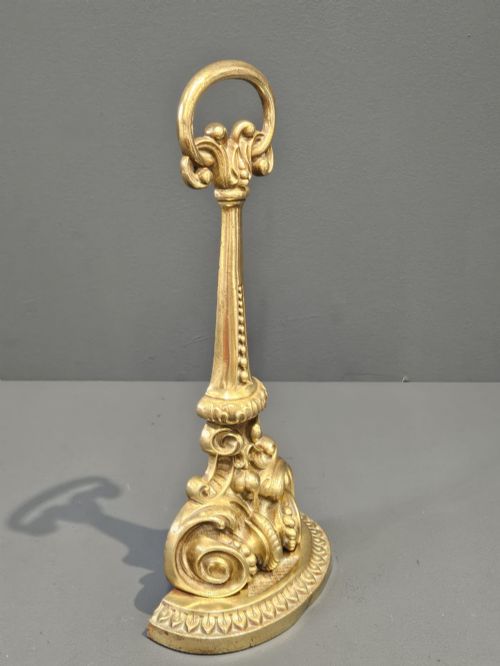
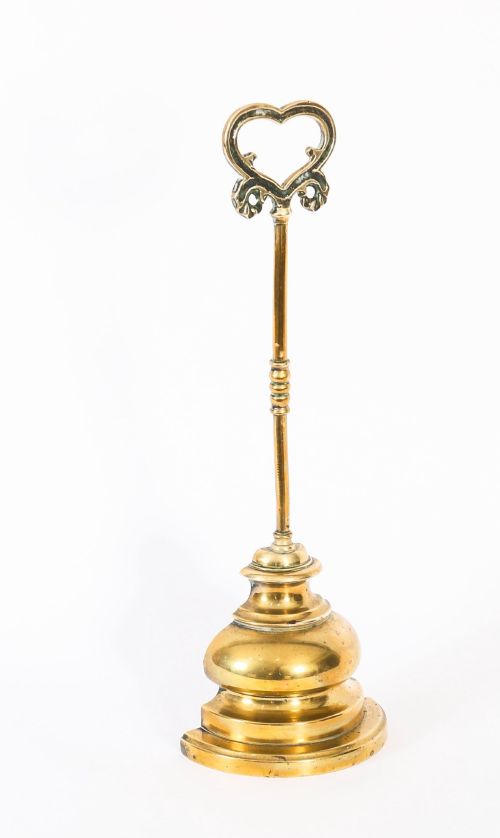
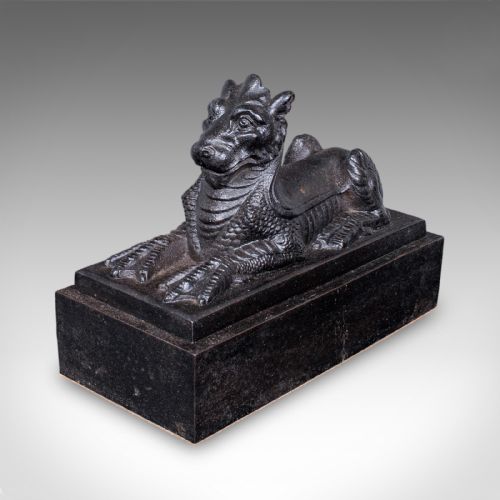
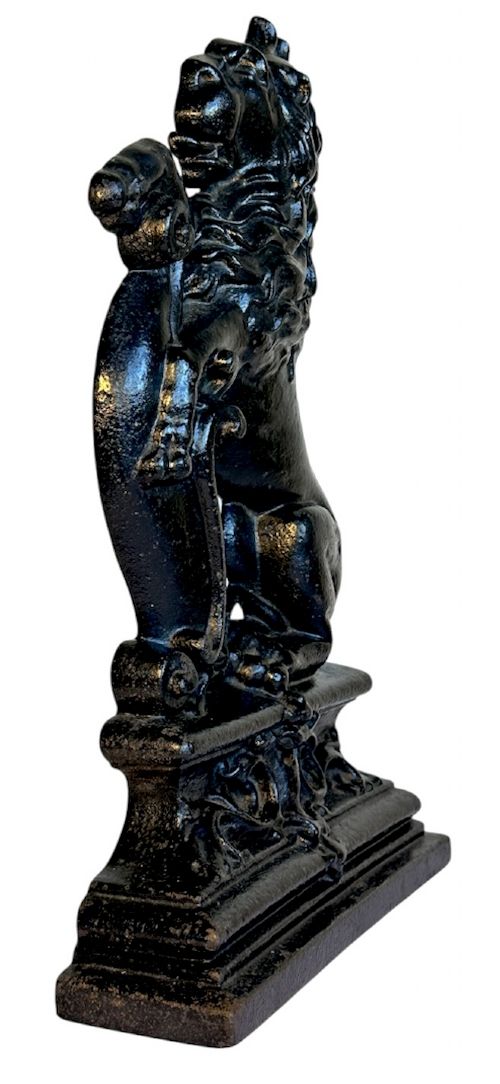
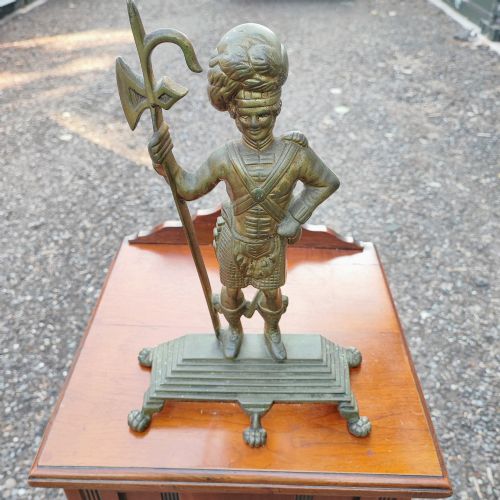
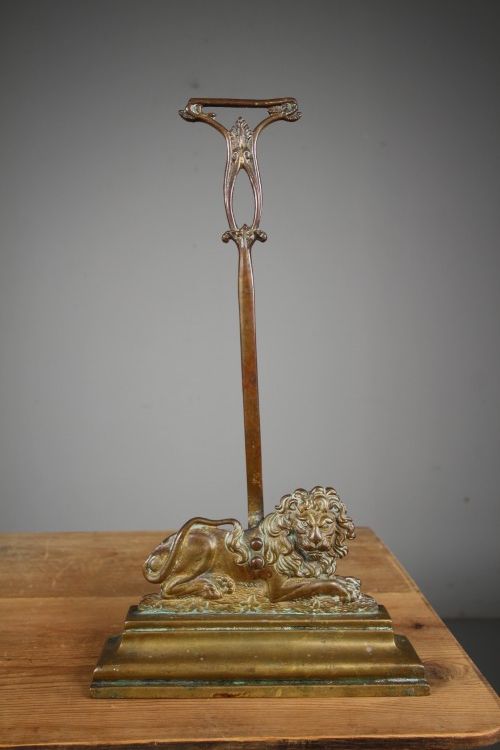
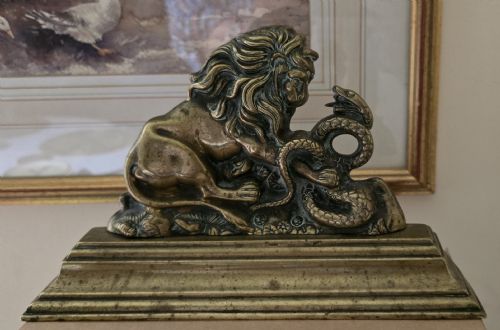
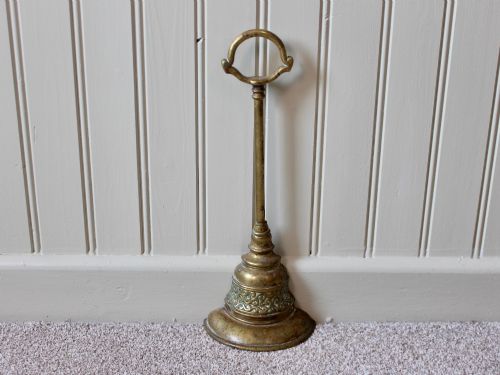
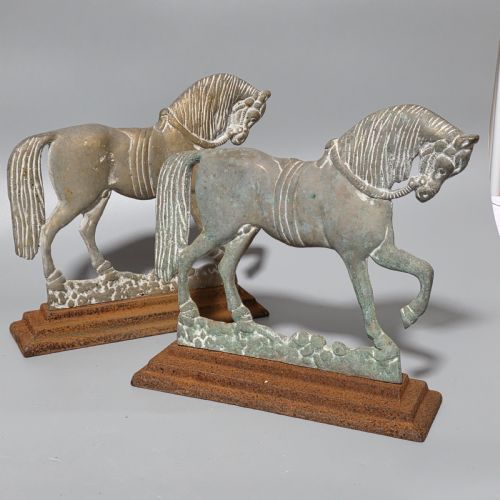
A victorian door weight, often called a doorstop or door porter, serves to prop doors open using substantial mass. The most common examples seen here take the form of lions, horses, Mr Punch, and soldiers.
Most pieces date from the nineteenth century, spanning decades from the eighteen-fifties through to nineteen-twenty. Makers produced both robust iron models and brighter brass castings for English homes.
Beyond animal and human figures, designs include cherubs, dolphins, and heraldic motifs. A smaller number of related horological items like wall clocks and longcase clocks occasionally appear alongside the door furniture.
Assessing quality in metal doorstops
Original painted surfaces on iron castings command greater interest than later repainting. Well-proportioned handles and substantial bases indicate better domestic utility and design execution.
Listings feature cast iron, brass, bronze, and glass materials across the Victorian and Georgian periods.
Tonks·William Tonks·Gustav Becker·James Wood
The Victorian Door Weight Glossary
- Door porter
- A heavy portable weight designed specifically to keep interior doors from swinging shut. These tall pieces often feature an upper handle for lifting.
- Doorstop
- A heavy object placed against a door to hold it open. They appear in numerous figural forms cast from iron or brass.
- Rampant
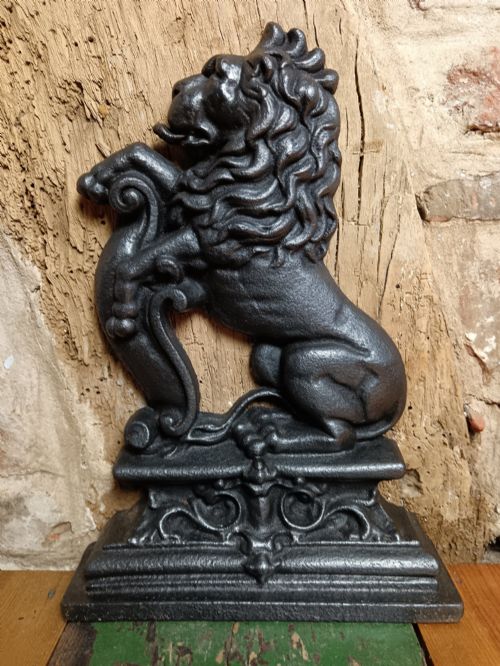
- A heraldic term describing an animal standing on its hind legs with forelegs raised. Lions depicted in this aggressive posture form a major category of door weights.
- Foundry
- A workshop where metal is melted and poured into moulds. Nineteenth-century ironworks and brass foundries produced these utilitarian decorative objects.
Victorian Door Weight: Frequently Asked Questions
What is a victorian door weight used for?
These heavy metal objects were placed on the floor to hold heavy interior doors open against draughts. Their substantial mass prevented doors from slamming in large nineteenth-century houses.
Today they function both as practical door holders and as decorative collectables reflecting Victorian interests in animals, heraldry, and popular characters.
How do I tell cast iron from brass doorstops?
Cast iron is heavier, magnetic, and usually finished with painted details or left dark. Brass has a golden yellow colour and does not attract magnets.
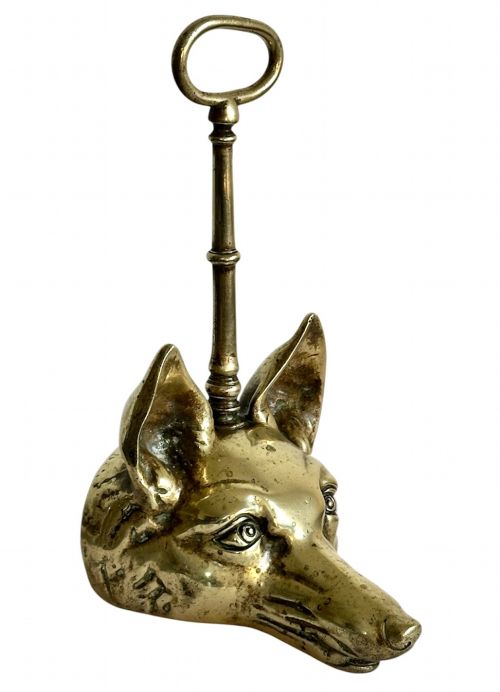
Iron examples often depict animals like lions or figures such as Mr Punch, whilst brass versions frequently feature polished finishes and integrated carrying handles.
Are these pieces weighted internally?
Many solid metal castings rely purely on their inherent weight to hold doors. Some designs incorporate lead filling or heavy iron bases to increase stability.
Heavier models prevent larger doors from moving, making the mass of the object crucial to its original function.
How should I clean a brass door porter?
Light dusting preserves the aged patina that collectors prefer on nineteenth-century metalwork. Aggressive polishing removes the historical surface character.
If cleaning is necessary, use a gentle cloth without harsh chemical abrasives to protect any original lacquering or surface texture.