



19th Century Door Weight
These 19th century door weight pieces are heavy metal utilitarian objects designed to hold doors open, prized for their robust foundry work and characterful domestic forms.
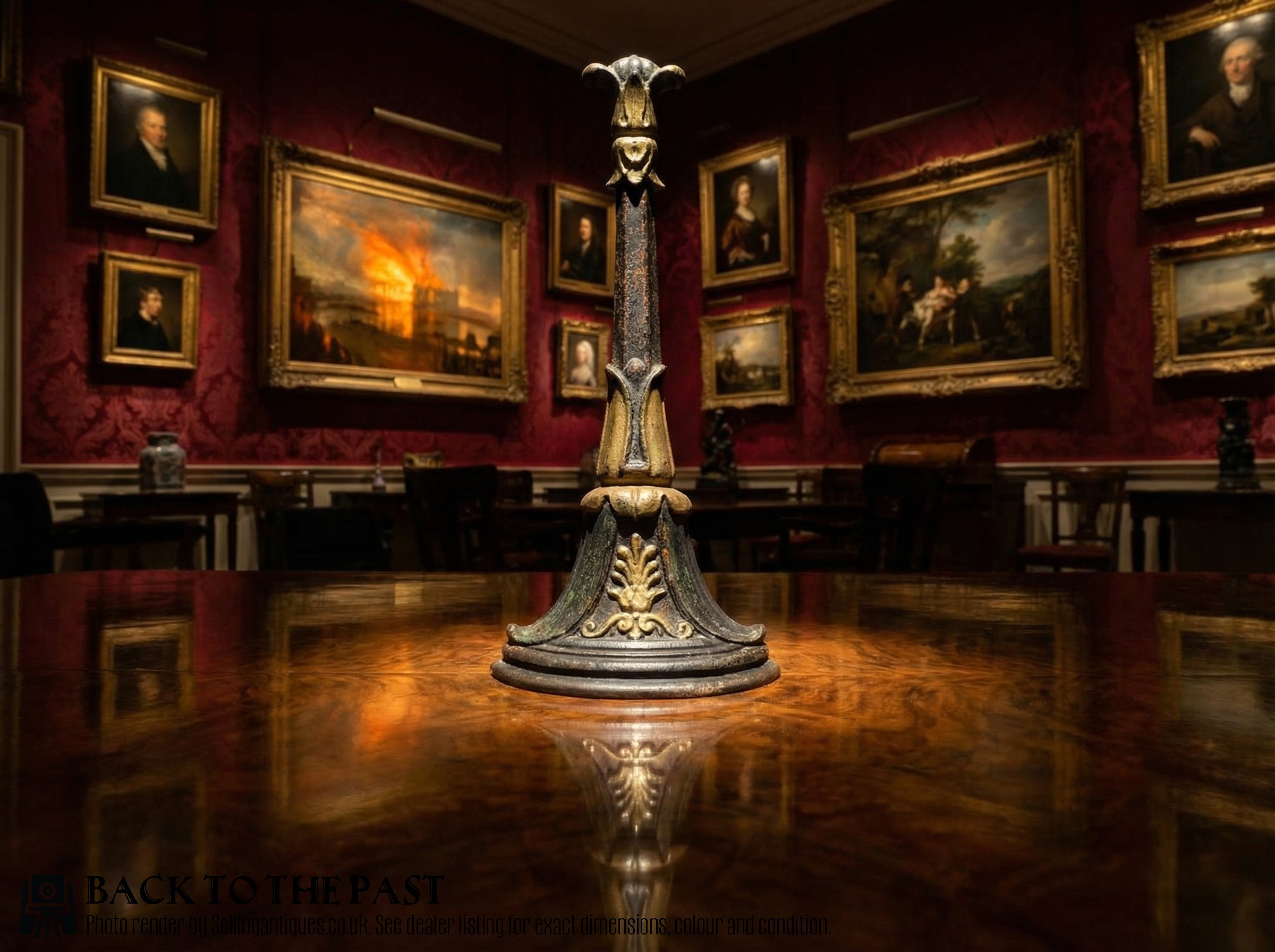
19th Century Door Weight
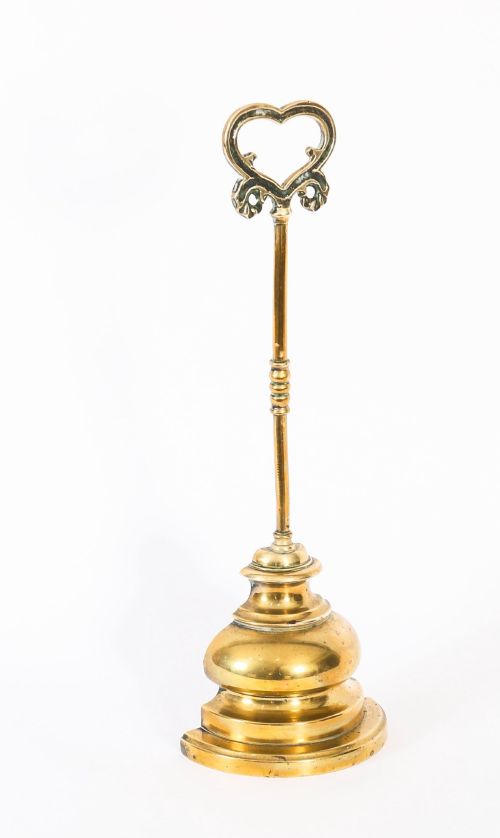
A 19th century door weight is a functional household object designed to keep heavy interior doors from swinging shut in draughty hallways and parlours. These items appear primarily as doorstops and door porters, taking both sculptural and architectural forms.
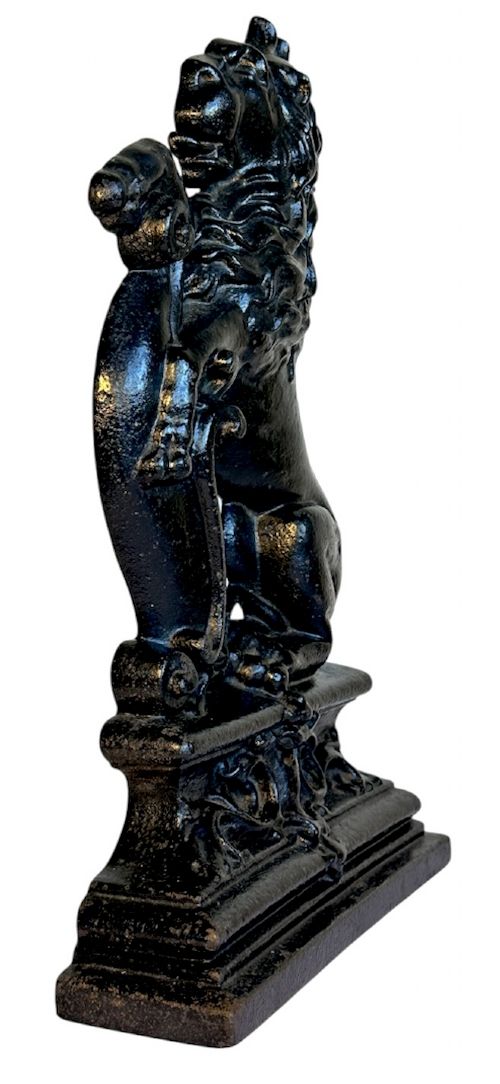
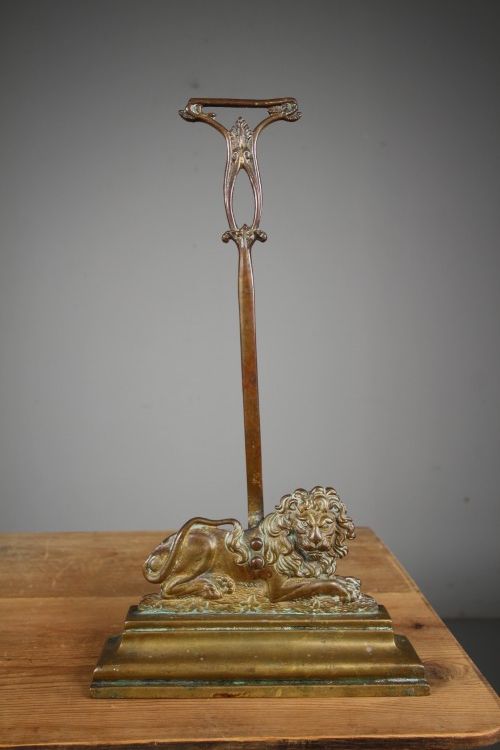
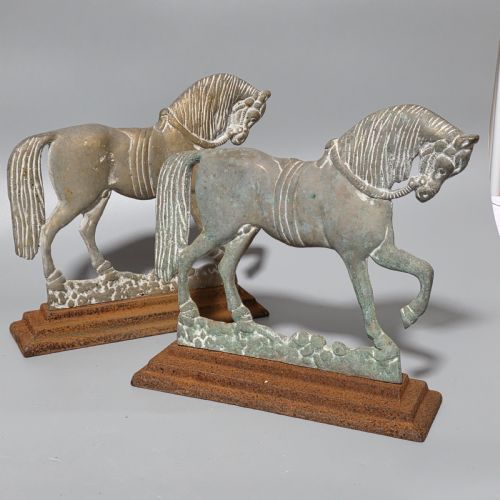
You are most likely to meet cast iron and brass examples on this page, shaped as lions, horses, Mr Punch, and the sphinx. The selection spans the Victorian period, Regency eras, and folk art traditions.
Many serve as figurative door keepers, portraying animals or literary characters with sturdy bases intended to anchor them firmly against timber thresholds.
How they were made
Foundries produced these pieces using metal casting techniques, pouring molten iron, brass, bronze, or steel into sand moulds. This process created heavy, solid forms capable of withstanding daily knocks from swinging doors.
Finishing work involved hand painting on iron surfaces or polishing brass and bronze to a bright shine. Some items incorporate mixed metals, combining cast iron bodies with brass handles or fittings.
Listings feature cast iron, brass, bronze, steel, and wood materials across Victorian and Regency periods.
What varies in quality
The survival of original painted surfaces or polished patination dictates desirability. Pieces retaining their early polychrome decoration demonstrate superior preservation compared to stripped or repeatedly repainted counterparts.
Kenrick·H. Pidduck & Son
The 19th Century Door Weight Glossary
- Doorstop
- A heavy moveable weight placed on the floor to hold a door open. These objects rely on mass to resist the movement of heavy timber doors.
- Door porter
- A tall, weighted door stop featuring an upright handle at the top for easy lifting. This form allows the user to move the heavy piece without bending down fully.
- Regency
- An English design period spanning the early nineteenth century. Pieces from this era often incorporate classical revival motifs such as the Egyptian sphinx.
- Patina
- The surface appearance acquired by metal through age, handling, and wear. A natural patination shows depth and history across brass and iron surfaces.
19th Century Door Weight: Frequently Asked Questions
What is a door porter?
A door porter is a heavy vertical doorstop fitted with an upright handle at the top. This handle allows people to lift and position the weighty object without bending right to the floor.
These taller pieces were common in large Victorian houses with substantial doors that required significant mass to hold them steady against strong draughts.
How heavy are these door stops?
These items are cast from dense metals like iron, brass, and bronze to provide the necessary heft. Their substantial weight ensures they stay firmly anchored in place behind heavy interior doors.
Most require a secure grip when moving them from room to room due to their solid metallic construction.
How do I date a cast iron stop?
Dating relies on stylistic clues, casting quality, and the specific motifs used, such as Victorian folk art or Egyptian Revival themes. Victorian pieces often depict popular cultural figures or heraldic animals like rampant lions.
Examining the underside and surface texture helps distinguish nineteenth century sand castings from later reproductions.