



Antique Door Wedge
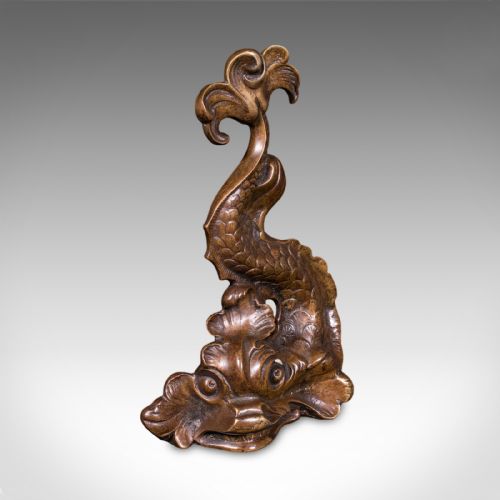
These antique door wedges are heavy metal keeps holding open heavy doors with figures of lions, dogs, and Mr Punch.
Antique Door Wedge
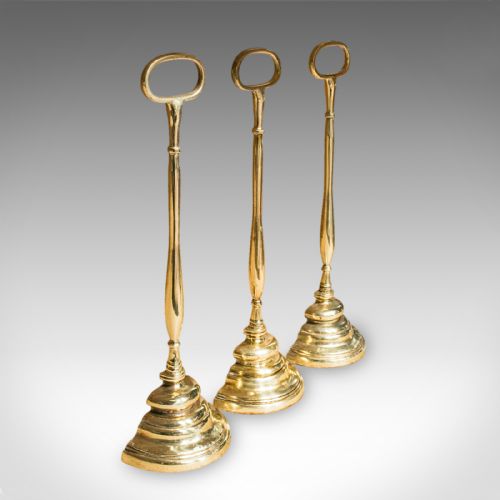
When you search for an antique door wedge, you are looking at substantial metal objects designed to hold heavy interior doors open. The pieces you meet on this page take the form of figural doorstops cast in iron, brass, and bronze. They originate from the Regency, Victorian, and Edwardian periods.
The assortment includes domestic animals such as dogs and foxes, alongside mythical creatures like dolphins and rampant lions. Character pieces like Mr Punch and agricultural figures such as ploughmen also appear among the English country house items. These functional items double as decorative sculptures for the floor.
Most examples seen here belong to the Victorian era and the Edwardian period, often described as door keepers or door butlers. They range from simple figural silhouettes to detailed sculptural casts that reflect the domestic tastes of the nineteenth and early twentieth centuries.
Materials and casting methods
These items are produced using durable metals suited to the heavy task of propping doors. Cast iron is the predominant material, offering weight and strength for animal and character figures. Brass and bronze also appear, providing a brighter or warmer metallic finish for Regency and Edwardian examples.
Foundries utilised traditional sand-casting techniques to shape the molten metal into lions, dogs, and figural characters. The resulting heavy wedges required minimal additional structure, relying on solid metal mass and integrated handles or raised backs for lifting.
Current listings span the Regency, Victorian, and Edwardian periods, utilising cast iron, brass, and bronze.
Assessing quality in metal doorstops
Material choice also influences the character of the piece, as bronze and polished brass display different surface qualities compared to painted or patinated cast iron. The weight and stability of the casting determine how effectively the object performs its practical role.
The Antique Door Wedge Glossary
- Doorstop
- A heavy object used to prevent a door from swinging shut. These items often feature decorative figures on the front.
- Regency
- A stylistic period spanning the early nineteenth century. Pieces from this era often employ bronze or brass materials.
- Victorian
- A period covering the reign of Queen Victoria during the nineteenth century. Many cast iron figures originate from this time.
- Edwardian
- The period covering the early twentieth century up to the First World War. Items from this time include brass door butlers.
- Cast iron
- A strong alloy poured into moulds to create solid forms. This material provides the necessary weight for holding open heavy doors.
Antique Door Wedge: Frequently Asked Questions
What is an antique door wedge used for?
These metal objects are designed to prop doors open in hallways and rooms. Their substantial weight prevents heavy doors from moving in draughty spaces.
Beyond their practical function, they serve as decorative accessories featuring figural designs ranging from animals to characters.
How do I identify a Victorian door stop?
Victorian examples typically utilise heavy cast iron and often depict figures such as lions, dogs, or Mr Punch. The styling reflects nineteenth-century domestic tastes.
They frequently carry marks or stylistic traits associated with the mid-to-late nineteenth century, alongside the characteristic weight of iron foundry work.
Are these pieces made of solid metal?
The items shown are solid metal castings made from iron, brass, or bronze. This solid construction gives them the heavy mass required to hold doors.
Because they are solid metal, they withstand daily contact with heavy interior doors without shifting or wearing down easily.
How should I clean a cast iron wedge?
Dust the surface regularly with a dry cloth to prevent the accumulation of dirt in the recesses of the casting. Avoid harsh chemical cleaners that might strip the original finish or patina.
For iron pieces, keep them away from damp environments to prevent surface oxidation and preserve the metal over time.