




Heavy Cast Iron Weight
These heavy cast iron weight pieces are substantial domestic anchors designed to hold doors firm and papers still.
Heavy Cast Iron Weight
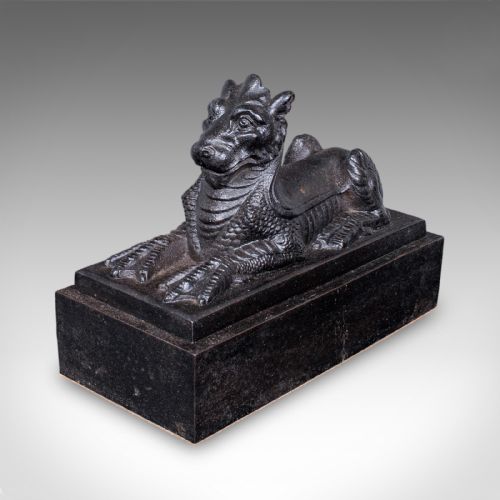
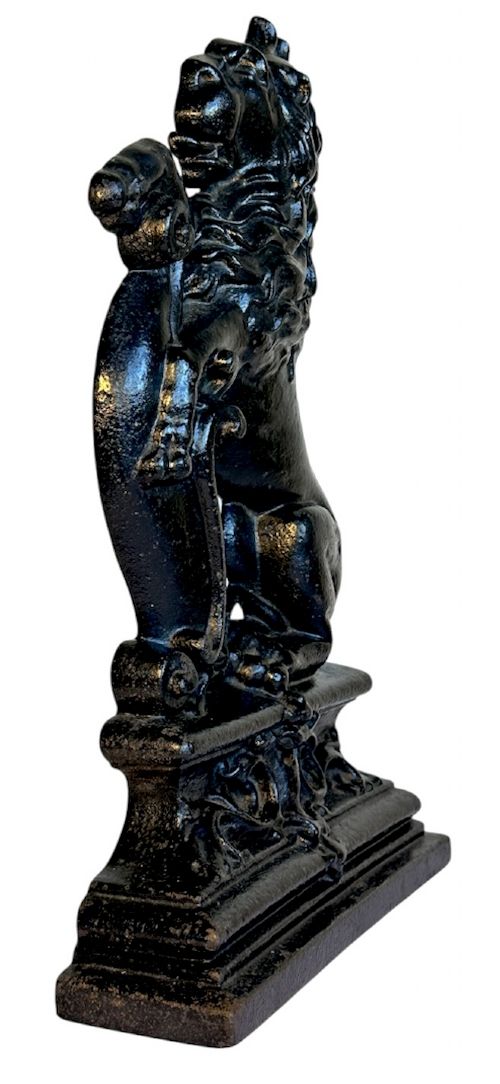
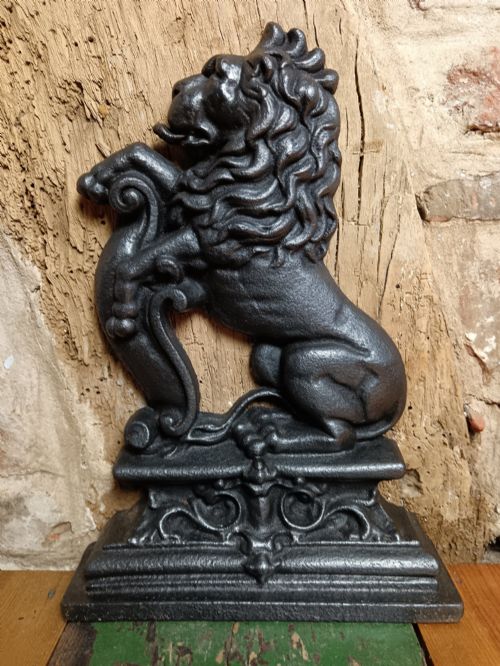
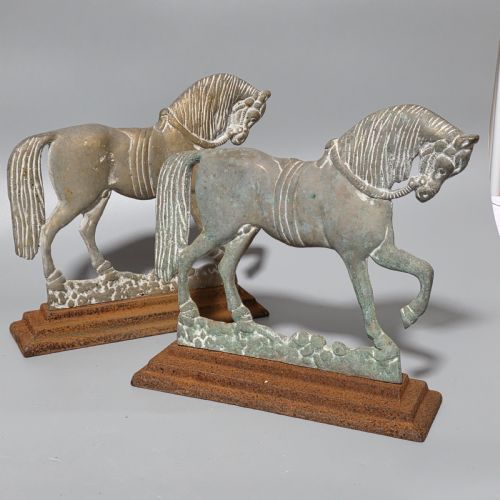
When you search for a heavy cast iron weight, you are looking at utilitarian items reimagined as sculptural doorstops and paperweights. These pieces range across Victorian, Georgian, Edwardian, and Regency periods, carrying considerable mass to fulfil their practical purpose.
Materials and construction
Moulders poured molten metal into sand moulds to create the robust body of each heavy cast iron weight. This fundamental casting process produced dense, durable objects capable of withstanding heavy daily use in nineteenth-century hallways.
Several Victorian pieces immortalise Mr Punch, ensuring domestic doors are guarded by a grinning puppet with a massive chin.
Assessing quality and character
The sophistication of the design also separates standard utility items from more ambitious decorative works. Pieces styled in the Egyptian Revival or detailed Gothic manner show greater artistic intent than plain utilitarian stops.
The Heavy Cast Iron Weight Glossary
- Doorstop
- A heavy object placed against a door to prevent it from closing. These items often feature sculptural figures or animals.
- Door porter
- An alternative term for a doorstop, sometimes denoting a taller piece with an integrated handle for carrying. They serve the same functional purpose in keeping interior doors open.
- Cast iron
- An iron-carbon alloy poured into a mould to form rigid shapes. It provides the essential mass and durability found in these objects.
- Egyptian Revival
- A nineteenth-century design style drawing on motifs from ancient Egypt. Pieces in this style include architectural forms like sphinxes.
- Gothic Revival
- An architectural and decorative style inspired by medieval forms. This aesthetic influences the ornamentation of certain Victorian ironwork pieces.
Heavy Cast Iron Weight: Frequently Asked Questions
What is a heavy cast iron weight used for?
These dense iron objects functioned primarily as doorstops to hold heavy interior doors open against draughts. Smaller versions served as paperweights to secure documents on desks.
Their substantial mass made them reliable domestic tools in large houses with heavy timber doors.
How do I date a heavy cast iron weight?
Dating relies on stylistic clues, costume details, and the aesthetic movement of the piece. Victorian examples often depict popular characters or animals from the period.
Earlier Regency and Georgian pieces display distinct neoclassical or revival motifs characteristic of those eras.
Where were these heavy iron objects placed?
Owners positioned them on the floor directly behind interior doors in hallways, libraries, and drawing rooms. They sat out in the open as decorative ornaments while performing their daily duty.
Smaller desk versions rested on writing tables to keep bills and correspondence orderly.