

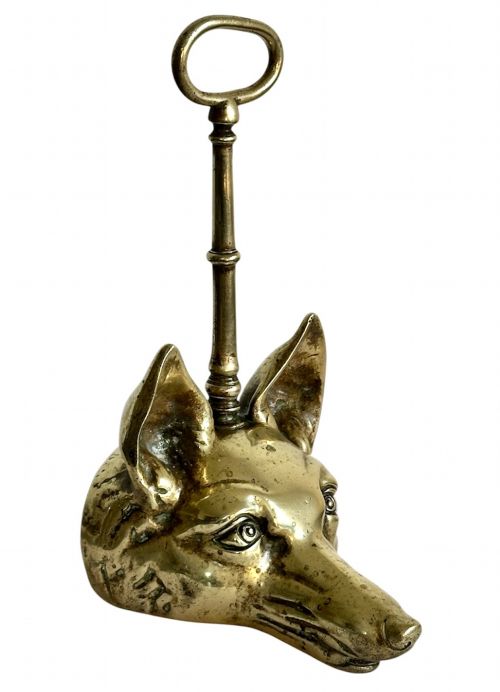


Victorian Door Stop
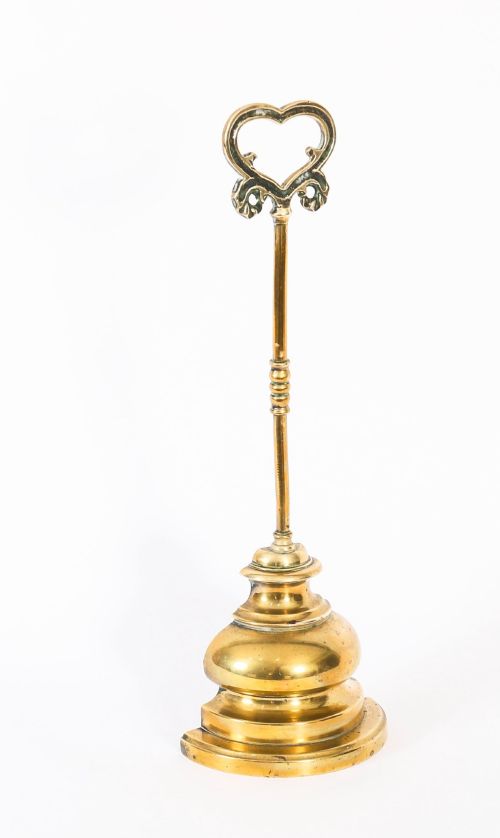
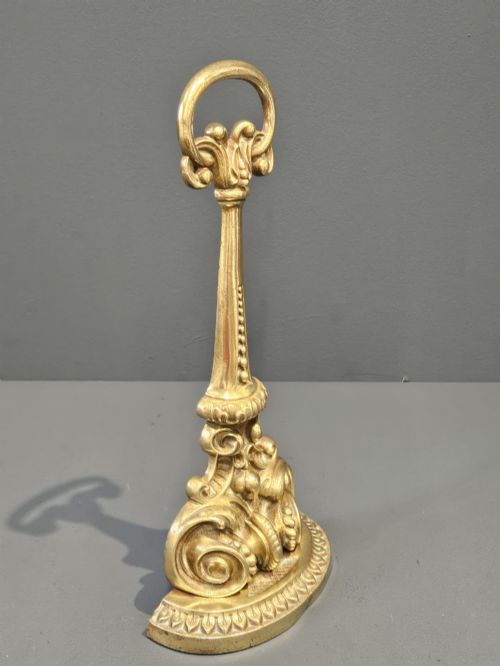
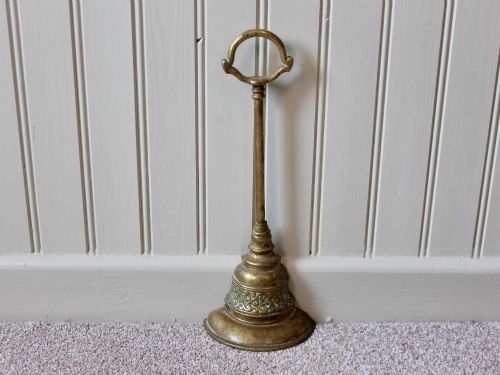
A victorian door stop holds heavy timber panels open with sculptural weight and presence.
Victorian Door Stop
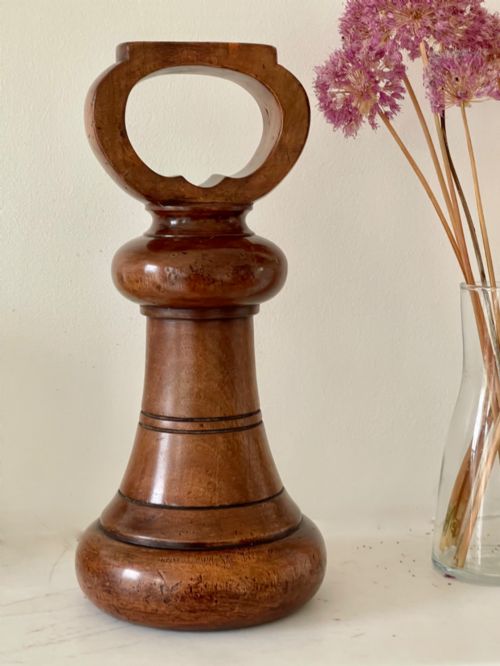
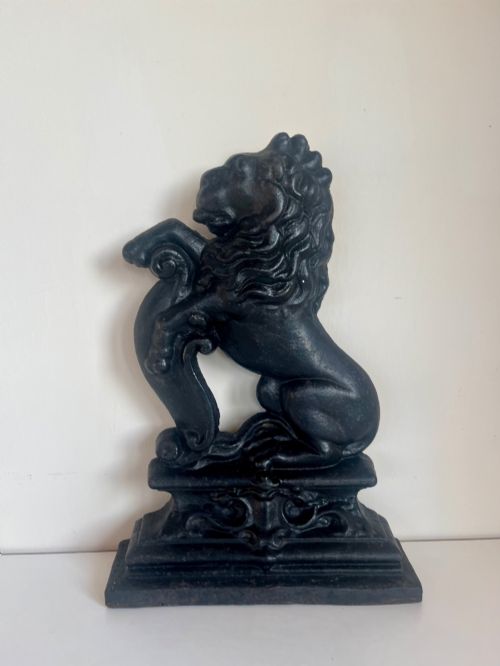
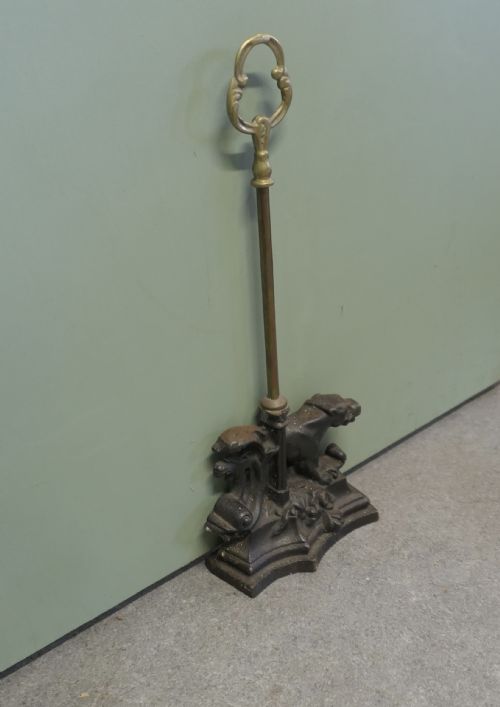
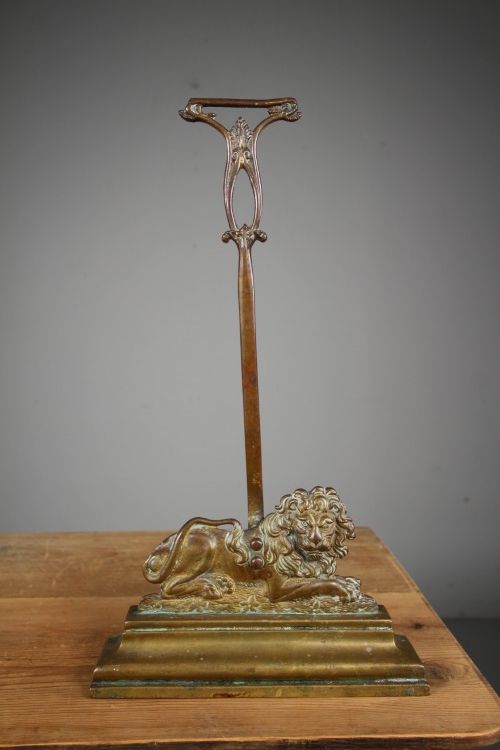
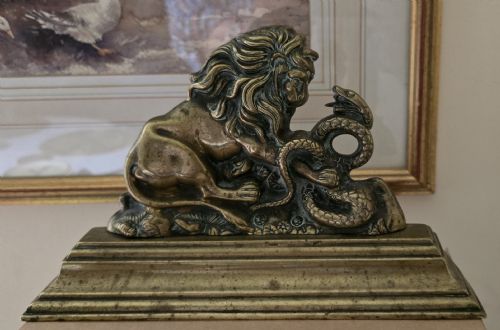
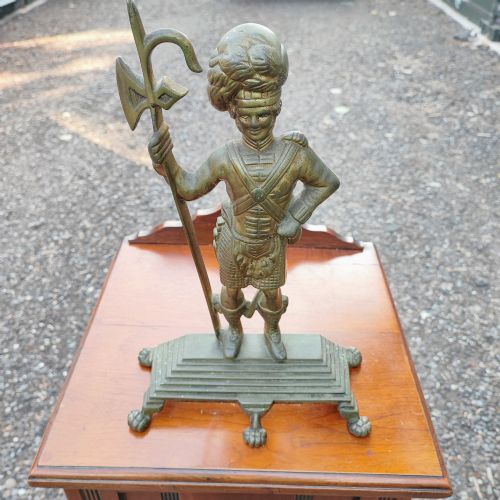
A victorian door stop, often called a door porter, is a heavy functional object designed to keep internal doors open in large houses. The form appears primarily across the nineteenth century, spanning the Georgian, Victorian, and Edwardian eras. Pieces take the shape of heraldic animals, figures, floral baskets, and military heroes.
Lions, Mr Punch, and horses dominate the material record. Buyers encounter both brass and cast iron versions, frequently accompanied by steel or bronze components. Architectural hardware of this type reflects domestic utility combined with distinct decorative ambition.
How They Were Made
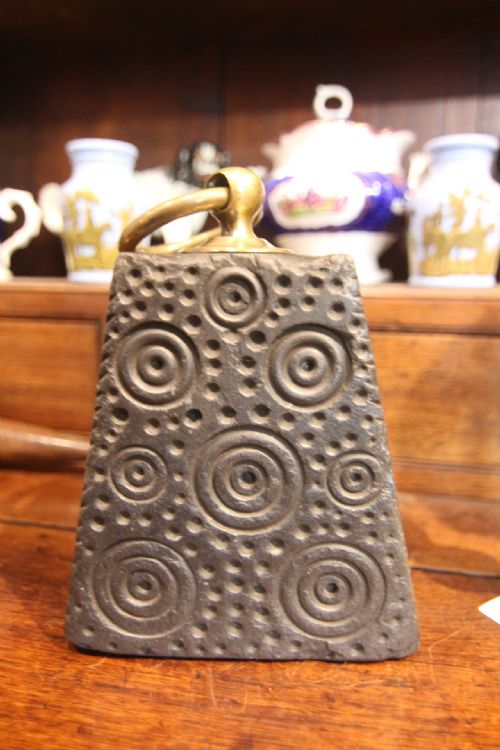
Foundries utilised sand casting to shape molten brass and iron into solid figurative sculptures. Molten metal poured into moulds produced heavy bases and detailed front panels, sometimes paired with iron weights or lead inserts underneath.
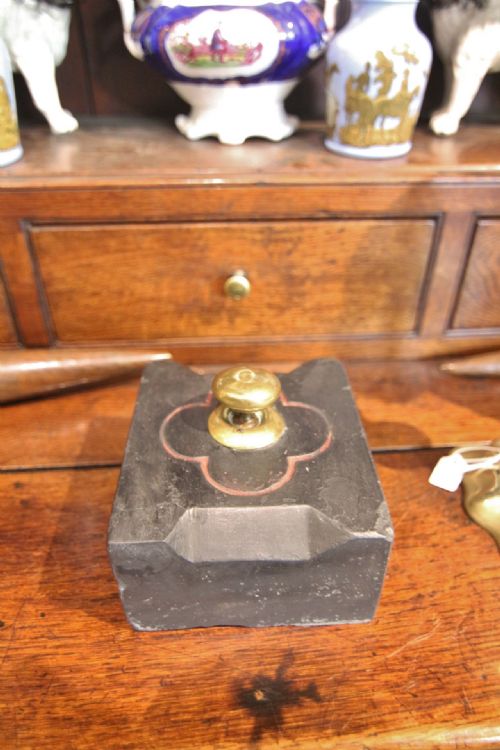
Surface finishes involved applied paint or polished brass, with certain examples incorporating bronze or turned wood. Makers integrated handles or ring mounts at the top for lifting the substantial weight.
Victorian Door Stop Retail Price Guide 2026
Typical asking prices for victorian door stop among the pieces listed under this phrase on Sellingantiques today, from the lower quarter to the upper quarter. They describe what is for sale here now, not the wider market.
The goose is dead.
What Varies in Quality
The crispness of the casting defines the distinction between standard utilitarian items and superior sculptural examples. Fine foundry work preserves facial expressions, heraldic detail, and feather or mane texture without blurring.
Substance and proportions dictate how effectively the object performs its task against heavy doors. Heavier metal content and balanced weighted bases separate workshop pieces from lighter production.
Tonks·John Crowley·Kenrick·William Tonks
The Victorian Door Stop Glossary
- Door porter
- An alternative term for a heavy door stop designed to be lifted by an upper ring or handle. These pieces often feature integrated iron weights beneath.
- Sand casting
- A manufacturing process where molten metal is poured into a compacted sand mould. This technique creates the heavy relief forms seen on nineteenth-century pieces.
- Boot scraper
- A heavy metal courtyard or doorstep implement used for cleaning mud from footwear. They share the iron materials and foundry origins of interior stops.
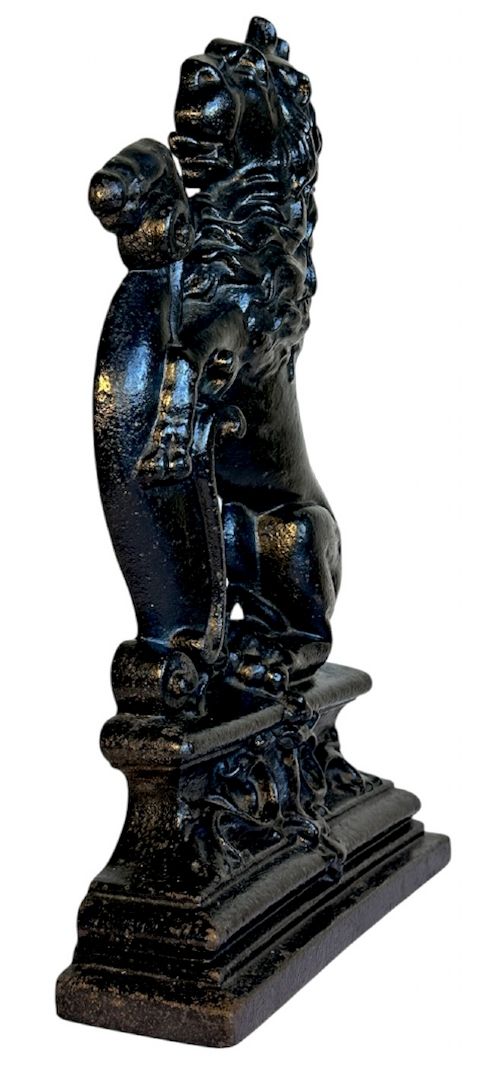
- Rampant lion
- A heraldic posture depicting a lion standing on one hind leg with paws raised. This motif recurs frequently in cast iron designs.
Victorian Door Stop: Frequently Asked Questions
How heavy are they?
These pieces possess substantial weight to prevent heavy timber doors from swinging shut. Most examples weigh several kilograms.
Foundries loaded the bases with lead or iron inserts to ensure stability on floorboards.
Were they used outside?
Interior doors in country houses and town residences required heavy stops to manage draughts. Boot scrapers served external functions near the threshold.
Cast iron items handled varying environments, while polished brass suited interior hallways.
What figures appear most?
Lions, horses, and Mr Punch represent the standard subjects found in domestic settings. Historical figures such as Lord Nelson and Scottish soldiers also appear.
Floral baskets and wheatsheaves offer botanical alternatives to figurative animals.
How do I spot cast iron?
Cast iron displays a heavier, darker metallic appearance than brass and often carries painted surfaces. A magnet will adhere firmly to iron pieces.
Brass versions maintain a golden alloy tone that responds to polishing.