
Victorian Decorative Ornaments
Victorian decorative ornaments bring character and historic craft into a room, spanning bronze sculptures, porcelain figures, and cast iron urns.
Victorian Decorative Ornaments
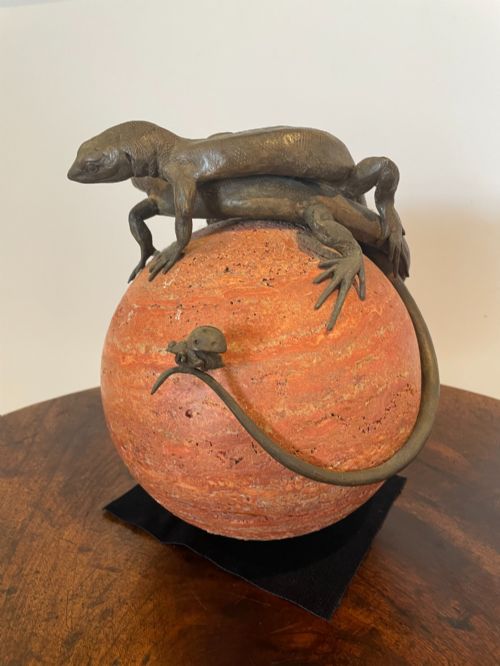
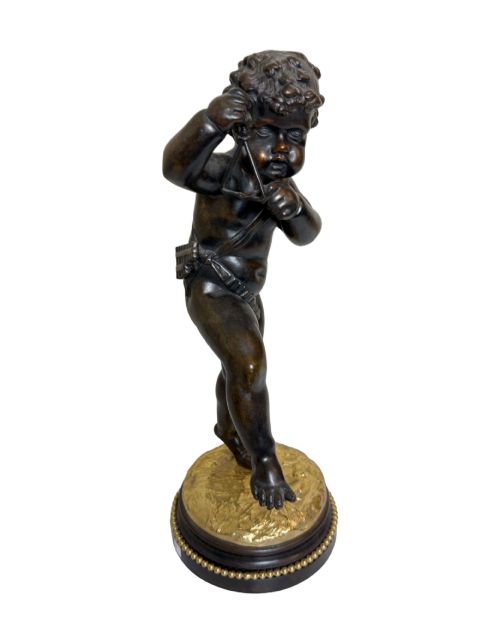
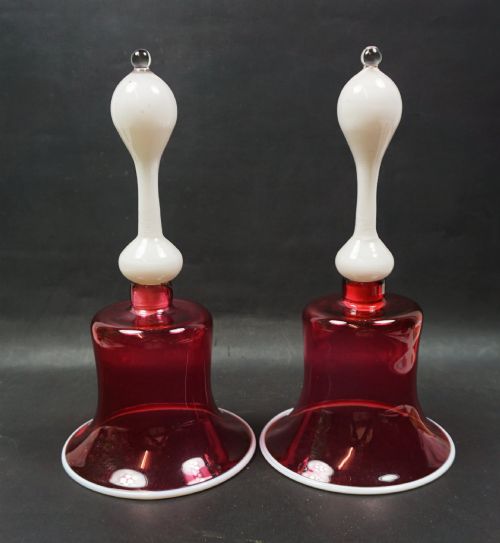
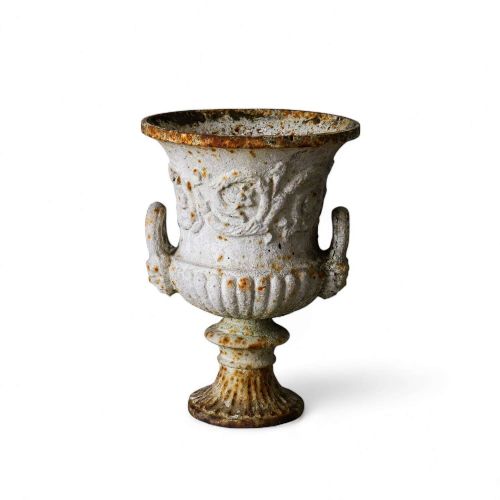
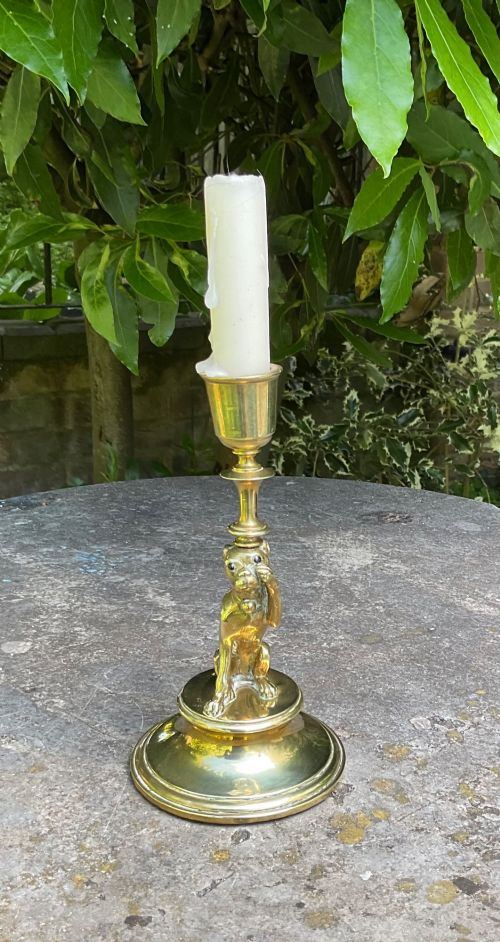
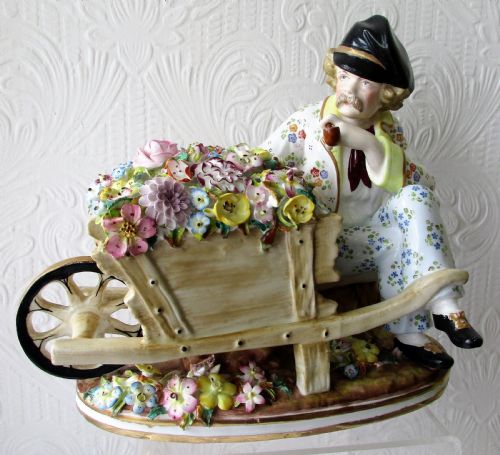
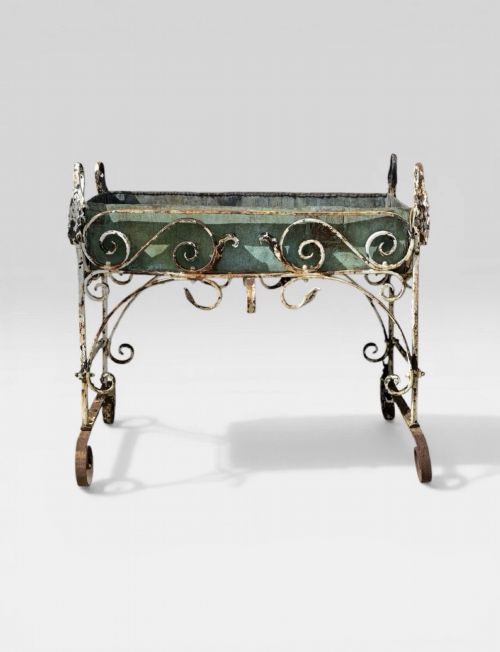
Victorian decorative ornaments encompass a diverse array of objects designed to adorn nineteenth-century interiors and gardens, including sculptures, vases, and figural groups. Buyers seeking these pieces encounter items ranging from cast iron garden planters and bronze animalier figures to delicate porcelain figurines and glass bells.
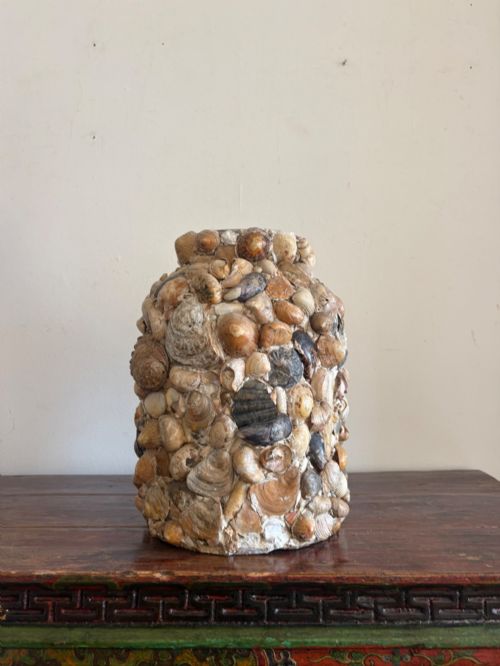
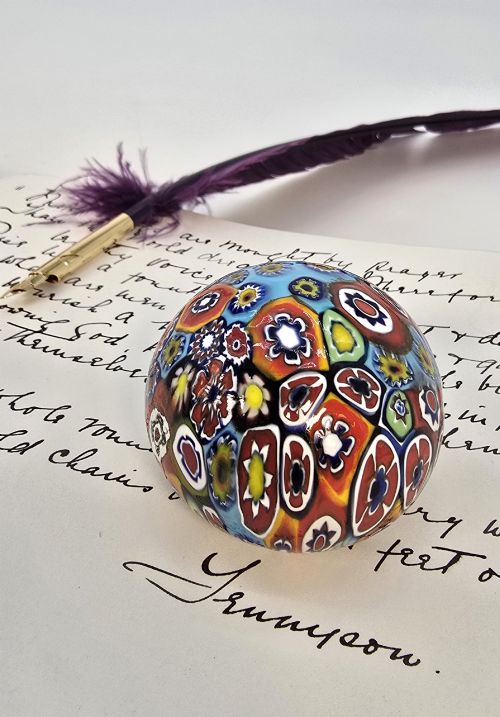
The selection on this page leans heavily toward nineteenth-century production, incorporating styles such as Victorian Orientalism, folk art, novelty pieces, and neoclassical design. Forms vary widely from practical items like fire screens and photo frames to purely ornamental ewers, urns, and paperweights.
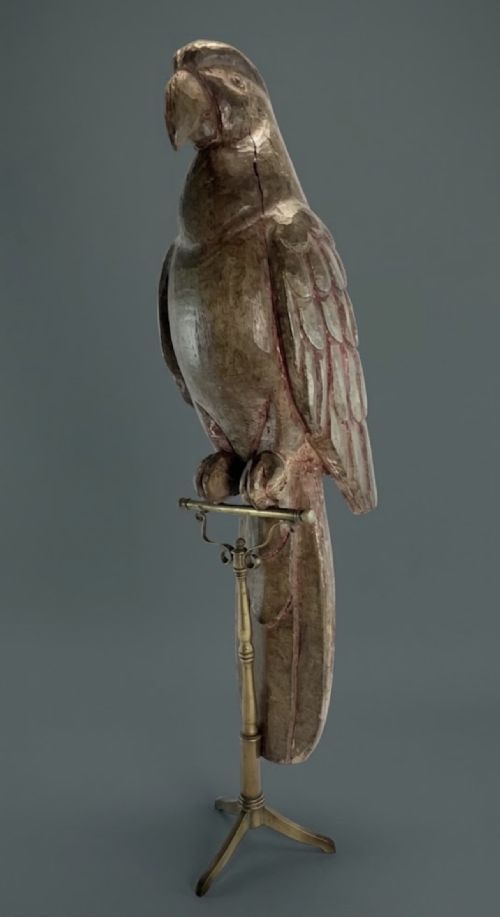
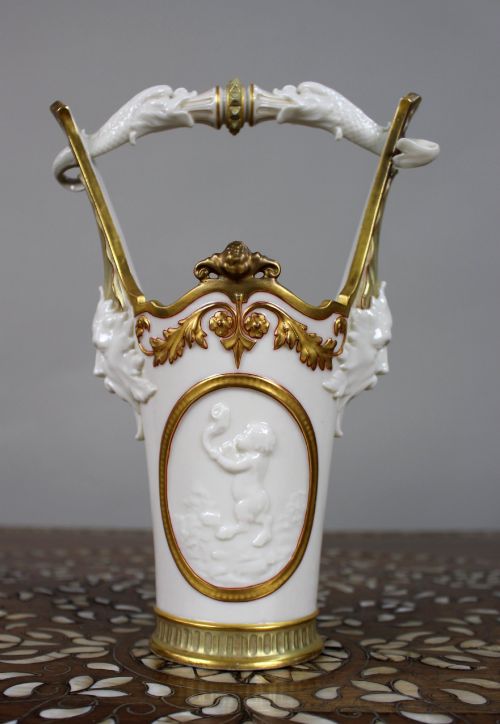
Origins span English, French, and Italian makers, alongside notable porcelain factories like Royal Worcester and Meissen. Whether selecting a carved wooden parrot on a brass stand or a majolica pottery gnome, collectors engage with tangible domestic history.
Materials and construction methods
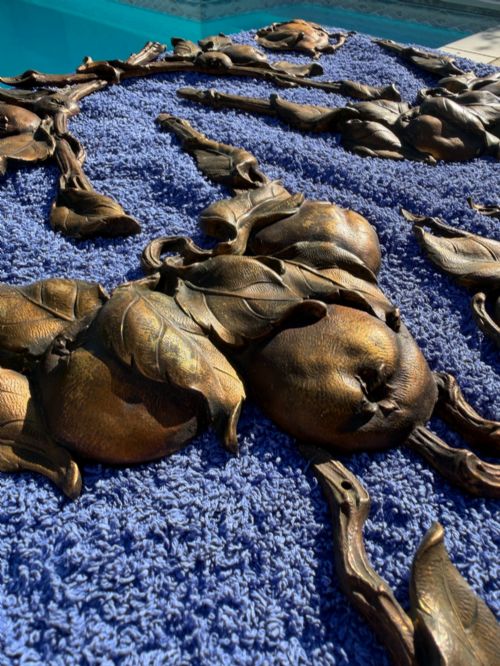
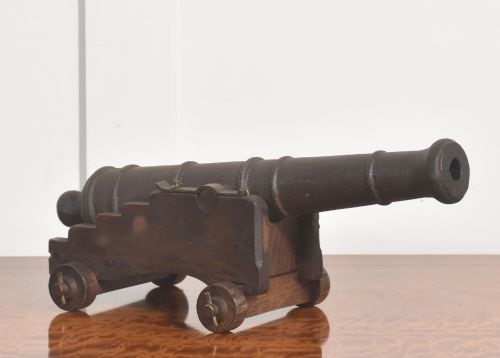
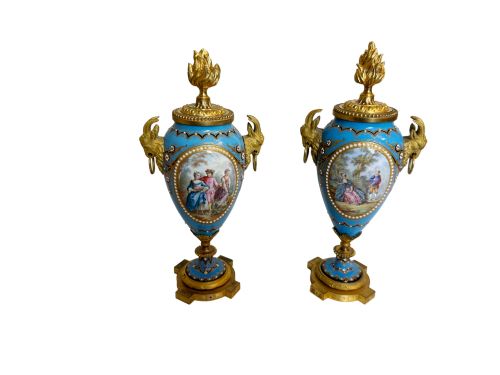
Metalwork dominates a large share of these objects, utilising cast iron, bronze, brass, and wrought iron shaped into garden urns, ewers, and fire screens. Gilt bronze and gold leaf finishes provide surface enrichment on decorative appliques and mantle lustres.
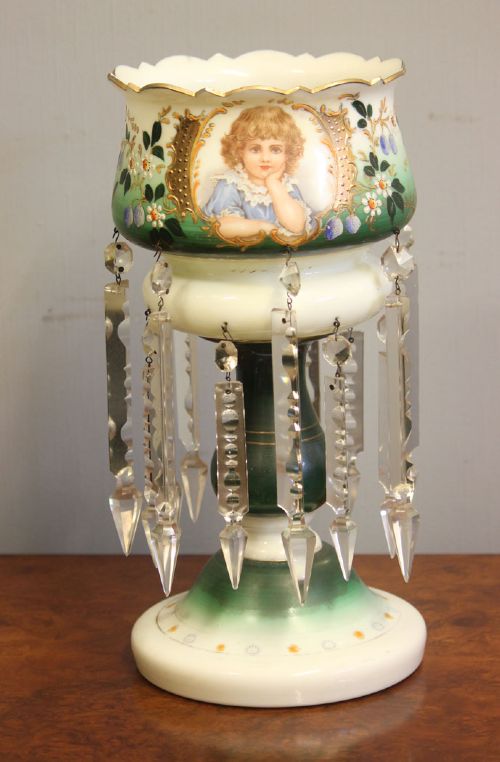
Ceramics and glass form another primary pillar, featuring porcelain, majolica pottery, and enamel alongside cranberry glass, millefiori, and layered cane decoration. Skilled turners also employed wood and ebony for bases, vases, and sculptural mounts.
Materials span porcelain, enamel, gold leaf, wood, brass, bronze, cast iron, and gilt across nineteenth-century forms.
Evaluating the standard of execution
Quality rests upon the crispness of the modelling in bronze sculptures and porcelain figures, where finer examples retain sharp facial expressions, delicate hand-painting, and well-defined cast details. Weaker pieces display softer edges, muddy enamel colours, or clumsy repairs.
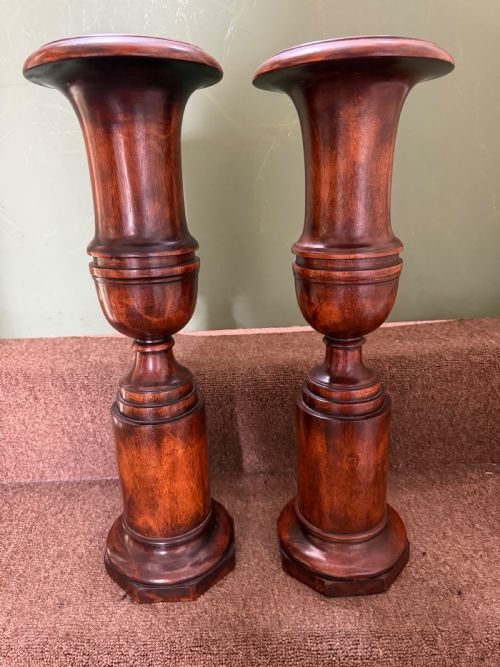
The integrity of the materials dictates longevity, visible in heavy-gauge cast iron planters, substantial turned walnut vases, and properly weighted sterling silver mounts. Superior craftsmanship ensures that applied decoration, such as gilding or pierced brasswork, remains secure and balanced.
Poix Blin·Andrew Handyside·John Bevington·Krister KPM Waldenburg·Royal Worcester·Meissen·James Hadley
The Victorian Decorative Ornaments Glossary
- Animalier
- A nineteenth-century artistic style focusing on realistic depictions of animals, frequently rendered in bronze. This movement captured creatures in naturalistic poses.
- Cassolette
- A decorative vessel that functions as both a vase and a perfume burner, often featuring a pierced lid. These pieces sit on mantelpieces and tables.
- Parian
- A fine white bisque porcelain developed in the nineteenth century to imitate carved marble. It gained popularity for classical and figural sculptures.
- Lustre
- A type of ceramic or glass vessel featuring a metallic or iridescent glaze that reflects light. Mantle lustres frequently incorporate hanging glass prisms.
- Campana
- A classical bell-shaped garden urn design originating in antiquity and revived during the nineteenth century in cast iron and stone.
Victorian Decorative Ornaments: Frequently Asked Questions
What materials are common in these ornaments?
Listings feature a wide spectrum of materials, predominantly bronze, cast iron, brass, porcelain, majolica, and various types of glass.
Wood, ebony, sterling silver, and enamel also appear frequently in objects ranging from photo frames to carved animal figures.
How do I identify the period of an ornament?
Dating relies on stylistic markers, manufacturing techniques, and occasional factory marks or retailer signatures from the nineteenth century.
Items often reflect Victorian design trends, including neoclassical revivals, animalier realism, and folk art traditions.
Where were these pieces originally displayed?
Many smaller ornaments adorned nineteenth-century drawing rooms, mantelpieces, and cabinet displays as conversation pieces and symbols of refinement.
Larger items like cast iron urns, planters, and troughs were manufactured specifically for Victorian gardens and patios.
Are these items purely decorative?
While many objects serve an aesthetic purpose, a substantial number combine ornament with function, such as candlesticks, fire screens, and potpourri baskets.
Other practical pieces include photograph frames, paperweights, doorstops, and garden planters.