



Floral Porcelain Ornament
These floral porcelain ornament pieces span centuries of delicate modelling, bringing naturalistic charm and historic craft straight to your collection.
Floral Porcelain Ornament
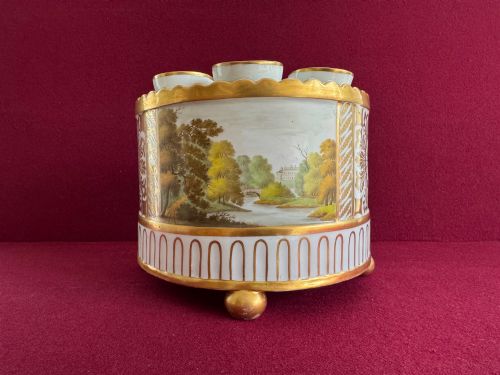
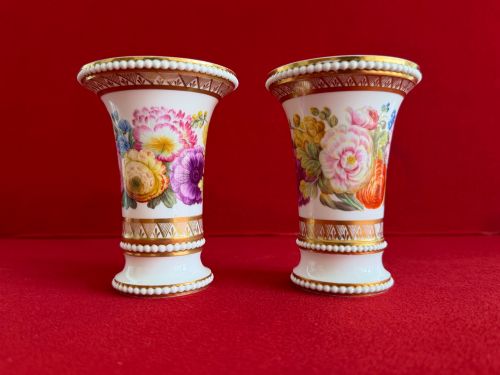
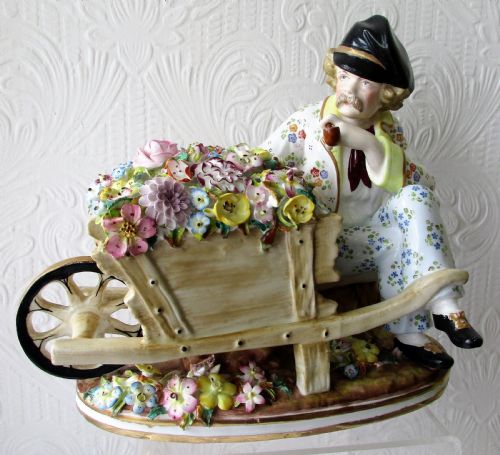
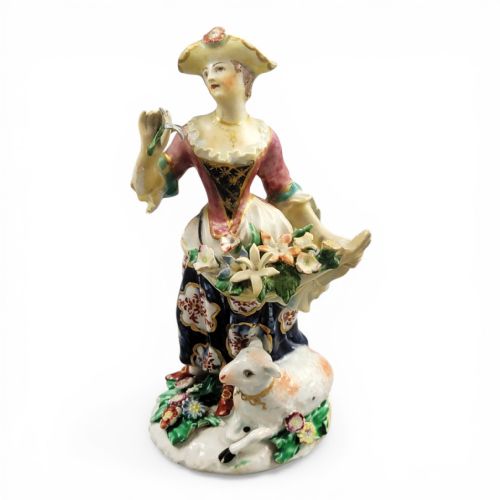
A floral porcelain ornament encompasses a wide range of decorative objects, from porcelain figurines and centrepieces to vases, decorative baskets, inkstands, and decorative ewers. When you examine these works, you encounter figures of ladies, shepherds, children, and cherubs intertwined with floral motifs.
The selections on this page bridge multiple eras, appearing in Georgian, Regency, Victorian, Edwardian, and twentieth-century guises. You are most likely to meet Victorian continental figures, English porcelain figurines, and German centrepieces that showcase elaborate floral detailing.
Originating from English factories such as Bow and Royal Worcester, alongside continental porcelain houses like Meissen, Sitzendorf, and Samson of Paris, these items served as ornamental centrepieces for polite interiors. Their forms vary from functional inkstands and cornucopia vases to sculptural groups and baskets.
How they were made
Potters shaped these pieces using ceramic and soft-paste porcelain, employing meticulous moulding and hand-modelling techniques to create intricate petals and garments. Overglaze enamel colours were then applied by hand to achieve vibrant hues across the surface.
Makers frequently highlighted details with gold leaf, gilt, and gilding, accentuating the edges of garments, bases, and sculptural elements. Certain German works incorporated specialised techniques such as pyramidal Schneeballen covers, where dense clusters of small blossoms blanket the porcelain surface.
Listings feature works in porcelain, ceramic, and soft-paste porcelain, adorned with enamel, gold leaf, and gilding across multiple historic periods.
What varies in quality
The finest examples display crisp, deeply undercut modelling in the floral elements and figures, whereas lesser pieces exhibit softer, shallower details from worn moulds. Hand-painted precision in the enamel work separates exceptional studio output from standard commercial production.
The application of gilding and gold leaf also dictates distinction, with superior items showing careful, burnished highlights rather than flat, uniform washes. Preservation of fragile petals and leaves without extensive restoration marks the difference between top-tier survivals and heavily repaired specimens.
John Bevington·Royal Worcester·Bow Porcelain·Samson Paris·Sitzendorf
The Floral Porcelain Ornament Glossary
- Soft-paste porcelain
- A glassy ceramic material fired at lower temperatures than hard-paste porcelain, used widely in early English factories. It produces a warm texture beneath the glaze.
- Overglaze enamel
- Pigments painted onto a previously fired and glazed porcelain surface before undergoing a second, lower-temperature firing to fuse the colours. This technique yields bright, varied palettes.
- Schneeballen
- A German ceramic technique meaning snowballs, where countless tiny hand-formed porcelain flowers cover the entire body of a vessel or cover. It demands immense patience from the modeller.
- Ewer
- A large jug with a wide spout and curved handle, traditionally used for holding water but rendered here as a decorative centrepiece. These vessels often feature applied floral relief work.
- Centrepiece
- A large decorative object placed in the middle of a table or sideboard. These porcelain examples frequently incorporate baskets and figures surrounded by blooms.
- Gilding
- The application of gold leaf or gold powder to the surface of porcelain to ornament borders and highlights. It adds a reflective quality to the glazed body.
Floral Porcelain Ornament: Frequently Asked Questions
What is a floral porcelain ornament?
A floral porcelain ornament is a decorative ceramic piece, such as a figurine, vase, or centrepiece, modelled with flowers or foliage. These items were produced across European factories to adorn polite interiors.
They combine sculptural figures with naturalistic botany, capturing subjects like shepherdesses, children, and ladies alongside intricate ceramic blooms.
How were these porcelain figures used?
These pieces served primarily as decorative ornaments on mantelpieces, dining tables, and drawing-room cabinets. Some forms, like inkstands and ewers, also fulfilled specific desk or display functions.
Owners displayed them to demonstrate refinement, taste, and an appreciation for intricate craftsmanship during the Georgian and Victorian eras.
How do I care for antique porcelain?
Antique porcelain requires gentle handling, keeping it away from direct sunlight and areas prone to sudden temperature changes. Dusting should be done lightly with a soft, dry brush to protect delicate applied petals.
Avoid using water or chemical cleaners on pieces with overglaze enamel or gold leaf, as moisture can lift fragile painted and gilded surfaces.
How do I tell periods apart?
Periods are identified through a combination of paste composition, glaze characteristics, painting styles, and factory marks. Georgian and early figures often show softer glazes and simpler bases.
Victorian and later continental pieces tend towards heavier modelling, brighter overglaze enamel colours, and more elaborate Rococo Revival or eclectic scrollwork bases.