


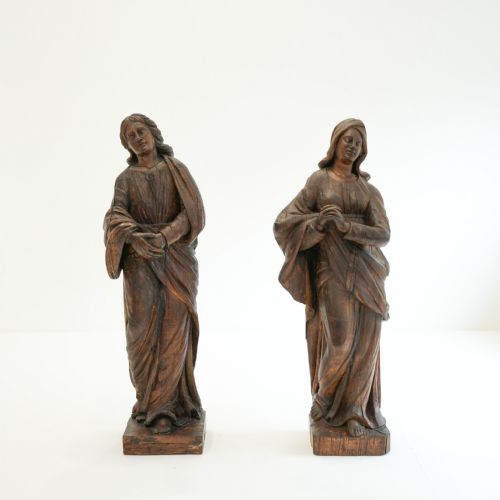


Pair Continental Figures
Pair continental figures are dual sculptural ornaments spanning centuries of European craftsmanship, sought after for symmetry and decorative presence.
Pair Continental Figures
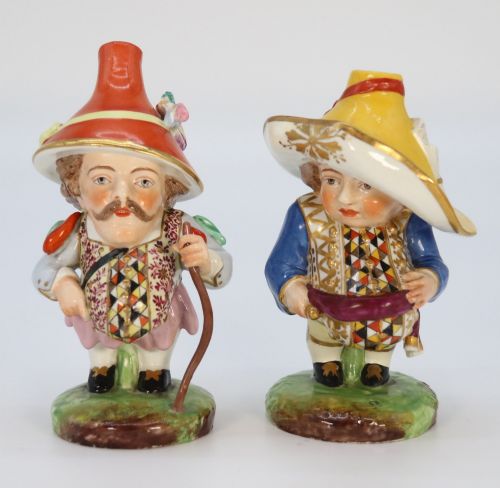
When searching for pair continental figures, collectors encounter matched dual sculptures spanning the eighteenth through the twentieth centuries. These pieces function as decorative table ornaments, candlesticks, and figural groupings originating from diverse European workshops and schools.
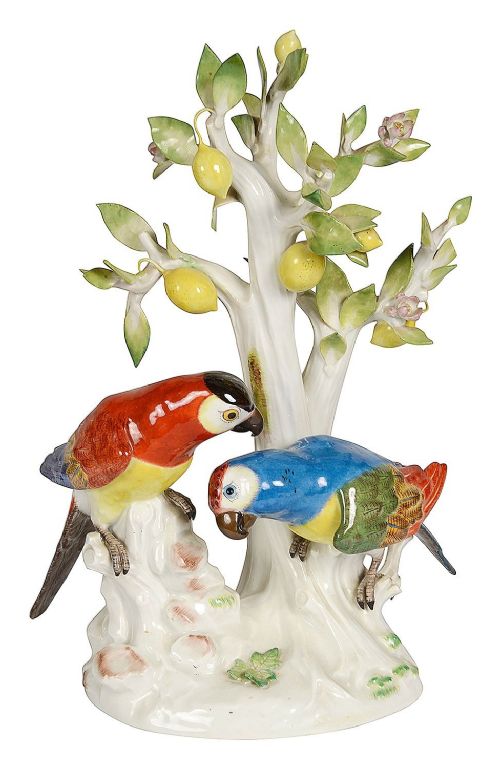
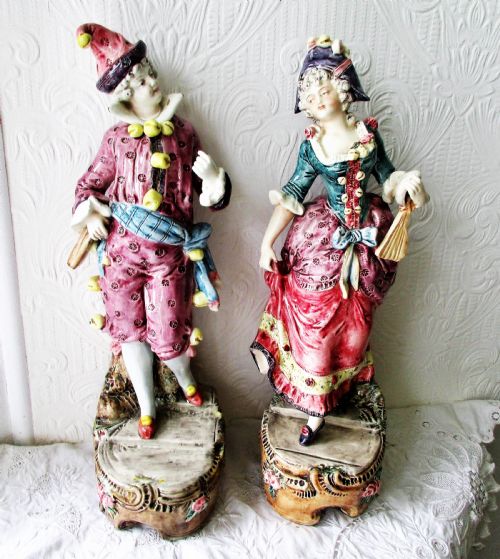
The most common examples on this page are porcelain figurines modelled as humans, animals, and allegorical subjects. These items often reflect historical revival styles such as Rococo and Baroque alongside regional Victorian aesthetics.
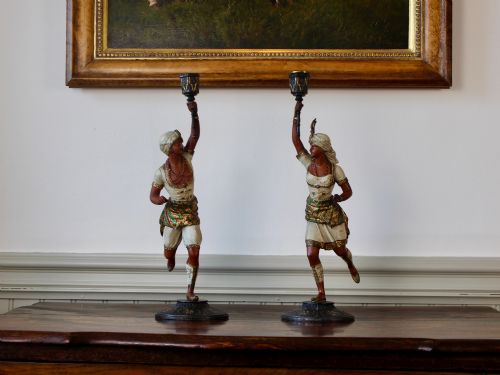
Beyond ceramics, the selection encompasses carved oak saints, angels, and putti alongside metal works in silver and cold painted spelter. Each format delivers symmetrical visual weight intended for mantlepieces and tabletop displays.
How They Were Made
Ceramic examples rely on hard-paste porcelain or earthenware shaped through moulding, then finished with detailed enamel painting and glaze. Gold leaf and delicate gilt accents frequently highlight specific garments or decorative borders on these porcelain bodies.
Wooden items demonstrate skilled hand carving in oak and other timbers, occasionally enhanced with polychrome paint surfaces. Metal pieces utilise casting techniques in silver, brass, or spelter, with cold painted finishes applied directly to the cast surfaces.
Listings feature porcelain, carved oak, and silver materials across eighteenth and nineteenth-century periods.
What Varies in Quality
Surface finish and hand-painted polychrome decoration dictate visual success. Precision in enamel work, well-preserved gilding, and intact original components elevate the overall standing of the objects.
Meissen·Samson of Paris·C. G. Schierholz·Carl Thieme Dresden·Volkstedt
The Pair Continental Figures Glossary
- Hard-paste porcelain
- A dense, durable ceramic material fired at high temperatures using kaolin and petuntse. This composition allows for crisp modelling and a bright white surface that accepts detailed enamel painting.
- Spelter
- An alloy of zinc and lead cast into sculptural forms and finished to imitate bronze or other metals. It provides an accessible medium for detailed figural casting.
- Polychrome
- The practice of decorating sculptural surfaces in multiple colours. Artisans apply these pigments by hand to achieve lifelike tones on wood and ceramic figures.
- Sweetmeat
- A decorative table dish or figure designed to hold small confections or sweet treats during formal dining. These pieces combine sculptural appeal with functional utility.
- Bisque
- Unglazed porcelain fired to a matte, porous finish that resembles marble. It highlights subtle facial expressions and fine surface textures without the distraction of a glossy shine.
Pair Continental Figures: Frequently Asked Questions
How are pair continental figures displayed?
These matching items typically flank a central mirror, clock, or fireplace mantle to create balanced symmetry. Collectors also place them on dedicated side tables or within enclosed glass cabinets.
Arranging them properly enhances their decorative impact in a room. Maintaining equal spacing allows the matched pair to draw the eye naturally.
What materials make up these sculptures?
The pieces utilise hard-paste porcelain, glazed earthenware, and bisque ceramic. Artisans also worked in carved oak, solid silver, brass, and painted spelter.
Different European regions favoured specific materials depending on local manufacturing traditions. Ceramic output dominates, supported by sculptural wood and metal works.
How do I date a porcelain figure?
Dating relies on examining the factory marks stamped or painted on the base. Stylistic clues such as costume design and the application of glaze provide secondary indicators.
Comparative analysis with documented archive pieces confirms the period of production. Revival styles often reference earlier eras while retaining nineteenth-century manufacturing traits.
What subjects do the figures depict?
Common subjects include pastoral harvesters, human lovers, allegorical characters, and religious saints. Animal forms such as parrots, cockerels, grouse, and dogs also appear frequently.
Mythological figures and putti perched on clouds represent popular decorative themes from the eighteenth and nineteenth centuries. These themes reflect the prevailing taste for theatrical and romantic motifs.