
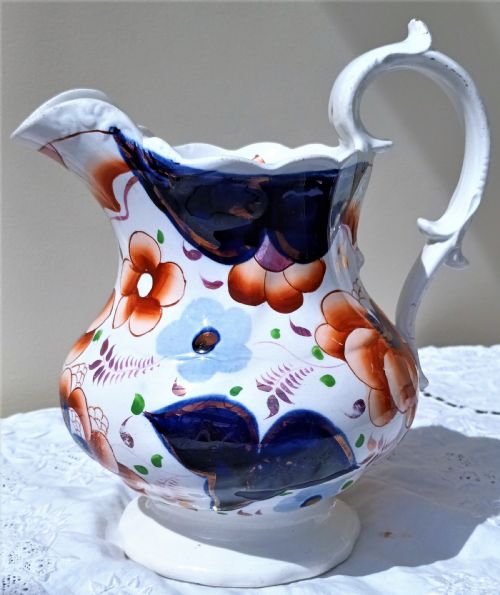
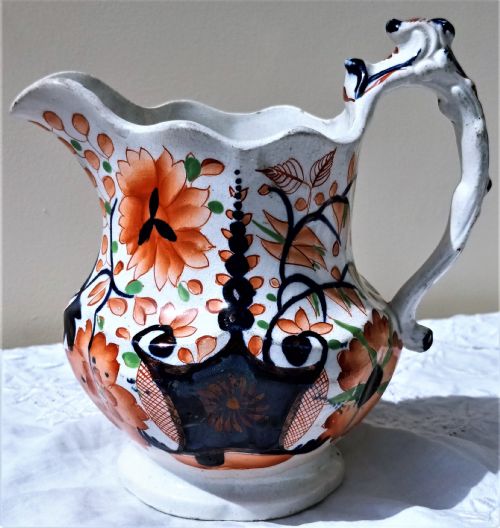
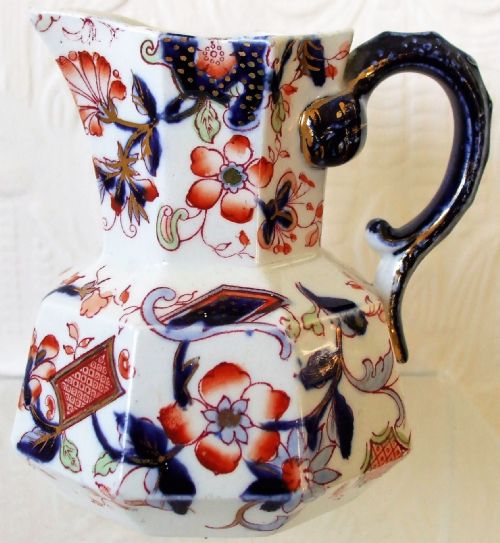
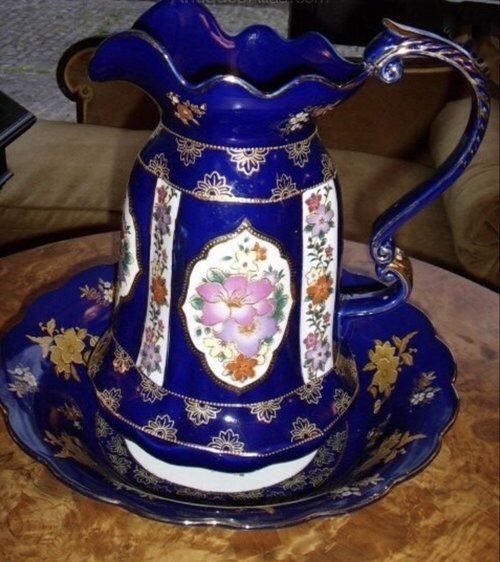
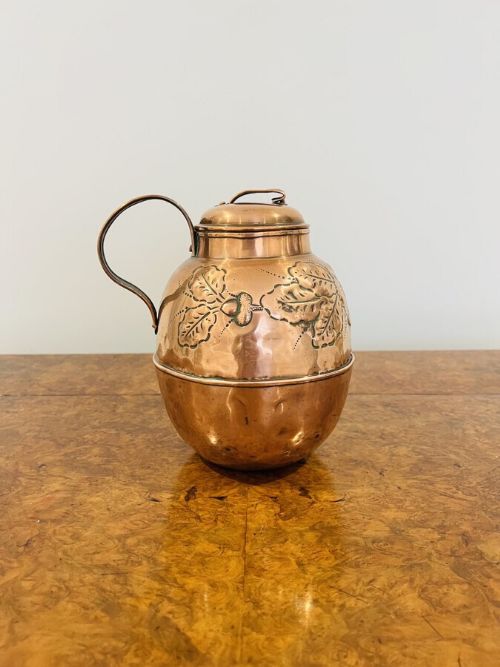


Victorian Decorative Jug
A victorian decorative jug brings undeniable character to a room, offering striking form and rich period detail for everyday display.

What these pieces are
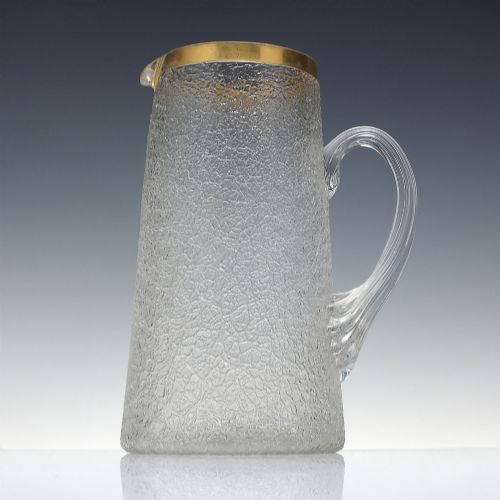
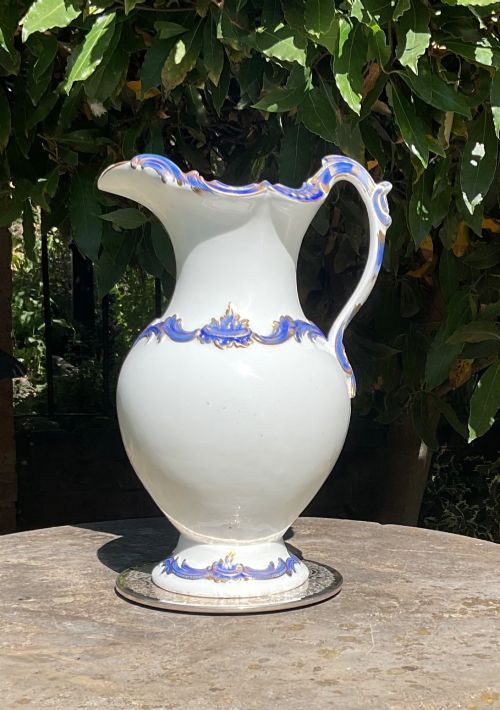
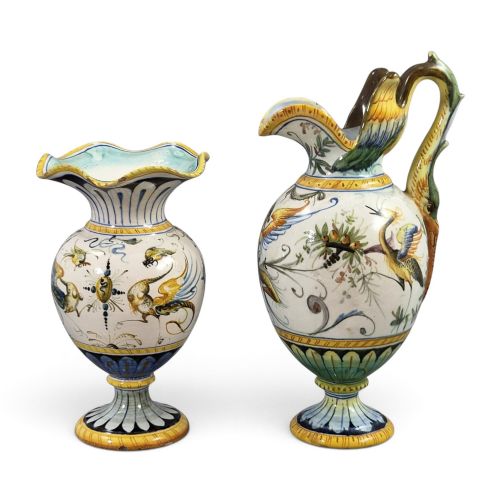
When you search for a victorian decorative jug, you are looking at nineteenth-century pitchers, ewers and pouring vessels designed primarily for display and decorative service. The selection spans earthenware, stoneware and porcelain forms produced across the Victorian era.
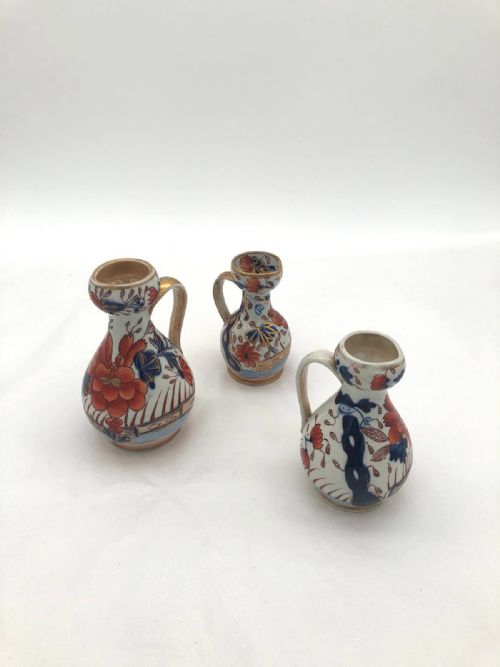
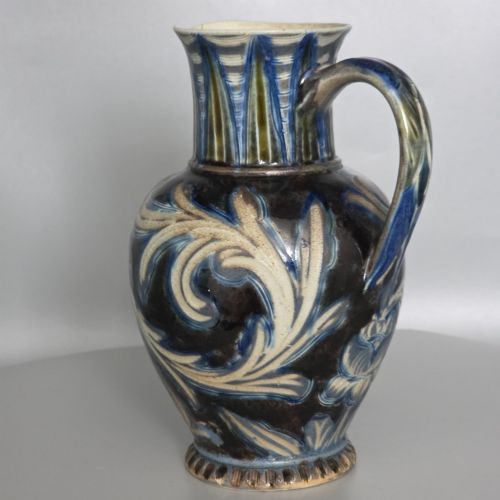
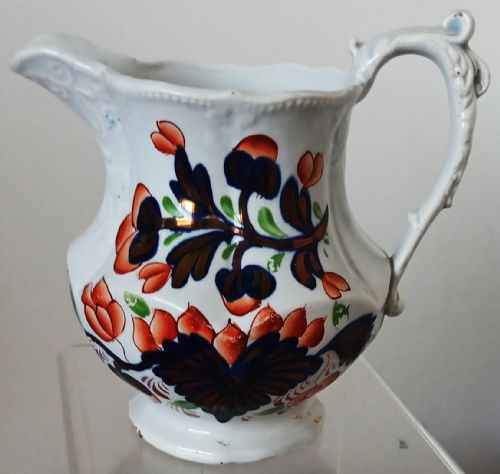
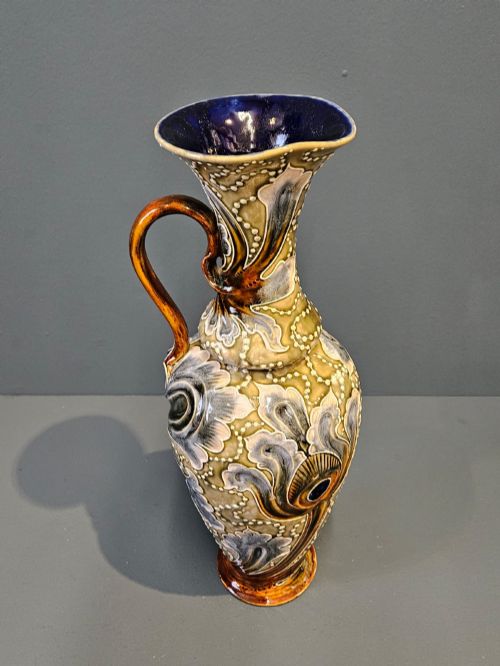
You are most likely to encounter robust ironstone crocus jugs alongside salt-glazed stoneware and fine porcelain ewers. Many examples reflect specific nineteenth-century design movements including the Aesthetic Movement and Victorian Arts and Crafts.
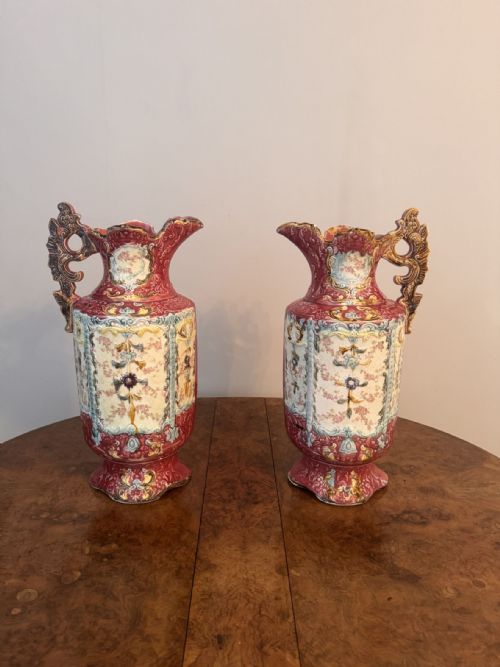
The objects range in scale from small cabinet vases to large serving ewers and pitchers. English potteries dominate the selection, showing substantial decorative ambition in handle shaping, pouring lips and surface ornamentation.
How they were made
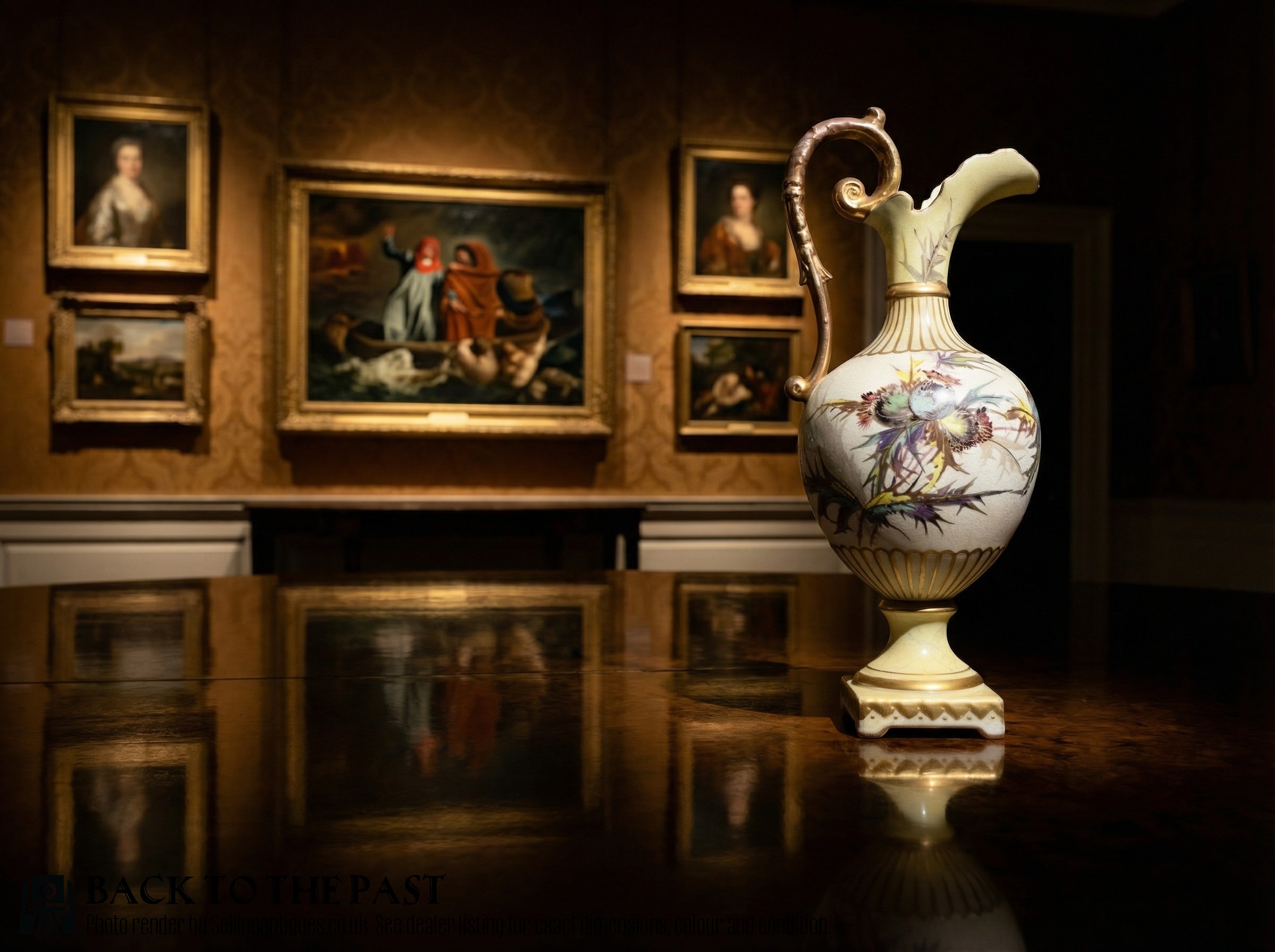
Potters shaped these vessels using traditional ceramic, porcelain, ironstone and stoneware bodies, often forming them on the wheel or in multi-part moulds. Salt-glazing techniques imparted a distinctive textured, pebbled finish to certain stoneware pieces.
Surface decoration frequently incorporated hand-painted enamel colours and applied gold leaf details. Elaborate motifs were built up through raised gold decor and moulded relief work before final kiln firing.
Retail Price Guide 2026
Typical UK retail prices for victorian decorative jug, calculated from the Sellingantiques database of over a million retail prices indexed since 2003. This retail price guide relies exclusively on Sellingantiques data; no external sources or auction records are used, so the figures do not describe the wider market.
Materials appearing across the inventory include ceramic, porcelain, ironstone, stoneware, salt-glaze ceramic, gold leaf and enamel.
What varies in quality
Quality rests in the crispness of the moulded relief and the precision of the hand-applied enamel and gold leaf. Superior pieces display deep, confident potting with well-balanced handles and pouring lips that feel intentional rather than mechanical.
The distinction between standard production and the top of the range lies in artistic ambition, such as the sophisticated asymmetry found in Aesthetic Movement pieces compared to straightforward domestic ware.
The Victorian Decorative Jug Glossary
- Ironstone
- A dense, durable type of ceramic patented in the nineteenth century to imitate Chinese porcelain. It provides a heavy, resilient body well suited to bold decoration.
- Ewer
- A large jug with a wide spout and a shaped handle, traditionally used for holding water or serving wine. Victorian examples often served purely decorative functions.
- Salt-Glaze
- A ceramic finish created by throwing common salt into the kiln during high-temperature firing. This produces a characteristic textured glaze resembling orange peel.
- Aesthetic Movement
- A late nineteenth-century design style emphasising visual beauty over narrative meaning. Pieces in this style often feature stylised natural motifs and refined gilding.
Frequently Asked Questions
What were these jugs used for?
While some vessels functioned practically for serving liquids or holding cut flowers, many nineteenth-century pieces were made solely for display on sideboards or mantelpieces.
Larger ewers often formed part of washstand sets, whereas smaller decorative jugs showcased the technical skill and artistic output of the pottery.
How do I date a Victorian jug?
Dating relies on maker marks, ceramic bodies, and stylistic clues such as Aesthetic Movement motifs or salt-glazed finishes.
Pottery bodies shifted from heavy ironstone to refined porcelain and stoneware across the decades, while registration marks and specific factory stamps narrow down the production period.
Where should I display my jug?
These decorative vessels suit placement on wooden sideboards, open shelving, or tables where light can catch the enamel and gold leaf details.
Pairing different forms, such as placing a stoneware pitcher alongside a porcelain ewer, adds textural contrast to a room.
Are these pieces waterproof?
Most ceramic, ironstone and porcelain jugs are fully vitrified and hold water safely for floral displays.
Salt-glazed stoneware vessels are similarly robust, though checking the interior glaze ensures safe daily use for holding fresh water.