
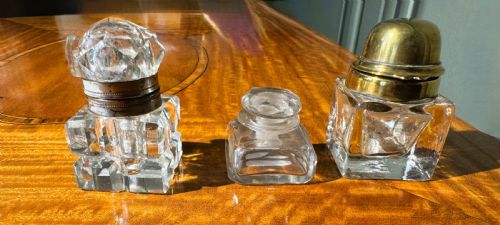


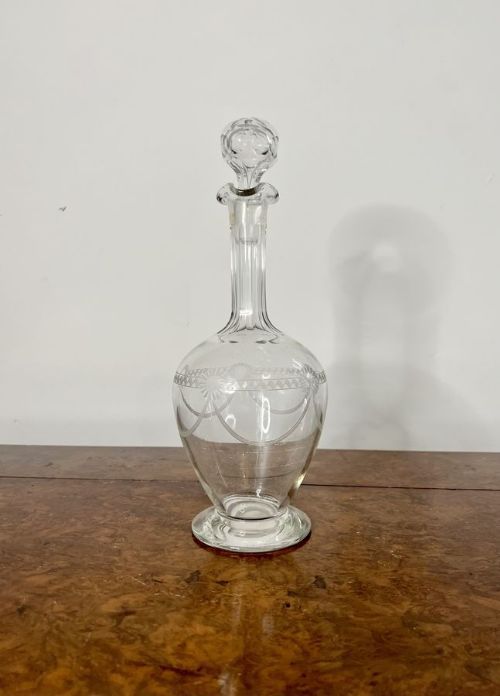


Victorian Crystal Bottle
These pieces combine heavy cut crystal with sterling silver and silver plate, offering a functional centrepiece for the table or dressing room.
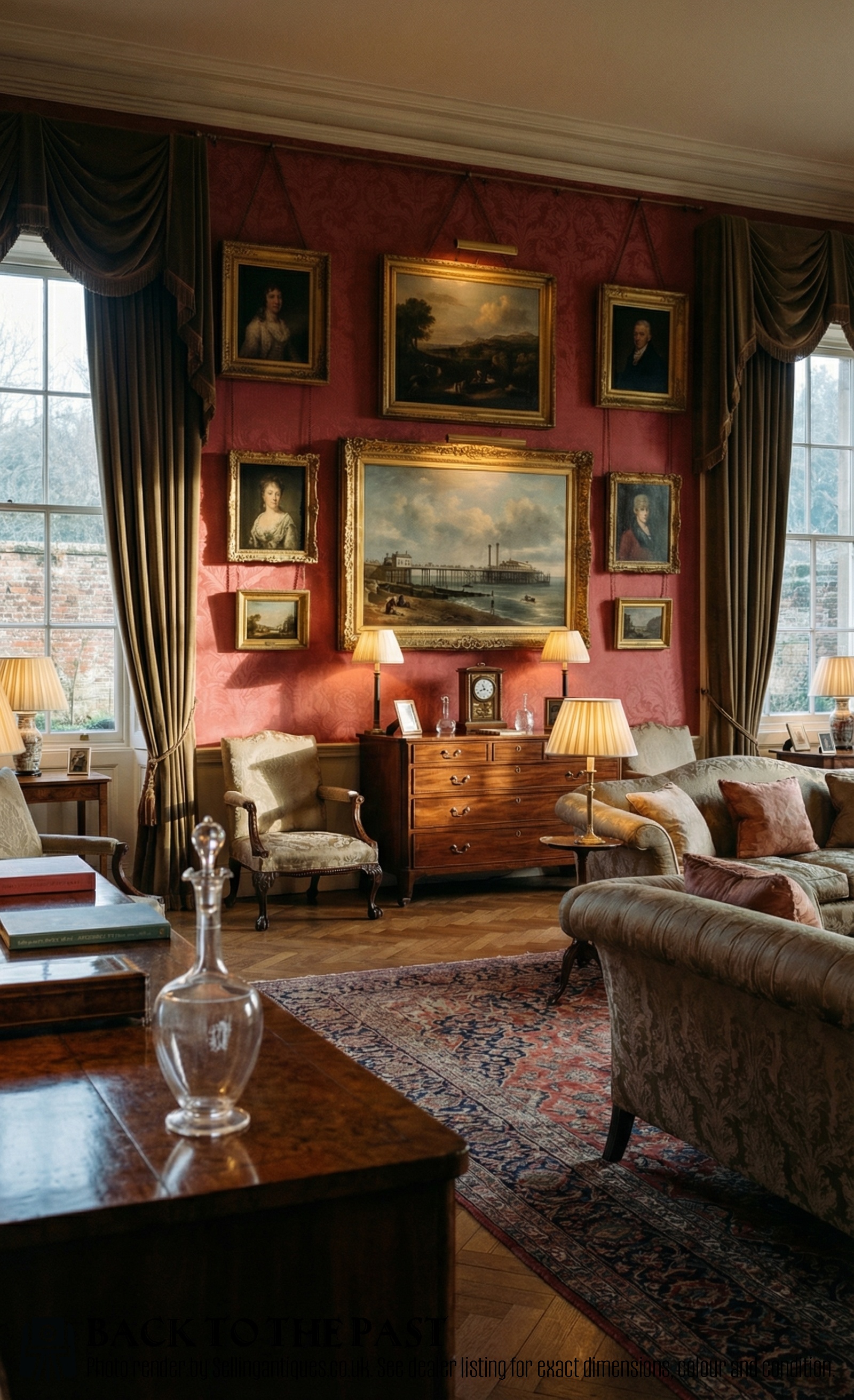
Victorian Crystal Bottle
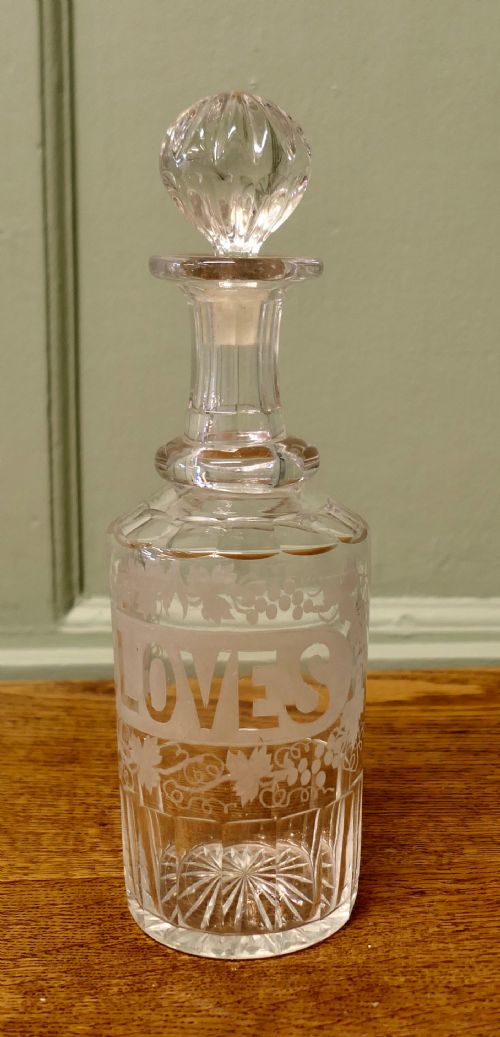
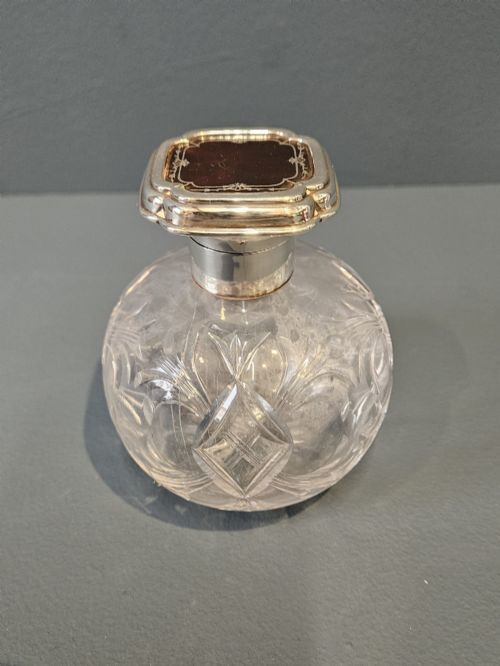
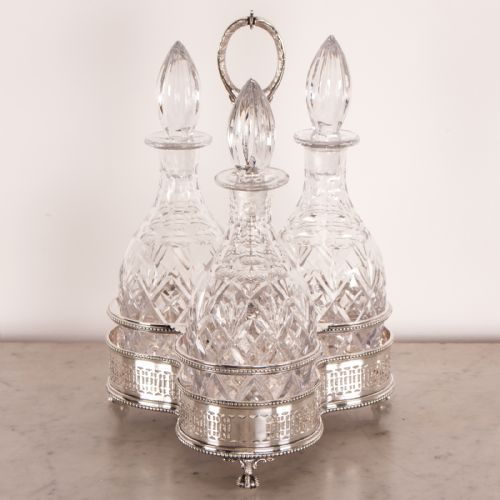
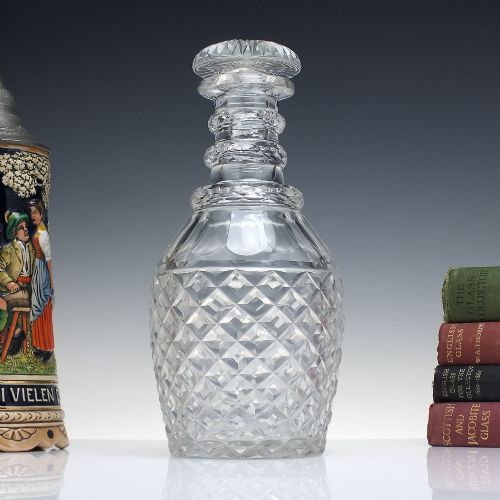
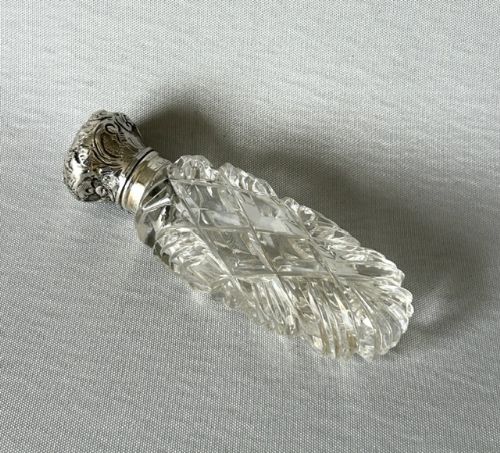
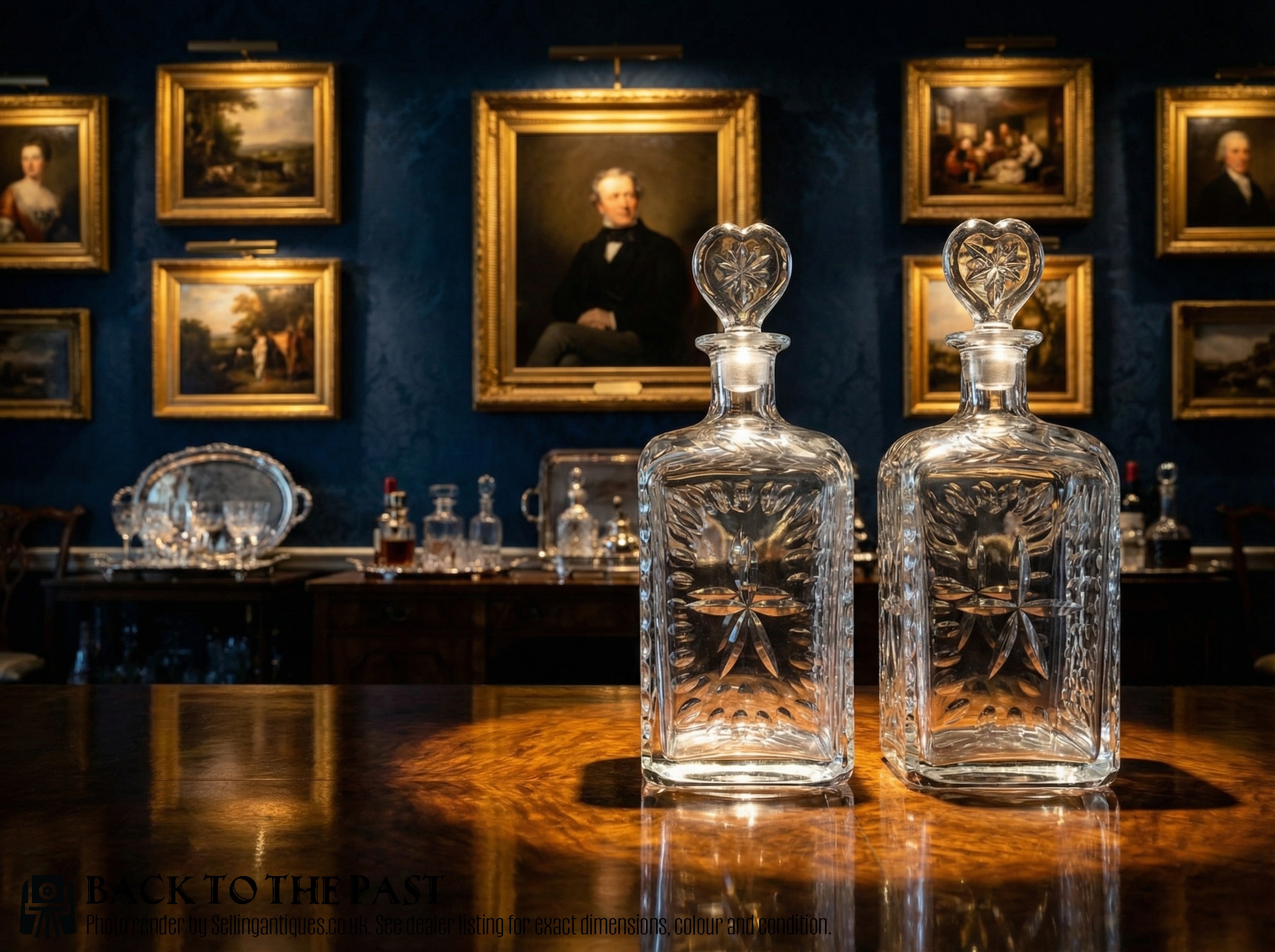
A victorian crystal bottle spans several distinct domestic forms, ranging from single scent flasks and pocket perfume bottles to large wine decanters and matched cruet sets. The most frequent examples encountered on this page are table decanters and scent bottles produced during the nineteenth century, often fitted with metal mounts.
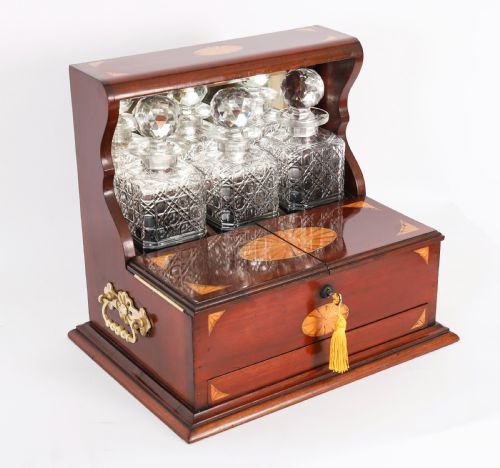
Makers and manufacturers produced these vessels for specific uses, including after-dinner service and travelling toilet sets. Many of the larger items appear within wooden tantalus frames or fitted boxes lined for storage.
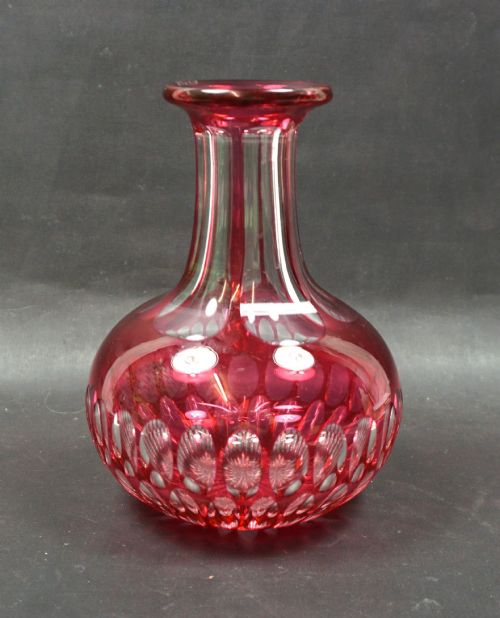
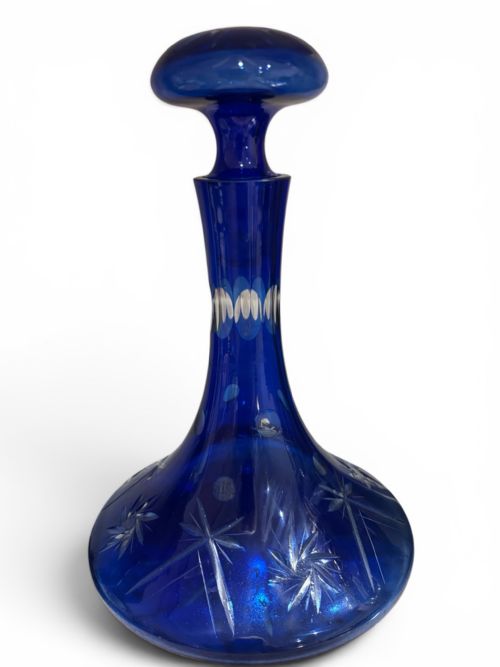
The materials encompass clear lead crystal alongside coloured flash glass in ruby, emerald, and cranberry hues. Pieces range from simple shaft and globe profiles to elaborately faceted shapes designed to catch the light.
How they were made
Glassmakers shaped vessels by blowing molten glass into moulds or free-blowing the metal before applying deep wheel cuts and faceted patterns to the surface. Cut crystal required thick blanks to allow for extensive removal of material without compromising the structural integrity of the bottle.
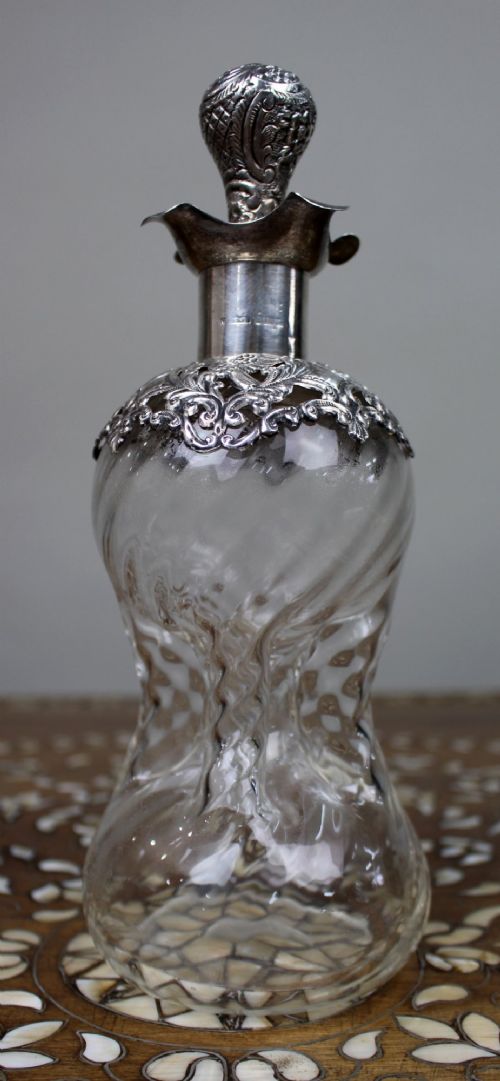
Metalworkers added functional mounts, collars, and hinged lids in sterling silver, silver plate, or brass, securing them with specialised adhesives or threaded fittings. Selected pieces incorporated additional decorative elements such as tortoise shell, satin wood, or engraved union motifs.
Victorian Crystal Bottle Retail Price Guide 2026
Typical asking prices for victorian crystal bottle among the pieces listed under this phrase on Sellingantiques today, from the lower quarter to the upper quarter. They describe what is for sale here now, not the wider market.
Listings feature oak and burr walnut tantalus frames alongside sterling silver and silver-plated accessories.
What varies in quality
The clarity and weight of the crystal set the baseline for quality, with heavy lead metal producing crisper facet lines and a resonant ring when struck. Superior pieces display deep, sharp cutting that remains uniform across the body and stopper.
The integration of metal mounts distinguishes finer work from standard production, particularly where silversmiths added hallmarked sterling silver collars or ornate cast mounts. The precision with which stoppers fit their respective necks and the quality of the surrounding cabinetry in tantalus sets further separate ordinary items from exceptional ones.
Walker & Hall·Elkington·William Comyns
The Victorian Crystal Bottle Glossary
- Tantalus
- A locked wooden frame holding decanters to prevent unauthorized access while displaying the contents. These enclosures often incorporate brass mounts and satin wood inlay.
- Flash glass
- A vessel made with a thin layer of coloured glass applied over a clear crystal core before cutting. This technique allows the clear glass to show through where the wheel has removed the outer colour.
- Cruet set
- A matched group of bottles or containers designed for holding condiments or oils at the dining table. They frequently sit within silver-plated or metal frames.
- Rock crystal
- A term used in period descriptions to denote high-purity clear quartz or exceptionally brilliant lead crystal shaped with hand-polished facets. It yields a bright, refractive finish.
- Hock decanter
- A tall, slender wine vessel specifically designed for serving white wines such as hock. These pieces often feature coloured overlay and elongated necks.
Victorian Crystal Bottle: Frequently Asked Questions
How do I clean a cloudy decanter?
Residue and haze inside old bottles typically result from mineral deposits or moisture left over decades. Gentle cleaning with warm water and specialised non-abrasive beads often restores clarity without scratching the interior.
Harsh chemical detergents should be avoided to protect the integrity of antique glass surfaces and any residual gilt decoration.
Are stoppers usually original to the bottle?
Stoppers were individually ground to fit a specific neck during production, meaning older pieces frequently retain their original matching components. Examining the frosted ground glass on the lower stem of the stopper helps confirm authenticity.
Mismatched replacements often sit unevenly or show differences in the depth and pattern of the cut glass.
How do I secure a tantalus?
A tantalus utilises a locking metal bar that traps the stoppers in place, preventing the decanters from being removed from the wooden frame. Operating the mechanism requires a matching key to lift the retaining bar.
Most frames are constructed from oak or burr walnut and feature brass hinges and escutcheons.
What is flash glass?
Flash glass consists of a clear crystal base coated with a very thin layer of coloured glass, such as ruby, amethyst, or emerald. When cutters ground facets into the surface, the clear crystal beneath was exposed in sharp contrast.
This method produced vibrant two-tone decorative effects popular during the nineteenth century.