
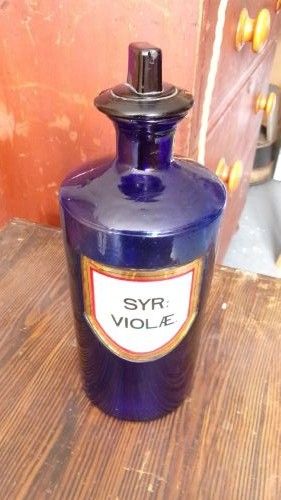
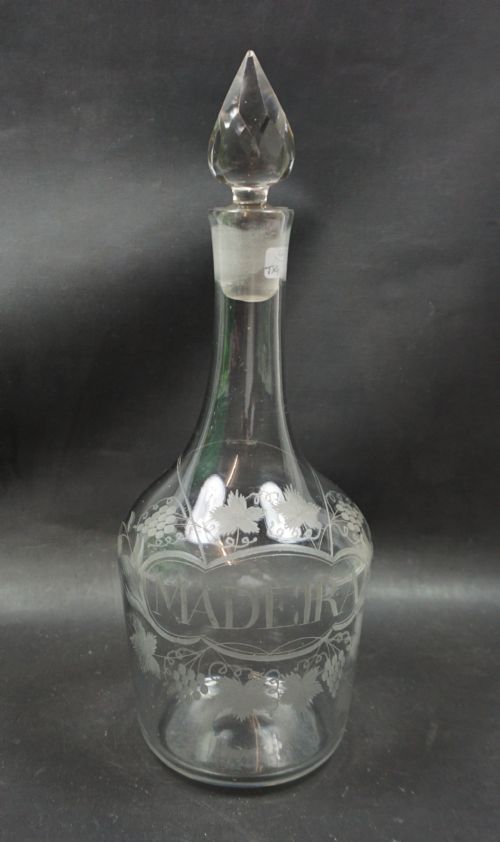


Antique Glass Stopper Bottle
An antique glass stopper bottle combines utilitarian purpose with decorative grace, offering collectors a functional vessel shaped by centuries of glassmaking skill.
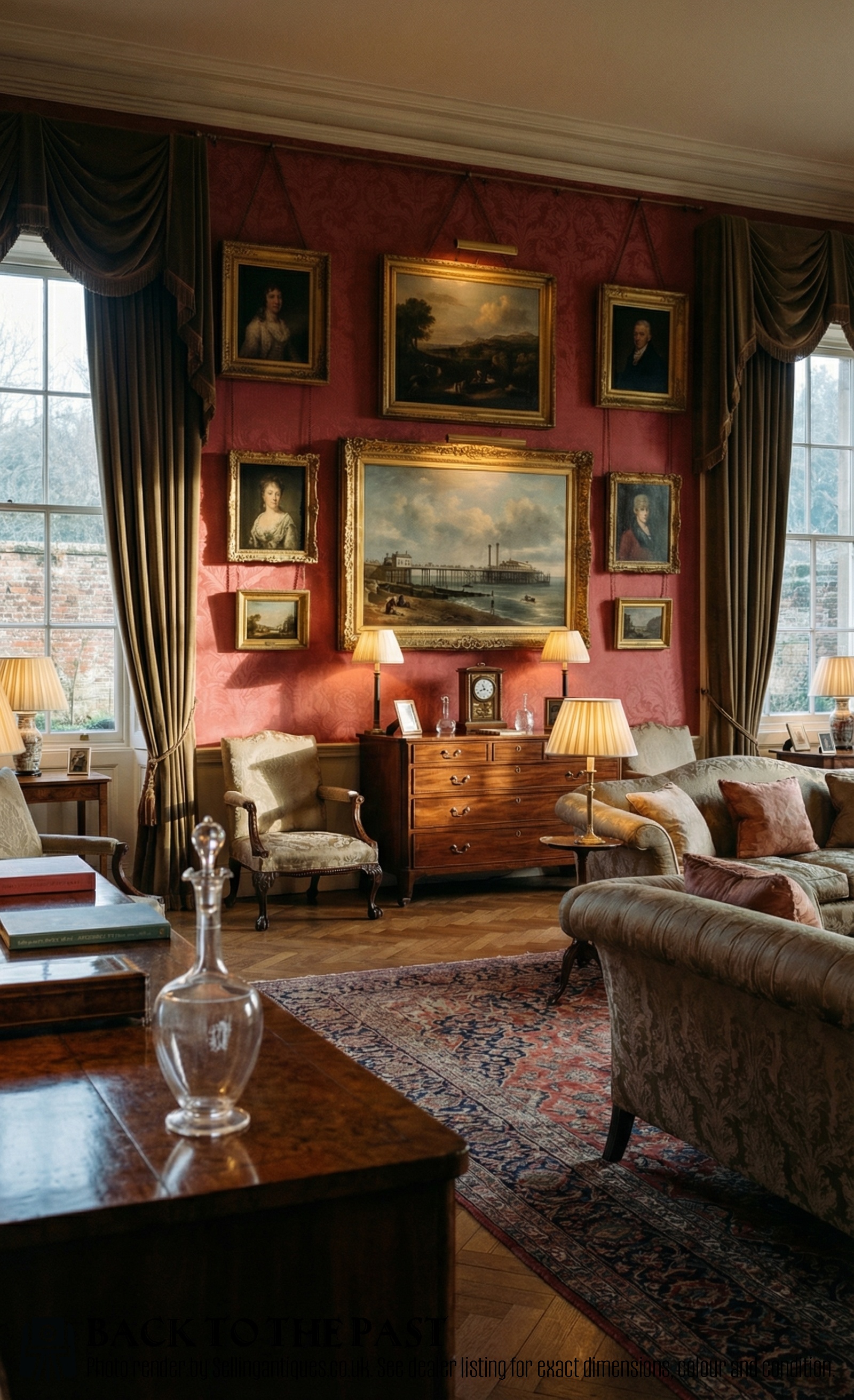
Antique Glass Stopper Bottle
When you search for an antique glass stopper bottle, you encounter a diverse array of domestic and apothecary vessels spanning the Georgian, Victorian, and Edwardian periods.
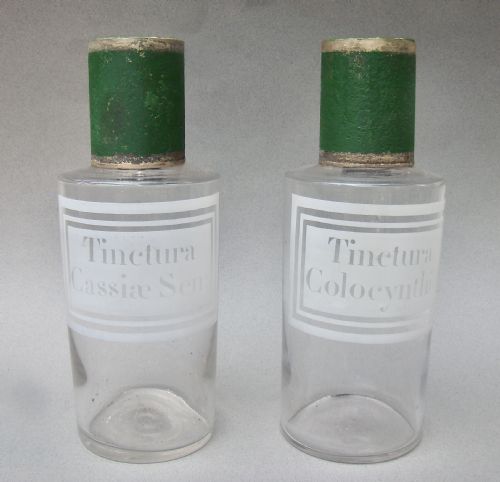
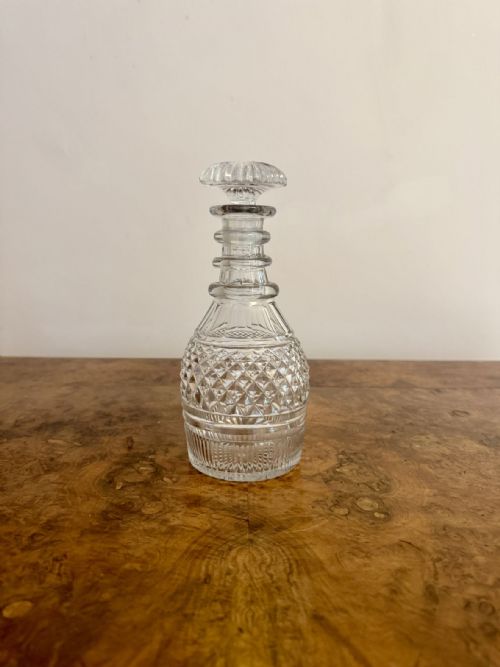
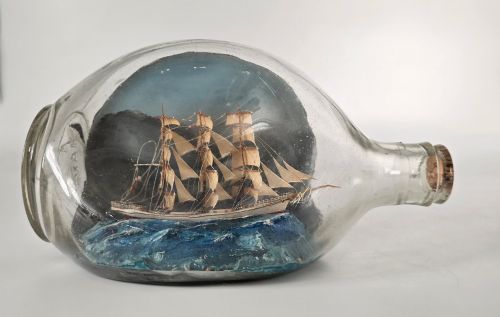
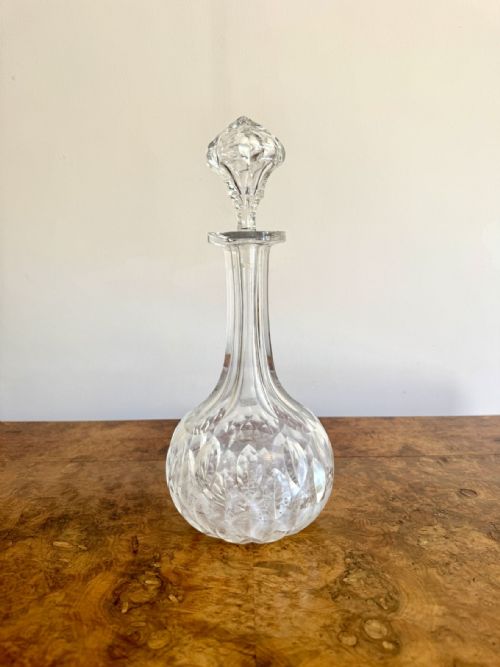
The selections on this page range from heavy cut glass decanters and spirit bottles to delicate scent flasks and tall pharmacy jars.
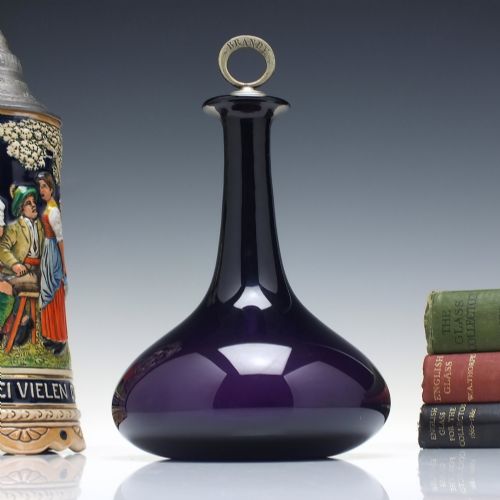
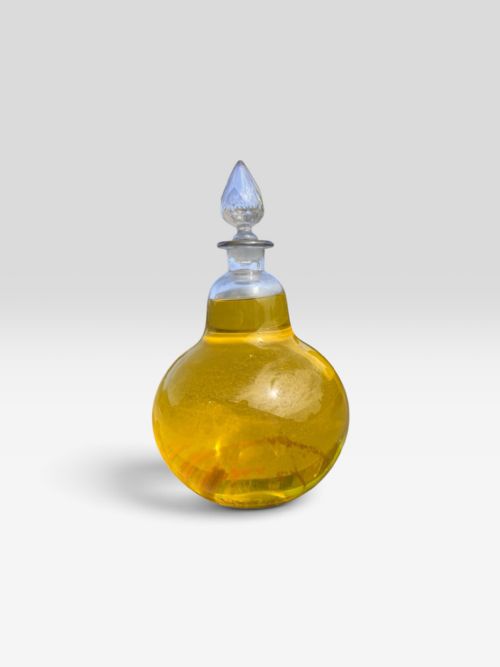
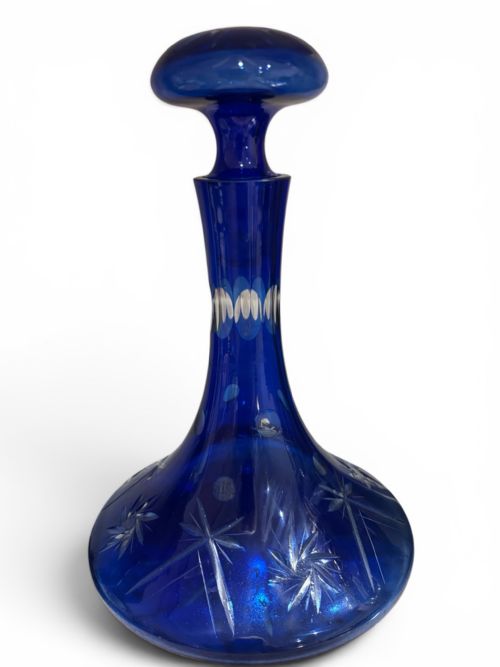
Vessels from the eighteenth and nineteenth centuries dominate the selection, showing forms like the shaft and globe carafe, shoulder decanter, and chemist carboy.
How they were made
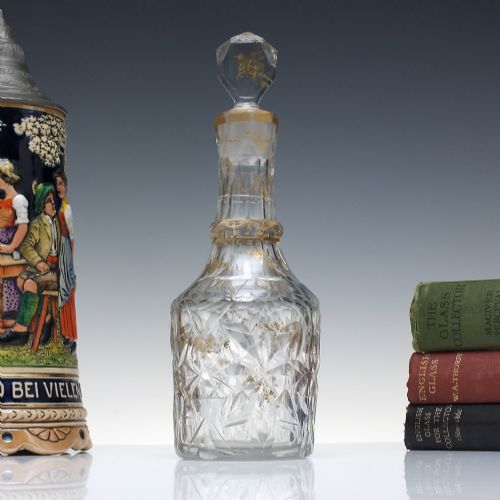
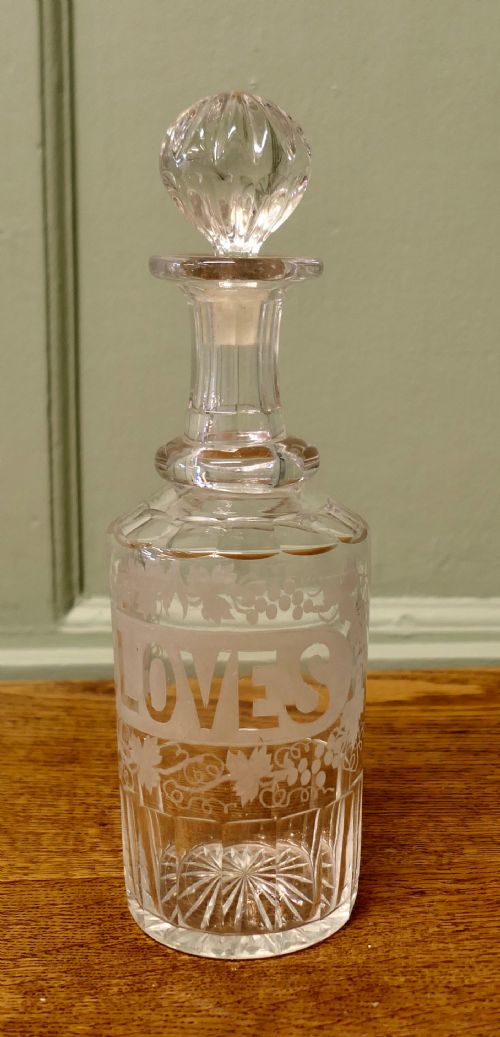
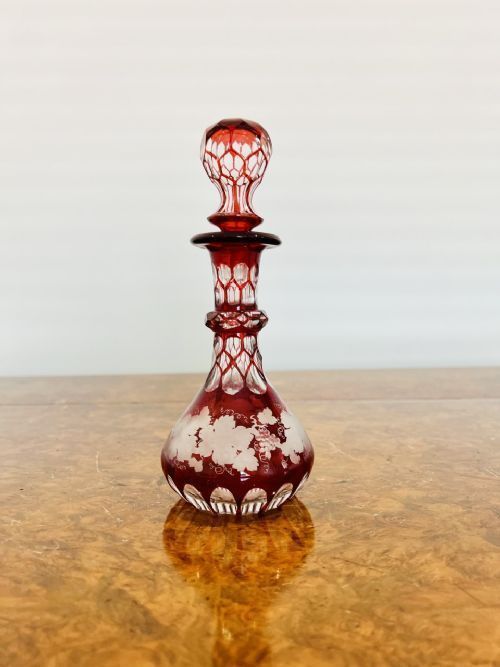
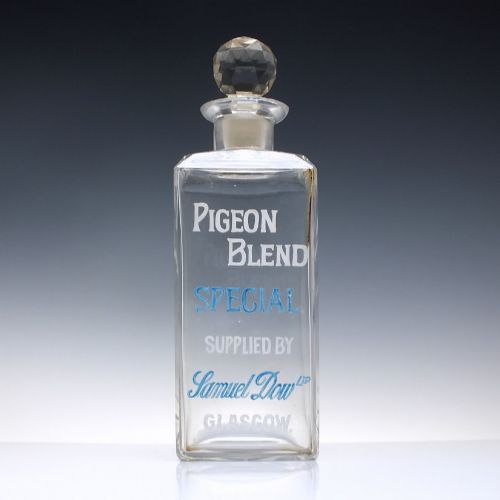
Makers shaped these vessels using hand blown glass, lead crystal, and cut crystal, often applying decorative techniques such as wheel engraving, enamelling, and gilding.
Certain pieces incorporate metal elements like silver collars, silver plate, and old Sheffield plate, while others display coloured glass varieties including Bristol blue, cranberry, and amethyst.
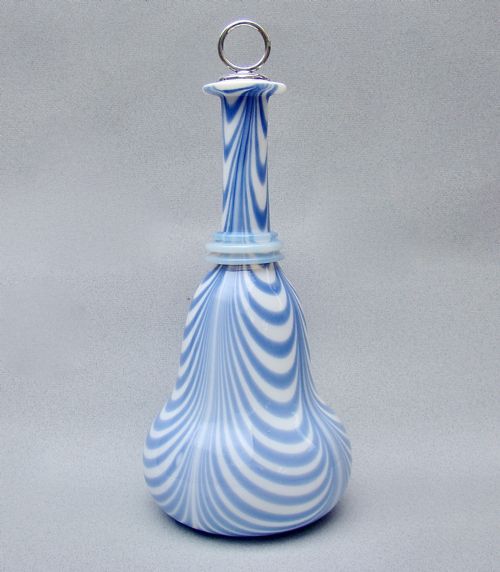
Specialised workshops produced distinct regional styles, utilising techniques like latticinio bands and mould-pressing to achieve varied textures and optical effects.
The inventory records functional items alongside decorative pieces, including whisky jugs, pharmacy jars, and cologne flasks.
What varies in quality
The distinction between ordinary and exceptional pieces lies in the crispness of the cutting, the depth of the engraving, and the purity of the metal content.
Artisanal embellishments such as hand-painted enamel details or precise gilding attributed to known workshops elevate a piece far above standard production ware.
The harmonious fit and matching proportions between the bottle body and its original stopper indicate superior craftsmanship and careful preservation.
James Giles·Karl Palda·Stevens & Williams·Pauly & Co.
The Antique Glass Stopper Bottle Glossary
- Carboy
- A large spherical glass bottle used historically for holding chemicals or liquids, often fitted with a stopper.
- Mell
- A specific historical decanter shape characterised by its tapered, mallet-like body.
- Latticinio
- A decorative glassmaking technique featuring fine white or coloured glass threads embedded within clear glass.
- Scent bottle
- A small vessel designed to hold liquid perfume, frequently fitted with a secure stopper and sometimes mounted in silver.
- Sugarloaf
- A tall, conical decanter form resembling traditional blocks of refined sugar.
Antique Glass Stopper Bottle: Frequently Asked Questions
How do I clean an antique glass stopper bottle?
Gentle washing with warm water and mild soap preserves the delicate interior surfaces and historic glass.
Avoid abrasive brushes or harsh chemical cleaners that might scratch the material or damage old gilding.
Can I use these decanters for serving wine today?
Many Victorian and Georgian decanters remain entirely functional for serving wine and spirits at the modern table.
Inspect the interior for any stubborn residue before pouring potable liquids into historic vessels.
How do I know if the stopper is original?
Original stoppers often share matching numerical tally marks or identical glass tint and wear patterns with the bottle neck.
An authentic fit rests comfortably in the neck without excessive wobbling or grinding.
What is the difference between a decanter and a scent bottle?
Decanters are larger vessels built to hold wine or spirits for dining and entertaining purposes.
Scent bottles are miniature containers meant for personal fragrance and dressing table use.